- Company Articles
- Products and Technology
- Installation And Maintenance
- Castor Fixed Plate Maintenance Schedule: Weekly vs. Monthly Checks

Castor Fixed Plate Maintenance Schedule: Weekly vs. Monthly Checks
Related Product
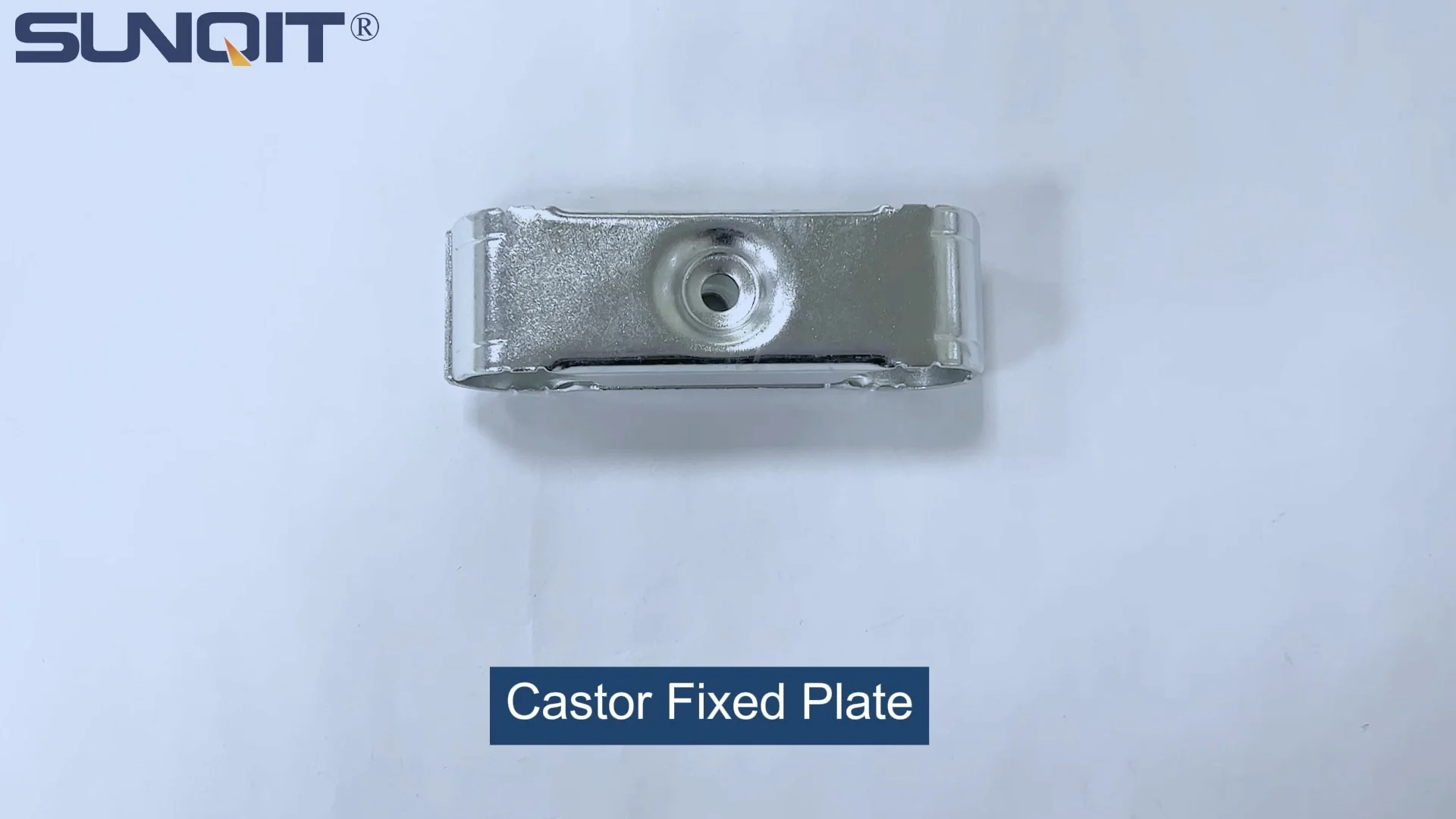
Castor Fixed Plate
Castor fixed plate, used for castor installation, one castor need two pcs castor plate to fix under the workbench, flow rack, and hand trolley.
Ensuring Safety, Efficiency, and Longevity in Your Material Handling Systems
Introduction: The Unsung Hero of Your Workplace
Walk through any busy warehouse, manufacturing plant, or distribution center, and you'll see them: trolleys gliding smoothly, workbenches being repositioned, and material racks shifting to keep up with production demands. Behind that seamless movement lies a small but critical component: the caster fixed plate . Often overlooked, this unassuming piece of hardware is the backbone of stability for every wheeled unit, from lightweight carts to heavy-duty industrial trolleys. It's the silent guardian that keeps caster wheels aligned, prevents dangerous wobbling, and ensures that every push or pull feels controlled and safe.
But like any hero, the caster fixed plate can't do its job alone. Without regular maintenance, even the sturdiest plate will wear down—loose bolts, rust, or debris buildup can turn a reliable workhorse into a liability. A wobbly trolley isn't just an annoyance; it's a safety risk for workers, a threat to product integrity, and a drain on productivity. In fact, according to the Occupational Safety and Health Administration (OSHA), nearly 20% of workplace injuries involve material handling equipment, many of which trace back to poor maintenance of components like caster systems.
This is where a structured maintenance schedule comes in. For businesses invested in lean system principles—where efficiency, waste reduction, and continuous improvement are priorities—proactive care of caster fixed plates isn't just good practice; it's essential. By distinguishing between weekly "check-ins" and monthly deep dives, you can catch issues early, extend the lifespan of your equipment, and keep your operations running like a well-oiled machine. Let's break down what each schedule entails, why they matter, and how to implement them effectively.
Weekly Checks: The Quick, Preventive Scan
Weekly maintenance is all about speed and consistency. Think of it as a "health check" for your caster fixed plates—quick enough to fit into a busy shift, but thorough enough to spot red flags before they escalate. These checks are typically performed by floor staff or operators who interact with the equipment daily, making them the first line of defense against unexpected failures.
What to Focus On During Weekly Checks
| Task | Steps | Why It Matters |
|---|---|---|
| Visual Inspection for Damage |
1. Examine the fixed plate for cracks, dents, or bending.
2. Check welds (if applicable) for signs of separation. 3. Look for rust or corrosion, especially in humid environments. |
Even small cracks can spread under load, leading to sudden plate failure. Early detection prevents catastrophic damage. |
| Bolt Tightness Check |
1. Visually inspect all bolts connecting the plate to the trolley/rack.
2. Use a wrench to gently test for looseness (avoid over-tightening). 3. replace any missing or stripped bolts immediately. |
Loose bolts are the #1 cause of wobbling caster wheels . A 10-second check can prevent a trolley from tipping. |
| Debris and Dirt Removal |
1. Brush or wipe away dust, dirt, or small debris from the plate surface.
2. Clear any buildup around bolt heads or between the plate and trolley frame. 3. Check for sticky substances (e.g., oil, grease) that could attract more debris. |
Dirt acts like sandpaper, accelerating wear on the plate and caster accessories like washers and nuts. |
| Movement Test |
1. Push the trolley/unit back and forth to feel for wobbling or uneven movement.
2. Rotate the caster wheel 360° to ensure smooth rotation (no sticking). 3. Listen for unusual noises (squeaking, grinding) that signal misalignment. |
Odd sounds or movement patterns often indicate issues with the plate's alignment or connection to the wheel. |
| Quick Tightening of Minor Issues |
1. Tighten any slightly loose bolts using a torque wrench (follow manufacturer specs).
2. Remove small debris stuck in crevices with a pick or compressed air. 3. Apply a light coat of anti-rust spray to exposed metal parts (if needed). |
Addressing minor issues weekly prevents them from becoming major repairs later. |
Real-World Example:
At a mid-sized electronics assembly plant in Ohio, a team of operators noticed that a daily-use material trolley had started "pulling" to the left. During their weekly check, they inspected the caster fixed plate and found a loose bolt on the left wheel's plate. Tightening it took 2 minutes—and saved the team from a potential accident later that day when the trolley would have been loaded with fragile circuit boards. "We used to ignore those little wobbles," said maintenance supervisor Maria Gonzalez, "but after implementing weekly checks, we've cut down on unexpected breakdowns by 40%."
The key to weekly checks is consistency. They don't require specialized tools—just a keen eye, a basic wrench, and a few minutes per unit. Assigning these tasks to operators who use the equipment daily is a win-win: they know the "normal" feel of the trolley and can spot anomalies quickly, and it builds a culture of ownership over workplace safety.

Monthly Checks: The Deep Dive for Long-Term Reliability
While weekly checks are about preventing immediate issues, monthly maintenance is about predicting the future. These are the "deep cleans" and detailed inspections that uncover hidden wear, test for long-term durability, and ensure your caster fixed plates (and the entire caster and accessories system) can handle the demands of daily use for months—or even years—to come. Monthly checks are more involved, often requiring basic tools like torque wrenches, lubricants, and measuring tapes, and they're best performed by maintenance technicians or trained staff.
What to Focus On During Monthly Checks
| Task | Steps | Why It Matters |
|---|---|---|
| Comprehensive Cleaning |
1. Remove the caster wheel (if needed) to access the fixed plate fully.
2. Use a wire brush to scrub away rust, grime, or caked-on debris. 3. Wipe with a damp cloth and dry thoroughly to prevent moisture buildup. |
Monthly deep cleaning reveals hidden issues like hairline cracks or pitting that weekly checks might miss. |
| Lubrication of Moving Parts |
1. Apply a high-quality lubricant (check manufacturer specs) to bolt threads and plate hinges.
2. Lubricate the connection points between the plate and caster wheel assembly. 3. Wipe away excess lubricant to avoid attracting dirt. |
Proper lubrication reduces friction, preventing premature wear on metal parts and ensuring smooth movement. |
| Wear and Tear Assessment |
1. Measure bolt tightness with a torque wrench (replace bolts if torque is below specs).
2. Check for signs of metal fatigue: discoloration, warping, or thinning of the plate. 3. Inspect caster accessories (washers, nuts, spacers) for cracks or deformation. |
Metal fatigue weakens the plate's structural integrity, making it prone to failure under load. |
| Alignment Testing |
1. Place the trolley on a level surface and check if the caster wheels sit evenly.
2. Use a straightedge to ensure the fixed plate is perpendicular to the trolley frame. 3. Adjust mounting holes or shims if misalignment is detected. |
Misaligned plates cause uneven weight distribution, leading to premature caster wheel wear and unstable movement. |
| Load Testing |
1. Load the trolley to its maximum rated capacity (or 75%, for safety).
2. Push/pull the trolley across different floor surfaces (concrete, tile, carpet) to test stability. 3. Monitor for bending, creaking, or shifting of the fixed plate under load. |
Load testing ensures the plate can handle real-world demands, not just empty or light use. |
| Replacement of Worn Components |
1. replace bolts, washers, or spacers that show signs of wear.
2. Swap out the fixed plate if cracks, warping, or excessive corrosion are present. 3. Stock spare caster accessories (e.g., replacement plates, bolts) to minimize downtime. |
Proactive replacement is cheaper than repairing damage from a failed plate—and far safer. |
Real-World Example:
A automotive parts distributor in Texas learned the hard way about the importance of monthly alignment checks. After noticing that their heavy-duty parts trolleys were increasingly difficult to push, a monthly inspection revealed that several caster fixed plates had warped slightly, causing the wheels to drag. The team realigned the plates and replaced two severely warped units—costing $150 in parts but saving them from a potential $5,000 damage claim when a trolley later carried a load of expensive engine components. "We used to wait for things to break," said plant manager Raj Patel. "Now, monthly checks help us stay ahead of the problem."
Monthly checks require a bit more time and expertise, but they're an investment in longevity. By catching wear early, you avoid costly replacements and keep your equipment operating at peak efficiency—key goals for any lean system .

Weekly vs. Monthly Checks: Key Differences
At first glance, weekly and monthly checks might seem similar, but they serve distinct purposes in your maintenance strategy. Think of weekly checks as "prevention" and monthly checks as "prediction." Here's how they stack up:
Frequency vs. Depth
Weekly checks are about frequency . They're quick (5–10 minutes per unit), repetitive, and designed to catch obvious issues before they escalate. Monthly checks, on the other hand, are about depth . They take longer (15–30 minutes per unit) and involve disassembly, specialized tools, and detailed assessments. While weekly checks ask, "Is this safe to use today?", monthly checks ask, "Will this still be safe to use six months from now?"
Tools and Expertise
Weekly checks require minimal tools: a wrench, a brush, and a cloth. They can be performed by anyone familiar with the equipment, from line operators to warehouse staff. Monthly checks, however, may need torque wrenches, lubricants, and measuring tools. They're best handled by maintenance technicians or staff trained in equipment repair—people who can identify subtle signs of wear or misalignment.
Goals
Weekly maintenance is reactive in the best way: it stops small problems (like a loose bolt) from becoming big ones (like a plate failure). Monthly maintenance is proactive: it identifies trends (like gradual warping) and plans for the future (like ordering replacement plates before the current ones fail). Together, they create a cycle of continuous improvement—exactly what lean system methodologies aim to achieve.

Common Issues Caught by Weekly vs. Monthly Checks
To understand the value of each schedule, let's look at real-world problems and how weekly or monthly checks would catch them:
Issues Caught by Weekly Checks
- Loose Bolts: A quick visual check or gentle tug during a weekly inspection reveals a bolt that's started to back out. Tightening it takes 30 seconds and prevents the plate from wobbling.
- Debris Buildup: Sawdust, plastic shavings, or even a stray zip tie gets caught between the plate and trolley frame. Brushing it away stops the plate from jamming or wearing unevenly.
- Caster Wheel Misalignment: During a movement test, an operator notices the trolley pulls to one side. A weekly check traces it to a slightly bent plate, which is adjusted before it worsens.
Issues Caught by Monthly Checks
- Rust Pitting: A monthly deep clean reveals tiny holes in the plate's surface—signs of corrosion eating away at the metal. The plate is replaced before it weakens enough to crack.
- Metal Fatigue: A torque wrench shows that bolts keep loosening, even after weekly tightening. Further inspection uncovers a hairline crack in the plate, caused by repeated heavy loads. The plate is swapped out, avoiding a catastrophic failure.
- Worn Caster Accessories: A monthly lubrication session reveals that a washer has become thin and brittle. Replacing it prevents the bolt from digging into the plate and causing damage.
Best Practices for Implementing Your Maintenance Schedule
Creating a schedule is one thing; sticking to it is another. Here's how to ensure your weekly and monthly checks become a consistent part of your workflow:
Train Your Team
Not everyone needs to be a maintenance expert, but every operator should know the basics of weekly checks. Hold a 30-minute training session with visual aids (photos of damaged plates, videos of proper tightening) to show what to look for. Create a simple checklist with yes/no questions ("Are all bolts tight?" "Is the plate free of debris?") to make inspections foolproof.
Use the Right Tools
Stock a "maintenance kit" near high-traffic areas: include a wrench set, wire brush, lubricant, and replacement bolts/nuts. For monthly checks, ensure technicians have torque wrenches, straightedges, and access to manufacturer specs for torque limits and lubricant types.
Document Everything
Keep a log for each piece of equipment, noting weekly and monthly check results. Digital tools like spreadsheets or maintenance management software work well, but even a paper notebook helps track trends (e.g., "Trolley #5 has loose bolts every week—maybe the plate is warped?").
Partner with a Reliable Supplier
Even the best maintenance can't save a poorly made caster fixed plate. Work with a supplier who provides high-quality caster and accessories , offers replacement parts quickly, and can advise on maintenance best practices. A trusted supplier is an extension of your team, helping you keep equipment in top shape.
Conclusion: Investing in Longevity, Safety, and Lean Efficiency
The caster fixed plate may be small, but its impact on your operations is huge. By committing to weekly quick checks and monthly deep dives, you're not just maintaining a piece of hardware—you're protecting your team, your products, and your bottom line. In a lean system , every minute spent on maintenance saves hours of downtime, reduces waste from broken equipment, and fosters a culture where "good enough" is never enough.
So the next time you see a trolley gliding across the floor, take a moment to appreciate the caster fixed plate. And then grab your wrench, brush, and checklist—because keeping that hero in top shape is one of the smartest investments you can make.