- Company Articles
- Products and Technology
- Installation And Maintenance
- Castor Fixed Plate Maintenance: Tips to Extend Lifespan in Factories

Castor Fixed Plate Maintenance: Tips to Extend Lifespan in Factories
Related Product
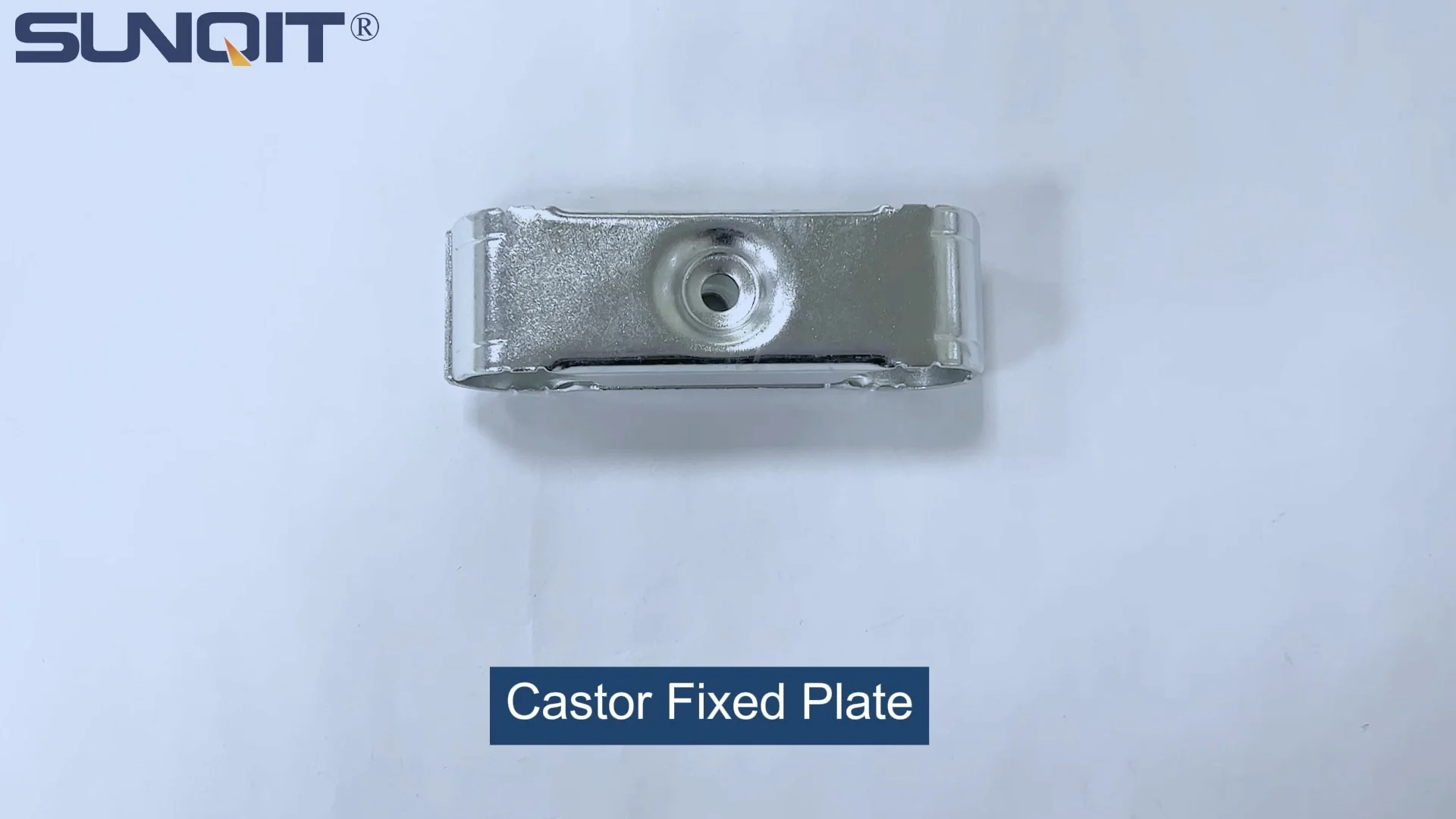
Castor Fixed Plate
Castor fixed plate, used for castor installation, one castor need two pcs castor plate to fix under the workbench, flow rack, and hand trolley.
Walk through any busy factory, and you'll notice a silent workhorse keeping operations moving—literally. It's not the massive machinery or the high-tech assembly lines, but the small, unassuming components that let equipment glide, pivot, and position with precision. Among these unsung heroes? The castor fixed plate. You'll find it beneath workbenches, turnover trolleys, and material racks, quietly holding caster wheels in place and ensuring everything from tools to raw materials reaches their destination smoothly. But when a castor fixed plate fails—whether it's a loose bolt, a corroded joint, or a cracked base—the ripple effects are immediate: delays in production, strained workflows, and even safety risks for workers. In a setting where every minute counts, neglecting this tiny but critical part can cost far more than a replacement part. Let's dive into how to keep your castor fixed plates—and by extension, your factory's efficiency—in top shape.
What Is a Castor Fixed Plate, and Why Does It Matter?
Before we jump into maintenance, let's clarify what a castor fixed plate actually is. At its core, it's a flat, sturdy bracket designed to bridge the gap between a caster wheel and the equipment it's attached to—think of it as the "middleman" ensuring your workbench or trolley moves without wobbling. Typically made from steel or heavy-duty aluminum (to withstand the weight of tools, parts, or even entire workstations), it features pre-drilled holes for bolts that secure it to both the caster wheel's stem or plate and the base of the equipment. Without it, a caster wheel would spin loosely, making controlled movement impossible. Imagine trying to push a loaded workbench across the factory floor if the caster wheel wasn't firmly anchored—you'd be fighting a battle against instability, and the risk of tipping or damaging goods would skyrocket.
In factory environments, castor fixed plates face unique challenges. They're exposed to constant vibration from nearby machinery, dust and debris that can gum up moving parts, and heavy loads that test their structural integrity day in and day out. Add in occasional spills (oil, coolant, or cleaning agents) and temperature fluctuations, and it's clear why these plates need intentional care. The good news? With regular maintenance, a quality castor fixed plate can last years, even in tough conditions. The key is to treat it not as an afterthought, but as a vital part of your factory's maintenance routine.
Common Issues That Shorten Castor Fixed Plate Lifespan
Like any component, castor fixed plates don't fail overnight. Problems often start small, snowballing into bigger issues when ignored. Here are the most common culprits factory managers and maintenance teams should watch for:
- Loose Bolts: The number one enemy. Every time a caster wheel rolls over uneven floors or hits a bump, the bolts securing the fixed plate to the equipment or caster wheel vibrate. Over time, this vibration can loosen bolts, creating play between the plate and the wheel. A loose plate leads to wobbling, which further weakens the bolts—creating a dangerous cycle.
- Corrosion: Factories are full of moisture, chemicals, and metal-on-metal contact—all recipes for rust. If your castor fixed plate is made of untreated steel, even a small scratch can expose the metal to air and water, leading to corrosion that eats away at the plate's strength. In extreme cases, corrosion can cause the plate to crack or snap under load.
- Debris Buildup: Dust, metal shavings, and grime love to collect in the gaps between the fixed plate, caster wheel, and equipment base. This debris acts like sandpaper, wearing down bolts and joints over time. It can also block lubrication points, making movement stiff and increasing strain on the plate.
- Overloading: Castor fixed plates are rated for specific weight limits, and exceeding them is a surefire way to shorten their lifespan. A workbench loaded with tools beyond its capacity, for example, puts extra stress on the plate, bending or warping it over time. Even occasional overloading—like stacking extra boxes on a trolley "just this once"—can cause invisible damage that adds up.
- Misalignment: If the fixed plate isn't installed straight or the caster wheel is off-kilter, the plate takes on uneven pressure. Instead of the weight being distributed evenly across the plate, one corner or bolt bears the brunt, leading to premature wear or even cracks.

The Ultimate Castor Fixed Plate Maintenance Checklist
Preventing these issues starts with a proactive maintenance routine. You don't need fancy tools or specialized training—just a few minutes each day, week, and month to inspect, clean, and care for your castor fixed plates. Below is a step-by-step guide to keeping them in peak condition.
Daily Checks: Quick Inspections for Early Red Flags
In a fast-paced factory, daily maintenance needs to be simple enough to fit into a worker's routine—no hour-long deep dives required. Assign operators or floor supervisors to spend 2–3 minutes per equipment unit (focusing on high-use items like workbenches and trolleys) checking for these red flags:
- Wobbling or Uneven Movement: Push the equipment gently. Does it roll smoothly, or does it wobble from side to side? Wobbling often means loose bolts or a misaligned plate.
- Strange Noises: Listen for squeaks, grinding, or rattling as the equipment moves. These sounds usually indicate dry joints, debris buildup, or loose parts.
- Visible Damage: Crouch down and inspect the castor fixed plate for cracks, rust spots, or bent edges. Even small cracks should be noted—they'll only grow with time.
- Loose Bolts: Give each bolt on the fixed plate a light tug (or check with a wrench if you have one handy). If any bolt spins or moves easily, it needs tightening.
If any of these issues are spotted, mark the equipment as "needs attention" and address it before the end of the shift. Catching a loose bolt early is far easier than replacing a cracked plate later.
Weekly Deep Clean: Banish Debris and Corrosion
Daily checks catch obvious problems, but weekly cleaning tackles the hidden threats: debris and corrosion. Set aside 15–20 minutes per equipment unit once a week for this routine:
- Clear Debris: Use a stiff brush or compressed air to blow away dust, metal shavings, and grime from the fixed plate, bolts, and surrounding areas. Pay special attention to crevices between the plate and caster wheel—this is where debris loves to hide.
- Wipe Down with Mild Detergent: For greasy or sticky buildup, dampen a rag with warm water and mild soap (avoid harsh chemicals like bleach, which can damage paint or coatings). Wipe the entire fixed plate, then dry it thoroughly with a clean cloth to prevent moisture from causing rust.
- Inspect for Corrosion: After cleaning, check for any new rust spots or pitting. If you find minor surface rust, sand it off gently with fine-grit sandpaper, then apply a thin coat of rust-resistant spray paint or oil to protect the area.
Monthly Lubrication and Tightening: Keep It Moving Smoothly
Even with daily checks and weekly cleaning, castor fixed plates need a little extra love each month to stay flexible and secure. Add these tasks to your monthly maintenance schedule:
- Lubricate Moving Parts: Apply a high-quality lubricant (like lithium grease or silicone spray) to the bolts, joints, and pivot points where the fixed plate connects to the caster wheel. Lubrication reduces friction, preventing wear and tear and keeping movement smooth. Be careful not to overdo it—excess lubricant can attract more debris.
- Tighten Bolts (Properly): Use a torque wrench to tighten all bolts on the fixed plate to the manufacturer's recommended settings. Over-tightening can strip threads or warp the plate, while under-tightening leaves bolts loose. If a bolt is stripped or damaged, replace it immediately with a bolt of the same size and material (don't substitute—using a weaker bolt is a safety hazard).
- Check Alignment: Place a straightedge along the fixed plate to ensure it's flush with the equipment base and caster wheel. If it's misaligned, loosen the bolts, adjust the plate into position, and retighten. Misalignment is often caused by uneven floors, so consider adding shims under the equipment if needed to distribute weight evenly.
Quarterly Load Testing: Avoid Overloading Surprises
Weight limits aren't just suggestions—they're critical for castor fixed plate longevity. Every quarter, test your equipment to ensure it's not being overloaded. Use a scale to weigh typical loads (tools, materials, finished products) and compare them to the fixed plate's rated capacity (usually listed in the equipment manual or on the caster wheel itself). If you regularly exceed the limit, consider upgrading to a heavier-duty castor fixed plate or redistributing loads to reduce strain.
Maintenance Schedule at a Glance
| Maintenance Task | Frequency | Tools Needed | Key Focus |
|---|---|---|---|
| Visual inspection for wobbling, noise, damage | Daily | None (just eyes and ears) | Catching loose bolts or cracks early |
| Debris removal and surface cleaning | Weekly | Brush, compressed air, mild detergent, rag | Preventing debris buildup and corrosion |
| Lubrication, bolt tightening, alignment check | Monthly | Torque wrench, lubricant, straightedge | Reducing friction and ensuring stability |
| Load testing and capacity verification | Quarterly | Scale, equipment manual | Avoiding overloading damage |

Troubleshooting Common Castor Fixed Plate Problems
Even with the best maintenance, issues can pop up. Here's how to diagnose and fix the most common castor fixed plate problems quickly:
- Problem: Equipment wobbles when moving. Solution: Check for loose bolts (tighten them) or a cracked plate (replace if damaged). If the plate is intact but wobbles, the caster wheel may be bent—inspect the wheel and replace if needed.
- Problem: Movement is stiff or jerky. Solution: Clean debris from the fixed plate and caster wheel, then lubricate pivot points. Stiffness is often caused by dry joints or debris blocking movement.
- Problem: Rust is spreading despite cleaning. Solution: If corrosion has eaten through more than 10% of the plate's thickness, replace it immediately—rust weakens the plate's structural integrity. For minor rust, sand, treat with rust inhibitor, and repaint.
- Problem: Bolts keep loosening. Solution: Use thread-locking fluid (like Loctite) on the bolts to prevent vibration from loosening them. If threads are stripped, tap new threads or replace the plate.

Best Practices for Long-Term Lifespan
Maintenance is key, but a few proactive habits can extend your castor fixed plate's lifespan even further:
- Invest in Quality Parts: When replacing a castor fixed plate, don't skimp on cheap, low-quality options. Look for plates made from heavy-gauge steel or aluminum, with corrosion-resistant coatings. High-quality caster and accessories may cost more upfront, but they'll last longer and reduce maintenance headaches.
- Train Staff on Proper Use: Workers should know not to stand on moving equipment, drag overloaded trolleys, or kick caster wheels to move them (yes, it happens!). Simple training on weight limits and gentle handling can prevent accidental damage.
- Store Spare Parts On-Site: Keep a stock of replacement castor fixed plates, bolts, and lubricants in your maintenance closet. Waiting for parts to arrive can mean days of downtime—having spares on hand lets you fix issues immediately.
- Label Equipment with Weight Limits: Stick clear labels on workbenches and trolleys indicating maximum load capacity. A quick reminder prevents overloading and keeps everyone on the same page.
Final Thoughts: Small Part, Big Impact
In the grand scheme of factory operations, the castor fixed plate may seem. But as any maintenance manager will tell you, the smallest parts often have the biggest impact on efficiency and safety. By taking 10–15 minutes each week to inspect, clean, and care for these plates, you'll avoid costly delays, reduce replacement costs, and keep your team moving forward without interruption. Remember: a well-maintained castor fixed plate isn't just a part—it's a silent partner in keeping your factory running smoothly, one roll at a time.