- Company Articles
- Products and Technology
- Product knowledge
- Castor Fixed Plate Material Comparison: Steel vs. Stainless Steel

Castor Fixed Plate Material Comparison: Steel vs. Stainless Steel
Related Product
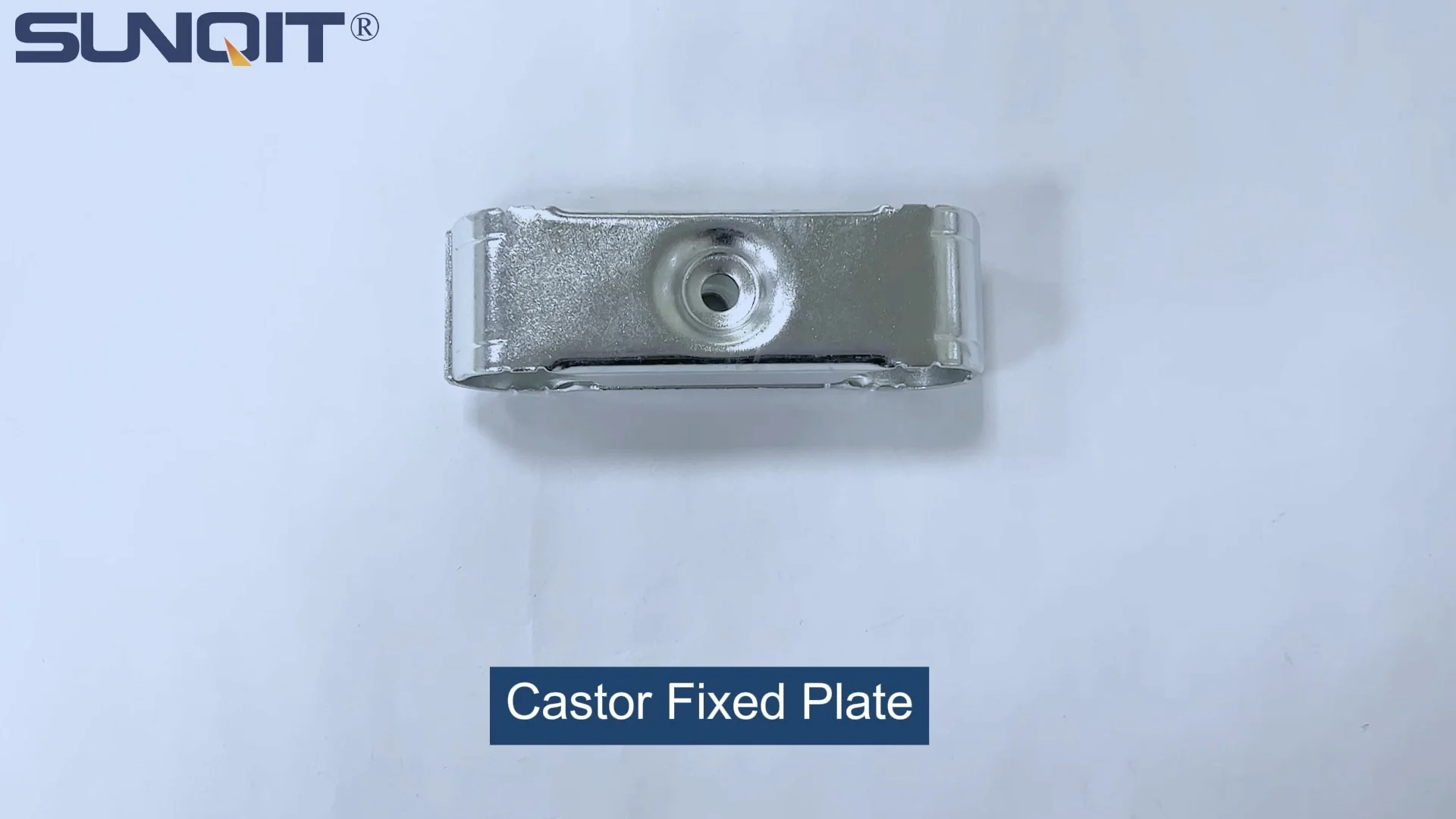
Castor Fixed Plate
Castor fixed plate, used for castor installation, one castor need two pcs castor plate to fix under the workbench, flow rack, and hand trolley.
In the bustling world of manufacturing, warehousing, and logistics, it's often the smallest components that keep operations running smoothly. Take, for example, the humble castor fixed plate—a seemingly unassuming piece of hardware that plays a critical role in connecting casters to everything from mobile workbenches and turnover trolleys to heavy-duty material racks. These plates are the unsung heroes that ensure equipment moves freely without wobbling, that loads stay secure during transport, and that workers can adapt their workspace to evolving needs. But here's the thing: not all castor fixed plates are created equal. The material they're made from—especially when choosing between steel and stainless steel—can make or break their performance, durability, and suitability for specific environments. In this article, we'll dive deep into the differences between steel and stainless steel castor fixed plates, exploring their properties, applications, and which one might be the right fit for your lean system or workspace.
What Are Castor Fixed Plates, Anyway?
Before we jump into materials, let's make sure we're all on the same page about what castor fixed plates actually do. Think of them as the "bridge" between casters (those small wheels that make equipment mobile) and the equipment itself—whether it's a hand trolley, a workbench, or a flow rack. A castor fixed plate is typically a flat, rigid piece of metal with pre-drilled holes that allow it to be bolted or welded to both the caster and the base of the equipment. Its job? To distribute the weight of the load evenly across the caster, prevent the caster from detaching during movement, and maintain stability even when the equipment is loaded to capacity.
If you've ever pushed a heavy trolley across a warehouse floor and felt it wobble or heard a creak, there's a good chance the castor fixed plate was to blame—either it was made from a weak material, poorly installed, or simply not suited for the weight it was carrying. In short, these plates are a cornerstone of caster accessories , and their material matters more than you might think.
Why Material Choice Matters for Castor Fixed Plates
Imagine investing in a top-of-the-line lean system—complete with aluminum profile workbenches, roller tracks for smooth material flow, and ergonomic turnover trolleys—only to have the whole setup fail because the castor fixed plates rusted through after a few months. That's the risk of choosing the wrong material. The material of a castor fixed plate directly impacts:
- Load capacity: How much weight the plate can support without bending or breaking.
- Durability: How well it holds up to daily wear, friction, and impact.
- Resistance to the environment: Whether it can withstand moisture, chemicals, or extreme temperatures.
- Maintenance needs: How often it requires cleaning, painting, or replacement.
- Cost over time: The initial price tag vs. long-term expenses like repairs or replacements.
When it comes to castor fixed plates, the two most common materials are steel and stainless steel. Both have their strengths and weaknesses, and choosing between them depends on your specific needs—like whether your workspace is dry and dusty or wet and chemical-heavy, or whether you're prioritizing upfront cost savings or long-term reliability.

Steel Castor Fixed Plates: The Workhorse of Dry Environments
What Is Steel, Exactly?
Steel is an alloy of iron and carbon, with small amounts of other elements like manganese or silicon added to tweak its properties. For castor fixed plates, the most common type is carbon steel, which contains about 0.05% to 2.0% carbon. The higher the carbon content, the stronger and harder the steel—but also the more brittle it can be. Most steel castor fixed plates use low-carbon steel (also called mild steel), which strikes a balance between strength and flexibility, making it easy to stamp, bend, or weld into shape.
Properties of Steel Castor Fixed Plates
Strength and Load Capacity: Steel is a powerhouse when it comes to sheer strength. Mild steel has a tensile strength of around 370–500 MPa (megapascals), which means it can handle heavy loads without deforming. This makes steel castor fixed plates ideal for equipment that carries bulky items, like turnover trolleys loaded with raw materials or material racks stacked with inventory.
Cost-Effectiveness: Steel is one of the most affordable metals on the market, especially compared to stainless steel. This lower upfront cost makes it a popular choice for businesses operating on tight budgets or those that need large quantities of castor fixed plates—think warehouses with hundreds of trolleys or factories with extensive lean system setups.
Ease of Fabrication: Steel is a dream to work with. It can be cut, drilled, welded, or stamped into almost any shape, which means manufacturers can produce custom-sized fixed plates to fit specific caster models or equipment designs. If you need a castor fixed plate with extra holes, a unique shape, or reinforced edges, steel is likely the way to go.
Where Steel Castor Fixed Plates Shine
Steel castor fixed plates thrive in dry, indoor environments where moisture and chemicals are minimal. Think: a dry warehouse storing packaged goods, a workshop with metalworking tools, or a retail stockroom where trollies are used to move boxes. In these settings, steel's strength and low cost make it a practical choice. For example, a hand trolley used to transport lightweight items across a concrete floor would benefit from a steel fixed plate—it's strong enough to handle the load, cheap enough to replace if it wears out, and doesn't need extra protection against rust.
The Downsides of Steel: Rust and Maintenance
The biggest drawback of steel? It's prone to rust. When steel is exposed to oxygen and moisture, it forms iron oxide (rust), which weakens the metal over time. Even a small scratch in the paint or coating can let moisture seep in, leading to corrosion that spreads under the surface. To combat this, steel castor fixed plates are often coated with paint, zinc (galvanized), or powder to create a barrier against the elements. But these coatings can chip or wear off with frequent use—especially if the plate rubs against other metal surfaces or is exposed to abrasives like dirt or gravel.
Maintenance is another consideration. If you opt for steel, you'll need to inspect the plates regularly for signs of rust, touch up chipped coatings, and maybe even replace them sooner than you would with stainless steel. In environments with high humidity or occasional spills (like a kitchen or a garage), steel fixed plates might start rusting within a year or two—hardly ideal if you're trying to keep your lean system running efficiently.

Stainless Steel Castor Fixed Plates: Corrosion Resistance for Tough Environments
Stainless Steel: Steel with a Protective "Shield"
Stainless steel is also an iron-based alloy, but what sets it apart is the addition of chromium—at least 10.5% by weight. When chromium reacts with oxygen, it forms a thin, invisible layer of chromium oxide on the surface of the metal. This layer acts like a self-healing shield: if the surface is scratched, more chromium oxide forms to seal the scratch, preventing rust from taking hold. Some stainless steel grades also include nickel, which enhances corrosion resistance and gives the metal a shiny, polished look.
For castor fixed plates, the most common stainless steel grades are 304 and 316. Grade 304 (often called "food-grade stainless steel") contains 18% chromium and 8% nickel, making it resistant to most acids and everyday moisture. Grade 316 adds molybdenum, which boosts resistance to saltwater and harsh chemicals—perfect for marine environments or factories using corrosive cleaning agents.
Properties of Stainless Steel Castor Fixed Plates
Corrosion Resistance: This is where stainless steel truly shines. Unlike steel, it doesn't rust or corrode in most environments—even when exposed to water, salt, or mild chemicals. This makes it ideal for outdoor use, food processing facilities, medical clinics, or any workspace where hygiene is a priority (since stainless steel is easy to clean and doesn't harbor bacteria).
Longevity: Stainless steel castor fixed plates last longer than steel ones, especially in harsh environments. With proper care, they can withstand decades of use without showing signs of significant wear. This longevity often offsets the higher upfront cost—you might pay more initially, but you'll replace them far less frequently.
Aesthetics: Stainless steel has a sleek, modern look that many businesses prefer, especially in customer-facing areas or cleanrooms. It doesn't require painting or coating, so it maintains its shine even with frequent cleaning.
Where Stainless Steel Castor Fixed Plates Are a Must
Stainless steel is non-negotiable in environments where moisture, chemicals, or hygiene are concerns. For example:
- Food and beverage facilities: Trolleys and workbenches here are regularly washed down with water and sanitizers. A stainless steel fixed plate won't rust, ensuring compliance with health regulations.
- Medical or pharmaceutical labs: These spaces require sterile equipment that can withstand frequent cleaning with disinfectants. Stainless steel is non-porous and easy to sanitize, making it ideal.
- Outdoor or marine settings: Equipment left outside (like garden trolleys or dockside racks) is exposed to rain, snow, or saltwater. Stainless steel resists corrosion in these conditions, whereas steel would rust quickly.
- Chemical plants: Even small spills of acids or solvents can eat through steel coatings. Stainless steel (especially grade 316) holds up to these harsh substances.
The Downsides of Stainless Steel: Cost and Machinability
Stainless steel is more expensive than steel—sometimes twice as much, depending on the grade. This can be a barrier for businesses with tight budgets or those that don't need the extra corrosion resistance. Additionally, stainless steel is harder to machine than steel. It's more resistant to cutting and drilling, which can increase manufacturing time and cost for custom designs. Finally, while stainless steel is strong, it's slightly less rigid than steel, which means it might flex more under extremely heavy loads (though this is rarely an issue for most standard applications).

Steel vs. Stainless Steel: A Side-by-Side Comparison
| Feature | Steel Castor Fixed Plates | Stainless Steel Castor Fixed Plates |
|---|---|---|
| Material Composition | Iron + carbon (low-carbon/mild steel), often coated with paint/zinc. | Iron + chromium (≥10.5%) + nickel (often), may include molybdenum (grade 316). |
| Tensile Strength | 370–500 MPa (strong, rigid under heavy loads). | 485–650 MPa (slightly higher strength, but less rigid than steel). |
| Corrosion Resistance | Poor—prone to rust without coating; coatings may chip/wear. | Excellent—resists rust, moisture, and mild chemicals (grade 316 resists salt/harsh chemicals). |
| Cost | Low upfront cost; affordable for large quantities. | High upfront cost (2–3x steel); higher grade (316) is even pricier. |
| Maintenance | High—needs regular coating touch-ups, rust checks, and eventual replacement. | Low—no coating needed; occasional cleaning is sufficient. |
| Ideal Environments | Dry indoors (warehouses, workshops, retail stockrooms). | Wet/humid areas, food/medical facilities, outdoor/marine settings, chemical environments. |
| Lifespan | 5–10 years (with coating); shorter in moist environments. | 15–30+ years (even in harsh environments). |
| Aesthetics | Depends on coating; may look dull or chipped over time. | Sleek, shiny, and consistent; maintains appearance with minimal effort. |
Choosing the Right Material for Your Needs
Now that we've broken down the pros and cons, how do you decide between steel and stainless steel castor fixed plates? Here are a few questions to ask yourself:
1. What's my environment like? If your workspace is dry and low-moisture, steel might be sufficient. If it's wet, humid, or exposed to chemicals, stainless steel is worth the investment.
2. What's the load capacity? For extremely heavy loads (over 500kg), steel's rigidity might be preferable—just make sure it's properly coated. For most standard loads, stainless steel works fine.
3. What's my budget? If upfront cost is critical and you can handle maintenance, steel is the way to go. If you want to minimize long-term replacement costs, stainless steel will save you money in the long run.
4. What are the hygiene requirements? Food, medical, or pharmaceutical settings need stainless steel to meet health and safety standards.
5. How long do I need the equipment to last? If you're setting up a temporary workspace, steel might be disposable enough. For a permanent lean system that you want to last decades, stainless steel is the smarter choice.
Real-World Example: A Warehouse vs. a Bakery
Let's say you run a dry goods warehouse with rows of flow racks and hand trolleys that move boxes of cereal. The environment is clean, dry, and rarely exposed to moisture. In this case, steel castor fixed plates make sense—they're cheap, strong enough to handle the boxes, and you can coat them with zinc to add a few years of rust resistance. The upfront savings can be reinvested in other parts of your lean system, like better roller tracks or ergonomic workbenches.
Now, imagine you own a bakery where trolleys carry dough, pastries, and ingredients. These trolleys are washed daily with hot water and soap, and the air is humid from ovens. Steel fixed plates here would rust within months, leading to wobbly trolleys, safety hazards, and frequent replacements. Stainless steel, on the other hand, would stand up to the moisture and cleaning, lasting for years without issues—even if it costs more upfront, it's a small price to pay for reliability and compliance with food safety laws.
Final Thoughts: It's All About Trade-Offs
At the end of the day, choosing between steel and stainless steel castor fixed plates comes down to balancing your needs, budget, and environment. Steel is the practical, cost-effective choice for dry, low-maintenance settings where strength and affordability are key. Stainless steel, while pricier, is the workhorse for harsh, wet, or hygiene-critical environments where longevity and corrosion resistance can't be compromised.
Remember, these plates are more than just metal—they're a foundational part of your equipment's mobility and safety. Cutting corners on material might save you a few dollars today, but it could lead to downtime, repairs, or even accidents tomorrow. So whether you're outfitting a new lean system, upgrading your workbenches, or replacing worn-out caster accessories, take the time to consider which material will keep your operations rolling smoothly for years to come.