- Company Articles
- Products and Technology
- Product knowledge
- Castor Fixed Plate Materials: Steel vs. Aluminum for Lean Tubes Systems

Castor Fixed Plate Materials: Steel vs. Aluminum for Lean Tubes Systems
Related Product
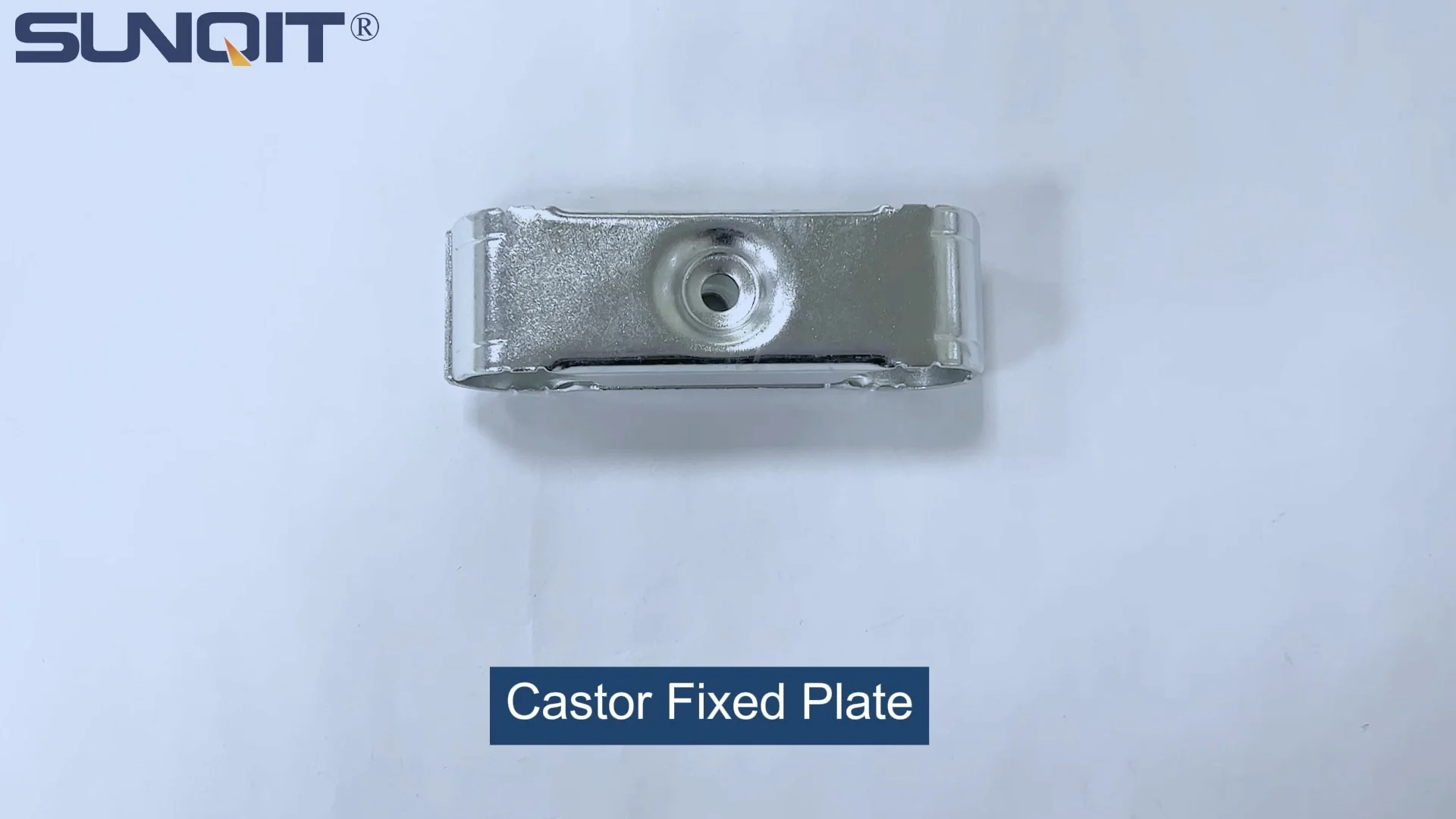
Castor Fixed Plate
Castor fixed plate, used for castor installation, one castor need two pcs castor plate to fix under the workbench, flow rack, and hand trolley.
In the world of manufacturing and warehouse operations, efficiency isn't just a buzzword—it's the backbone of daily success. Every component, no matter how small, plays a role in keeping workflows smooth, reducing waste, and ensuring teams can focus on what matters most: getting the job done right. One such unsung hero? The castor fixed plate. Tucked away at the base of lean tube systems, these plates are the quiet connectors that turn static workbenches, racks, and trolleys into mobile assets, letting teams reconfigure spaces, transport materials, and adapt to shifting demands in seconds.
But here's the thing: not all castor fixed plates are created equal. The material they're made from—steel or aluminum—can make or break their performance, affecting everything from how much weight they support to how long they last, and even how easy they are to maintain. For anyone building or upgrading a lean tube system, choosing between steel and aluminum castor fixed plates isn't just a matter of cost; it's a decision that ripples through productivity, safety, and long-term operational efficiency. Let's dive into the details, unpacking the strengths, weaknesses, and real-world impact of each material to help you make the choice that fits your team's unique needs.
Understanding Lean Tube Systems and the Role of Castor Fixed Plates
First, let's ground ourselves in what lean tube systems are. These modular structures are the chameleons of industrial workspaces, built from lightweight tubes (often steel, aluminum, or composite materials) and connectors that snap together without welding. Think workbenches that adjust height in minutes, flow racks that guide parts from station to station, or turnover trolleys that glide through tight aisles. Their magic lies in flexibility: a single system can be disassembled and rebuilt into something entirely new as production needs change—no heavy machinery or specialized skills required.
Now, enter the castor fixed plate. If lean tube systems are the body, casters are the legs that let them move—and castor fixed plates are the bolts that hold those legs firmly in place. These metal plates attach casters to the base of the lean tube frame, distributing weight evenly and ensuring the connection can handle the stress of constant movement, heavy loads, and the occasional bump against a wall or pallet. Without a sturdy, well-designed fixed plate, even the best caster will wobble, loosen, or fail, turning a mobile asset into a safety hazard or a frustrating bottleneck.
So why steel vs. aluminum? Both are metals, but their properties differ in ways that matter for castor fixed plates. Steel is known for brute strength; aluminum for lightness and resilience. The choice between them hinges on questions like: How heavy are the loads you're moving? Is your workspace damp, dusty, or prone to corrosion? Do you need to prioritize initial cost, or long-term maintenance savings? Let's break down each material to see how they stack up.
Steel Castor Fixed Plates: The Heavy-Duty Workhorses
What Makes Steel a Go-To for Tough Jobs
Steel has been the backbone of industrial manufacturing for decades, and for good reason. It's a material built for resilience. When we talk about steel castor fixed plates, we're usually referring to carbon steel—a alloy of iron and carbon that boasts impressive tensile strength (the ability to resist breaking under tension) and compressive strength (the ability to handle heavy loads without deforming). This makes steel plates ideal for applications where "overkill" is actually a good thing: think automotive assembly lines moving engine blocks, warehouses stacking pallets of machinery parts, or construction sites where equipment is tossed around with little regard for delicacy.
One of steel's biggest advantages is its load capacity. A typical steel castor fixed plate, even a relatively thin one (say, 3-5mm thick), can support hundreds, if not thousands, of pounds without bending or cracking. That's why you'll often see steel plates on heavy-duty turnover trolleys or material racks designed to haul bulk inventory. In environments where downtime is costly, steel's durability translates to reliability—you can trust it not to fail mid-shift, even under repeated stress.
Cost is another plus. Steel is generally less expensive than aluminum, especially for large-scale projects. If you're outfitting an entire factory floor with mobile workstations, the savings on steel plates can add up quickly, freeing up budget for other tools or upgrades. And because steel is widely available, lead times for custom-sized plates are often shorter, which is a lifesaver when you need to get a new line up and running fast.
When Steel Might Not Be the Best Fit
But steel isn't without its trade-offs. The first is weight. Steel is dense—much heavier than aluminum. While that weight can add stability to a loaded trolley (reducing the risk of tipping), it also makes the system harder to move when unloaded. For teams that need to reposition workbenches or racks frequently throughout the day, the extra heft of steel plates can lead to fatigue, slowing down workflows and increasing the risk of strain injuries.
Then there's corrosion. Bare steel rusts. Exposed to moisture, humidity, or chemicals (like oils, solvents, or cleaning agents), uncoated steel plates will start to develop rust spots, which not only look unsightly but can weaken the material over time. To combat this, most steel plates are coated with zinc (galvanized), painted, or powder-coated. While effective, these treatments add steps (and cost) to production, and they can chip or wear off with heavy use, requiring reapplication down the line. In environments like food processing plants, where cleanliness is critical, even a small rust spot can be a compliance issue, making steel a less ideal choice unless heavily maintained.
Finally, steel is less flexible in terms of design. Because it's harder to machine and shape than aluminum, custom steel plates (with unique hole patterns, cutouts, or curved edges) can be more expensive and time-consuming to produce. For lean tube systems that require precise, tailored components, this rigidity might limit creativity.

Aluminum Castor Fixed Plates: Lightweight, Modern, and Resilient
The Rise of Aluminum in Lean Manufacturing
Aluminum is often seen as the "new kid on the block" in industrial materials, but its popularity has skyrocketed in recent years—especially in lean manufacturing settings. Unlike steel, aluminum is a lightweight metal (about one-third the density of steel) with a surprisingly high strength-to-weight ratio. This means an aluminum castor fixed plate can be just as strong as a steel one but weigh significantly less, making the entire lean tube system easier to move, assemble, and reconfigure.
Corrosion resistance is another game-changer. Aluminum naturally forms a thin oxide layer when exposed to air, which acts as a barrier against rust and corrosion. This makes aluminum plates ideal for environments where moisture is a constant concern: think food and beverage facilities, pharmaceutical labs, or outdoor warehouses. Unlike steel, aluminum doesn't require additional coatings (though anodizing—an electrolytic process that thickens the oxide layer—can enhance durability and add color for aesthetic or safety purposes). This not only reduces maintenance costs but also keeps surfaces clean and free of flaking paint or zinc, which is crucial in industries with strict hygiene standards.
Aluminum's lightweight nature also translates to easier installation. Anyone who's ever tried to hold a steel plate in place while drilling bolts knows the struggle—steel is awkward and tiring to maneuver. Aluminum plates, by contrast, can be handled with one hand, speeding up assembly and reducing the risk of dropped tools or strained muscles. For teams that build and rebuild lean systems frequently (like startups scaling production or factories with seasonal demand fluctuations), this ease of use is a hidden productivity booster.
Where Aluminum Falls Short
The biggest downside to aluminum is cost. Aluminum is more expensive than steel, both in raw material and production costs. For small projects, the difference might be negligible, but for large-scale operations—say, outfitting a 100,000-square-foot warehouse—the higher price tag can be a dealbreaker. It's important to weigh this against long-term savings, though: aluminum's lower maintenance needs and longer lifespan (thanks to corrosion resistance) might offset the initial investment over time.
Aluminum also isn't as strong as steel in extreme heavy-duty applications. While it handles moderate loads (think 500-1,000 pounds) with ease, push it beyond its limits—say, hauling a 2,000-pound engine block—and you risk bending or warping the plate. This makes aluminum a poor fit for industries like heavy machinery manufacturing or mining, where "extreme" is the norm. That said, advances in aluminum alloys (like 6061-T6, a common grade for industrial parts) have narrowed the gap, with some alloys offering strength approaching that of mild steel while still keeping weight low.
Finally, aluminum is softer than steel, which means it's more prone to scratches and dents. In rough-and-tumble environments where plates might get banged by forklifts or dropped tools, aluminum can show wear and tear faster than steel. While this doesn't always affect performance, it can make the system look less professional over time—a consideration for facilities that prioritize a clean, modern aesthetic (like tech startups or customer-facing warehouses).

Steel vs. Aluminum Castor Fixed Plates: A Side-by-Side Comparison
| Factor | Steel Castor Fixed Plates | Aluminum Castor Fixed Plates |
|---|---|---|
| Weight | Heavy (adds stability but makes movement harder) | Lightweight (easier to maneuver and install) |
| Strength/Load Capacity | High (handles 1,000+ lbs easily; ideal for heavy-duty use) | Moderate to high (best for 500-1,000 lbs; some alloys handle more) |
| Corrosion Resistance | Low (rusts without coating; requires painting/galvanizing) | High (natural oxide layer resists rust; no extra coating needed) |
| Cost | Lower initial cost; budget-friendly for large projects | Higher initial cost; long-term savings from lower maintenance |
| Maintenance | High (needs regular coating touch-ups; rust checks) | Low (no rust concerns; occasional cleaning is enough) |
| Ideal Applications | Heavy manufacturing, automotive, construction, bulk warehousing | Electronics, food processing, pharmaceuticals, cleanrooms, light to medium manufacturing |

Real-World Scenarios: When to Choose Steel, When to Choose Aluminum
To make this tangible, let's walk through a few scenarios where the choice between steel and aluminum castor fixed plates becomes clear. These examples highlight how material selection ties directly to operational needs.
Scenario 1: Automotive Assembly Line (Heavy Loads, Harsh Conditions)
A mid-sized auto parts manufacturer needs to build 20 mobile workstations to transport engine components (each weighing 800-1,200 lbs) between assembly stations. The shop floor is busy, with oil spills, metal shavings, and frequent temperature fluctuations. Here, steel castor fixed plates are the obvious choice. Their high load capacity ensures the plates won't bend under the weight of the engines, and while the oil and moisture might cause rust, the manufacturer can opt for galvanized steel plates and touch up the coating annually during maintenance shutdowns. The lower cost of steel also fits the company's budget for outfitting multiple stations at once.
Scenario 2: Electronics Manufacturing Cleanroom (Light Loads, Strict Hygiene)
A semiconductor plant is designing cleanroom workbenches for assembling circuit boards. The loads are light (200-300 lbs per bench), but the environment requires strict cleanliness—no rust, no flaking paint, and easy sanitization. Aluminum castor fixed plates shine here. Their corrosion resistance means no risk of rust particles contaminating sensitive electronics, and their smooth, non-porous surface can be wiped down with disinfectants without damage. The lightweight plates also make it easy for technicians to reposition workbenches as production schedules change, reducing strain and keeping workflows agile. While aluminum costs more upfront, the plant saves on maintenance (no repainting or rust treatments) and avoids costly cleanroom contamination incidents.
Scenario 3: Food Distribution Warehouse (Variable Loads, Moisture Exposure)
A food distributor needs mobile racks to transport pallets of frozen and refrigerated goods. The racks must handle loads up to 600 lbs, and they'll be moving through cold, humid environments (think walk-in freezers and loading docks exposed to rain). Here, aluminum castor fixed plates are a safer bet than steel. While steel could handle the load, the constant moisture in freezers would quickly rust uncoated steel, and even galvanized steel might corrode over time—posing a risk of rust flakes falling into food products. Aluminum's natural corrosion resistance eliminates this risk, and its lighter weight makes the racks easier to push on slippery freezer floors. The distributor accepts the higher initial cost, knowing it will avoid expensive product recalls or rack replacements down the line.
Beyond the Basics: Other Factors to Consider
While material properties like strength and corrosion resistance are critical, there are other factors that might sway your decision. Let's touch on a few:
Compatibility with Lean Tube Systems
Most lean tube systems are built with either steel or aluminum tubes, and it's worth considering material compatibility. For example, if you're using aluminum profile tubes (a common choice for modern, lightweight systems), aluminum castor fixed plates will blend seamlessly, both aesthetically and in terms of weight distribution. Mixing steel plates with aluminum tubes might create an unbalanced system, where the heavy plates put extra stress on the lighter tubes. Conversely, steel tubes can handle the weight of steel plates without issue, creating a uniformly robust structure.
Environmental Impact
Sustainability is increasingly a priority for manufacturers, and both steel and aluminum have green credentials. Steel is 100% recyclable, and recycled steel requires 75% less energy to produce than virgin steel. Aluminum is also highly recyclable, with recycled aluminum using just 5% of the energy needed to make new aluminum. If your company has strict sustainability goals, aluminum might edge out steel here, as its lighter weight also reduces fuel consumption during transportation (both of the plates themselves and the mobile systems they're part of).
Aesthetics and Branding
While it might seem trivial, the look of your workspace matters—especially if clients or stakeholders visit your facility. Aluminum has a sleek, modern finish that fits well with contemporary, clean designs (think tech startups or design studios). Steel, when painted or powder-coated, can also look sharp, but it has a more industrial, utilitarian vibe. If your brand prides itself on innovation or minimalism, aluminum's aesthetic might align better with your image.
Making Your Decision: A Checklist for Success
Before choosing between steel and aluminum castor fixed plates, ask yourself these questions:
- What's the maximum load the system will carry? If it's over 1,000 lbs regularly, lean toward steel. If it's under 1,000 lbs, aluminum is likely sufficient.
- What's the environment like? Moist, humid, or chemical-heavy? Aluminum's corrosion resistance is a must. Dry, industrial, and heavy on abuse? Steel will hold up.
- How often will the system be moved? Frequently? Aluminum's lightweight design will save time and energy. Rarely? Steel's extra weight won't be a big issue.
- What's your budget—short-term vs. long-term? Steel is cheaper upfront; aluminum saves on maintenance over time.
- Do you have sustainability or aesthetic goals? Aluminum's recyclability and modern look might align better with green or brand-focused initiatives.
At the end of the day, there's no "better" material—only the better material for your needs. Steel castor fixed plates are the workhorses, built to handle heavy loads and tight budgets in tough environments. Aluminum plates are the agile innovators, offering lightweight convenience, corrosion resistance, and modern appeal for lighter-duty, forward-thinking operations. By weighing your load requirements, environment, budget, and long-term goals, you can choose the material that turns your lean tube system from a static structure into a dynamic tool that grows with your business.
Remember: the best lean systems are those that adapt to you. Whether you go with steel, aluminum, or a mix of both, the right castor fixed plates will keep your workflows moving—quietly, reliably, and efficiently—so you can focus on what you do best.