- Company Articles
- Products and Technology
- Installation And Maintenance
- Castor Fixed Plate Rust Prevention: Tips for Humid Factory Environments

Castor Fixed Plate Rust Prevention: Tips for Humid Factory Environments
Related Product
Castor Fixed Plate
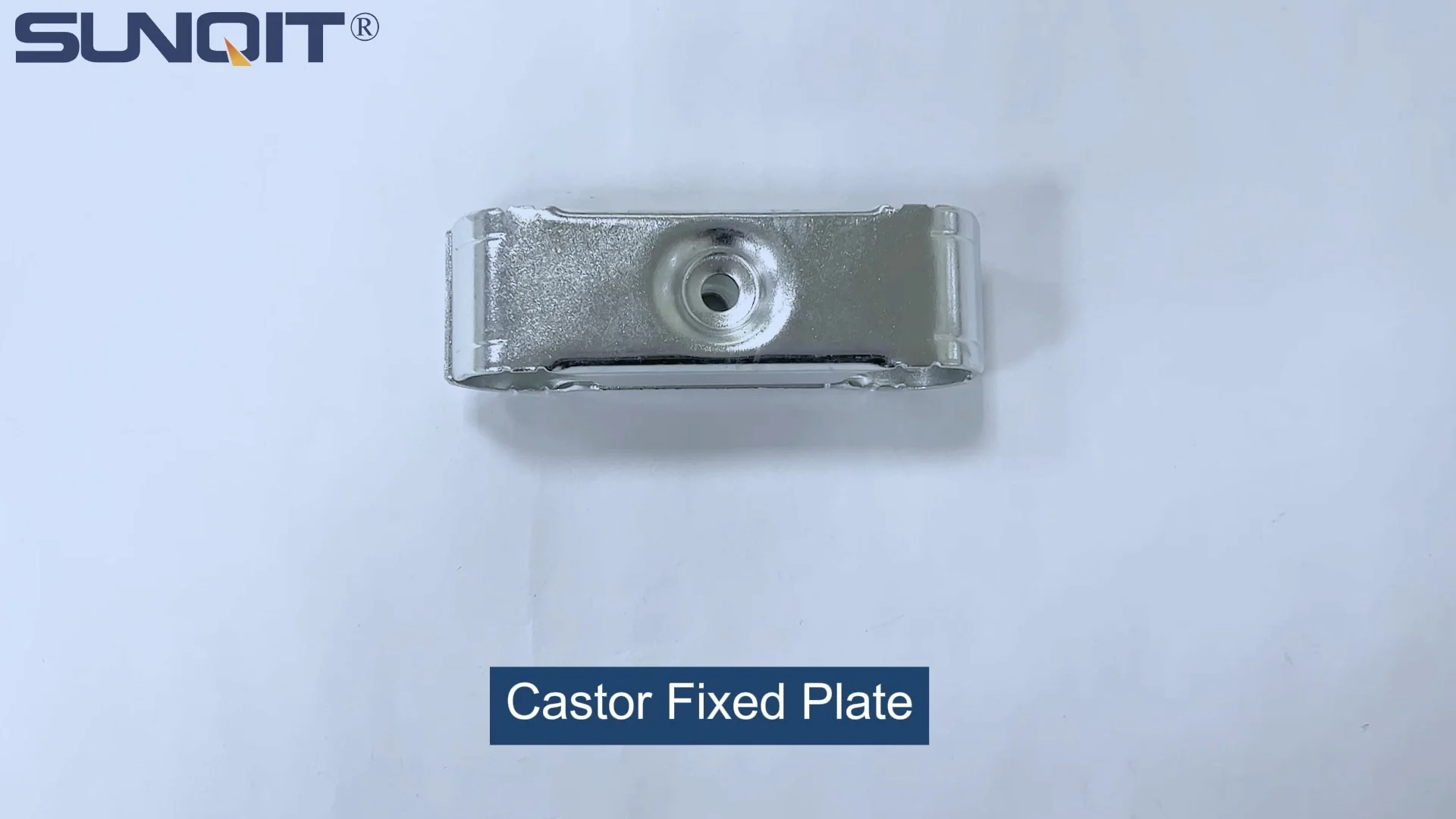
Castor fixed plate, used for castor installation, one castor need two pcs castor plate to fix under the workbench, flow rack, and hand trolley.
Castor Fixed Plate Rust Prevention: Tips for Humid Factory Environments
Walk into any busy factory, and you'll notice a symphony of movement: workbenches holding tools, turnover trolleys gliding across the floor, and material racks stacked with components. Behind this seamless flow are small but critical parts that often go unnoticed—until they fail. One such unsung hero? The caster fixed plate . These unassuming metal plates anchor casters to equipment, ensuring stability for workbenches, smooth mobility for trolleys, and overall efficiency in production lines. But in humid factory environments, where moisture hangs thick in the air like an unwelcome guest, these plates face a silent enemy: rust.
Rust isn't just a cosmetic issue. A rusted caster fixed plate weakens over time, turning a sturdy workbench into a wobbly hazard or a reliable turnover trolley into a stuck, immovable obstacle. In worst-case scenarios, it can lead to equipment downtime, production delays, and even safety risks for workers. So, how do you keep these vital components rust-free when humidity levels soar? Let's dive into the why, the impact, and the actionable strategies to protect your caster fixed plates—and your operations—in damp conditions.
Why Do Caster Fixed Plates Rust in Humid Factories?
To fight rust, we first need to understand it. Rust, or iron oxide, forms when iron-based metals react with oxygen and moisture. In dry environments, this process is slow—think of a metal bench left outdoors in the desert. But in factories with high humidity (think coastal areas, facilities near water, or spaces with poor ventilation), moisture in the air clings to metal surfaces, creating the perfect storm for corrosion.
Humidity isn't the only culprit. Factories often have additional factors that speed up rust: condensation from temperature fluctuations (e.g., hot machinery in a cool room), chemical fumes from cleaning agents or production processes, and even sweat or oils from workers' hands. Combine these with a caster fixed plate made of untreated steel, and you've got a recipe for rapid deterioration. Over time, what starts as a tiny orange spot can spread, eating away at the plate's structural integrity until it cracks or bends under pressure.
The Hidden Costs of Rusty Caster Fixed Plates
You might think, "A little rust never hurt anyone." But in a factory setting, "a little" can quickly turn into a big problem. Let's break down the impact:
Safety Risks: A rusted caster fixed plate can't hold casters securely. Imagine a worker pushing a loaded turnover trolley when the plate snaps—the trolley tips, spilling materials (or worse, injuring the worker). On a workbench, a loose caster could cause the bench to wobble, leading to tool accidents or damaged products.
Equipment Downtime: Rust doesn't just look bad—it jams casters. A trolley with seized casters grinds production to a halt while maintenance teams replace the fixed plate. In a fast-paced assembly line, even 30 minutes of downtime can cost thousands in lost output.
Replacement Costs: Constantly swapping out rusted plates adds up. Multiply the cost of a single caster fixed plate by dozens of workbenches and trolleys, and you're looking at unnecessary expenses that eat into your budget. Plus, replacing plates means diverting staff from other tasks, further draining productivity.
Reputation Damage: If rust spreads to visible parts of equipment (like the edges of a workbench), it sends a message to clients or auditors that your facility isn't well-maintained. In industries where cleanliness and precision matter—like electronics or pharmaceuticals—this can harm your brand.
5 Proven Strategies to Prevent Caster Fixed Plate Rust
The good news? Rust isn't inevitable. With the right mix of material choice, protective coatings, and proactive maintenance, you can keep your caster fixed plates strong and rust-free, even in the most humid factories. Here's how:
1. Start with the Right Material: Stainless Steel Leads the Way
Not all metals are created equal when it comes to rust resistance. While standard steel is cheap, it's a magnet for moisture. Instead, opt for stainless steel pipe series components, including caster fixed plates. Stainless steel contains chromium, which forms a thin, invisible layer of chromium oxide on the surface. This layer acts as a shield, blocking oxygen and moisture from reaching the iron beneath. Even in high humidity, stainless steel plates resist rust for years—making them a smart long-term investment.
For extra protection, choose 316-grade stainless steel over 304-grade if your factory deals with salt air (e.g., coastal locations) or chemical fumes. 316 adds molybdenum, boosting resistance to corrosive environments. Yes, stainless steel costs more upfront, but it pays for itself by reducing replacements and downtime.
2. Coat It to Beat It: Protective Finishes That Last
Even with stainless steel, an extra layer of protection never hurts. For non-stainless plates (or to extend the life of existing ones), apply a protective coating. Here are the top options:
| Coating Type | How It Works | Best For | Pros | Cons |
|---|---|---|---|---|
| Powder Coating | Dry powder is electrostatically applied, then baked to form a hard, even layer. | High-traffic areas (trolleys, workbenches) | Durable, scratch-resistant, available in colors | Requires professional application; chips if struck hard |
| Zinc Plating | Zinc is electroplated onto steel, acting as a sacrificial layer (zinc rusts before steel). | Indoor use with moderate humidity | Affordable, easy to apply, good for small parts | Thin layer; wears off in high-moisture areas |
| Epoxy Paint | Two-part epoxy forms a chemical bond with metal, sealing out moisture. | Outdoor storage or very humid rooms | Waterproof, chemical-resistant | Brittle in cold temperatures; needs reapplication every 2-3 years |
Pro tip: Before coating, sandblast the plate to remove existing rust and debris. A clean surface ensures the coating adheres properly—no gaps for moisture to sneak through.
3. Maintenance: The "Secret Sauce" of Rust Prevention
Even the best materials and coatings need a little TLC. Think of your caster fixed plates like a car—regular maintenance keeps them running smoothly. Here's a simple routine:
Weekly Wiping: Use a dry microfiber cloth to wipe down plates and casters. This removes condensation and dust that traps moisture. For greasy plates, use a mild detergent (avoid harsh chemicals that strip coatings) and dry thoroughly.
Lubrication: Apply a thin layer of silicone-based lubricant to caster joints and the edges of the fixed plate. Lubricant repels water and prevents rust from forming in tight spaces where moisture collects.
Monthly Inspections: Walk the factory floor and check plates for early rust spots (look for tiny orange specks). If you spot rust, treat it immediately: sand the area, apply a rust converter (turns rust into a stable compound), then touch up with paint or coating.
4. Control the Environment: Humidity, Meet Your Match
You can't change the weather, but you can control your factory's microclimate. Here's how to lower humidity and starve rust of its fuel:
Dehumidifiers: Invest in industrial dehumidifiers for damp areas (e.g., near water sources, basements). Aim for a humidity level of 40-50%—low enough to slow rust, high enough to prevent static electricity (a hazard in electronics production).
Ventilation: Open windows (if safe) or install exhaust fans to circulate air. Stagnant air traps moisture; moving air helps surfaces dry faster.
Cover Equipment: When not in use, cover trolleys and workbenches with waterproof tarps or plastic sheets. This shields plates from overnight condensation.
Moisture Absorbers: Place silica gel packs or calcium chloride containers near metal parts. These absorb excess moisture from the air, especially in storage rooms or closets.
5. Upgrade to Rust-Resistant Workbenches and Trolleys
Sometimes, prevention starts at the source: choosing equipment designed for humid environments. Look for workbench and turnover trolley and rack models that come with stainless steel caster fixed plates as standard. Many suppliers now offer "humidity-resistant" lines, where plates are pre-coated and casters are sealed to block moisture. While these cost more upfront, they save time and money in the long run by reducing maintenance and replacements.
For example, a stainless steel workbench with powder-coated fixed plates and sealed casters can withstand years of humid conditions without a hint of rust. Pair it with a turnover trolley built from the same materials, and you've created a rust-resistant workflow from start to finish.
Real-World Success: How One Factory Beat Rust
Let's put these strategies into context with a case study. A mid-sized electronics assembly plant in Florida (known for its sticky, humid summers) was struggling with rusted caster fixed plates on their production line workbenches and material trolleys. Every three months, they were replacing plates—costing $5,000 annually in parts and labor. After a near-accident with a tipping trolley, they decided to take action.
First, they swapped all steel fixed plates for stainless steel versions from a stainless steel pipe series supplier. Next, they added dehumidifiers to their main production floor, lowering humidity from 70% to 45%. Finally, they trained their maintenance team to inspect plates monthly and touch up any chipped coatings.
The results? In the first year, they replaced just two plates (down from 20+). Downtime related to caster issues dropped by 90%, and worker reports of "wobbly workbenches" vanished. The plant manager estimated the changes saved them $12,000 in the first year alone—proving that investing in rust prevention pays off.
Final Thoughts: Rust Prevention is a Team Effort
Rusty caster fixed plates might seem like a small problem, but they're a symptom of a larger issue: neglecting the details that keep your factory running. By combining smart material choices (stainless steel), protective coatings, regular maintenance, and environmental controls, you can keep these critical components strong and rust-free.
Remember, rust prevention isn't a one-time fix—it's an ongoing commitment. Train your team to spot early signs, invest in quality equipment, and stay proactive. Your workers, your budget, and your production line will thank you. After all, in manufacturing, the strongest operations are built on the smallest, sturdiest parts—including the ones you can't always see.