- Company Articles
- Products and Technology
- Product knowledge
- Castor Fixed Plate Size Chart: Matching Workbench E, Material Rack B & More

Castor Fixed Plate Size Chart: Matching Workbench E, Material Rack B & More
Related Product
Castor Fixed Plate
Castor fixed plate, used for castor installation, one castor need two pcs castor plate to fix under the workbench, flow rack, and hand trolley.
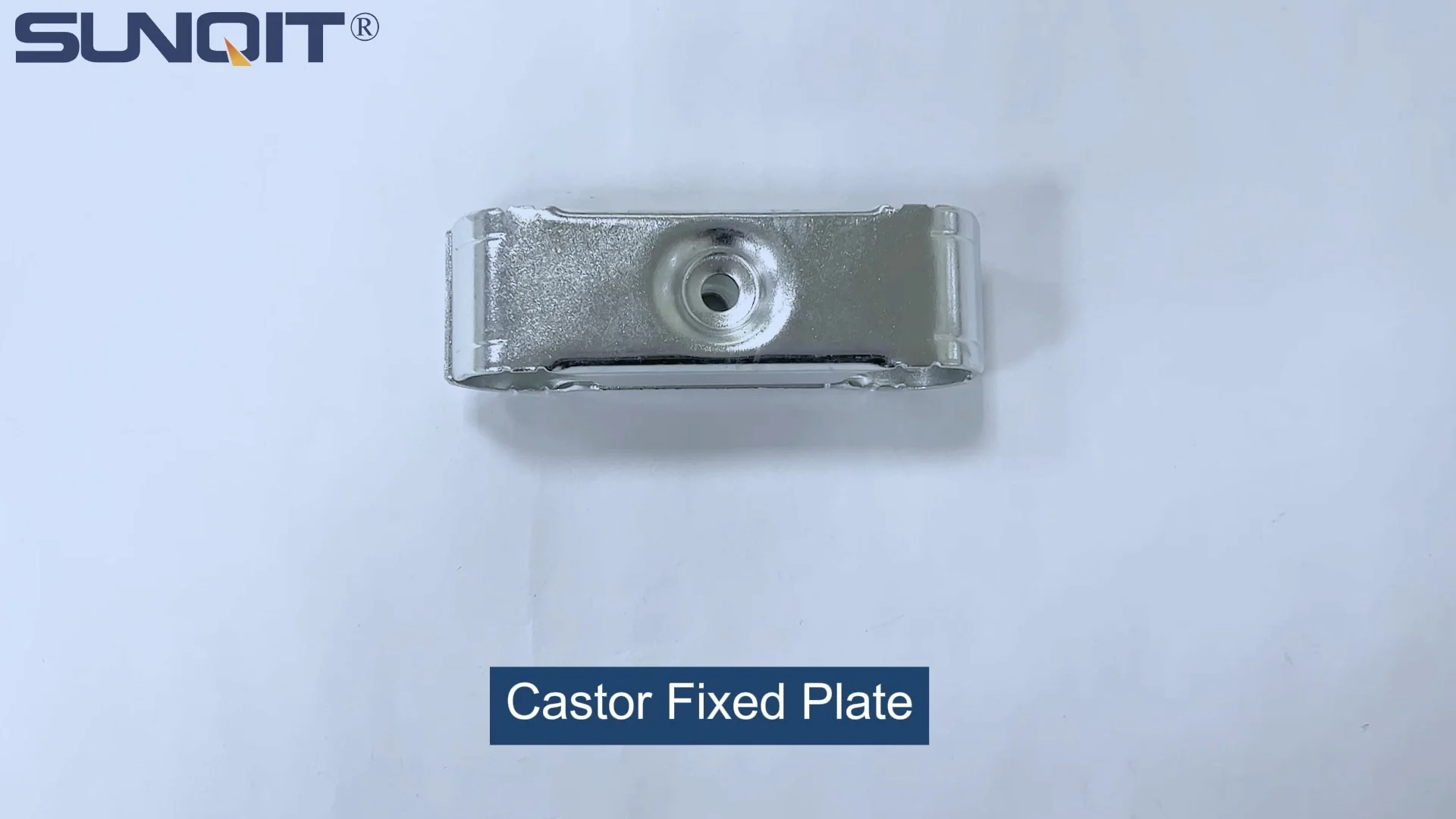
If you've ever spent hours assembling a workbench or setting up a material rack, only to find the casters wobble or the whole structure feels unstable, you know the frustration of mismatched parts. Among the most critical yet often overlooked components in industrial setups are caster fixed plates. These unassuming metal plates are the bridge between your equipment—like workbenches, racks, and trolleys—and the caster wheels that make them mobile. Get their size wrong, and you risk everything from reduced load capacity to safety hazards. In this guide, we'll break down why caster fixed plate sizing matters, share a comprehensive size chart for popular products like Workbench E and Material Rack B, and walk you through how to choose the right plates for your setup. Whether you're a warehouse manager retrofitting old racks or a small business owner building a new workstation, this is the ultimate resource to keep your operations rolling smoothly.
What Are Caster Fixed Plates, Anyway?
Before diving into sizes, let's clarify what a caster fixed plate is. Think of it as the "feet" of your caster system. These flat, often rectangular plates are bolted to the bottom of equipment (like workbenches or racks) and serve as the mounting base for caster wheels. They distribute the weight of the equipment and its load evenly across the caster wheels, preventing stress points that could bend or break components. Made from materials like steel, aluminum, or even reinforced plastic, fixed plates come in various thicknesses, lengths, and widths to match different equipment and load requirements. For example, a heavy-duty Material Rack B loaded with tools will need a thicker, larger fixed plate than a lightweight Workbench E used for small-scale assembly.
But why not just bolt the caster wheels directly to the equipment? Great question. Many industrial workbenches and racks—like the Workbench E (single deck-without caster) in our keyword list—don't come with pre-drilled holes for casters. Fixed plates solve this by providing a standardized mounting surface. They also add rigidity: without a fixed plate, the weight of the load might cause the equipment's legs to flex, leading to uneven rolling or even collapse. In short, caster fixed plates aren't optional extras—they're essential for safety, stability, and longevity.
Why Size Matching Matters: 3 Risks of Getting It Wrong
You might be tempted to grab the first fixed plate that fits your caster wheels, but size mismatches can lead to bigger problems than a wobbly cart. Here are three key risks:
1. Reduced Load Capacity: Fixed plates are engineered to handle specific weight limits based on their size and material. A plate that's too small or thin for the load will bend under pressure, causing the caster wheels to tilt. This not only makes the equipment hard to maneuver but also reduces the total weight it can safely carry. For example, if Workbench E is rated to hold 500 lbs, but you use a fixed plate only rated for 300 lbs, you're effectively limiting the workbench's capacity—even if the caster wheels themselves can handle more.
2. Safety Hazards: A mismatched fixed plate is a safety ticking time bomb. If the plate is too narrow, it might not cover the entire base of the equipment's leg, leading to uneven weight distribution. Over time, this can cause the equipment to tip over when cornering or hitting a bump. Worse, if the plate cracks or bends, the caster wheel could detach entirely, risking injury to anyone nearby. In busy warehouses, where equipment is moved constantly, this risk multiplies.
3. Premature Wear and Tear: Even if your equipment doesn't tip over, a poorly sized fixed plate will wear out components faster. For instance, a plate that's too short might cause the caster wheel's stem to bear more stress than intended, leading to stripped threads or broken axles. This means more frequent replacements, higher maintenance costs, and downtime for repairs—none of which are good for productivity.
Pro Tip: Check the Manufacturer's Specs First
Always start by checking the equipment's manual for recommended fixed plate sizes. Many manufacturers, like those supplying Workbench E or Material Rack B, provide exact measurements to ensure compatibility. If you've lost the manual, most suppliers list specs on their websites—just search for your product name (e.g., "Workbench E (single deck-without caster) specifications") to find the details.

The Ultimate Caster Fixed Plate Size Chart
To take the guesswork out of sizing, we've compiled a chart of recommended caster fixed plate sizes for popular industrial products. This data is based on manufacturer guidelines and real-world usage feedback from warehouses and workshops. Note that sizes may vary slightly by supplier, so always cross-check with your equipment's specs!
| Product Name | Recommended Fixed Plate Size (Length x Width x Thickness) | Compatible Caster Wheel Types | Max Load Capacity (Per Plate) | Material | Notes |
|---|---|---|---|---|---|
| Workbench E (single deck-without caster) | 100mm x 80mm x 5mm | Swivel caster wheel, rigid caster wheel | 300 lbs | Steel (zinc-plated) | Use 4 plates total (one per corner). Pre-drill 4 holes (M8 bolts recommended). |
| Material Rack B (3 row and 3 floor) | 150mm x 120mm x 8mm | Heavy-duty swivel caster wheel with brake | 800 lbs | Carbon steel | Requires 6 plates (2 per floor support). Thicker plate needed for vertical load distribution. |
| Turnover Trolley and Rack | 120mm x 100mm x 6mm | Polyurethane caster wheel (non-marking) | 500 lbs | Aluminum alloy | Lightweight but durable for frequent pushing/pulling in tight spaces. |
| Basic Aluminum Tube Workbench | 90mm x 70mm x 4mm | Small swivel caster wheel (2-inch) | 200 lbs | Aluminum (anodized) | Matches the aluminum frame's lightweight design. Avoid overloading—aluminum bends under excess weight. |
| Stainless Steel Pipe Series Rack | 140mm x 110mm x 7mm | Stainless steel swivel caster wheel | 700 lbs | Stainless steel 304 | Resists corrosion in damp environments (e.g., food processing, labs). |

Deep Dive: Matching Workbench E (Single Deck-Without Caster)
Let's zoom in on one of the most popular products: Workbench E (single deck-without caster). This versatile workbench is a staple in garages, workshops, and small factories, thanks to its simple design and customizable deck. But since it doesn't come with casters pre-installed, many users choose to add them for mobility—hence the need for caster fixed plates.
Workbench E typically measures around 1200mm x 600mm (length x width), with a steel or aluminum frame. Its single deck is ideal for light to medium tasks, like electronics assembly or tool storage. When adding casters, the key is to balance mobility with stability. A 100mm x 80mm x 5mm steel fixed plate is the sweet spot here: it's large enough to distribute the workbench's weight (around 100 lbs empty) plus tools/parts (up to 200 lbs total) without adding unnecessary bulk. The 5mm thickness ensures it won't bend under regular use, while the zinc plating resists rust in humid garages or workshops.
Pro tip for Workbench E owners: When installing fixed plates, use lock washers and thread-locking adhesive on the bolts. This prevents them from loosening as the workbench is moved around. Also, opt for swivel caster wheels with brakes if you need the workbench to stay put during use—just make sure the caster's mounting hole pattern lines up with the fixed plate's (most 100x80mm plates have 4 holes spaced 80mm apart lengthwise and 60mm widthwise).

Material Rack B (3 Row and 3 Floor): Heavy-Duty Sizing for Heavy Loads
If Workbench E is the "everyday driver" of workbenches, Material Rack B (3 row and 3 floor) is the "heavy hauler." This rack is designed to hold stacks of materials, tools, or finished products, with three rows and three floors offering ample storage. Unsurprisingly, its caster fixed plate needs are more demanding. A 150mm x 120mm x 8mm carbon steel plate is recommended here—nearly 50% larger in area and 60% thicker than Workbench E's plate.
Why the upgrade? Material Rack B can weigh over 200 lbs empty, and when fully loaded with 3 rows of tools or parts, total weight can hit 1500 lbs or more. The 8mm thickness and carbon steel material prevent the plate from warping under this stress, while the 150x120mm size spreads the load across the caster wheels' mounting points. We also recommend using heavy-duty swivel caster wheels with brakes for Material Rack B—look for wheels with a 3-inch diameter or larger to handle rough warehouse floors without getting stuck on cracks.
One common mistake with Material Rack B is skimping on plate quantity. Some users try to save money by using 4 plates instead of 6, but thiss weight on the rack's corners, leading to uneven wear and potential collapse. Always use 6 plates: two per floor support beam (front and back) to ensure even weight distribution.
Beyond the Basics: Caster and Accessories to Pair With Fixed Plates
Caster fixed plates don't work alone—they're part of a larger system that includes caster wheels, bolts, and accessories. To get the most out of your plates, you'll need to pair them with compatible components. Here are the essentials:
Caster Wheels: The "Tires" of Your System
The caster wheel is what actually touches the ground, so it's critical to match its mounting style to the fixed plate. Most fixed plates use "top plate" casters, where the wheel assembly bolts directly to the plate. For Workbench E, a 2-3 inch swivel caster wheel with a polyurethane tread works well—it's quiet, non-marking, and easy to push. For Material Rack B, opt for a 4-inch steel or cast iron wheel with a rubber tread to handle heavy loads and rough surfaces.
Bolts and Fasteners: Don't Skip the Hardware
Even the best fixed plate won't hold if you use cheap bolts. For steel plates, use grade 8.8 or higher bolts (M8 or M10, depending on plate thickness). Aluminum plates may require softer bolts (like stainless steel) to avoid stripping the threads. Always use washers to distribute pressure and prevent the bolt head from sinking into the plate. Pro tip: Apply anti-seize lubricant to bolts if you're installing plates in a humid environment—this makes future removal easier for maintenance.
Caster Accessories: Brakes, Locks, and More
Caster accessories can functionality. For example, adding a brake to your swivel caster wheel lets you lock the wheel in place, preventing accidental movement. If you need to move equipment up ramps, consider a caster with a side lock that locks both the wheel and the swivel action. Other useful accessories include dust covers (to keep debris out of wheel bearings) and stem extenders (if the fixed plate sits too high off the ground).
Avoid This Common Mistake: Mixing Plate Materials
Never mix steel fixed plates with aluminum caster wheels (or vice versa) in corrosive environments. The different metals can cause galvanic corrosion, where one metal corrodes faster when in contact with another. Stick to matching materials—e.g., steel plates with steel wheels, aluminum plates with aluminum wheels—or use plastic or rubber wheels as a barrier.
How to Measure for a Custom Fit: When the Chart Isn't Enough
What if your equipment isn't on the size chart? Maybe you have a custom-built workbench or an older rack with non-standard dimensions. Don't worry—measuring for a custom fixed plate is easier than you think. Here's how:
Step 1: Measure the equipment's base. Use a tape measure to find the length and width of the area where the fixed plate will mount. For a square leg, measure the leg's width and add 20mm on each side to ensure the plate extends beyond the leg (this prevents the leg from cracking the plate under load).
Step 2: Calculate the load per plate. Total weight of equipment + max load = total weight. Divide by the number of plates (usually 4 for workbenches, 6-8 for racks) to get the load per plate. Then, choose a plate thickness that can handle this: 3-4mm for under 200 lbs, 5-6mm for 200-500 lbs, 8mm+ for over 500 lbs.
Step 3: Check caster wheel mounting specs. Most caster wheels list the required fixed plate size (e.g., "Fits 100x80mm plates"). If you already have wheels, match the plate to the wheel's specs. If not, pick the plate first, then find wheels with a compatible mounting pattern.
Step 4: Test for fit. If possible, buy one plate first and test-mount it. Check that the plate sits flat against the equipment, the holes align, and there's no overhang that could catch on floors or debris. Better to spend a little extra on a test plate than to order 10 and realize they're too small!
Installation 101: Putting It All Together
You've got the right fixed plates, caster wheels, and bolts—now it's time to install them. Follow these steps for a secure, wobble-free setup:
1. Prep the equipment. Flip the workbench or rack upside down (use a helper for heavy items!). Clean the mounting area with a cloth to remove dirt or rust—this ensures the plate sits flush.
2. Mark the hole positions. Place the fixed plate on the equipment's base. Use a pencil to mark the bolt holes, then drill pilot holes (slightly smaller than your bolts) to prevent splitting the equipment's frame.
3. Attach the plate. Line up the plate with the pilot holes and secure it with bolts, washers, and nuts. Tighten the bolts evenly (alternating corners) to avoid warping the plate. For steel plates, use a torque wrench to tighten bolts to the manufacturer's specs (usually 25-30 Nm for M8 bolts).
4. Mount the caster wheels. Once all plates are attached, bolt the caster wheels to the plates. Again, tighten evenly—over-tightening can crack the plate or strip threads.
5. Test and adjust. Flip the equipment right-side up and give it a push. It should roll smoothly without wobbling. If it leans to one side, check that all plates are tight and the wheels are aligned. Adjust brakes (if applicable) to ensure they hold the equipment in place when engaged.
Maintenance: Keeping Your Fixed Plates (and Wheels) Rolling
Even the best caster fixed plates need a little TLC to last. Here's how to maintain them:
Inspect regularly: Check plates for cracks, bends, or rust every 3 months (more often in wet or dusty environments). Tighten loose bolts immediately—vibration from movement can loosen them over time.
Lubricate moving parts: While fixed plates themselves don't move, the caster wheels and swivel joints do. Apply lubricant (like lithium grease) to wheel bearings and swivel mechanisms every 6 months to reduce friction.
replace worn plates: If a plate is bent, cracked, or heavily rusted, replace it ASAP. A damaged plate can't distribute weight properly, putting your equipment and workers at risk.
Clean wheels and plates: Sweep or vacuum debris from wheels and plates regularly. Hair, string, or small tools can get caught in wheels, causing them to jam and stress the fixed plate.
Final Thoughts: Size Right, Roll On
Caster fixed plates might not be the most glamorous part of your industrial setup, but they're the unsung heroes keeping your equipment mobile and safe. By matching the right plate size to products like Workbench E and Material Rack B, you'll avoid costly mistakes, reduce downtime, and ensure your operations run like a well-oiled machine. Remember: measure twice, buy once, and always prioritize quality over cost—investing in a sturdy steel plate today will save you from replacing bent equipment tomorrow. Now go out there and get rolling!