- Company Articles
- Products and Technology
- Installation And Maintenance
- Castor Fixed Plate Troubleshooting: Solving Alignment Issues on Racks

Castor Fixed Plate Troubleshooting: Solving Alignment Issues on Racks
Related Product
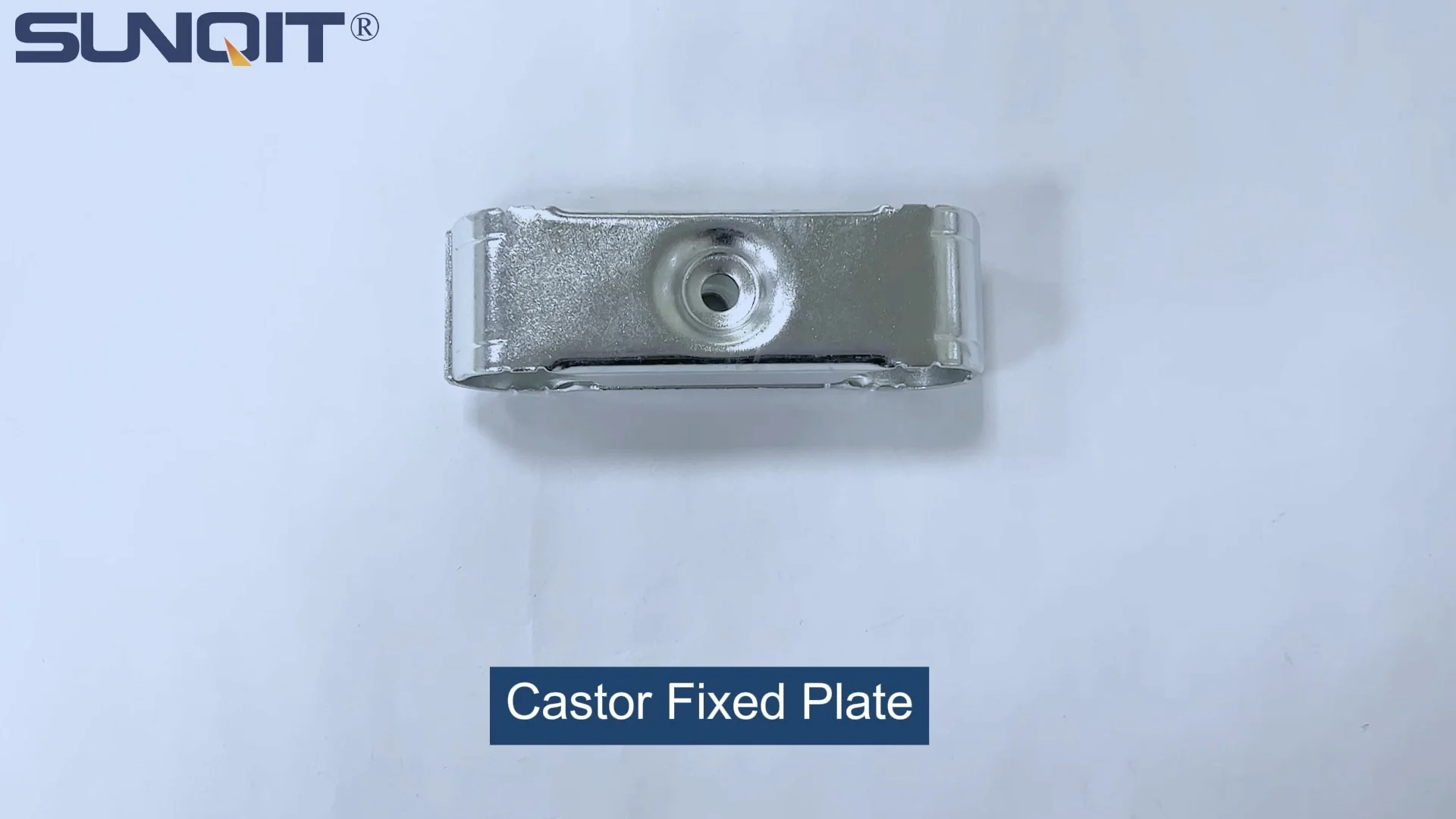
Castor Fixed Plate
Castor fixed plate, used for castor installation, one castor need two pcs castor plate to fix under the workbench, flow rack, and hand trolley.
Imagine walking through a busy warehouse—pallets gliding smoothly on material racks, turnover trolleys zipping between workbenches, and assembly lines humming with efficiency. Behind this seamless operation lies a web of small, often overlooked components that keep everything moving: caster wheels, roller tracks, and perhaps most critically, castor fixed plates. These unassuming metal plates are the unsung heroes securing casters to racks, ensuring stability, alignment, and safe mobility. But when they misalign? Suddenly, that smooth workflow grinds to a halt. Racks wobble, casters wear unevenly, and the risk of accidents skyrockets. In this guide, we'll dive into the world of castor fixed plate troubleshooting, focusing on alignment issues that plague racks, why they happen, and how to fix them—because in a lean system, even the smallest component can make or break productivity.
What Are Castor Fixed Plates, and Why Do They Matter?
Before we jump into troubleshooting, let's get clear on what a castor fixed plate is. Simply put, it's a flat, rigid metal plate (often steel or aluminum) designed to attach caster wheels to the base of equipment like racks, workbenches, or turnover trolleys. Think of it as the bridge between the caster and the rack: it distributes weight evenly, keeps the caster aligned vertically and horizontally, and prevents the wheel from detaching during use. Without a properly functioning castor fixed plate, even the sturdiest caster becomes a liability.
Why does alignment matter so much? For starters, safety. A misaligned castor fixed plate can cause a rack to drift, tip, or even collapse—endangering workers and damaging inventory. Then there's efficiency: unevenly aligned casters force employees to push harder, slow down workflows, and increase wear on both the caster and the floor. Over time, this leads to higher maintenance costs and unplanned downtime. In industries where every second counts—manufacturing, logistics, or assembly—these issues aren't just inconveniences; they're threats to profitability.
Castor fixed plates come in various sizes and materials, tailored to different loads and environments. For example, stainless steel plates might be used in food processing facilities to resist corrosion, while aluminum plates offer lightweight strength for mobile workbenches. But regardless of the material, their core job remains the same: keep the caster straight, secure, and ready to roll.
Common Alignment Issues with Castor Fixed Plates on Racks
Alignment problems with castor fixed plates rarely happen overnight. They're often the result of wear, improper installation, or (neglect) of small issues that snowball into bigger ones. Let's break down the most frequent culprits:
1. Misalignment: When the Caster Isn't "Straight"
The most obvious issue is misalignment, where the caster wheel sits at an angle relative to the rack—think of a shopping cart wheel that wobbles because it's not pointing straight. Symptoms include:
- Racks drift to one side when pushed, requiring extra force to keep them on track.
- Uneven wear on caster wheels (one side of the wheel is significantly more worn than the other).
- Squeaking or grinding noises as the misaligned caster rubs against the rack or floor.
What causes this? Often, it's improper installation. If the castor fixed plate isn't mounted square to the rack's base during setup, the caster will naturally lean. Over time, impacts—like a rack slamming into a wall or another trolley—can also jolt the plate out of alignment. Loose mounting bolts are another culprit: as bolts wiggle free, the plate shifts, throwing the caster off-kilter.
2. Loose Mounting: When the Plate Starts to "Wiggle"
A castor fixed plate is only as strong as its connection to the rack. When the bolts or nuts securing the plate to the rack loosen, the plate itself becomes unstable. Symptoms here are hard to miss:
- The plate moves up and down or side to side when you shake the rack.
- Casters tilt or swivel unexpectedly, even on rigid caster models.
- Visible gaps between the plate and the rack's base.
Why do bolts loosen? Vibration is a major factor. Every time the rack rolls over a bump or vibrates during use, the bolts can "walk" out of their threads. Poorly torqued bolts (either too loose or overtightened, which strips threads) are another issue. In some cases, the mounting holes in the plate or rack may become stripped, making it impossible to get a tight fit—especially if the plate is made of soft aluminum and paired with a heavy steel rack.
3. Uneven Weight Distribution: When the Plate Warps
Castor fixed plates are designed to handle specific weight loads. When a rack is overloaded or loaded unevenly, the plate can bend or warp, throwing off alignment. Symptoms include:
- The rack leans to one side, even when stationary.
- Castors lift off the ground on one end (you can slide a finger under the wheel).
- Visible bending or twisting of the plate itself (check for curvature along the edges).
This often happens when racks are used to store heavier items than their rated capacity—for example, stacking 500kg of materials on a rack designed for 300kg. Or, if the load is concentrated on one side (e.g., all boxes stacked on the left), the plate will flex under the uneven pressure. Over time, this warping becomes permanent, making realignment nearly impossible without replacing the plate.
4. Corrosion and Physical Damage
Racks live in tough environments—warehouses with high humidity, factories with chemical spills, or outdoor storage areas exposed to rain. Over time, castor fixed plates can rust, crack, or bend, (undermining) their structural integrity. Symptoms of damage include:
- Rust spots or pitting on the plate's surface (especially around bolt holes).
- Cracks or chips along the plate's edges or mounting holes.
- Bent or deformed plate corners (often from impacts with forklifts or other equipment).
Corrosion weakens the metal, making the plate more prone to bending or snapping under load. Physical damage, like a forklift bumping the rack, can bend the plate out of shape or shear off bolt heads entirely. In extreme cases, a corroded plate might even snap, causing the caster to detach mid-use—a disaster waiting to happen.
5. Incompatible Components
Not all castor fixed plates are created equal. Using a plate that's too small, too thin, or designed for a different caster/rack type is a recipe for alignment issues. For example:
- A plate with a 4-inch bolt pattern paired with a caster that requires 5-inch spacing will never align properly.
- Using a lightweight aluminum plate on a heavy steel rack will cause the plate to warp under the load.
- Mixing metric and imperial components (e.g., M10 bolts with 3/8-inch holes) leads to loose fits and stripped threads.
This issue is surprisingly common, especially in facilities that source parts from multiple suppliers or reuse old components. A "close enough" mindset here leads to constant alignment headaches down the line.

Troubleshooting Alignment Issues: Step-by-Step Solutions
Now that we've identified the problems, let's fix them. Below is a step-by-step guide to troubleshooting the most common castor fixed plate alignment issues on racks. We'll start with the simplest fixes and move to more complex solutions.
Step 1: Inspect for Loose Bolts and Tighten Them
Loose bolts are the #1 cause of alignment issues, so start here. You'll need a wrench or socket set (match the bolt size—common sizes are M8, M10, or 5/16-inch), a level, and a wire brush (to clean rusty bolts). Here's how:
- Safely secure the rack: Lock the caster brakes (if equipped) or block the wheels with chocks to prevent movement.
- Check all mounting bolts: There are usually 4-6 bolts holding the castor fixed plate to the rack. Gently wiggle each bolt—if it moves, it's loose.
- Clean and tighten: Use the wire brush to remove rust or debris from bolt heads. Then, tighten each bolt in a crisscross pattern (like tightening lug nuts on a car) to ensure even pressure. Avoid overtightening—stripping threads is worse than a loose bolt!
- Test for movement: After tightening, shake the rack gently. If the plate still moves, the bolts may be stripped, or the plate itself is warped (see Step 2).
Step 2: Realign a Misaligned Plate
If tightening bolts doesn't fix the drift or wobble, the plate is likely misaligned. To realign it:
- Loosen the bolts slightly: Don't remove them—just loosen enough to allow the plate to shift (about 1/4 turn).
- Use a level: Place a spirit level vertically against the caster wheel to check if it's plumb (straight up and down). Then, place the level horizontally across the plate to ensure it's flush with the rack's base.
- Adjust the plate: Gently tap the plate with a rubber mallet to shift it into position. If it's stuck, check for debris under the plate (dirt, rust, or old paint) and scrape it away.
- Retighten and test: Once aligned, retighten the bolts in a crisscross pattern. Push the rack back and forth—if it rolls straight without drifting, you're good to go!
Pro tip: If the plate is bent (not just misaligned), you may need to replace it. Bent plates rarely hold alignment long-term, even after adjustment.
Step 3: Fix Warped or Damaged Plates
Warped or cracked plates are beyond repair—they need to be replaced. Here's how to do it:
- Remove the old plate: Support the rack with a jack or blocks to take weight off the caster. Then, remove the mounting bolts and slide the plate out from under the caster.
- Measure for a replacement: Note the plate's dimensions (length, width, thickness), bolt hole pattern (distance between holes), and material (steel, aluminum, stainless steel). Check the rack's manual or contact the supplier for specs—using the wrong plate is how you ended up here!
- Install the new plate: Clean the rack's base with a wire brush to remove rust or debris. Place the new plate, align the bolt holes, and insert new bolts (always use new bolts—old ones may be stretched or corroded). Tighten in a crisscross pattern to the manufacturer's torque specs (usually 25-35 ft-lbs for steel plates).
- Test alignment: Use the level again to ensure the new plate is straight. Roll the rack to confirm smooth movement.
Step 4: Address Corrosion
For minor rust (surface pitting, no cracks), you can clean and protect the plate. For severe corrosion (holes, flaking metal), replace it immediately. To clean rust:
- Scrub with a wire brush: Remove loose rust and debris from the plate and bolt holes.
- Treat with rust remover: Apply a commercial rust remover (like naval jelly) and let it sit for 10-15 minutes. Scrub again to remove remaining rust.
- Prime and paint: Apply a rust-inhibiting primer, followed by a coat of industrial enamel paint. This won't fix alignment, but it will prevent further corrosion.
Step 5: Resolve Incompatible Components
If the issue is incompatible parts, the solution is simple: replace them with matching components. Check the caster's manual for the required plate size and bolt pattern, then match it to the rack's specifications. When in doubt, buy a caster-and-plate kit from the same supplier—this ensures they're designed to work together.

Quick Reference: Troubleshooting Table for Castor Fixed Plate Alignment
| Issue | Symptoms | Common Causes | Quick Fix |
|---|---|---|---|
| Misalignment | Rack drifts, uneven caster wear, squeaking | Improper installation, impacts, loose bolts | Loosen bolts, align with a level, retighten |
| Loose Mounting | Plate wiggles, caster tilts, gaps between plate and rack | Vibration, under-tightened bolts, stripped threads | Tighten bolts (replace if stripped), use thread locker |
| Warped Plate | Rack leans, caster lifts off ground, visible bending | Overloading, uneven weight distribution | replace the plate with a higher-load-rated model |
| Corrosion/Damage | Rust, cracks, bent edges, loose caster | Humidity, chemical exposure, impacts | Clean minor rust; replace severely damaged plates |
| Incompatible Parts | Bolts won't tighten, plate too small/big, caster misaligns | Mismatched bolt patterns, wrong material/load rating | replace with matching caster, plate, and bolts |

Preventing Alignment Issues: Proactive Maintenance Tips
Fixing alignment issues is important, but preventing them is even better. Here are some proactive steps to keep your castor fixed plates (and racks) in top shape:
1. Inspect Regularly
Add castor fixed plates to your weekly maintenance checklist. Look for loose bolts, rust, cracks, or misalignment. A 5-minute check per rack can save hours of downtime later. Make it a team effort—train floor workers to report wobbling racks or squeaky casters immediately.
2. Use the Right Parts
When replacing plates or casters, stick to the manufacturer's specs. If you're unsure, ask your supplier for guidance. For example, a material rack B (3 row and 3 floor) might require a heavier plate than a lightweight workbench. Using quality components—like stainless steel plates for wet areas or aluminum plates for mobile workbenches—pays off in longevity.
3. Torque Bolts Properly
Overtightening strips threads; under-tightening leads to looseness. Invest in a torque wrench and follow the supplier's torque recommendations (usually printed on the plate or in the rack manual). For extra security, apply a thread locker (like Loctite) to bolts—this prevents vibration-induced loosening.
4. Keep Floors Clean and Level
Uneven or debris-covered floors force casters (and plates) to work harder. Sweep regularly to remove dirt, and repair cracks or potholes in concrete. For outdoor or uneven areas, consider using casters with larger wheels or shock-absorbing plates to reduce stress on the fixed plate.
5. Train Your Team
Educate employees on proper rack use: no overloading, no dragging racks sideways (which stresses plates), and reporting issues immediately. A quick "this rack is wobbling" from a line worker can prevent a costly breakdown later.
The Bottom Line: Alignment = Efficiency + Safety
Castor fixed plates might seem like small potatoes in the grand scheme of warehouse operations, but they're the foundation of safe, efficient material handling. A misaligned plate isn't just a nuisance—it's a ticking time bomb. By understanding the common issues, fixing them promptly, and preventing future problems, you'll keep your racks rolling smoothly, your team safe, and your lean system running at peak performance. Remember: in the world of logistics, the best workflows are built on the smallest details. And when it comes to castor fixed plates, alignment is everything.