- Company Articles
- Products and Technology
- Product knowledge
- Castor Fixed Plate vs. Flange Plate: Choosing for Conveyor Systems

Castor Fixed Plate vs. Flange Plate: Choosing for Conveyor Systems
Related Product
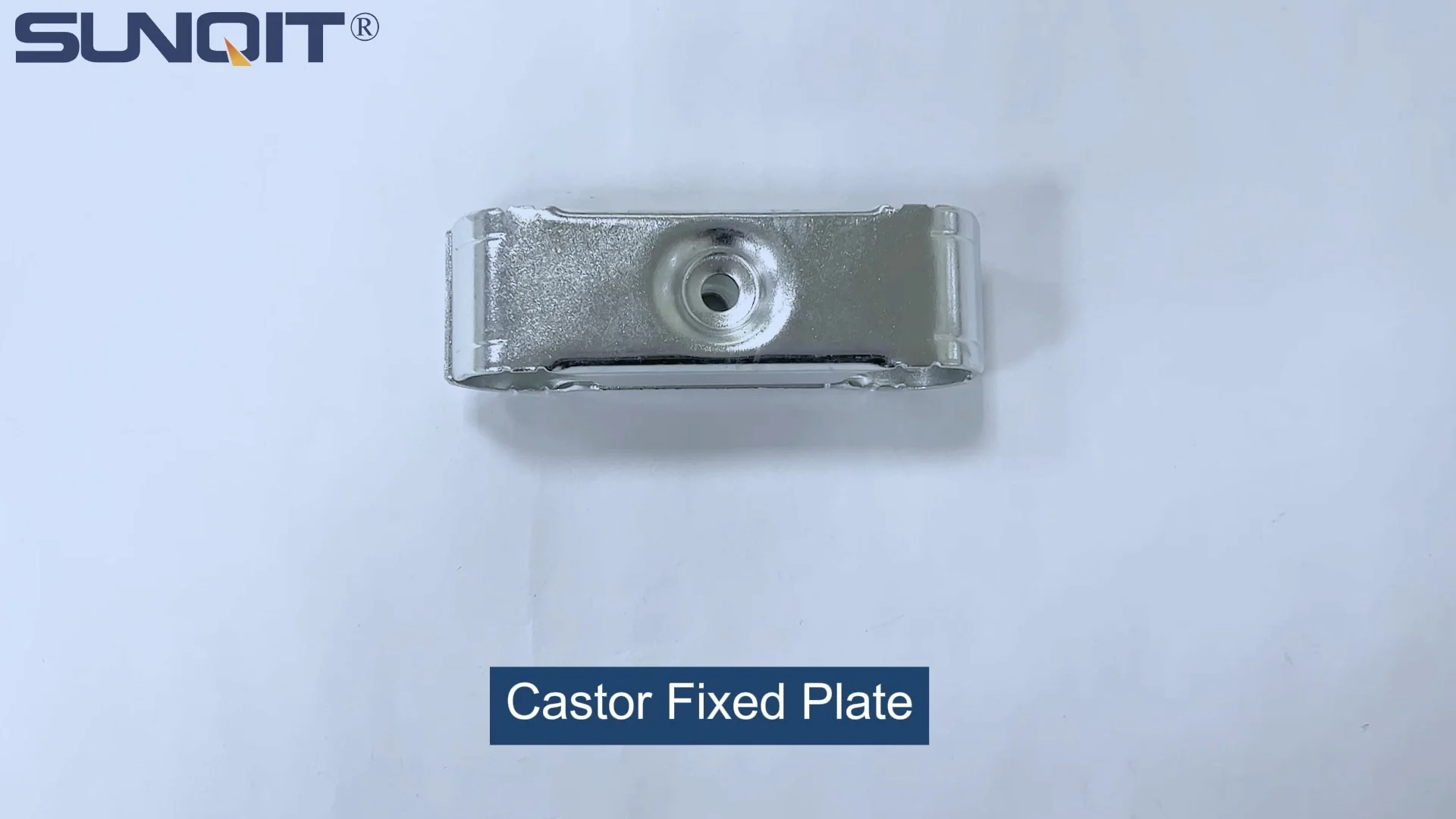
Castor Fixed Plate
Castor fixed plate, used for castor installation, one castor need two pcs castor plate to fix under the workbench, flow rack, and hand trolley.
In the bustling world of manufacturing, warehousing, and logistics, conveyor systems are the unsung heroes that keep operations moving. They're the silent workhorses that transport everything from tiny electronic components to heavy pallets, ensuring that production lines stay efficient and deadlines are met. But behind every smooth-running conveyor lies a web of small but critical components—parts that might not grab headlines but make all the difference in performance, safety, and longevity. Today, we're zooming in on two such components: the castor fixed plate and the flange plate. These unassuming pieces of hardware play pivotal roles in how conveyors are built, operate, and adapt to changing needs. Whether you're setting up a new roller track in a warehouse, integrating a conveyor with a workbench, or upgrading an existing system, understanding the differences between these two plates is key to making informed decisions. Let's dive in.
Conveyor Systems 101: Why Components Matter
Before we compare castor fixed plates and flange plates, let's take a moment to appreciate why conveyor systems are so vital—and why the parts that hold them together matter. Conveyors are more than just moving belts or rollers; they're complex systems designed to streamline material flow, reduce manual labor, and minimize errors. A well-designed conveyor can cut down on downtime, lower operational costs, and even improve workplace safety by reducing the need for heavy lifting.
But here's the thing: a conveyor is only as strong as its weakest link. A loose bolt, a misaligned roller, or a faulty mounting plate can throw the entire system off-kilter. That's where components like castor fixed plates and flange plates come into play. They're the "glue" that holds critical parts in place, ensuring that moving parts stay aligned, loads are distributed evenly, and the system can handle the demands of daily use. Whether you're working with a simple roller track for light packages or a heavy-duty conveyor for industrial parts, choosing the right plate for the job can mean the difference between a system that runs like clockwork and one that's constantly breaking down.
To set the stage, let's outline the two stars of our show. Castor fixed plates are part of the broader family of caster accessories, designed to secure casters (wheels) to the base of equipment—including conveyors that need mobility. Flange plates , on the other hand, are flat, rigid plates with pre-drilled holes, often used to mount stationary components like motors, roller tracks, or support brackets to conveyor frames, which are frequently made from aluminum profile for its lightweight and modular properties. While they might seem similar at first glance (both are metal plates, after all), their designs, functions, and ideal use cases are worlds apart. Let's break them down.
Castor Fixed Plates: The Backbone of Mobile Conveyors
What Are Castor Fixed Plates?
Imagine a conveyor that needs to be moved from one part of the factory to another—a mobile workbench with an attached mini-conveyor, for example. To make that mobility possible, you need casters (wheels) that can support the conveyor's weight and roll smoothly. But casters don't just magically attach themselves to the conveyor frame: they need a stable base to bolt onto. That's where castor fixed plates come in. These are flat, sturdy plates—usually made from steel or aluminum—that serve as a bridge between the caster and the equipment. One side of the plate bolts to the caster's mounting hole pattern, and the other side attaches to the conveyor's frame (often an aluminum profile, thanks to its T-slot design that makes installation a breeze).
Think of castor fixed plates as the "feet" of a mobile conveyor. Without them, casters would wobble, loosen, or even detach under load—creating a safety hazard and a maintenance nightmare. A well-designed castor fixed plate distributes the conveyor's weight evenly across the caster, reduces vibration during movement, and ensures that the caster remains aligned, even when rolling over uneven floors.
Design and Material Options
Castor fixed plates come in a variety of shapes and sizes, but most share a few key features: a flat, rectangular or square base with pre-drilled holes (to match standard caster hole patterns) and additional holes or slots for attaching to the conveyor frame. The material used depends on the application. For light-duty conveyors (like those used in small workshops or labs), aluminum plates are popular—they're lightweight, corrosion-resistant, and easy to drill or modify. For heavy-duty applications (think industrial conveyors moving metal parts), steel plates are the go-to; they're stronger, more durable, and can handle higher loads without bending or warping.
Some castor fixed plates also include rubber or plastic padding to dampen noise and vibration, which is especially useful in environments where noise levels need to be kept low (like offices adjacent to warehouses) or where delicate items are being transported (like electronics on a workbench conveyor). Others might have reinforced edges or gussets (triangular supports) to add extra strength, making them ideal for conveyors that carry irregularly shaped or unbalanced loads.
Pros and Cons
Pros:
- Mobility: The biggest advantage of castor fixed plates is that they enable conveyor mobility. This is a game-changer for facilities that need flexibility—for example, a warehouse that reconfigures its layout seasonally or a manufacturing plant that uses the same conveyor for multiple production lines.
- Easy Installation: Most castor fixed plates are designed to work with standard caster hole patterns and aluminum profile frames, which means they can be installed with basic tools (a drill, bolts, and a wrench) in minutes.
- Load Distribution: By spreading the conveyor's weight across the caster, these plates reduce stress on individual bolts and caster components, extending their lifespan.
Cons:
- Added Height: Castor fixed plates add a small amount of height to the conveyor, which might be an issue in tight spaces with low ceilings or when integrating with other equipment (like a fixed workbench that needs to align with the conveyor's height).
- Limited to Mobile Systems: If your conveyor is meant to be stationary, castor fixed plates are unnecessary and would just add extra weight and cost.
- Maintenance Needs: While durable, the bolts attaching the plate to the caster and frame can loosen over time (especially with frequent movement), so regular inspections and tightening are a must.
Real-World Applications
Where might you find castor fixed plates in action? Let's look at a few examples:
- Mobile Workbench Conveyors: Many workshops use workbenches with built-in conveyors to move parts from one station to the next. By adding casters with fixed plates, these workbenches can be rolled to where they're needed most—say, from the assembly line to the packaging area—without disconnecting the conveyor.
- Temporary Event Conveyors: At trade shows or outdoor events, temporary conveyors are often used to move materials (like boxes of merchandise or food supplies). Castor fixed plates make it easy to set up, move, and take down these conveyors quickly.
- Small-Part Sorting Systems: In warehouses that handle small items (like e-commerce fulfillment centers), mobile conveyors with castor fixed plates are used to sort packages by destination. Operators can move the conveyor to different sorting stations as needed, improving efficiency.

Flange Plates: The Foundation of Stationary Conveyor Stability
What Are Flange Plates?
Now, let's shift gears to flange plates. If castor fixed plates are all about mobility, flange plates are about stability. These are flat, rigid plates—typically made from steel, aluminum, or even stainless steel (for corrosion resistance)—used to mount stationary components to conveyor frames. Unlike castor fixed plates, which attach to moving parts (casters), flange plates are designed to secure non-moving parts: think motors, gearboxes, roller track supports, or even the conveyor frame itself to the floor or a fixed structure.
Picture a long roller track in a warehouse, used to move pallets from the loading dock to storage. The roller track needs to be perfectly aligned to prevent pallets from jamming or tipping over. Flange plates are used here to mount the roller track to the aluminum profile frame, ensuring that each section of track stays in place, even under the weight of heavy pallets. They might also be used to attach the frame to the floor, preventing the entire conveyor from shifting during operation.
Design and Material Options
Flange plates are all about precision. They're usually flat and rectangular, with a grid of pre-drilled holes that align with standard mounting patterns for motors, roller tracks, or frame components. The holes are often tapped (threaded) to accept bolts, making installation straightforward. Like castor fixed plates, materials vary by application: aluminum for light-duty, steel for heavy-duty, and stainless steel for environments with moisture or chemicals (like food processing plants or outdoor conveyors).
One key design feature of flange plates is their thickness. Thicker plates (1/4 inch or more) are used for high-load applications, as they resist bending under stress. Thinner plates (1/8 inch or less) are sufficient for light loads, like mounting a small motor to a conveyor frame. Some flange plates also have countersunk holes, which allow bolts to sit flush with the plate's surface, preventing snags or interference with moving parts (like the rollers on a roller track).
Pros and Cons
Pros:
- Stability: Flange plates create a rigid connection between components, reducing movement, vibration, and misalignment. This is critical for conveyor systems that need to operate smoothly and consistently (like a roller track moving fragile goods).
- Versatility: They can be used to mount almost any stationary component—motors, sensors, guards, roller tracks, or even the conveyor frame to the floor. This makes them a staple in conveyor design.
- Durability: Made from tough materials, flange plates are built to last. They resist wear, corrosion (if using stainless steel or aluminum), and can handle years of heavy use without deforming.
Cons:
- Fixed Position: Once a flange plate is bolted down, moving the component it's mounting is difficult. This lack of flexibility is a non-issue for stationary conveyors but a dealbreaker for mobile systems.
- Weight: Steel flange plates can add significant weight to the conveyor frame, which might increase shipping costs or require stronger support structures (like reinforced floors).
- Precision Installation: To work effectively, flange plates need to be installed perfectly level and aligned. A slight misalignment can cause components (like roller tracks) to bind or wear unevenly, leading to jams or premature failure.
Real-World Applications
Flange plates are everywhere in stationary conveyor systems. Here are a few common scenarios:
- Roller Track Mounting: In warehouses, roller tracks are used to move boxes or totes along a fixed path. Flange plates secure the roller track to the aluminum profile frame, ensuring that each roller is aligned and the track doesn't shift under load. Without flange plates, the roller track might sag or twist, causing items to get stuck.
- Motor and Gearbox Mounts: Conveyors powered by motors rely on flange plates to secure the motor and gearbox to the frame. The plates ensure that the motor's drive shaft stays aligned with the conveyor's rollers or belt, preventing slippage and maximizing power transfer.
- Conveyor Supports: Long conveyors often need intermediate supports to prevent sagging. Flange plates attach these supports to the floor or ceiling, distributing the conveyor's weight evenly and keeping the system stable.

Castor Fixed Plate vs. Flange Plate: A Head-to-Head Comparison
| Feature | Castor Fixed Plate | Flange Plate |
|---|---|---|
| Primary Function | Secures casters to conveyor frames for mobility | Mounts stationary components (rollers, motors, supports) to frames |
| Material Options | Aluminum (light-duty), steel (heavy-duty), stainless steel (corrosion-resistant) | Aluminum (light-duty), steel (heavy-duty), stainless steel (corrosion-resistant) |
| Load Capacity | Medium to high (depends on material; steel plates handle 500+ lbs per caster) | High to very high (steel plates can handle 1,000+ lbs for motor mounts) |
| Installation | Simple; bolts to caster and frame (often aluminum profile T-slots) | Requires precision alignment; bolts to component and frame (may need leveling) |
| Mobility | Enables conveyor movement | Limits movement (fixed position) |
| Common Applications | Mobile workbench conveyors, temporary event systems, small-part sorting conveyors | Roller track mounting, motor/gearbox mounts, conveyor supports |
| Pros | Enables flexibility, easy to install, reduces caster vibration | Provides stability, versatile, durable, reduces component misalignment |
| Cons | Adds height, unnecessary for stationary systems, requires regular bolt checks | Limits mobility, heavy (steel), requires precise installation |

How to Choose: Key Factors to Consider
Now that we've broken down the differences, how do you decide which plate to use in your conveyor system? Here are the key factors to consider:
1. Mobility Needs
The first question to ask is: Does your conveyor need to move? If yes, castor fixed plates are a must. If the conveyor will stay in one place forever, flange plates are the way to go. It's that simple. For example, a conveyor in an automotive factory that moves car parts from welding to painting is likely fixed (flange plates), while a conveyor in a small bakery that needs to be rolled out for weekend markets would use castor fixed plates.
2. Load Capacity
Next, consider the weight the plate will need to support. Castor fixed plates are rated for the load per caster, so if your conveyor weighs 1,000 lbs and uses four casters, each plate (and caster) should handle at least 250 lbs. Flange plates, on the other hand, need to support the weight of the component they're mounting plus any dynamic loads (like a motor starting or stopping). For heavy motors or roller tracks carrying steel beams, opt for thick steel flange plates to avoid bending.
3. Environment
Where will the conveyor be used? In wet or corrosive environments (like a seafood processing plant), stainless steel plates are a must—both castor fixed and flange plates made from stainless steel resist rust and corrosion. In dry, indoor settings (like a electronics workshop), aluminum plates are lighter and more cost-effective. If noise is a concern, look for castor fixed plates with rubber padding or flange plates with vibration-dampening features.
4. Integration with Other Equipment
Think about how the conveyor will interact with other tools or workspaces. If it needs to align with a fixed workbench, the height added by castor fixed plates might be a problem—you might need to adjust the workbench height or choose low-profile casters. For roller tracks that feed into a packaging machine, flange plates ensure the track stays aligned with the machine's input, preventing jams.
5. Budget
Finally, consider cost. Aluminum plates are generally cheaper than steel, but steel is more durable. Castor fixed plates are often less expensive than custom flange plates (which may require drilling or cutting to fit unique components). However, skimping on quality can lead to costly repairs later—investing in a heavy-duty steel flange plate for a motor mount, for example, is better than replacing a bent aluminum plate every few months.
Best Practices for Choosing and Installing
Tips for Castor Fixed Plates
- Match Plate Size to Caster: Use a plate that's at least as large as the caster's mounting base. A plate that's too small won't distribute weight evenly, leading to premature failure.
- Use Locking Casters: If your mobile conveyor needs to stay in place during operation, pair castor fixed plates with locking casters. This prevents unintended movement and adds stability.
- Inspect Regularly: Check bolts monthly for tightness, especially if the conveyor is moved frequently. Loose bolts can cause wobbling, which wears out casters and plates.
Tips for Flange Plates
- Level Before Mounting: Use a spirit level to ensure flange plates are perfectly flat before tightening bolts. Misaligned plates can cause components like roller tracks to bind or wear unevenly.
- Use Lock Washers: Prevent bolts from loosening due to vibration by adding lock washers between the plate and the component/frame.
- Choose Pre-Drilled Plates: Custom-drilled plates are expensive and time-consuming. Opt for pre-drilled plates that match standard component hole patterns (like NEMA motor mounts).
When to Mix Both Plates
Believe it or not, some conveyor systems use both castor fixed plates and flange plates. For example, a conveyor might have a stationary section (with roller tracks mounted on flange plates) and a mobile section (with casters and fixed plates) that can be connected when needed. In this case, ensure the two sections align perfectly—use shims or adjustable feet if necessary to bridge any height differences.
Conclusion: The Right Plate for the Job
Castor fixed plates and flange plates may be small components, but they play outsized roles in conveyor system performance. Castor fixed plates unlock mobility, making it easy to adapt conveyors to changing needs, while flange plates provide the stability that stationary systems depend on. By understanding their differences, weighing your options based on mobility, load, environment, and budget, and following best practices for installation, you can build conveyor systems that are efficient, safe, and built to last.
Whether you're setting up a roller track in a warehouse, integrating a conveyor with a workbench, or designing a custom system from scratch, remember: the best plate is the one that fits your specific needs. Take the time to evaluate your requirements, consult with suppliers (look for those specializing in conveyor or aluminum profile components), and invest in quality parts. Your conveyor—and your bottom line—will thank you.