- Company Articles
- Products and Technology
- Product knowledge
- Castor Install Base for E-Waste Recycling Trolleys: Durability in Heavy Loads

Castor Install Base for E-Waste Recycling Trolleys: Durability in Heavy Loads
Related Product
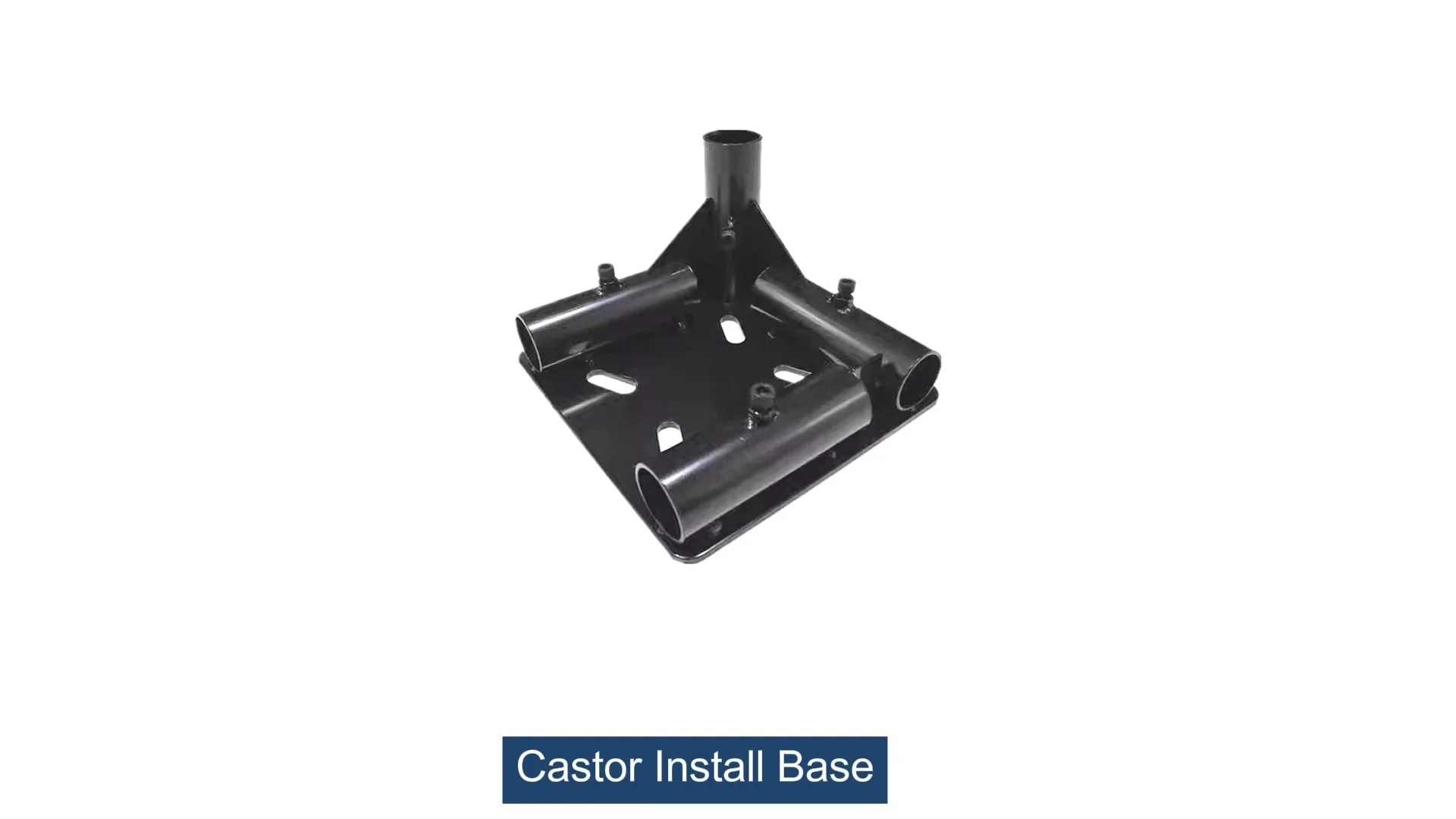
Castor Install Base
Castor install base, used for connection between pipe and castor, it can connect 4 pcs pipe by 1 pcs castor base, to make the structure strong and stable.
Walk into any e-waste recycling facility, and you'll be met with a symphony of activity: the hum of shredders, the clink of metal components being sorted, and the steady roll of trolleys ferrying everything from old laptops to bulky CRT monitors. In this chaos, one piece of equipment works tirelessly behind the scenes, often overlooked but absolutely critical: the turnover trolley and rack. These trolleys are the backbone of material movement, and their ability to handle heavy loads day in and day out depends on a surprisingly small but mighty component: the castor install base.
E-waste isn't light. A single desktop computer can weigh 15-20 pounds, and when you stack a dozen of them onto a trolley—along with batteries, wiring, and other components—you're looking at loads that easily exceed 300 pounds. Add in the rough-and-tumble environment of a recycling plant—uneven concrete floors, occasional spills of corrosive fluids, and constant starts and stops—and it's clear: not just any trolley will do. The difference between a trolley that lasts six months and one that serves reliably for years often comes down to the quality of its castor install base and the caster wheel it supports.
Why Durability Matters in E-Waste Recycling Trolleys
Let's start by understanding why durability is non-negotiable here. E-waste recycling isn't just about being eco-friendly—it's a business. Downtime costs money. A trolley that breaks down mid-shift means workers stand idle, materials pile up, and deadlines slip. Worse, a failed caster install base can lead to accidents: a loaded trolley tipping over, heavy components crashing to the floor, or even injuries to staff. In an industry where compliance with safety regulations is strict, reliability isn't just a nice-to-have; it's a legal and ethical obligation.
Then there's the nature of the loads themselves. E-waste is unpredictable. One trolley might carry a stack of circuit boards (dense, but relatively compact), while the next hauls a dismantled refrigerator (bulky, with uneven weight distribution). A weak castor install base will bend or crack under this variability, leading to wobbly trolleys that are hard to maneuver and prone to getting stuck. Over time, this wear and tear adds up, turning minor annoyances into major expenses.
And let's not forget the environment. E-waste facilities are tough on equipment. Dust, metal shavings, and occasional exposure to acids from battery leaks can corrode cheap materials. A castor install base made from low-grade steel might start rusting within months, weakening its structural integrity. In contrast, a well-designed, high-quality base can stand up to these conditions, ensuring the trolley stays in service longer and reducing the need for frequent replacements (which, ironically, creates more waste—defeating the purpose of recycling in the first place).
The Unsung Hero: How Castor Install Bases Solve These Challenges
If the trolley is the workhorse of the facility, the castor install base is its backbone. This small, unassuming component is what connects the caster wheel to the trolley frame, bearing the full brunt of the load. Think of it as the bridge between the trolley's structure and the ground. A poorly designed bridge collapses under pressure; a well-built one supports it, no matter what's thrown at it.
So, what makes a castor install base up to the task? Let's break it down. First, material matters. Most industrial-grade bases are made from either reinforced steel or aluminum. Steel is strong and affordable, but it's prone to rust if not coated. Aluminum, on the other hand, is lighter and naturally corrosion-resistant—ideal for damp or dusty environments. Some manufacturers even use a combination, adding steel plates to high-stress areas of aluminum bases for extra strength.
Next, load capacity. A good castor install base doesn't just "handle" heavy loads—it's rated for them. Look for bases with a load capacity of at least 500 pounds per caster (most trolleys have four casters, so that's 2000 pounds total). But here's the catch: load ratings aren't just about raw strength. They also account for dynamic stress—like when a trolley hits a bump or is pushed quickly around a corner. A base with a static load rating (how much it can hold when stationary) might not cut it; you need one rated for dynamic loads, too.
Then there's the design of the attachment points. The base needs to bolt securely to the trolley frame, with no wiggle room. Loose bolts mean the base shifts under load, which accelerates wear on both the base and the caster wheel. High-quality bases often have pre-drilled holes that align perfectly with standard trolley frames, making installation (and replacement) a breeze. Some even include locking nuts or thread-locking adhesive to prevent bolts from vibrating loose over time.
Finally, compatibility with caster and accessories. The base is only as good as the caster wheel it holds. A heavy-duty base paired with a flimsy plastic wheel is a recipe for failure. That's why reputable suppliers design bases to work seamlessly with their own line of casters—matching stem sizes, bearing types, and load capacities to ensure everything works in harmony.

Comparing Castor Install Base Materials: Steel vs. Aluminum
To help you understand which material might be right for your facility, let's compare two common options: standard steel castor install bases and reinforced aluminum castor install bases. We'll look at key factors like load capacity, durability, and suitability for e-waste environments.
| Feature | Standard Steel Castor Install Base | Reinforced Aluminum Castor Install Base |
|---|---|---|
| Material Thickness | 3-4mm steel plate | 5-6mm aluminum alloy (with steel reinforcement plates) |
| Max Load Capacity (per base) | Up to 600 lbs | Up to 800 lbs |
| Corrosion Resistance | Moderate (requires painting or galvanizing) | High (natural oxide layer; some models include anodized finish) |
| Weight | Heavier (adds 5-7 lbs per trolley) | Lighter (adds 2-3 lbs per trolley) |
| Ideal Environment | Dry, indoor facilities with minimal exposure to moisture | Damp, dusty, or outdoor facilities; areas with chemical exposure |
| Cost | Lower upfront cost | Higher upfront cost, but lower long-term maintenance |
As you can see, aluminum bases offer higher load capacity and better corrosion resistance, which is a big plus in e-waste facilities where spills and humidity are common. They're also lighter, which makes trolleys easier to push—reducing strain on workers. Steel bases are more budget-friendly, but they'll need regular maintenance (like repainting) to prevent rust. For most e-waste operations, the extra investment in aluminum pays off in fewer replacements and less downtime.
Case Study: How a Small Recycler Cut Downtime by 60% with Upgraded Castor Install Bases
Let's take a look at a real-world example. GreenCycle Recycle, a mid-sized e-waste facility in the Midwest, was struggling with trolley reliability. Their fleet of 15 turnover trolley and rack units was averaging one breakdown per week—usually a bent castor install base or a seized caster wheel. Workers were spending hours repairing trolleys instead of processing e-waste, and the facility was spending $2,000+ annually on replacement parts.
The root cause? They were using generic steel castor install bases rated for only 400 lbs per base. The trolleys, however, often carried loads of 500-600 lbs, pushing the bases beyond their limits. Add in the facility's concrete floors (which had developed cracks over time), and the bases were taking a beating.
GreenCycle switched to reinforced aluminum castor install bases with a 800-lb load rating, paired with heavy-duty steel caster wheels with polyurethane treads (to absorb shocks from rough floors). The results were dramatic:
- Breakdowns dropped from 52 per year to just 20—a 60% reduction.
- Worker complaints about "hard-to-push" trolleys decreased by 80% (thanks to the lighter aluminum bases and smoother-rolling wheels).
- Replacement part costs fell to under $500 annually, as the aluminum bases showed no signs of corrosion after 18 months.
"It was like night and day," said Mark, GreenCycle's operations manager. "We used to have a guy whose whole job was fixing trolleys. Now he's back to sorting e-waste, and we're processing 15% more material per day. The castor install base might seem small, but it's the reason we're hitting our monthly targets."

Maintenance Tips to Extend the Life of Your Castor Install Bases
Even the best castor install bases need a little TLC to keep performing at their best. Here are some simple maintenance tips to help you get the most out of your investment:
1. Inspect regularly. Make it part of your weekly routine to check each trolley's castor install base for cracks, bends, or rust. Pay extra attention to the bolts—if they're loose, tighten them immediately with a torque wrench (over-tightening can strip threads, so follow the manufacturer's specs).
2. Clean often. E-waste facilities are dusty places, and dust, metal shavings, and debris can get trapped between the base and the trolley frame. Use a brush or compressed air to clean these areas weekly. For aluminum bases, a quick wipe with a damp cloth will prevent buildup that can hide corrosion.
3. Lubricate caster wheels and bearings. The caster wheel relies on smooth bearings to roll freely. Apply a high-quality lubricant (like lithium grease) every 2-3 months, or more often if trolleys are used in wet or dusty conditions. Don't forget to lubricate the swivel mechanism of the caster, too—that's where most squeaks start!
4. replace worn caster wheels promptly. A damaged wheel (like a flat spot or cracked tread) puts extra stress on the castor install base. If you notice a wheel isn't rolling straight or is making noise, replace it right away. Waiting will only lead to more damage.
5. Avoid overloading. It's tempting to pile on extra materials to save trips, but exceeding the trolley's load rating is the fastest way to ruin a castor install base. Post the maximum load limit on each trolley (e.g., "Do Not Exceed 2000 lbs") and train staff to stick to it.

Choosing the Right Supplier: What to Look For
Not all castor install bases are created equal, and neither are suppliers. When shopping for new bases or trolleys, keep these factors in mind:
Industry experience. Look for suppliers who specialize in industrial material handling equipment, preferably with a track record in e-waste or manufacturing. They'll understand the unique challenges of your environment and can recommend the right products.
Load testing certifications. Reputable suppliers will provide load test reports for their castor install bases, proving they can handle the weight they claim. If a supplier can't show you these reports, walk away—you don't want to gamble with safety.
Customization options. Maybe your trolleys have non-standard dimensions, or you need bases with special mounting holes. A good supplier will work with you to create custom solutions, not just sell you off-the-shelf parts.
Warranty coverage. A strong warranty (at least 1-2 years) shows the supplier stands behind their products. Be sure to read the fine print—some warranties exclude "abuse" (like overloading), so make sure your team is trained to use the bases properly.
Customer support. What happens if you have a question about installation? Or need a replacement part in a hurry? Choose a supplier with responsive customer service—preferably one with a local distributor for fast shipping.
Conclusion: Invest in Quality, Reap the Rewards
At the end of the day, the castor install base might be a small component, but it plays a huge role in keeping your e-waste recycling facility running smoothly. By choosing a durable, well-designed base—one that can handle heavy loads, resist corrosion, and work seamlessly with your caster wheels—you'll reduce downtime, improve safety, and boost productivity.
Remember, e-waste recycling is about more than just recycling—it's about efficiency, sustainability, and creating a safer planet. A reliable trolley fleet, supported by strong castor install bases, is a step toward achieving all three. So don't skimp on the details. Your workers, your bottom line, and the environment will thank you.