- Company Articles
- Products and Technology
- Installation And Maintenance
- Castor Install Base for Pallet Jacks: Enhancing Maneuverability in Warehouses

Castor Install Base for Pallet Jacks: Enhancing Maneuverability in Warehouses
Related Product
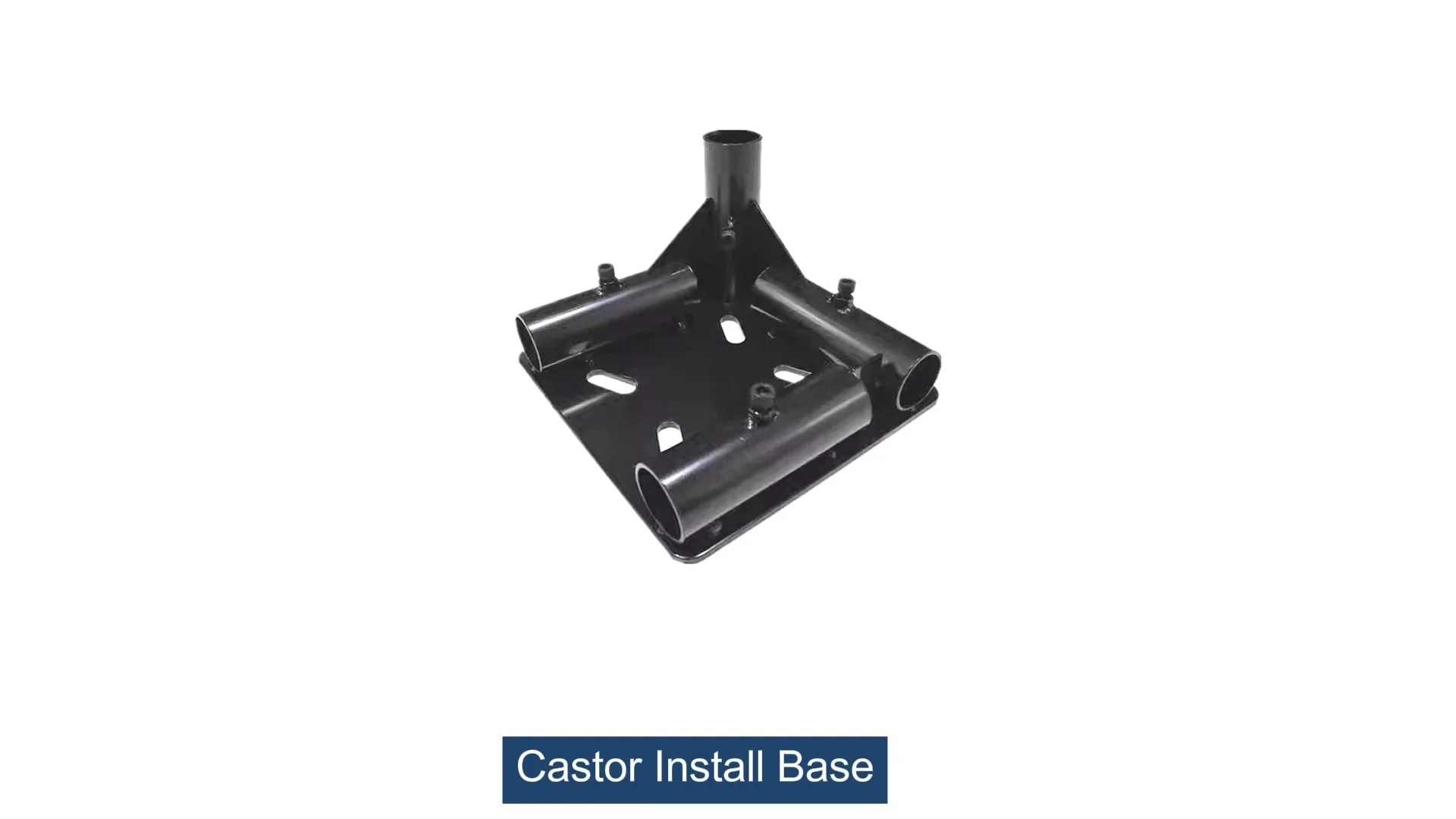
Castor Install Base
Castor install base, used for connection between pipe and castor, it can connect 4 pcs pipe by 1 pcs castor base, to make the structure strong and stable.
The Unsung Hero of Warehouse Mobility
Every day, in warehouses around the world, a quiet battle plays out: the struggle to move heavy loads efficiently, safely, and without wasted effort. Pallet jacks, those workhorses of material handling, are at the front lines of this battle—but even the sturdiest jack can feel clunky if its wheels aren't properly supported. That's where the
caster install base
comes in. It's not the flashiest component in a warehouse, but it's the backbone that turns a basic pallet jack into a nimble, reliable tool. In this article, we'll dive into how this unassuming part enhances maneuverability, why it matters for daily operations, and how it fits into the bigger picture of creating efficient, lean workspaces.
What Is a Castor Install Base, Anyway?
Let's start with the basics. A
caster install base
is the foundational component that connects a caster wheel to a piece of equipment—like a pallet jack, a turnover trolley, or even a mobile workbench. Think of it as the bridge between the wheel and the load: it distributes weight evenly, absorbs shocks from uneven floors, and ensures the caster can swivel or lock smoothly. Without a strong, well-designed base, even the best
caster wheel
would wobble, wear out quickly, or fail under heavy loads.
These bases come in various materials, sizes, and configurations, each tailored to specific needs. For example, a warehouse dealing with corrosive materials might opt for a stainless steel base, while one prioritizing lightweight mobility might choose aluminum. The key is that the base must match both the caster's load capacity and the environment it operates in—no small feat, considering the diversity of warehouse tasks.

Why Maneuverability Matters More Than You Think
Maneuverability isn't just about making a pallet jack "easier to push." In a busy warehouse, it's about efficiency, safety, and employee well-being. Imagine a scenario: a worker needs to navigate a pallet of electronics through a narrow aisle, around a stack of boxes, and up to a packing station. If the pallet jack drifts, sticks, or requires excessive force to turn, the worker might waste precious minutes adjusting their path—or worse, risk colliding with equipment or injuring themselves.
Poor maneuverability also leads to "micro-wastes" that add up over time: extra steps to reposition a jack, delays in moving materials to the production line, or even damaged goods from rough handling. These are exactly the kinds of inefficiencies that
lean system
principles aim to eliminate. By investing in components like a high-quality
caster install base
, warehouses can cut down on these wastes, keeping operations flowing smoothly and employees focused on higher-value tasks.

Key Features of a High-Performance Caster Install Base
Not all
caster install base
products are created equal. To truly enhance maneuverability, a base needs to check several boxes. Let's break down the most important features:
1. Load Distribution:
The base must spread the weight of the load across the caster wheel evenly. Uneven distribution leads to premature wear on the wheel or base, causing squeaking, jamming, or even collapse. Look for bases with reinforced mounting plates or gussets (small metal brackets) that add strength without adding unnecessary weight.
2. Swivel Mechanism Compatibility:
For pallet jacks that need to turn on a dime, the base must work seamlessly with swivel casters. This means precise machining of the mounting hole pattern to align with the caster's swivel plate, ensuring smooth rotation without "play" (looseness) that could cause instability.
3. Durability in Tough Environments:
Warehouses are harsh places. Floors are often uneven, debris is common, and loads can shift unexpectedly. A good base should resist rust, corrosion, and impact. For example, bases with powder-coated finishes or galvanized steel are better suited for damp or dusty environments, while aluminum bases offer a lightweight, rust-resistant alternative for lighter loads.
4. Easy Installation and Maintenance:
Time is money in a warehouse, so a base that's quick to install and easy to repair is a must. Many modern bases feature pre-drilled holes that align with standard
caster accessories
(like bolts or locking pins), reducing setup time. Additionally, bases with accessible grease fittings or removable plates make it easier to clean and lubricate moving parts, extending the caster's lifespan.
To illustrate how these features come together, let's compare three common types of
caster install base
designs:
As you can see, the right base depends on the job. A small
turnover trolley and rack
used for moving small parts might thrive with a lightweight aluminum base, while a pallet jack hauling automotive parts would need the heft of a stainless steel heavy-duty base.
| Base Type | Material | Load Capacity (Max) | Best For | Key Advantage |
|---|---|---|---|---|
| Standard Steel Plate | Mild Steel | 2,000 lbs | General-purpose pallet jacks, dry warehouses | Cost-effective, durable for moderate loads |
| Reinforced Aluminum | Aluminum Alloy | 1,200 lbs | Lightweight trolleys, cleanrooms | Rust-resistant, easy to maneuver |
| Stainless Steel Heavy-Duty | 304 Stainless Steel | 3,500 lbs | Corrosive environments, food/beverage warehouses | High resistance to chemicals and moisture |

Beyond Pallet Jacks: The Ripple Effect of Better Caster Bases
While we've focused on pallet jacks, the impact of a quality
caster install base
ripples through the entire warehouse. Let's explore a few other areas where these bases make a difference:
Mobile Workbenches:
Many modern warehouses use mobile workbenches that can be repositioned to support assembly lines or packing stations. A sturdy base ensures the workbench stays stable even when tools, parts, or products are stacked on it. For example, a
workbench e (single deck-without caster)
can be converted into a mobile unit by adding casters with robust install bases, allowing workers to bring their tools directly to the product—saving time and reducing movement.
Turnover Trolleys and Racks:
Turnover trolley and rack
systems are essential for moving bulk materials, like boxes of inventory or components for production. A weak base here could lead to the trolley tipping, damaging goods or injuring workers. Heavy-duty bases with non-slip mounting surfaces and shock-absorbing features keep these trolleys steady, even when navigating ramps or uneven concrete.
Lean System Integration:
At its core, a
lean system
is about creating value by eliminating waste. When equipment moves smoothly, workers spend less time fighting with uncooperative tools and more time adding value—whether that's assembling products, packing orders, or restocking shelves. A
caster install base
might seem like a small part of this puzzle, but small improvements in mobility add up to big gains in overall efficiency. For example, a warehouse that reduces the time it takes to move a pallet from 5 minutes to 3 minutes could save hundreds of hours per year—time that can be reinvested in training, maintenance, or expanding operations.
Choosing the Right Supplier: Why It Matters
Now that we understand the importance of a good
caster install base
, the next step is finding a reliable supplier. With so many options on the market, it's tempting to opt for the cheapest base available—but that's a risky move. A low-quality base might save money upfront, but it will cost more in the long run through frequent replacements, downtime, and potential accidents.
So, what should you look for in a supplier? First, check their track record with industrial clients. A supplier that specializes in warehouse components (like a
lean pipe supplier
or
caster supplier
) will have a better understanding of your needs than a general hardware store. They should be able to provide technical specs, load capacity charts, and even custom solutions for unique equipment.
Second, ask about material sourcing and testing. Reputable suppliers use high-grade materials (like cold-rolled steel or aerospace-grade aluminum) and subject their bases to rigorous testing—for example, drop tests to simulate impacts, or fatigue tests to ensure durability under repeated use. Don't hesitate to request certificates or case studies that demonstrate their products' performance in real-world warehouses.
Finally, consider post-purchase support. A good supplier won't just sell you a base and disappear. They should offer guidance on installation, maintenance tips, and quick access to replacement parts (like
caster accessories
or mounting hardware). After all, even the best base might need a new bolt or a coat of paint down the line—and having a supplier you can rely on makes those small repairs much easier.
Maintenance Tips to Extend Your Caster Install Base's Lifespan
A high-quality
caster install base
is an investment—and like any investment, it needs care to pay off. Here are some simple maintenance tips to keep your bases (and casters) in top shape:
1. Regular Cleaning:
Warehouse floors are full of debris—dirt, dust, small metal shavings—that can get trapped between the base and the caster, causing friction or corrosion. At least once a week, wipe down the base with a damp cloth or brush to remove buildup. For greasy environments, use a mild degreaser to prevent oil from eating away at the finish.
2. Lubrication:
If your base has moving parts (like swivel plates or locking mechanisms), lubricate them every month with a high-quality grease or oil. This reduces friction, prevents rust, and keeps the caster swiveling smoothly. Avoid over-lubricating, though—excess grease can attract more dirt.
3. Inspect for Wear and Tear:
Make it part of your daily or weekly checklist to inspect the base for cracks, bent metal, or loose bolts. Pay special attention to welds (if the base is welded) and mounting holes—these are common stress points. If you notice any damage, replace the base immediately; a compromised base is a safety hazard.
4. Adjust for Uneven Floors:
If your warehouse has uneven floors, consider adding shims under the base to level the load. This prevents uneven weight distribution, which can warp the base over time. Alternatively, choose bases with adjustable feet (like
anti-slip adjustable leveling feet
) to compensate for minor dips or bumps.
By following these steps, you can extend the lifespan of your
caster install base
by years—saving money on replacements and ensuring consistent performance.
The Bottom Line: Small Component, Big Impact
In the grand scheme of warehouse operations, a
caster install base
might seem insignificant. But as we've explored, it's a critical link in the chain of mobility, safety, and efficiency. It's the difference between a pallet jack that fights you every step of the way and one that glides through aisles, saving time and reducing strain. It's the foundation that turns a static
workbench
into a flexible tool that adapts to your team's needs. And it's a key player in building a
lean system
that eliminates waste and maximizes value.
So, the next time you see a pallet jack zipping through a warehouse, take a moment to appreciate the unsung hero underneath it: the caster install base. It may not get the spotlight, but it's working hard to keep your operations moving forward—one smooth roll at a time.