- Company Articles
- Products and Technology
- Installation And Maintenance
- Castor Install Base for Pharmaceutical Distribution Trolleys: Compliance and Safety

Castor Install Base for Pharmaceutical Distribution Trolleys: Compliance and Safety
Related Product
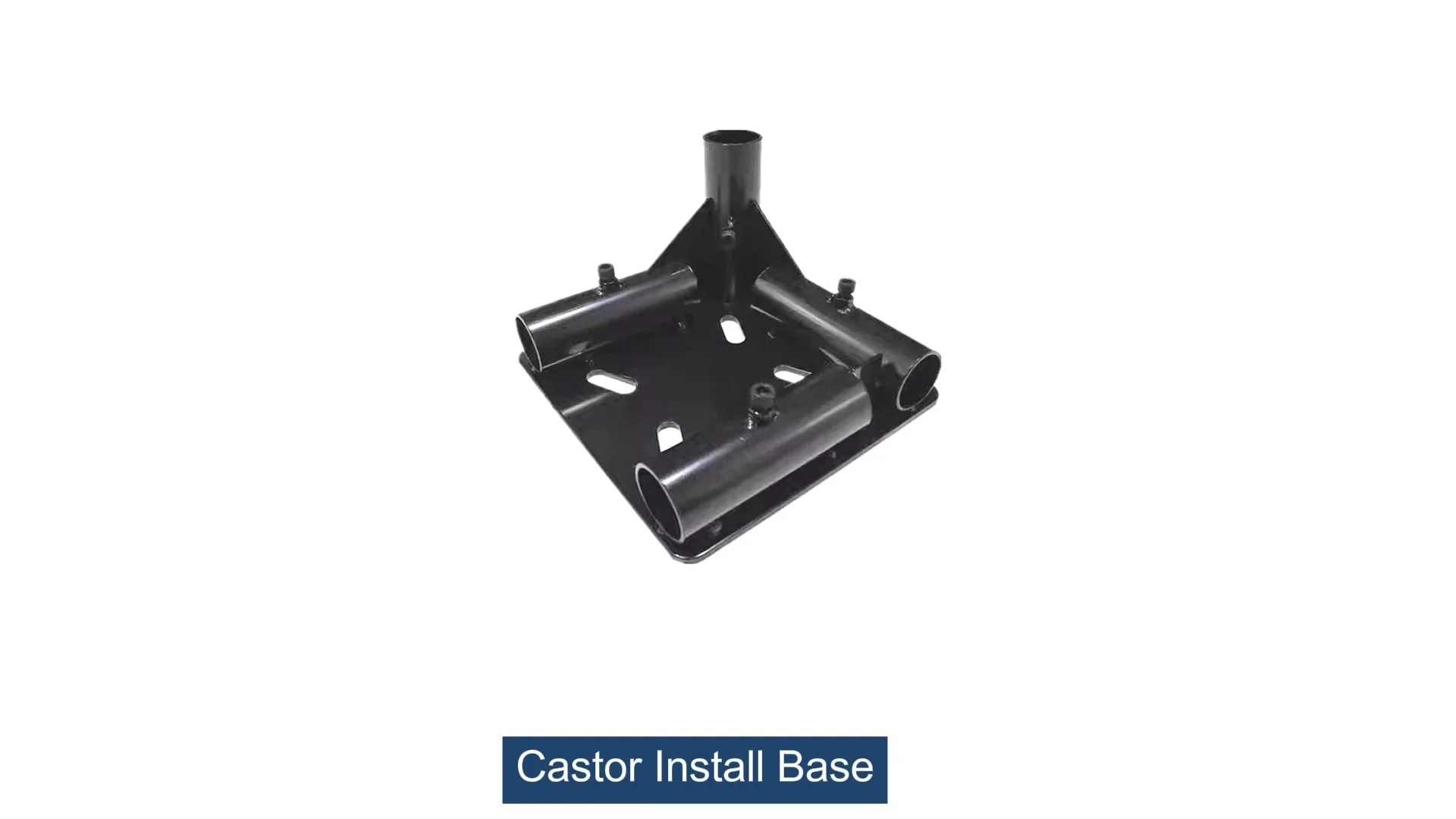
Castor Install Base
Castor install base, used for connection between pipe and castor, it can connect 4 pcs pipe by 1 pcs castor base, to make the structure strong and stable.
In the fast-paced world of pharmaceutical distribution, every component of the supply chain plays a critical role in ensuring the integrity of life-saving medications. From manufacturing facilities to pharmacies and hospitals, the journey of pharmaceuticals demands precision, reliability, and unwavering adherence to strict safety standards. Among the many tools that keep this process running smoothly, distribution trolleys stand out as workhorses—quietly transporting sensitive materials, lab samples, and finished products across busy facilities. Yet, for all their importance, one often overlooked component can make or break their performance: the castor installation base . This unassuming part, which connects the trolley's frame to its caster wheels , is far more than a mechanical afterthought. It is the foundation of stability, compliance, and safety in an industry where even the smallest oversight can have far-reaching consequences.
In this article, we'll dive deep into the world of castor installation bases for pharmaceutical distribution trolleys, exploring why they matter, how they impact regulatory compliance, and what features set high-quality bases apart. We'll also examine the role of caster and accessories in creating a holistic solution that meets the unique demands of pharmaceutical environments. Whether you're a facility manager, procurement specialist, or safety officer, understanding the nuances of castor installation bases will empower you to make informed decisions that protect your products, your team, and your reputation.
The Stakes: Why Pharmaceutical Distribution Trolleys Can't Afford Compromise
Pharmaceutical distribution is not just about moving boxes—it's about preserving the efficacy of medications that patients depend on. Temperature-sensitive drugs, sterile compounds, and high-value biologics are all vulnerable to damage from jostling, contamination, or improper handling. Trolleys are the unsung heroes here, designed to transport these materials with minimal disruption. But a trolley is only as reliable as its weakest link. If the castor installation base fails—whether due to poor design, low-quality materials, or shoddy manufacturing—the consequences can be dire: a trolley tipping over, spilling expensive inventory; a caster wheel seizing, causing delays in critical deliveries; or worse, contaminants from a worn base leaching into sterile environments. In an industry governed by regulations like Good Manufacturing Practices (GMP) and FDA guidelines, such incidents aren't just costly—they can result in fines, product recalls, or even loss of licensure.
Consider, for example, a scenario in a hospital pharmacy: a trolley loaded with chemotherapy drugs is being moved from the storage area to a patient ward. The castor installation base , which was never properly secured during maintenance, suddenly loosens. The trolley wobbles, and a vial slips from its holder, shattering on the floor. Not only is the medication lost, but the spill requires a hazardous materials cleanup, delaying treatment for the patient. Meanwhile, in a manufacturing plant, a trolley with a corroded castor base might shed metal particles into a batch of oral medications, leading to a contamination scare and a costly recall. These are not hypothetical risks—they're real-world examples of why every component of a pharmaceutical trolley, including the castor installation base, must be held to the highest standards.
Understanding Pharmaceutical Compliance: The Regulatory Landscape
Before we explore the specifics of castor installation bases , it's essential to grasp the regulatory framework that governs pharmaceutical equipment. In the U.S., the Food and Drug Administration (FDA) enforces strict guidelines to ensure drug safety, while the European Medicines Agency (EMA) oversees similar standards in the EU. At the heart of these regulations is Good Manufacturing Practice (GMP), a set of principles that ensure products are consistently produced and controlled according to quality standards. GMP applies not just to manufacturing processes but also to the tools and equipment used in production and distribution—including trolleys and their components.
GMP guidelines emphasize several key areas relevant to castor installation bases:
- Cleanability: Surfaces must be non-porous, smooth, and resistant to chemicals to prevent the buildup of bacteria or residues. A castor installation base with cracks, crevices, or rough edges can trap contaminants, violating GMP's hygiene requirements.
- Material Compatibility: Materials used in equipment must not react with pharmaceuticals or cleaning agents. For example, bases made from low-grade steel might corrode when exposed to disinfectants, releasing particles into the environment.
- Stability and Load Capacity: Equipment must safely support its intended load without tipping or collapsing. GMP inspectors often check for proper weight distribution, which starts with a sturdy castor installation base .
- Traceability: Components must be sourced from reputable suppliers, with documentation to prove compliance with safety standards. This includes caster and accessories , which must come with certificates of conformity.
Beyond GMP, other standards like ISO 13485 (for medical devices) and OSHA regulations for workplace safety add layers of complexity. OSHA, for instance, requires that mobile equipment be designed to prevent workplace injuries—meaning caster wheels must move smoothly to reduce strain on workers, and bases must be stable enough to avoid trips and falls. Together, these regulations create a rigorous framework that leaves no room for subpar castor installation bases .

The Critical Role of the Castor Installation Base: More Than Just a Connector
At first glance, a castor installation base might seem like a simple metal plate or bracket. But in reality, it is a precision-engineered component that performs several vital functions:
1. Stability Under Load: Pharmaceutical trolleys often carry heavy loads—cases of medications, glass vials, or lab equipment. A weak or poorly designed base can bend or warp under pressure, causing the trolley to lean or tip. The castor installation base distributes this weight evenly across all caster wheels , ensuring the trolley remains balanced even when navigating tight corners or uneven floors.
2. Vibration Dampening: Sensitive pharmaceuticals, such as vaccines or biologics, can be damaged by excessive vibration during transport. A high-quality base absorbs shocks from uneven surfaces, reducing the transfer of vibrations to the trolley's contents. This is especially important in research labs, where delicate samples must remain stable.
3. Corrosion Resistance: Pharmaceutical facilities are cleaned regularly with harsh disinfectants and steam. A base made from corrosion-resistant materials (like stainless steel or anodized aluminum) prevents rust and degradation, ensuring the component remains intact over time. Corroded bases not only compromise stability but can also shed flakes into the environment, risking contamination.
4. Compatibility with Caster Wheels and Accessories: The castor installation base serves as the interface between the trolley frame and its caster wheels . It must be designed to accommodate various wheel types—from soft rubber for quiet operation to hard nylon for durability—and caster accessories like brakes, swivel locks, or shock absorbers. A mismatched base can cause wheels to wobble, lock up, or detach entirely.
5. Ergonomic Performance: Workers in pharmaceutical facilities push and pull trolleys for hours daily. A well-designed base ensures smooth movement, reducing strain on shoulders, backs, and wrists. This not only improves productivity but also lowers the risk of workplace injuries, keeping teams healthy and compliant with OSHA standards.

Key Features of High-Quality Castor Installation Bases
Not all castor installation bases are created equal. In pharmaceutical settings, where compliance and safety are non-negotiable, the best bases share several defining features:
Material Selection: The Foundation of Durability
The choice of material is perhaps the most critical factor in a base's performance. In pharmaceutical environments, two materials stand out:
Stainless Steel: Stainless steel is a favorite for its exceptional corrosion resistance, strength, and cleanability. Grades like 304 or 316 stainless steel are ideal, as they resist rust even when exposed to frequent cleaning with bleach or alcohol-based disinfectants. Stainless steel bases are also non-porous, making them easy to wipe down and sterilize—key for GMP compliance.
Anodized Aluminum: Aluminum is lighter than stainless steel, making it a good choice for trolleys that need to be maneuverable. Anodization—a process that creates a protective oxide layer on the metal's surface—enhances its corrosion resistance and durability. Aluminum bases are also cost-effective and compatible with a wide range of caster and accessories .
| Material | Corrosion Resistance | Weight | Cleanability (GMP Compliance) | Cost | Ideal Application |
|---|---|---|---|---|---|
| 304 Stainless Steel | Excellent (resists most disinfectants) | Heavy | High (non-porous, smooth surface) | High | Cleanrooms, sterile environments |
| Anodized Aluminum | Good (resists corrosion; avoid strong acids) | Light | High (smooth, easy to wipe down) | Moderate | General distribution, lab transport |
| Carbon Steel (Painted) | Poor (prone to rust if paint chips) | Medium | Low (porous; hard to clean crevices) | Low | Non-pharmaceutical, dry environments |
Design Innovations: Beyond the Basics
In addition to material, the design of the castor installation base plays a pivotal role in its performance. Modern bases incorporate several innovative features to meet pharmaceutical demands:
Reinforced Brackets: Bases with gusseted or double-walled brackets distribute stress more evenly, preventing bending under heavy loads. This is especially important for trolleys that carry over 500 lbs, such as those used in bulk medication transport.
Sealed Joints: Welded or seamless joints eliminate crevices where bacteria can hide, making the base easier to clean. Some manufacturers even use laser welding for precision, ensuring no gaps between components.
Adjustable Height: In facilities with uneven floors, adjustable bases allow for fine-tuning of caster wheel height, ensuring the trolley remains level. This prevents items from sliding off and reduces strain on workers pushing the trolley.
Anti-Slip Coatings: Some bases feature rubberized coatings or textured surfaces to prevent caster wheels from shifting or slipping during installation. This is critical for maintaining stability over time, as loose wheels can lead to wobbling or tipping.
Compatibility with Caster and Accessories
A castor installation base is only as good as the caster and accessories it supports. For pharmaceutical trolleys, this means pairing the base with wheels and add-ons that enhance safety and compliance:
Caster Wheels: Soft rubber wheels are ideal for quiet operation in hospitals, while polyurethane wheels offer durability for heavy loads. For cleanrooms, non-marking wheels prevent scuffs on sensitive floors, and conductive wheels can dissipate static electricity to protect electronic components.
Brakes and Locks: Swivel locks keep trolleys moving in a straight line, while total-lock brakes immobilize both the wheel and swivel mechanism—essential when loading/unloading or when the trolley is parked on inclines.
Shock Absorbers: These accessories reduce vibration, protecting delicate payloads. They are particularly useful for transporting lab samples or temperature-sensitive medications.
The castor installation base must be designed to accommodate these accessories seamlessly. For example, bases with pre-drilled holes or universal mounting plates allow for easy swapping of wheels or brakes, making maintenance faster and more cost-effective.

Safety Risks of Subpar Castor Installation Bases
While high-quality castor installation bases enhance safety, poor-quality ones introduce a host of risks. Let's explore some of the most common dangers:
1. Contamination: Bases made from low-grade materials or with rough surfaces can harbor bacteria, dust, or chemical residues. When trolleys move through cleanrooms or sterile zones, these contaminants can dislodge and settle on pharmaceuticals, leading to product recalls or patient harm.
2. Tipping and Collisions: A weak base that bends under load can cause the trolley to tip, spilling contents and endangering workers. Even minor wobbling can lead to collisions with walls, equipment, or other personnel—risking damage to both products and people.
3. Workplace Injuries: Workers pushing trolleys with faulty bases may strain their backs or shoulders due to uneven movement. Loose caster wheels can also cause the trolley to jerk unexpectedly, leading to trips or falls.
4. Regulatory Violations: Subpar bases that fail to meet GMP or OSHA standards can result in fines, facility shutdowns, or loss of certification. In 2023, a U.S. pharmaceutical distributor was fined $1.2 million after an FDA inspection uncovered rusted castor bases on trolleys used to transport sterile medications—proof that regulatory bodies take these issues seriously.
Case Study: How a Quality Castor Installation Base Rescued a Lab's Compliance
To illustrate the impact of a well-designed castor installation base , let's look at a real-world example. A mid-sized biotech lab in California was struggling with frequent GMP violations during inspections. Inspectors noted that trolleys used to transport cell cultures were wobbling, and their wheels were leaving rust marks on the cleanroom floor. The lab's maintenance team initially blamed the caster wheels , replacing them with expensive stainless steel models—but the problems persisted.
Upon closer inspection, a consultant identified the root cause: the trolleys' original castor bases were made from painted carbon steel, which had corroded after repeated cleaning with hydrogen peroxide. The corrosion caused the bases to warp, making the wheels sit unevenly. The solution? Upgrading to stainless steel castor installation bases with reinforced brackets and compatible polyurethane wheels. Within six months, the lab passed its next GMP inspection with zero violations, and workers reported less strain when moving trolleys. The new bases also reduced vibration, leading to a 20% decrease in cell culture contamination rates—a testament to the base's role in preserving sample integrity.
Selecting the Right Castor Installation Base: A Buyer's Guide
Choosing the right castor installation base for your pharmaceutical trolley requires careful consideration of your facility's unique needs. Here's a step-by-step guide to help you make an informed decision:
Step 1: Assess Your Load Requirements
Start by calculating the maximum weight your trolley will carry, including both the payload and the trolley's own weight. Bases are rated for specific load capacities, so choose one that exceeds your needs by at least 25% to account for unexpected stress (e.g., hitting a bump or navigating a slope).
Step 2: Evaluate Your Environment
Consider the conditions in which the trolley will operate:
- Cleanliness Level: Cleanrooms or sterile zones require stainless steel or anodized aluminum bases with smooth, non-porous surfaces.
- Floor Type: Smooth floors (like vinyl) work well with soft rubber wheels, while rough concrete may need polyurethane or steel wheels.
- Cleaning Protocols: If trolleys are exposed to harsh chemicals or high-pressure washing, opt for corrosion-resistant materials like 316 stainless steel.
Step 3: Prioritize Ergonomics and Safety
Look for bases that reduce strain on workers, such as those with low profiles to keep the trolley's center of gravity low, or adjustable heights to accommodate different floor conditions. Also, ensure the base is compatible with brakes and locks to prevent accidents during loading/unloading.
Step 4: Choose a Reputable Supplier
select a supplier with a proven track record in pharmaceutical equipment. Reputable suppliers will provide documentation, such as material certificates and compliance reports, to prove their castor installation bases meet GMP, ISO, and OSHA standards. They should also offer technical support to help you pair the base with the right caster and accessories .
Maintenance: Keeping Your Castor Installation Base in Top Shape
Even the best castor installation base will degrade over time without proper maintenance. Here's how to keep yours performing at its best:
Regular Inspections: Check bases weekly for signs of corrosion, cracks, or loose bolts. Pay special attention to welds and joints, which are prone to stress fractures.
Cleaning: Wipe down bases with a mild detergent and soft cloth after each use. For stainless steel bases, use a non-abrasive cleaner to avoid scratching the surface.
Lubrication: If your base has moving parts (e.g., adjustable height mechanisms), lubricate them monthly with food-grade lubricant to prevent rust and ensure smooth operation.
Replacement Schedule: Even with maintenance, bases will eventually wear out. Set a replacement schedule based on usage—typically every 3–5 years for heavy-duty applications, or 5–7 years for lighter use.
Future Trends: Innovations in Castor Installation Bases
As the pharmaceutical industry evolves, so too do the technologies that support it. Here are a few emerging trends in castor installation bases and caster and accessories :
Smart Monitoring: Some manufacturers are adding sensors to bases to track load weight, vibration levels, and wear. This data can alert maintenance teams to potential issues before they cause failures.
Sustainability: There's a growing demand for bases made from recycled materials or aluminum, which has a lower carbon footprint than stainless steel. Anodized aluminum, in particular, is gaining popularity for its recyclability and durability.
Modular Design: Modular bases allow facilities to swap out components (e.g., brackets, mounting plates) without replacing the entire base, reducing waste and costs.
Conclusion: The Foundation of Pharmaceutical Safety
In the high-stakes world of pharmaceutical distribution, every detail matters. The castor installation base , though small in size, is a cornerstone of safety, compliance, and efficiency. It ensures that trolleys move smoothly, safely, and reliably—protecting both the medications they carry and the workers who operate them. By investing in high-quality bases, paired with compatible caster wheels and caster and accessories , pharmaceutical facilities can avoid costly violations, reduce workplace injuries, and maintain the trust of patients and regulators.
So the next time you see a trolley gliding through a hospital corridor or lab, take a moment to appreciate the unsung hero beneath it: the castor installation base . It may not grab headlines, but in the world of pharmaceuticals, it's the quiet foundation upon which patient safety rests.