- Company Articles
- Products and Technology
- Installation And Maintenance
- Castor Install Base Maintenance Checklist for Warehouse Managers

Castor Install Base Maintenance Checklist for Warehouse Managers
Related Product
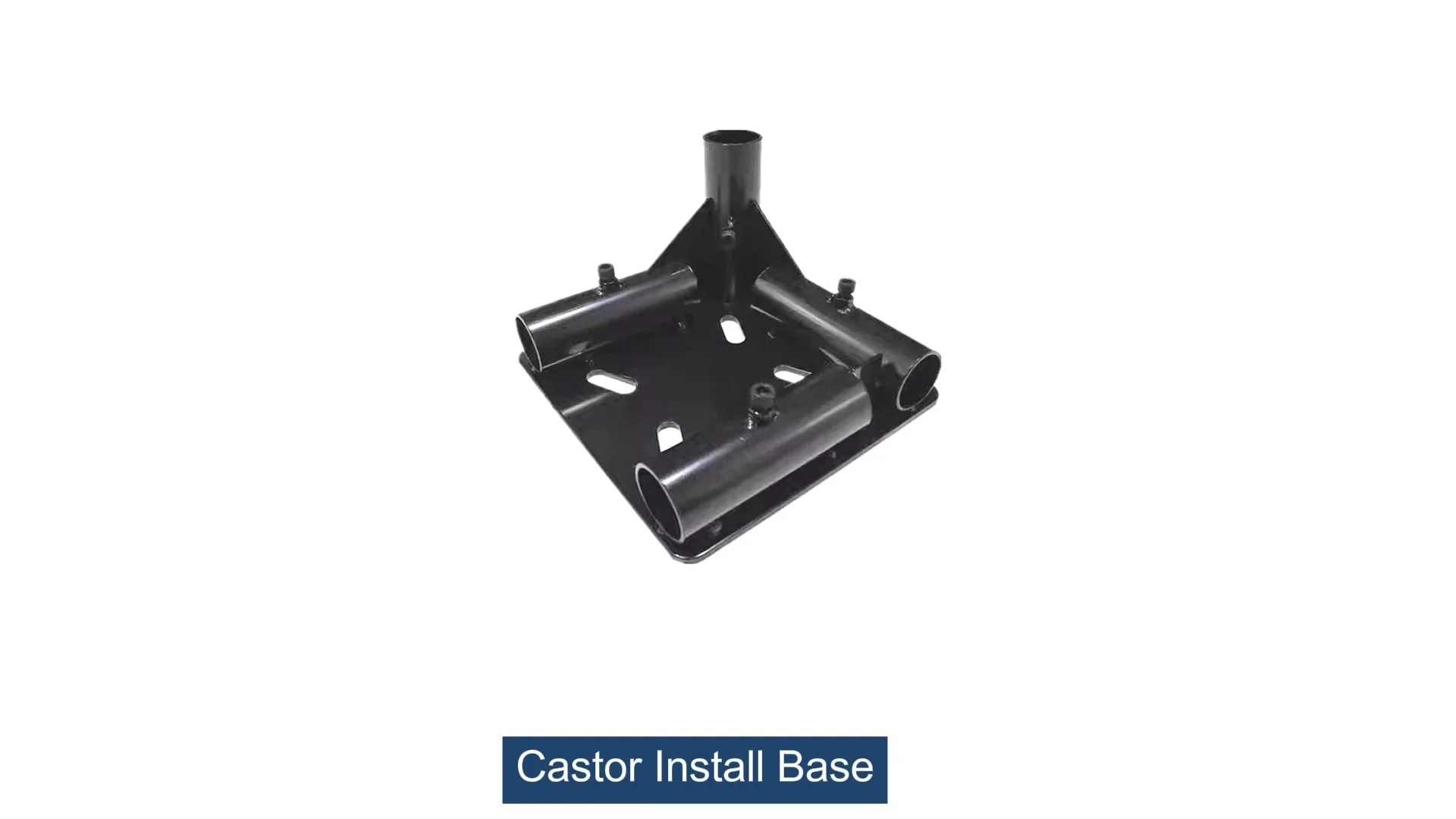
Castor Install Base
Castor install base, used for connection between pipe and castor, it can connect 4 pcs pipe by 1 pcs castor base, to make the structure strong and stable.
Why Castor Install Bases Deserve Your Attention
Walk through any busy warehouse, and you'll notice a silent workforce keeping operations moving: the caster wheels and their install bases. From the workbench where assembly line workers piece together products to the turnover trolley and rack shuttling materials across the floor, these small but mighty components are the unsung heroes of efficiency. But here's the thing: they're easy to overlook—until they fail.
A loose castor install base on a turnover trolley might start as a minor annoyance—a wobbly ride or a squeaky wheel. But over time, that wobble can throw off load balance, leading to spills or damaged inventory. A seized caster on a workbench could slow down production, as workers waste time maneuvering around a stuck station. Worse, a failed base might even cause a trolley to tip, putting staff safety at risk.
The good news? With a simple, consistent maintenance routine, you can avoid these headaches. This checklist is designed to help warehouse managers like you keep castor install bases (and their accompanying caster accessories ) in top shape—saving time, money, and stress in the long run.
Understanding Your Castor Install Base: What You're Maintaining
Before diving into maintenance, let's get clear on what a castor install base actually is. Think of it as the "foundation" that connects the caster wheel to the equipment. It includes metal plates, bolts, brackets, and sometimes shock-absorbing components that secure the caster to the trolley, rack, or workbench. Alongside the base, you'll find caster accessories like brakes, bearings, and axle pins—all working together to keep movement smooth and controlled.
These bases come in different materials (steel, aluminum, plastic) and designs, depending on the equipment they support. A heavy-duty turnover trolley might have a thick steel base with reinforced bolts, while a lightweight workbench could use an aluminum base for portability. Knowing your equipment's specs will help you tailor your maintenance approach—so keep a log of manufacturer guidelines handy!

The Ultimate Castor Install Base Maintenance Checklist
This checklist breaks down tasks by frequency: daily, weekly, monthly, and quarterly. Stick to this schedule, and you'll extend the life of your castor install bases while keeping operations running like clockwork.
Daily Inspections: Quick Checks to Start the Shift
These 2-minute checks can catch small issues before they escalate. Assign them to team leads or operators during pre-shift equipment checks.
| Task | What to Look For | Action If Needed |
|---|---|---|
| Visual inspection of bases | Bent brackets, cracks, or rust on the install base; loose or missing bolts | Flag for repair; remove equipment from use if damage is severe |
| Caster wheel movement | Wheels that don't swivel freely; unusual grinding or squeaking | Clean debris from wheels; add temporary lubricant if squeaking (follow up with deep clean later) |
| Brake function (if applicable) | Brakes that slip or fail to lock the wheel | Adjust brake tension or replace worn brake pads immediately |
Weekly Maintenance: Deeper Dives to Prevent Wear
Set aside 30–60 minutes each week to tackle these tasks. Focus on high-use equipment first, like frequently used trolleys or workbenches.
| Task | Tools Needed | Steps |
|---|---|---|
| Tighten base bolts | Socket wrench, torque wrench (if specified by manufacturer) | Check all bolts connecting the base to the equipment; tighten to recommended torque (typically 15–20 ft-lbs for steel bases) |
| Clean caster wheels and bases | Stiff brush, mild detergent, rag | Remove dirt, dust, and debris from wheels and base brackets; pay extra attention to axle areas where grime builds up |
| Inspect caster accessories | Flashlight | Check for worn bearings, cracked axle pins, or damaged wheel treads; replace accessories like axle caps if missing |
Monthly Care: Lubrication and Long-Term Protection
Lubrication is key to keeping caster wheels and bases moving smoothly. Do this monthly to prevent rust and reduce friction.
| Task | Product Recommendations | Pro Tips |
|---|---|---|
| Lubricate swivel joints and axles | Silicone-based lubricant (avoids attracting dust) or lithium grease for heavy loads | Apply a small amount directly to joints; wipe away excess to prevent gunk buildup |
| Treat metal bases for rust | Rust inhibitor spray or paint touch-up kit | Scrub small rust spots with steel wool before applying inhibitor; repaint chipped areas to protect against moisture |
| Test load capacity | Weights matching typical load sizes | Place rated load on the trolley/workbench; check for base bending or wheel deflection (replace if base warps) |
Quarterly Assessments: Planning for Replacements
Every 3 months, take a step back to evaluate overall condition and plan for future upgrades or replacements.
| Task | What to Evaluate | Action Items |
|---|---|---|
| Measure wheel wear | Tread depth; uneven wear patterns (e.g., one side of the wheel is thinner) | replace wheels if tread is less than 1/8 inch thick; investigate uneven wear (may indicate misaligned base) |
| Inspect base welds (for steel bases) | Cracks or separation in welded joints | Hire a professional welder to repair; replace base if cracks are extensive |
| Review maintenance logs | Recurring issues (e.g., same trolley needing bolt tightening weekly) | Upgrade to heavier-duty bases or caster accessories (e.g., lock washers) for problem equipment |

Troubleshooting Common Castor Install Base Issues
Even with regular maintenance, problems can pop up. Here's how to diagnose and fix the most common issues:
Issue 1: Wobbly Trolley or Workbench
Possible Cause: Loose bolts in the castor install base or unevenly worn wheels. Fix: Tighten all base bolts to manufacturer specs. If wobbling persists, swap out unevenly worn wheels with new ones (always replace wheels in pairs to maintain balance).
Issue 2: Caster Wheel Seizes Up
Possible Cause: Debris stuck in the axle or dried-out lubricant. Fix: Remove the wheel, clean the axle with a wire brush, and apply fresh lubricant. If the axle is bent, replace the entire caster assembly.
Issue 3: Base Plate Cracks
Possible Cause: Overloading or metal fatigue. Fix: Stop using the equipment immediately. replace the base plate with a heavier-duty model if overloading was the issue (check load ratings!).

Pro Tips from Warehouse Veterans
From Maria, Warehouse Manager with 15 Years of Experience:
"Train your team to treat caster bases like they would their own car. If they hear a squeak or feel a wobble, they should report it—no matter how 'small' it seems. I once had a team member ignore a loose bolt on a trolley, and it led to a 2-hour shutdown when the base finally gave way. Now, we reward 'early reporters' with a small bonus—turns out, people love keeping the warehouse running smoothly when they're invested!"
From Raj, Maintenance Supervisor:
"Invest in quality
caster accessories
upfront. Cheap bolts or low-grade lubricants might save money today, but they'll cost you in repairs tomorrow. I switched to stainless steel bolts and synthetic lubricants last year, and we've cut caster-related downtime by 40%."
Final Thoughts: Maintenance = Peace of Mind
At the end of the day, maintaining castor install bases isn't just about avoiding breakdowns—it's about creating a warehouse where everyone can work safely and efficiently. By following this checklist, you'll reduce stress, cut costs, and keep that silent workforce (your caster wheels and bases) happy for years to come.
So grab your wrench, gather your team, and start checking those bases. Your future self (and your bottom line) will thank you.