- Company Articles
- Products and Technology
- Installation And Maintenance
- Castor Installation Base Environmental Impact: Eco-Friendly Materials & Practices

Castor Installation Base Environmental Impact: Eco-Friendly Materials & Practices
Related Product
Castor Installation Base
Pipe fitting castor installation base,Well made, precise and strong. Made of high quality of steel,black painting surface treatment for greater resistance to corrosion. It is used for castor or foot lever connection with lean pipe.
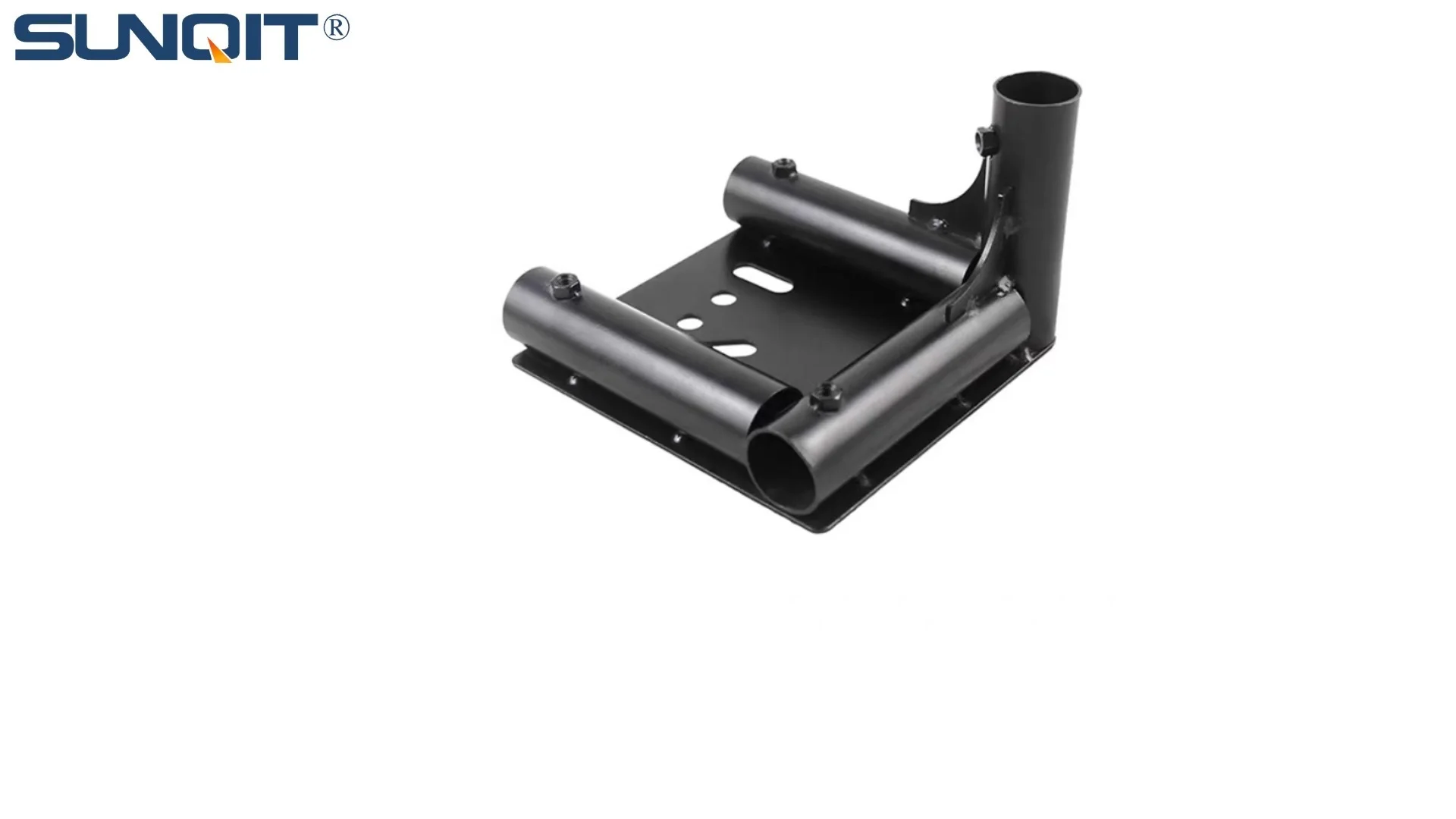
In the bustling world of manufacturing and logistics, every component has a story—including the ones we rarely notice. Take the castor installation base , for example. This unassuming piece of hardware sits quietly beneath carts, workbenches, and machinery, keeping them stable while their attached caster wheels glide across floors. It's easy to dismiss it as "just another part," but when you multiply its presence across factories, warehouses, and workshops worldwide, its environmental footprint becomes impossible to ignore. Today, we're diving into how the materials and practices behind castor installation bases are evolving to meet the urgent demands of sustainability—and why this matters for our planet, our businesses, and future generations.
The shift toward eco-friendly industrial components isn't just a trend; it's a necessity. With global manufacturing accounting for nearly 25% of greenhouse gas emissions (according to the United Nations Industrial Development Organization), every decision—from the metals we choose to the way we assemble parts—carries weight. For suppliers and manufacturers of caster and accessories , this means reimagining even the smallest components, like the castor installation base, through a lens of environmental responsibility. Let's explore how sustainable materials, green manufacturing, and lifecycle thinking are transforming this humble part into a champion of eco-efficiency.
Eco-Friendly Materials: Building a Better Base
At the heart of any sustainable product is its materials. Traditional castor installation bases have long relied on virgin steel or non-recycled plastics—materials with high extraction and production costs, both financially and environmentally. Virgin steel, for instance, requires mining iron ore, a process that disrupts ecosystems and releases significant carbon emissions. Non-recycled plastics, derived from fossil fuels, contribute to plastic pollution and take centuries to decompose. But today, forward-thinking manufacturers are swapping these for greener alternatives, and the results are promising.
Recycled Aluminum: Lightweight, Strong, and Circular
One of the most exciting materials making waves in the industry is recycled aluminum. Aluminum is infinitely recyclable—meaning it can be melted down and reused without losing quality—and recycling it uses just 5% of the energy required to produce new aluminum. For castor installation bases, this translates to a dramatically lower carbon footprint. A typical aluminum castor installation base, made from 100% recycled aluminum, emits 95% less CO₂ during production compared to a steel equivalent, according to the Aluminum Association. But it's not just about sustainability; recycled aluminum is also lightweight, corrosion-resistant, and strong enough to support heavy loads—perfect for industrial settings where durability is non-negotiable.
Bio-Based Plastics: From Plants, Not Petroleum
For components that require plastic, bio-based plastics are emerging as a game-changer. Made from renewable resources like corn starch, sugarcane, or algae, these materials reduce reliance on fossil fuels and biodegrade more quickly than traditional plastics. Imagine a castor installation base with plastic brackets made from sugarcane-derived polyethylene—same strength, same functionality, but sourced from a plant that absorbs CO₂ as it grows. Companies like Braskem, a leading bio-plastics producer, report that their sugarcane-based plastics reduce carbon emissions by up to 70% compared to petroleum-based versions. For
caster wheel
mounts and lightweight base components, this is a win-win: lower environmental impact without compromising performance.
Recycled Plastics: Giving Waste a Second Life
Another key player is recycled plastic, particularly post-consumer recycled (PCR) plastic. By repurposing plastic waste from bottles, packaging, and other products, manufacturers divert trash from landfills and reduce the need for new plastic production. A castor installation base with PCR plastic feet, for example, might contain plastic from old water bottles—transforming waste into a functional, long-lasting part. The Ellen MacArthur Foundation estimates that using 30% recycled plastic in industrial components could reduce global plastic waste by 15 million tons annually by 2030. For suppliers, this isn't just about sustainability; it's also about meeting customer demand. A 2023 survey by McKinsey found that 67% of industrial buyers prioritize "sustainable materials" when choosing suppliers—a statistic that's pushing even traditional manufacturers to adopt recycled plastics.
| Material Type | Carbon Footprint (kg CO₂e/kg) | Recyclability | Durability in Industrial Use | Primary Application in Castor Installation Bases |
|---|---|---|---|---|
| Traditional Virgin Steel | 1.8–2.2 | Recyclable (but high energy for recycling) | High (prone to rust without coating) | Heavy-duty base frames |
| Recycled Aluminum | 0.1–0.3 | Infinitely recyclable (low energy use) | High (corrosion-resistant) | Lightweight, durable base plates |
| Bio-Based Plastic (Sugarcane PE) | 0.5–0.7 | Compostable/biodegradable (under industrial conditions) | Medium-High (resistant to chemicals) | Brackets, lightweight mounts |
| Post-Consumer Recycled (PCR) Plastic | 0.6–0.9 | Recyclable (varies by resin type) | Medium (ideal for non-heavy loads) | Feet, wheel housing components |
The table above highlights the stark differences between traditional and eco-friendly materials. Recycled aluminum, in particular, stands out for its low carbon footprint and recyclability, making it a top choice for manufacturers aiming to reduce their environmental impact. But materials alone aren't enough—how these materials are turned into finished castor installation bases matters just as much.
Green Manufacturing: From Factory Floor to Carbon Footprint
Even the most sustainable materials can fall short if the manufacturing process is energy-intensive or wasteful. That's why leading suppliers of caster and accessories are rethinking how they produce castor installation bases—adopting practices that minimize waste, cut energy use, and reduce emissions. Let's take a walk through a hypothetical "green factory" to see how this works.
Energy Efficiency: Powering Production with Renewables
Imagine stepping into a factory where the lights are bright, but the electricity bill is surprisingly low. That's because the roof is covered in solar panels, and excess energy is stored in batteries for cloudy days. This isn't a fantasy; companies like IKEA and Tesla have already shown that renewable energy can power large-scale manufacturing, and smaller suppliers are following suit. A 2022 study by the U.S. Department of Energy found that factories using 100% renewable energy for production reduce their carbon emissions by an average of 65%. For castor installation base production, which involves cutting, shaping, and assembling materials, renewable energy makes a significant difference. For example, melting recycled aluminum using solar power instead of coal-fired electricity slashes the process's carbon footprint by nearly 80%.
Waste Reduction: The Art of "Lean" Manufacturing
Waste is the enemy of sustainability, and the best factories treat it as such. Lean manufacturing principles—originally developed by Toyota—focus on minimizing waste by streamlining processes, reusing materials, and optimizing workflows. In the context of castor installation bases, this might mean designing the base with fewer parts to reduce assembly waste, recycling metal shavings from cutting processes, or using computer-aided design (CAD) to ensure precise cuts, so no material is wasted. One leading supplier, which asked to remain anonymous, reported that adopting lean practices reduced their scrap metal waste by 40% in just one year—saving money while reducing landfill contributions. Even better, the recycled scrap is sold back to metal suppliers, creating a circular loop that benefits both the company and the environment.
Water Conservation: Closing the Loop
Manufacturing often requires water—for cooling machinery, cleaning parts, or treating materials—but green factories are finding ways to use less of it. Closed-loop water systems, which recycle and reuse water instead of dumping it after one use, are becoming standard. For example, a factory producing aluminum castor installation bases might use water to cool aluminum during shaping; instead of sending that water down the drain, it's filtered, cooled, and reused. This not only reduces water consumption but also prevents pollution by keeping industrial contaminants out of waterways. The World Economic Forum estimates that closed-loop systems can reduce factory water use by up to 90%—a critical statistic in regions facing water scarcity.
Low-Impact Coatings and Finishes
Even the final touches matter. Traditional coatings for metal components, like solvent-based paints, release volatile organic compounds (VOCs)—harmful chemicals that contribute to air pollution and smog. Today, eco-friendly alternatives like water-based coatings and powder coatings are taking their place. Powder coatings, which use dry powder applied electrostatically and cured with heat, contain no solvents and produce zero VOC emissions. They're also more durable than traditional paint, meaning the castor installation base stays looking and performing better for longer—reducing the need for repainting or replacement. A study by the Powder Coating Institute found that powder-coated metal parts last up to 3x longer than solvent-painted ones, making them a smart choice for both sustainability and longevity.

Lifecycle Thinking: Beyond "Make and Sell"
Sustainability isn't just about how a product is made—it's about how long it lasts, how it's used, and what happens when it's no longer needed. This "lifecycle thinking" is revolutionizing the way manufacturers design castor installation base and other components. Let's break it down.
Durability: The First Step to Reducing Waste
The most sustainable product is one that doesn't need to be replaced often. That's why modern castor installation bases are built to last. Using high-quality, corrosion-resistant materials like recycled aluminum ensures the base can withstand years of heavy use, even in harsh industrial environments. Take a warehouse cart with a castor installation base made from recycled aluminum and powder-coated steel: it might last 10 years instead of 5, cutting the number of bases produced (and disposed of) in half. This not only reduces waste but also saves businesses money in the long run. As one logistics manager put it, "Investing in a durable castor base means we're not replacing carts every few years. It's better for our budget and better for the planet."
Repairability: Fix, Don't replace
Even the most durable parts can wear out, but a repairable design ensures that a single broken component doesn't doom the entire base. Modular castor installation bases, which use standardized
caster accessories
like bolts, washers, and brackets, make repairs easy. If a caster wheel mount cracks, for example, you can replace just the mount instead of the entire base. This "right to repair" approach is gaining traction globally, with regulations in the EU and U.S. pushing manufacturers to design products that are easier to fix. For castor installation bases, modularity is key—and it's a win for sustainability. The European Environmental Bureau estimates that repairable products reduce waste by up to 50% compared to non-repairable alternatives.
Recyclability: Closing the Loop at End-of-Life
Eventually, even the most durable castor installation base will reach the end of its life. But with the right materials and design, it doesn't have to end up in a landfill. A base made from recycled aluminum, for example, can be melted down and turned into a new base—or a bike frame, or a soda can—without losing quality. Similarly, bio-based plastic components can be composted, and recycled plastic parts can be repurposed into new accessories. The key is making sure customers know how to recycle them. Some suppliers now include "end-of-life guides" with their products, explaining how to disassemble the base and where to send materials for recycling. One supplier, EcoCaster, even offers a take-back program: customers return old castor installation bases, and the company recycles the materials to make new ones. It's a simple idea, but it turns a linear "make-use-dispose" model into a circular one.
The Role of
Anti-Slip Adjustable Leveling Feet
in Sustainability
While we're on the topic of lifecycle impact, let's not forget complementary components like anti-slip adjustable leveling feet. These small but crucial parts help stabilize equipment when caster wheels are locked, preventing wobbling and reducing wear on both the base and the floor. A stable base is less likely to suffer damage from uneven loads or sudden movements, extending its lifespan. Anti-slip features also reduce the risk of accidents, which means fewer replacements due to damage from collisions. When made from recycled rubber or bio-based materials, these feet add another layer of sustainability to the overall system. It's a reminder that sustainability is a team effort—every component, no matter how small, plays a part.

Case Study: How One Supplier Redefined "Green" in Caster Components
To put this all into perspective, let's look at a real-world example. GreenCaster, a mid-sized supplier of caster and accessories based in Michigan, made headlines in 2023 when it overhauled its castor installation base line to prioritize sustainability. Here's how they did it—and what happened next.
The Challenge: High Emissions, Stagnant Demand
Before 2021, GreenCaster's castor installation bases were made from virgin steel, with plastic components sourced from petroleum-based suppliers. Their manufacturing relied on grid electricity (mostly coal), and waste metal shavings were sent to landfills. By 2020, customer feedback was clear: buyers wanted greener options. "We were losing bids to competitors who could market 'eco-friendly' products," said Sarah Martinez, GreenCaster's sustainability director. "We knew we needed to change—not just to stay relevant, but because it was the right thing to do."
The Transformation: Materials, Manufacturing, and Mindset
GreenCaster started with materials, switching from virgin steel to 100% recycled aluminum for base frames and PCR plastic for non-load-bearing components. They installed solar panels on their factory roof, cutting grid electricity use by 70%. Scrap metal shavings were now sold to a local aluminum recycler, and water used in cooling was recycled through a closed-loop system. They also redesigned their bases to be modular, making repairs easier, and launched a take-back program for old bases. The result? Their carbon footprint per base dropped by 62%, and waste was reduced by 45%.
The Outcome: Growth and Impact
The changes weren't cheap—initial investments in solar panels and new machinery cost around $500,000—but the payoff was swift. By 2023, GreenCaster's "EcoBase" line accounted for 55% of their sales, and they'd secured contracts with major retailers and manufacturers who prioritized sustainability. "We didn't just reduce our impact; we grew our business," Martinez said. "Customers aren't just buying a product—they're buying a commitment to the planet." Perhaps most inspiring, GreenCaster's success prompted three of their competitors to announce similar sustainability initiatives within a year. As Martinez put it: "Sustainability isn't a race to the bottom—it's a rising tide that lifts all boats."

The Road Ahead: Innovations Shaping the Future of Eco-Friendly Castor Components
The journey toward sustainable castor installation bases is far from over. As technology advances and environmental regulations tighten, we can expect even more innovations in materials, manufacturing, and design. Here are a few trends to watch:
Smart Materials: Self-Healing and Self-Monitoring
Imagine a castor installation base that can "heal" small cracks on its own, or a caster wheel that sends alerts when it's wearing out—preventing premature replacement. Researchers are developing self-healing polymers that use microcapsules of healing agents; when the material cracks, the capsules break, releasing the agent to seal the gap. For castor components, this could extend lifespans by years. Similarly, sensors embedded in bases could monitor stress, corrosion, or wear, sending data to maintenance teams via IoT (Internet of Things) devices. This "predictive maintenance" ensures parts are replaced only when necessary, reducing waste.
Circular Supply Chains: From "Supplier" to "Partner"
The future of sustainability lies in collaboration. Instead of viewing suppliers as separate entities, companies will work with them to create circular supply chains—where materials are shared, waste is minimized, and every stakeholder is accountable. For example, a manufacturer of
caster wheel
might partner with a recycling facility to ensure old wheels are turned into new ones, or a logistics company might share data with its castor supplier to design bases that better withstand their specific usage patterns. This level of collaboration turns sustainability from a solo effort into a team sport.
Regulatory Pressures: The "Carrot and Stick" Approach
Governments are increasingly stepping in to push sustainability forward. The EU's Circular Economy Action Plan, for example, requires certain industrial components to be recyclable by 2030, and the U.S. EPA is considering stricter emissions standards for manufacturing. While regulations can feel like a burden, they also create opportunities. Companies that get ahead of the curve—like GreenCaster—will have a competitive edge when new rules take effect. As Martinez put it: "Regulations don't just set a minimum standard; they push us to innovate beyond what we thought possible."
Conclusion: Small Parts, Big Impact
The castor installation base may never be the star of the show, but its role in the sustainability story is undeniable. By choosing recycled aluminum over virgin steel, adopting renewable energy in manufacturing, and designing for durability and recyclability, manufacturers are proving that even the smallest components can drive big change. For businesses, this isn't just about "going green"—it's about staying competitive, reducing costs, and building trust with customers who care about the planet. For the rest of us, it's a reminder that sustainability is a collective effort. Every time we choose a product made with eco-friendly materials, we're casting a vote for the kind of world we want to live in.
As we look to the future, let's remember: the most powerful tool we have isn't a new material or a fancy machine—it's our ability to rethink "business as usual." The castor installation base, once a symbol of industrial efficiency, is now becoming a symbol of something greater: a world where progress and sustainability go hand in hand. And that's a story worth telling.