- Company Articles
- Products and Technology
- Installation And Maintenance
- Castor Installation Base for E-Commerce Warehouses: Speeding Up Order Fulfillment

Castor Installation Base for E-Commerce Warehouses: Speeding Up Order Fulfillment
Related Product
Castor Installation Base
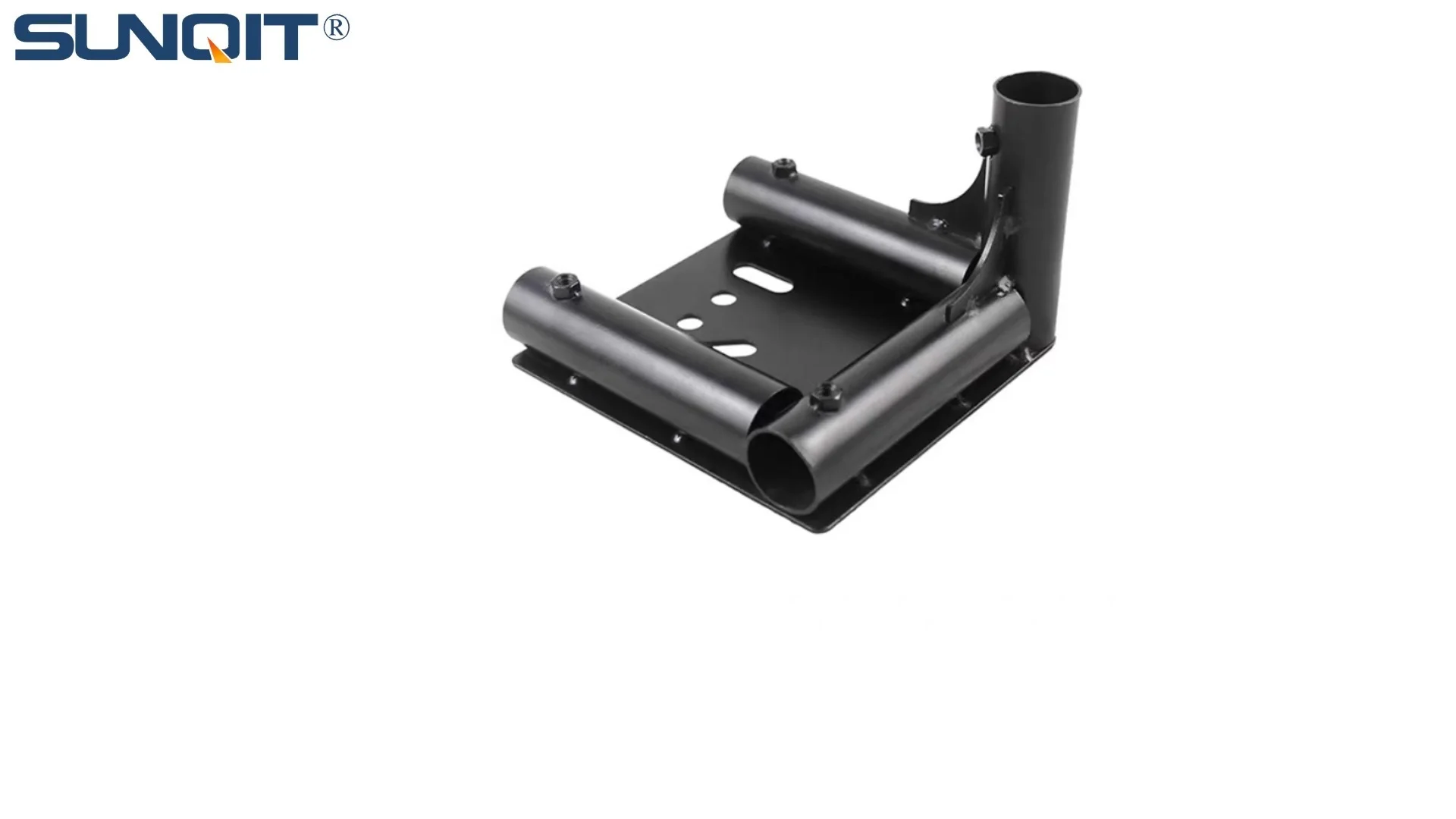
Pipe fitting castor installation base,Well made, precise and strong. Made of high quality of steel,black painting surface treatment for greater resistance to corrosion. It is used for castor or foot lever connection with lean pipe.
In the world of e-commerce, where customers expect next-day (or even same-day) delivery, the warehouse isn't just a storage space—it's the beating heart of order fulfillment. Every second counts when you're racing to pick, pack, and ship hundreds or thousands of orders daily. But here's the thing: even the most advanced warehouse management systems (WMS) and high-tech robots can't overcome one critical bottleneck: how easily your equipment moves . That's where the humble yet mighty caster installation base comes into play. It's the unsung hero that turns static shelves, clunky trolleys, and rigid workbenches into agile tools that keep your warehouse flowing like a well-oiled machine. Let's dive into why this small component deserves a spotlight, and how it can transform your e-commerce warehouse's efficiency—one smooth roll at a time.
The E-Commerce Warehouse: A Pressure Cooker of Deadlines
Let's start by painting a picture of what modern e-commerce warehouses are up against. Thanks to the rise of online shopping, especially post-pandemic, warehouses are no longer just storing boxes—they're processing a tidal wave of orders with razor-thin margins for error. Consider this: a typical mid-sized e-commerce warehouse might handle 10,000 orders daily during peak seasons like Black Friday. Each order could involve 5-10 items, spread across different zones of the warehouse. Picking those items, moving them to packing stations, and getting them onto delivery trucks requires a symphony of coordination. But when your equipment can't keep up, that symphony turns into chaos.
The biggest culprits? Static workstations that force pickers to walk back and forth across the warehouse. Trolleys that get stuck on uneven floors or wobble under heavy loads. Racks that can't be repositioned to adapt to shifting inventory needs. All of these slow down the process, leading to delayed shipments, frustrated customers, and even burnt-out staff. And in an industry where customer loyalty hangs on delivery speed, these delays aren't just inconvenient—they're costly.
So, what's the common thread here? Mobility . Or rather, the lack of it. Most warehouses invest heavily in flashy tech like barcode scanners and automated conveyor belts, but they overlook the foundational elements that make mobility possible. Enter the caster installation base: the part that connects your caster wheel to your trolley, workbench, or rack. It might seem trivial, but without a sturdy, well-designed base, even the best caster wheel will fail to deliver the smooth, reliable movement your warehouse needs.
What Is a Caster Installation Base, Anyway?
Let's get technical for a second—without getting boring. A caster installation base is essentially a mounting plate or bracket that attaches a caster wheel to a piece of equipment. Think of it as the bridge between the wheel and the trolley frame, workbench legs, or rack base. Its job? To hold the caster securely, distribute weight evenly, and absorb the shocks and vibrations of daily use. But not all bases are created equal. They come in different materials (steel, aluminum, even heavy-duty plastic), sizes, and designs, each tailored to specific needs.
For example, a lightweight aluminum base might be perfect for a small workbench that needs to be moved around a packing station. Meanwhile, a heavy-gauge steel base would be better suited for a turnover trolley and rack loaded with 500 pounds of inventory. The key is that the base must match the load, the environment, and the type of caster wheel it's paired with. A mismatch here—like using a flimsy plastic base with a heavy-duty steel caster—will lead to wobbling, premature wear, and yes, more delays.
But why does this matter for order fulfillment? Let's break it down: When your trolleys, workbenches, and racks can move effortlessly , your staff can focus on their jobs instead of wrestling with equipment. A picker pushing a trolley with a solid caster base can glide from aisle to aisle, cutting down the time spent transporting items. A mobile workbench with a secure base can be wheeled right to the picking zone, eliminating the need for pickers to carry armloads of products across the warehouse. And a turnover trolley with a durable base can handle heavier loads without tipping, reducing the number of trips needed to move inventory. It all adds up to faster, smoother operations.

3 Ways a Quality Caster Installation Base Speeds Up Order Fulfillment
1. Eliminates "Stuck in the Mud" Moments
Ever watched a picker struggle to push a trolley that keeps jamming or veering off course? It's not just frustrating—it's a massive time-waster. Old or poorly designed caster bases often have loose fittings, bent brackets, or uneven mounting, which cause the wheels to bind or wobble. This isn't just slow; it's dangerous. A trolley that suddenly jolts can spill items, leading to damaged goods and potential injuries. Every minute spent cleaning up a spill or fixing a stuck wheel is a minute that could have been spent fulfilling an order.
A high-quality caster installation base solves this by ensuring a tight, secure fit between the caster wheel and the equipment. Look for bases with reinforced welding, precision-drilled mounting holes, and corrosion-resistant coatings (important for warehouses with humidity or temperature fluctuations). These features keep the caster aligned, even over rough floors or when navigating tight corners. The result? Trolleys that roll straight and true, pickers that move faster, and fewer interruptions to the workflow.
2. Boosts Load Capacity Without Sacrificing Speed
In e-commerce, time is money—and so is space. To maximize efficiency, warehouses need to move as much inventory as possible in a single trip. But here's the catch: heavier loads require stronger equipment. A weak caster base will buckle under weight, causing the trolley to sag or the wheels to lock up. This forces staff to make smaller, more frequent trips, which doubles or triples the time spent on transportation.
A robust caster installation base, paired with a heavy-duty caster wheel, changes the game. For example, a steel base with a weight capacity of 1,000 pounds can turn a standard turnover trolley into a workhorse that carries 20% more inventory per trip. That means fewer trips, less fatigue for staff, and more orders processed per hour. And because the base distributes the weight evenly across the wheels, the trolley remains stable—even when loaded with unevenly stacked boxes. No more, slow-motion pushing; just steady, confident movement that gets goods where they need to go faster.
3. Adapts to Your Warehouse's Changing Needs
E-commerce isn't static. One month, you're stocking holiday decorations; the next, summer gear. Your warehouse layout needs to shift with demand, but reconfiguring static shelves and workbenches is a logistical nightmare. It takes hours (or days) of heavy lifting, and often requires extra staff. But with mobile equipment built on strong caster installation bases, reconfiguration becomes a breeze.
Imagine this: You need to create a temporary packing station near the shipping dock to handle a surge in orders. Instead of building a new workbench from scratch, you wheel over an existing mobile workbench (thanks to its caster base), lock the brakes, and you're ready to go. Or maybe you need to rearrange your roller track system to prioritize fast-moving items. With turnover trolleys on sturdy caster bases, you can quickly move inventory to new locations without disrupting picking. This flexibility lets you respond to spikes in demand, seasonal changes, or even last-minute order rushes—all without grinding operations to a halt.

The Perfect Trio: Caster Base + Caster Wheel + Equipment
A caster installation base is only as good as the company it keeps. To truly maximize mobility, it needs to work in harmony with the right caster wheel and the right equipment. Let's break down how this trio comes together in three common warehouse tools:
Turnover Trolley and Rack: Your Inventory's Best Friend
Turnover trolleys are the backbone of inventory transport in warehouses. They're used to move everything from bulk pallets to individual picking bins. But without a solid caster installation base, even the most durable trolley becomes a liability. For example, a trolley loaded with electronics (fragile, high-value items) needs a base that absorbs shocks to prevent damage. A base with rubberized mounting points or shock-absorbing brackets can cushion the ride, keeping items safe while the trolley rolls over cracks or uneven floor tiles.
Pair that base with a swivel caster wheel (which allows 360-degree movement) and you've got a trolley that can navigate tight aisles and make sharp turns without slowing down. This is a game-changer for pickers who need to weave between shelves or maneuver around other equipment. And when the trolley is empty? The same base ensures it's light enough to push back to the staging area quickly, ready for the next load.
Mobile Workbenches: Where Picking Meets Packing
In many warehouses, picking and packing are separate steps: pickers gather items and drop them at a fixed packing station. But this creates a bottleneck—packers can't start until pickers deliver the goods, and pickers waste time traveling back and forth. Enter the mobile workbench. Mounted on a caster installation base, these workbenches can be positioned right in the picking zone, so pickers can place items directly into packing boxes as they go. No more middleman, no more delays.
The key here is stability. A workbench loaded with packing materials, tape guns, and boxes needs a base that won't wobble when someone leans on it or slams a box shut. Look for bases with wide mounting plates and locking casters (to keep the bench steady during use). An aluminum base is ideal here—it's lightweight enough to move easily but strong enough to handle the daily grind. The result? A seamless pick-and-pack process that cuts down order processing time by 20-30%.
Roller Tracks: From Static to Dynamic
Roller tracks are great for moving items along a fixed path—think of them as the "highways" of the warehouse. But what happens when goods need to exit the highway and go to a specific station? That's where trolleys with caster installation bases shine. A trolley can pull up to the end of a roller track, and staff can slide items directly from the track onto the trolley. The trolley's base ensures it stays aligned with the track, so there's no fumbling or dropping items during the transfer.
For example, in a fashion e-commerce warehouse, a roller track might carry bins of shirts to the picking zone. A trolley with a caster base pulls up, the bins are slid onto the trolley, and the trolley is wheeled to the packing station. No lifting, no carrying—just smooth, efficient transfer. And because the base keeps the trolley level with the roller track, even heavy bins glide on and off with minimal effort. This not only speeds up the process but also reduces the risk of back injuries among staff.
Case Study: How a Caster Base Upgrade Cut Fulfillment Time by 25%
Let's put this all into perspective with a real-world example. Meet "EcoHome," a mid-sized e-commerce retailer selling sustainable home goods. Pre-upgrade, their warehouse was struggling with a major bottleneck: picking and transporting orders. Their old trolleys had plastic caster bases that were prone to cracking, especially under heavy loads. As a result, pickers were making 12-15 trips per hour instead of the target 20, and order fulfillment times averaged 45 minutes per order—way above the industry benchmark of 30 minutes.
EcoHome's solution? They swapped out their plastic caster bases for heavy-duty steel bases paired with 5-inch polyurethane caster wheels. The new bases had reinforced mounting brackets and corrosion-resistant coatings (important, since their warehouse was in a humid coastal area). They also upgraded their mobile workbenches with aluminum caster bases, allowing them to reposition packing stations closer to high-demand aisles.
The results were staggering: Within 30 days, trolley downtime dropped by 70% (no more stuck wheels or cracked bases). Pickers could now carry 30% more inventory per trip, reducing the number of trips to 8-10 per hour. Order fulfillment time plummeted to 34 minutes per order—a 25% improvement. And because staff were no longer wrestling with equipment, employee satisfaction scores rose by 18%. For EcoHome, this translated to 1,200 more orders shipped per week during peak season—and happier customers who kept coming back.

Choosing the Right Caster Installation Base: 5 Key Factors
Now that you're convinced of the caster installation base's power, how do you choose the right one for your warehouse? Here are five factors to consider:
1. Load Capacity: Know Your Numbers
Start by calculating the maximum weight your equipment will carry. This includes the weight of the equipment itself plus the inventory. For example, a turnover trolley that weighs 50 pounds and carries 450 pounds of goods needs a base with a load capacity of at least 500 pounds (always add a 10-20% buffer for safety). Exceeding the base's capacity will lead to bending, cracking, or failure—so don't cut corners here.
2. Floor Type: Smooth vs. Rough
Your warehouse floor isn't just a surface—it's a critical factor in caster base performance. Smooth concrete floors work well with most bases, but uneven floors (like those with cracks or expansion joints) need bases that can absorb shocks. If your warehouse uses polished concrete or epoxy floors, consider non-marking caster wheels paired with a base that prevents wheel slippage. For outdoor or gravel areas (like loading docks), opt for steel bases with heavy-duty treaded wheels.
3. Material: Aluminum, Steel, or Plastic?
The base material affects weight, durability, and cost. Here's a quick breakdown:
| Material | Best For | Pros | Cons |
|---|---|---|---|
| Aluminum | Lightweight equipment (workbenches, small trolleys) | Corrosion-resistant, lightweight, easy to move | Lower load capacity (max ~500 lbs) |
| Steel | Heavy loads (turnover trolleys, racks) | High load capacity (1,000+ lbs), durable | Heavier, prone to rust (unless coated) |
| Plastic | Light, dry environments (office warehouses) | Cheap, corrosion-resistant | Weak under heavy loads, prone to cracking |
4. Caster Wheel Compatibility
Not all caster wheels fit all bases. Check the caster's stem size (the part that inserts into the base) and mounting plate dimensions. A stem that's too small will wobble; a mounting plate that doesn't align with the base's holes will require drilling, weakening the base. If you're upgrading existing equipment, take measurements of your current casters before buying new bases.
5. Environmental Factors
Humidity, temperature extremes, and exposure to chemicals (like cleaning agents) can degrade caster bases over time. In cold storage warehouses, for example, steel bases need anti-rust coatings to prevent corrosion. In food-grade warehouses, plastic or stainless steel bases are better to avoid contamination. Always factor in your warehouse's unique environment to ensure the base lasts.
Final Thoughts: The Base of a Faster, Smarter Warehouse
In the rush to adopt the latest warehouse tech, it's easy to overlook the small, foundational components that keep operations moving. But as we've seen, the caster installation base is anything but small. It's the difference between a warehouse that struggles to keep up and one that thrives—even during the busiest seasons. By investing in quality bases, pairing them with the right caster wheels, and integrating them into mobile equipment like turnover trolleys, workbenches, and racks, you're not just improving mobility—you're building a warehouse that can adapt, scale, and deliver on the promises of e-commerce.
So, the next time you walk through your warehouse, take a look at the trolleys and workbenches. Are their caster bases sturdy? Do they roll smoothly? If not, it might be time for an upgrade. Remember: Faster order fulfillment isn't just about speed—it's about giving your staff the tools they need to work smarter, not harder. And sometimes, that starts with a component as simple as a well-built caster installation base.
After all, in e-commerce, the race to deliver is never-ending. But with the right base, you'll be rolling toward victory.