- Company Articles
- Products and Technology
- Installation And Maintenance
- Castor Installation Base Noise Reduction: Quiet Solutions for Factory Floors

Castor Installation Base Noise Reduction: Quiet Solutions for Factory Floors
Related Product
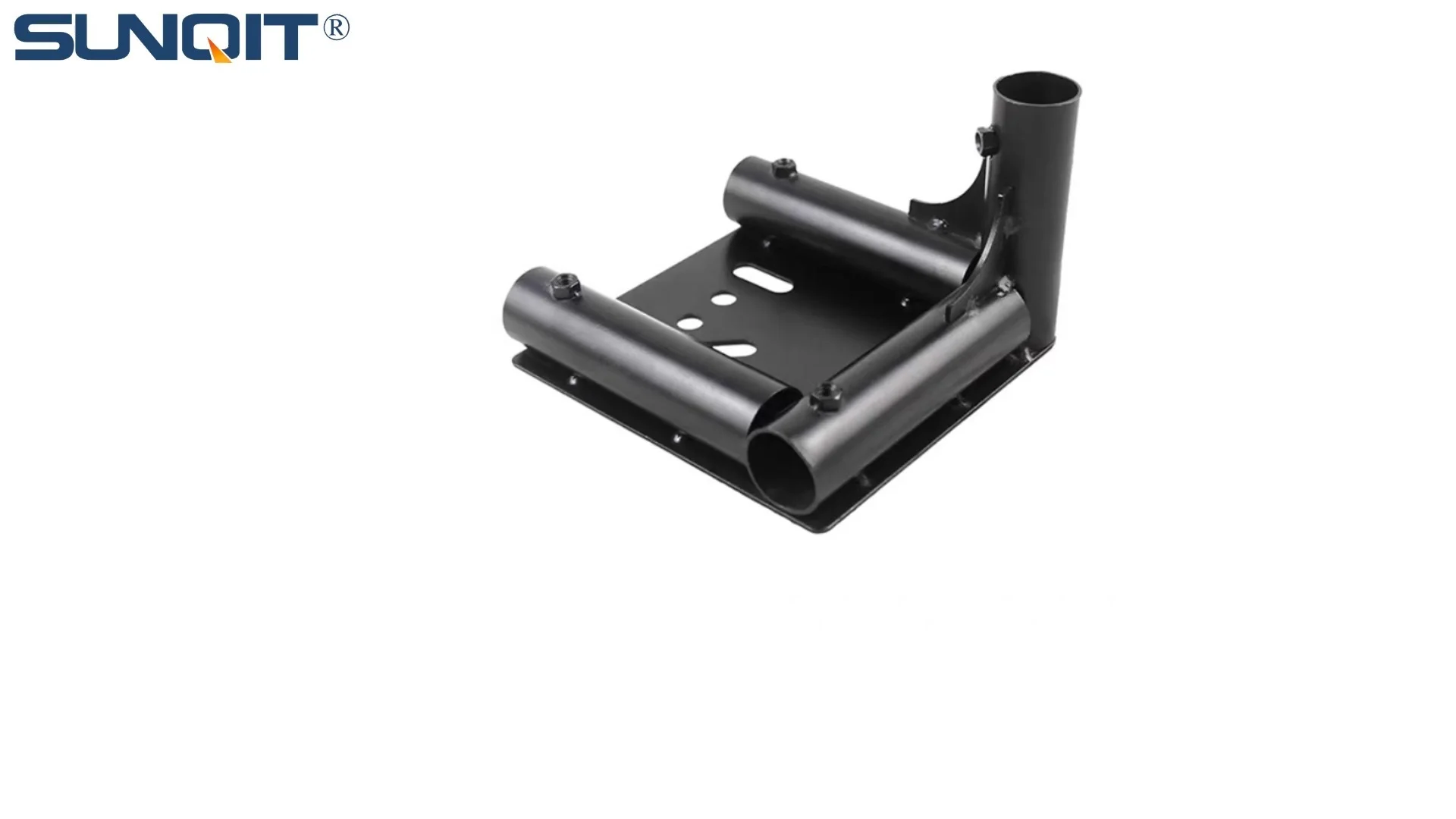
Castor Installation Base
Pipe fitting castor installation base,Well made, precise and strong. Made of high quality of steel,black painting surface treatment for greater resistance to corrosion. It is used for castor or foot lever connection with lean pipe.
The Unseen Cost of Factory Noise: Why Castor Installation Bases Matter
Walk into any busy manufacturing plant, and you're immediately hit by a symphony of sounds: the whir of conveyor belts, the clank of metal parts, the hum of machinery. Amidst this chaos, there's a quieter—yet persistent—culprit that often flies under the radar: noise from castor wheels and their installation bases. Trolleys rolling across the floor, workbenches being repositioned, material racks shifted to new stations—each movement sends vibrations through the castor installation base, creating a steady drone that adds up over hours, days, and weeks.
Why does this matter? For factory workers, constant noise isn't just an annoyance—it's a productivity killer. Studies show that prolonged exposure to noise levels above 85 decibels (dB) can cause fatigue, reduce concentration, and even lead to hearing damage. In many factories, noise from moving equipment (including castors) pushes levels well into the 90–100 dB range, far exceeding the 8-hour exposure limit of 85 dB set by organizations like OSHA. Beyond health risks, noise disrupts communication: workers struggle to hear instructions, alarms, or warnings, increasing the risk of accidents. And let's not forget compliance—failing to meet noise regulations can result in fines, shutdowns, or legal action.
The good news? Much of this noise is preventable, and a key starting point is the often-overlooked castor installation base. This unassuming component—the part that connects the caster wheel to the trolley, rack, or workbench—plays a critical role in how vibrations travel from the wheel to the floor and beyond. A poorly designed or maintained castor installation base can turn even a quiet caster wheel into a noise generator, while a well-engineered one can dampen vibrations, reduce friction, and transform a clattering factory floor into a calmer, more efficient workspace. In this article, we'll dive into why castor installation bases cause noise, which solutions work best, and how small changes can lead to big improvements in factory acoustics.
How Castor Installation Bases Amplify Noise: The Hidden Vibrations
To fix a problem, you first need to understand it. So, why do castor installation bases create so much noise? It all comes down to vibration, friction, and poor design. Let's break it down:
1. Loose Fittings and Rattling Components
Imagine a castor installation base held together by a few bolts. Over time, as the trolley or workbench is moved, those bolts can loosen. Even a tiny gap between the base and the caster wheel mount creates space for movement. When the wheel hits a floor imperfection—a small crack, a piece of debris—the base shakes, and those loose bolts rattle against metal or aluminum components. What starts as a faint "tick" can escalate into a loud "clatter" as more parts loosen, turning the base into a miniature drum.
2. Vibration Transfer: From Wheel to Floor (and Back)
Caster wheels are designed to roll, but no floor is perfectly smooth. Every bump, groove, or uneven tile causes the wheel to vibrate. Without a damping mechanism, those vibrations travel straight up through the caster axle into the installation base. If the base is made of rigid material like uncoated steel, it acts like a conductor, sending vibrations through the entire structure of the trolley or rack. From there, the vibrations transfer to the floor, creating secondary noise as the base "thumps" against the ground with each roll. It's a chain reaction: wheel vibrates → base amplifies → floor vibrates → more noise.
3. Material Matters: Hard vs. Soft Bases
The material of the castor installation base itself plays a huge role. Bases made of solid steel or thin aluminum (common in cheaper models) have little give. When the caster wheel hits a obstacle, the base doesn't absorb the impact—it bounces. This bounce creates noise both from the base hitting the floor and from internal components shifting. On the flip side, bases made of reinforced plastic or aluminum with internal ribbing can flex slightly, absorbing vibrations instead of amplifying them. Even the finish matters: a rough, uncoated metal base is more likely to scrape against the floor or caster mount, adding friction noise to the mix.
4. The "Forgotten" Connection: Base-to-Wheel Compatibility
Here's a common mistake: pairing a high-quality, noise-reducing caster wheel with a low-quality installation base. It's like putting a sports car engine in a rusted-out frame—the wheel can only perform as well as the base allows. For example, a rubber-cushioned caster wheel (designed to absorb shocks) will still create noise if the base is wobbly or made of hard metal. The connection between the wheel and base needs to be tight, stable, and designed to dampen, not transfer, vibrations.

Quiet Solutions: 4 Key Strategies to Reduce Castor Installation Base Noise
Now that we understand why castor installation bases cause noise, let's explore actionable solutions. These strategies focus on reducing vibration, minimizing friction, and ensuring stability—all while keeping costs and maintenance manageable.
1. Choose the Right Caster Wheel: The First Line of Defense
The caster wheel and castor installation base work as a team, so start with the wheel itself. The wrong wheel material or design can turn even the best base into a noise source. Here's what to look for:
- Material Matters: Rubber and polyurethane wheels are far quieter than metal or hard plastic. Rubber wheels, especially those with a soft tread (Shore A hardness of 60–70), conform to floor irregularities, reducing impact noise. Polyurethane wheels, while slightly firmer (70–80 Shore A), offer better durability and chemical resistance—ideal for factories with oil or coolant on the floor. Avoid metal wheels unless absolutely necessary (e.g., extreme heavy loads), as they're prone to loud "clanging" on hard surfaces.
- Tread Design: Look for wheels with a textured or grooved tread, not a smooth one. Grooves help channel debris (like small screws or dust) away from the contact point, preventing "clicking" noises as the wheel rolls over obstacles. For very uneven floors, consider wheels with a "pneumatic" (air-filled) design—they act like tiny shock absorbers.
| Caster Wheel Material | Noise Level (5 mph on concrete) | Best For | Durability |
|---|---|---|---|
| Soft Rubber (60 Shore A) | 55–60 dB | Clean, smooth floors; light to medium loads | Medium (avoid oil/coolant) |
| Polyurethane (75 Shore A) | 60–65 dB | Industrial floors with debris; chemical exposure | High |
| Hard Plastic (Nylon) | 70–75 dB | Heavy loads; dry, debris-free floors | Very High |
| Steel | 85–90 dB | Extreme heavy loads; rough outdoor surfaces | Very High (loudest option) |
2. Upgrade Caster Accessories: Small Parts, Big Noise Reduction
Caster accessories might seem minor, but they can drastically cut noise by addressing vibration and friction at critical points. Here are the most impactful ones:
- Shock-Absorbing Mounts: These are small rubber or polyurethane pads placed between the caster wheel and the castor installation base. They act like "mini springs," absorbing vibrations before they reach the base. Look for mounts rated for your load capacity—too soft, and they'll wear out; too hard, and they won't dampen noise.
- Noise-Reducing Brakes: Standard caster brakes often use metal-on-metal contact, creating a loud "snap" when engaged. Opt for brakes with rubber or plastic pads instead—they grip just as well but make a soft "squeak" (or no sound at all) when applied.
- Sealed Bearings: Wheel bearings can get dirty or dry, leading to grinding noises. Choose caster wheels with sealed, lubricated bearings—they require less maintenance and stay quiet longer.
3. Optimize the Castor Installation Base: Design for Stability
The castor installation base itself is where noise reduction truly starts. A well-designed base will dampen vibrations, prevent rattling, and distribute weight evenly. Here's how to choose or upgrade yours:
- Material Selection: Aluminum is a top choice. It's lightweight, strong, and has natural vibration-dampening properties. Look for bases with reinforced ribs or hollow cores filled with foam (yes, foam!)—the extra structure reduces flexing and rattling. Avoid thin steel bases, which act like drums when vibrations hit.
- Structural Integrity: The base should be rigid, with no "play" between components. Check for welded joints (stronger than bolts) or high-quality fasteners (like lock nuts) that won't loosen over time. If using a bolted base, apply thread-locking adhesive to prevent rattling.
- Size and Weight Distribution: A base that's too small for the load will flex and vibrate. Ensure the base is wide enough to distribute weight evenly across all caster wheels—this reduces stress on individual wheels and keeps the base stable.
4. Add Anti-Slip Adjustable Leveling Feet: Stability = Less Noise
Even the best castor installation base can noise if the equipment it's attached to (trolley, rack, workbench) isn't stable. That's where anti-slip adjustable leveling feet come in. These small, often-overlooked components screw into the base or frame of the equipment, allowing you to "level" it on uneven floors. Here's why they work:
- Prevent Rocking: Uneven floors cause equipment to rock back and forth, creating noise as the castor installation base shifts. Leveling feet stabilize the load, so the base stays in place, reducing friction and vibration.
- Reduce Floor Contact Noise: The anti-slip pad at the bottom of the foot (usually rubber or silicone) grips the floor, preventing the base from sliding or scraping when the equipment is moved. This eliminates the "squealing" or "screeching" sound of metal-on-concrete.
- Protect Floors: By lifting the castor wheels slightly off the floor when the equipment is stationary, leveling feet reduce wear on both the wheels and the floor—meaning less debris (which causes noise) and longer-lasting components.
Pro tip: Choose leveling feet with a large contact pad (2–3 inches in diameter) for maximum stability. And make sure they're adjustable—even a 1/4-inch height difference can make a big impact on noise.

Case Study: How One Factory Cut Noise by 20% in 30 Days
Let's put these strategies into action with a real-world example. Consider ABC Manufacturing, a mid-sized automotive parts plant with 150 workers. For years, employees complained about noise from material trolleys—especially during peak hours, when up to 50 trolleys were moving across the factory floor. Noise meters showed levels averaging 92 dB near the assembly line, well above the 85 dB limit. Productivity was down, and turnover was high among workers in noisy areas.
ABC's maintenance team decided to focus on castor installation bases and caster wheels. Here's what they did:
- Step 1: Audited Existing Equipment They found most trolleys used steel caster wheels on thin steel bases, with loose bolts and no shock absorption. Many bases were bent or rusted, amplifying vibrations.
- Step 2: Upgraded Caster Wheels and Accessories They replaced steel wheels with soft rubber wheels (65 Shore A) and added sealed bearings and shock-absorbing mounts. Brakes were swapped for noise-reducing plastic-pad versions.
- Step 3: Replaced Castor Installation Bases Old steel bases were replaced with aluminum bases with ribbed reinforcement. All bolts were secured with thread-locking adhesive to prevent loosening.
- Step 4: Added Anti-Slip Adjustable Leveling Feet Each trolley got four leveling feet, adjusted to keep the base stable on the factory's slightly uneven concrete floor.
The results? Within 30 days, noise levels near the assembly line dropped to 73 dB—a 20% reduction. Workers reported less fatigue, and error rates on the line decreased by 12%. Even better, the plant avoided OSHA fines and saw a 15% decrease in worker turnover in the noisy areas. The total cost? About $50 per trolley (parts and labor)—a small investment for big returns.

Maintenance: Keep the Quiet Going
Noise reduction isn't a one-and-done fix—it requires ongoing maintenance. Here's a simple checklist to keep your castor installation bases and caster wheels quiet:
- Weekly Inspections: Check for loose bolts on the castor installation base and tighten them with a torque wrench (over-tightening can crack the base). Look for signs of wear on caster wheels (flattened treads, cracks) or accessories (damaged brake pads, dry bearings).
- Monthly Cleaning: Sweep or vacuum around the base and wheels to remove debris (small rocks, metal shavings) that can get trapped and cause noise. Wipe down caster wheels with a damp cloth to remove oil or grease, which can harden and make wheels sticky.
- Quarterly Lubrication: If your caster wheels have unsealed bearings, apply a small amount of silicone-based lubricant (avoid oil, which attracts dust). Don't over-lubricate—excess can drip onto the floor and create slipping hazards.
- Annual Replacements: Even the best caster wheels and bases wear out. Plan to replace wheels every 6–12 months (depending on use) and bases every 2–3 years. Keep a stock of spare parts to avoid downtime.
Conclusion: Quiet Floors, Happier Workers, Better Results
Noise in factories isn't inevitable—and it doesn't have to be a cost of doing business. By focusing on the castor installation base, caster wheels, and accessories, you can transform a loud, stressful environment into one that's calmer, safer, and more productive. Remember: the goal isn't silence, but "manageable noise"—levels that let workers communicate, concentrate, and stay healthy.
Start small: pick one noisy area (like material trolleys or workbenches), audit the castor installation bases and wheels, and apply the strategies above. Measure noise levels before and after, and ask workers for feedback—you'll be surprised by how much of a difference a few simple changes can make. In the end, quiet floors aren't just good for workers—they're good for your bottom line, too.