- Company Articles
- Products and Technology
- Installation And Maintenance
- Castor Installation Base Reusability: Reducing Waste in Lean Pipe System Upgrades

Castor Installation Base Reusability: Reducing Waste in Lean Pipe System Upgrades
Related Product
Castor Installation Base
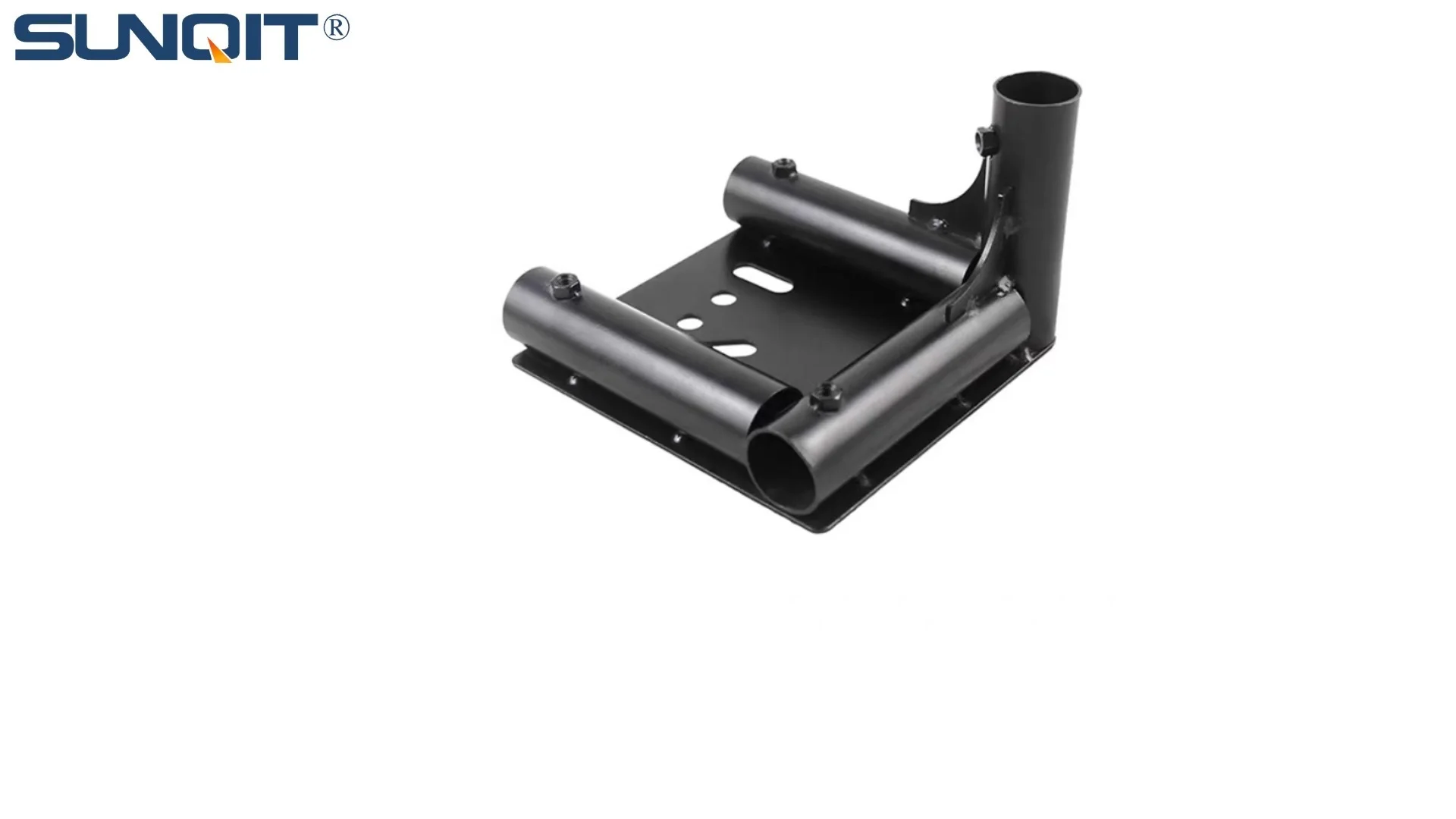
Pipe fitting castor installation base,Well made, precise and strong. Made of high quality of steel,black painting surface treatment for greater resistance to corrosion. It is used for castor or foot lever connection with lean pipe.
Walk into any modern manufacturing facility, and you'll likely notice a common thread: flexibility. Assembly lines that shift overnight, workbenches that reconfigure with a few adjustments, and material racks that glide seamlessly across the floor. This adaptability isn't just about keeping up with changing production demands—it's the heart of lean manufacturing. At its core, lean is about eliminating waste, and while much attention is paid to processes like inventory management or workflow optimization, the physical systems that support these processes often fly under the radar. Enter the lean pipe system: a modular framework of pipes, joints, workbenches, and conveyors that's become a staple in factories aiming for efficiency. But even within these systems, there's a hidden opportunity to cut waste further—one that starts with a small but critical component: the castor installation base.
Understanding Lean Pipe Systems: The Backbone of Flexible Manufacturing
Before diving into the specifics of castor installation bases, let's ground ourselves in what a lean pipe system actually is. Imagine a toolkit where you can build, disassemble, and rebuild structures on demand—no welding, no permanent fixtures, just simple connections. That's the essence of lean pipe systems (sometimes called "flexible pipe systems" or "kitchen pipe systems," a nod to their early use with basic materials). These systems are constructed from lightweight yet durable pipes—often aluminum, stainless steel, or plastic-coated steel—connected by joints that lock into place with minimal effort. Add components like workbenches, flow racks, conveyors, and casters, and you've got a setup that can evolve with your production needs.
The beauty of lean pipe systems lies in their modularity. A workbench today might become a material cart tomorrow; a static flow rack can transform into a mobile assembly station next month. This flexibility is key to reducing waste in manufacturing—after all, why invest in a permanent structure that might become obsolete in six months? But here's the catch: even the most modular systems generate waste when they're upgraded or reconfigured. Pipes get bent, joints wear out, and components like casters or their installation bases often end up in the trash, simply because they're not designed to be reused. That's where reusability, especially in often-overlooked parts like castor installation bases, becomes a game-changer.
The Unsung Hero: What Is a Castor Installation Base?
Let's talk about mobility. In a lean environment, being able to move workstations, material racks, or assembly units is non-negotiable. Casters (those small wheels attached to the bottom of equipment) make this possible, but they don't work alone. Enter the castor installation base: the component that bridges the caster to the structure itself. Think of it as the foundation of mobility—without a sturdy, well-designed base, even the best caster won't keep a workbench stable or rolling smoothly.
Traditional castor installation bases are often simple, one-and-done pieces. They're bolted or welded to the bottom of a workbench or rack, designed to hold a specific caster type, and rarely considered beyond their initial use. When the system is reconfigured—say, the workbench is replaced with a taller model or a different caster type is needed—the old base is typically removed and discarded. It's a small part, so the waste seems negligible at first glance. But multiply that by hundreds of workstations across a factory, or dozens of upgrades over a year, and suddenly those "small" wastes add up: metal scraps in landfills, the energy and resources used to produce new bases, and the costs of constantly buying replacements.

Reusability in Action: Redesigning the Castor Installation Base
The shift toward reusable castor installation bases isn't just about being "green"—it's about aligning with the core principles of lean manufacturing: maximizing value, minimizing waste. So what makes a castor installation base reusable? It starts with design. Reusable bases are engineered to be adaptable, durable, and compatible with multiple setups. Let's break down the key features:
Material Matters:
Many traditional bases are made from low-grade steel or plastic that cracks or bends after minimal use. Reusable bases, by contrast, often use high-quality aluminum or stainless steel. Aluminum, in particular, is a standout choice. It's lightweight, resistant to corrosion, and strong enough to withstand the wear and tear of factory floors. Plus, aluminum lean pipe systems and accessories (like aluminum profile joints or aluminum guide rails) are already common in lean setups, making aluminum castor bases naturally compatible with existing components. This compatibility means when you upgrade a workbench from a plastic-coated lean pipe to an aluminum profile frame, the same castor base can often be repurposed with just a few adjustments.
Modular Connections:
Reusable bases ditch permanent fixtures for adjustable, universal connections. Instead of welding or one-size-fits-all bolts, they use slotted holes, T-slot aluminum profiles, or standardized mounting plates that can accommodate different caster sizes, stem types, or frame designs. For example, a base with a T-slot design can slide a caster stem into place and secure it with a simple clamp, allowing the same base to hold a 3-inch caster wheel today and a 4-inch ESD (electrostatic discharge) wheel tomorrow. This adaptability means the base isn't tied to a single piece of equipment—it can move from a workbench to a turnover trolley to a flow rack, depending on what the factory needs.
Durable Finishes:
Factory environments are tough. Grease, oil, chemicals, and constant movement can take a toll on components. Reusable castor installation bases often feature powder-coated or anodized finishes that resist scratches, rust, and corrosion. Anodized aluminum, for instance, forms a protective oxide layer that keeps the base looking and functioning like new, even after years of use. This durability ensures the base can be reused dozens of times before it needs to be replaced, drastically cutting down on waste.

The Numbers Speak: Comparing Traditional vs. Reusable Bases
To truly grasp the impact of reusable castor installation bases, let's look at the numbers. Below is a comparison of traditional single-use bases and reusable bases over a 5-year period in a mid-sized manufacturing facility with 100 workstations, assuming upgrades every 12 months:
| Metric | Traditional Castor Bases | Reusable Castor Bases | Reduction in Waste/Cost |
|---|---|---|---|
| Total Bases Purchased | 500 (100 bases/year x 5 years) | 120 (Initial 100 + 20 replacements over 5 years) | 76% fewer bases |
| Material Waste (kg) | 1,250 kg (2.5 kg/base x 500 bases) | 300 kg (2.5 kg/base x 120 bases) | 76% less waste |
| Total Cost (USD) | $25,000 ($50/base x 500 bases) | $9,600 ($80/base x 120 bases) | 62% cost savings |
| Disposal Costs | $1,500 (trash removal, recycling fees) | $360 (minimal disposal for worn bases) | 76% lower disposal costs |
These numbers tell a clear story: reusable bases drastically reduce both waste and costs. The initial investment in a reusable base (often 20-50% higher than a traditional base) is quickly offset by savings from fewer replacements, lower disposal fees, and reduced material waste. For example, a $80 reusable aluminum base might cost $30 more upfront than a $50 traditional steel base, but over five years, it replaces five traditional bases, saving $170 per base. Multiply that by 100 workstations, and the factory saves $17,000—money that can be reinvested in other lean initiatives, like employee training or advanced flow rack systems.

Beyond Waste: The Ripple Effects of Reusability
While waste reduction is the headline benefit, reusable castor installation bases create a ripple effect of positive outcomes across the factory. Let's explore a few:
Time Savings:
Upgrading a traditional lean pipe system often involves removing old bases, disposing of them, and installing new ones—tasks that can take hours per workstation. With reusable bases, the process is faster. A maintenance technician can unclamp the base from one frame, adjust the mounting to fit the new frame, and secure it in place in minutes. In a facility with 50 workstations, this could cut upgrade time from a full day to a few hours, minimizing downtime and keeping production on track.
Sustainability Credentials:
Modern consumers and regulators are increasingly holding manufacturers accountable for their environmental impact. Reusing components like castor bases reduces a facility's carbon footprint by lowering the demand for raw materials (like steel or plastic) and cutting down on manufacturing emissions. For example, producing new aluminum emits approximately 16 kg of CO2 per kg of aluminum; reusing an aluminum base 10 times reduces this to 1.6 kg per use. These savings add up, making it easier for companies to meet sustainability goals or earn certifications like ISO 14001.
Employee Morale:
Factory floor employees are the ones who interact with lean pipe systems daily. Cumbersome, wasteful processes can lead to frustration and disengagement. Reusable bases simplify their work: no more wrestling with rusted bolts or waiting for new parts to arrive. When employees see the company investing in tools that make their jobs easier and more sustainable, it boosts pride and motivation. As one production supervisor at a automotive parts plant put it: "When we switched to reusable bases, my team stopped dreading reconfigurations. Now they see it as a quick, efficient task instead of a hassle—and that makes everyone more willing to adapt to new workflows."
Real-World Impact: A Case Study
Case Study: Electronics Manufacturer Cuts Waste by 65% with Reusable Bases
A mid-sized electronics manufacturer in the Midwest was struggling with frequent reconfigurations of its assembly lines. With product cycles shrinking from 18 months to 6 months, the factory was upgrading its lean pipe workbenches and ESD workstations every quarter to accommodate new circuit board models. Each upgrade meant discarding old castor bases—often bent, rusted, or incompatible with the new aluminum profile frames. The waste was piling up: in 2022 alone, the facility sent over 300 kg of steel bases to the landfill, costing $8,000 in disposal fees and $12,000 in new base purchases.
In early 2023, the manufacturer partnered with a lean pipe supplier specializing in aluminum systems and reusable components. They replaced all traditional bases with aluminum castor installation bases featuring T-slot connections and anodized finishes. The results were immediate:
-
Waste Reduction:
Over the next 12 months, only 15 bases needed replacement (due to accidental damage), a 95% reduction in waste compared to 2022.
-
Cost Savings:
The company saved $9,000 on new base purchases and $5,000 on disposal fees in the first year alone.
-
Faster Upgrades:
Reconfiguring 20 workstations now takes 2 hours instead of 8, freeing up technicians for other tasks.
-
ESD Compliance:
The new bases easily accommodated ESD caster wheels, reducing static-related defects by 12%.
"We didn't realize how much time and money we were wasting on throwaway bases until we made the switch," said the facility's operations manager. "Now, when we redesign a line, the bases just move with us. It's like having a toolkit that grows with our needs."
Overcoming the Hurdles: Making the Switch to Reusable Bases
While the benefits are clear, adopting reusable castor installation bases isn't without challenges. Here's how to navigate them:
Initial Investment:
Reusable bases cost more upfront than traditional bases. A high-quality aluminum base might run $70–$100, compared to $30–$50 for a basic steel base. To offset this, focus on the long-term ROI. As the case study shows, the savings in replacement and disposal costs typically pay for the initial investment within 1–2 years. Many lean pipe suppliers also offer bulk discounts or financing options for larger orders, making the switch more affordable.
Design Compatibility:
Older lean pipe systems might use non-standard pipe diameters or custom frames, making it harder to reuse bases. Start small: pilot reusable bases on newer aluminum profile workbenches or ESD workstations, then gradually phase out traditional bases as older systems are upgraded. Work with a knowledgeable lean pipe supplier who can help assess your current setup and recommend compatible bases.
Training Teams:
Maintenance and production teams need to learn how to adjust and reuse the bases. Provide hands-on training sessions on using T-slot connections, adjusting clamps, or swapping caster types. Create quick-reference guides or videos showing common configurations—for example, "How to Mount a Swivel Caster on an Aluminum Base" or "Adapting a Base for a Turnover Trolley." The more comfortable teams are with the bases, the more likely they are to reuse them.
Looking Ahead: The Future of Reusability in Lean Systems
As lean manufacturing evolves, so too will the components that power it. The future of castor installation bases (and lean pipe systems as a whole) lies in deeper integration with smart manufacturing and circular economy principles. Here are a few trends to watch:
Smart Tracking:
Imagine a castor base with a small RFID tag or QR code that logs its usage history—how many times it's been reused, which workstations it's been on, or when it's due for maintenance. This data would help facilities track waste reduction metrics and optimize base allocation, ensuring no base sits idle.
Advanced Materials:
Researchers are exploring even more sustainable materials, like recycled aluminum alloys or bio-based composites, to make bases even more eco-friendly. These materials could offer the same durability as traditional aluminum but with a lower environmental footprint.
Circular Supply Chains:
Lean pipe suppliers are starting to offer take-back programs for old bases, where they're refurbished, repaired, and resold at a discount. This "closed-loop" model ensures that even when a base reaches the end of its life, its materials are recycled or repurposed, leaving almost no waste behind.
Conclusion: Small Change, Big Impact
In the world of lean manufacturing, it's easy to focus on grand process overhauls or high-tech automation. But as we've explored, sometimes the most impactful changes are the smallest ones. Castor installation bases might not grab headlines, but their reusability has the power to transform how factories approach waste reduction. By choosing durable, adaptable, and compatible bases—like those made from aluminum, with modular connections—manufacturers can turn a once-disposable component into a long-term asset.
The benefits are clear: less waste in landfills, lower costs, faster upgrades, and a more sustainable future. As one lean consultant famously said, "Lean isn't about perfection—it's about progress." Reusable castor installation bases are progress in action: a simple, practical step toward a leaner, greener, and more efficient manufacturing world. So the next time you walk through a factory, take a closer look at those wheels under the workbenches. You might just be looking at the future of waste reduction.