- Company Articles
- Products and Technology
- Installation And Maintenance
- Castor Installation Base Wobble Fix: Stabilizing Workbench E in High-Vibration Areas

Castor Installation Base Wobble Fix: Stabilizing Workbench E in High-Vibration Areas
Related Product
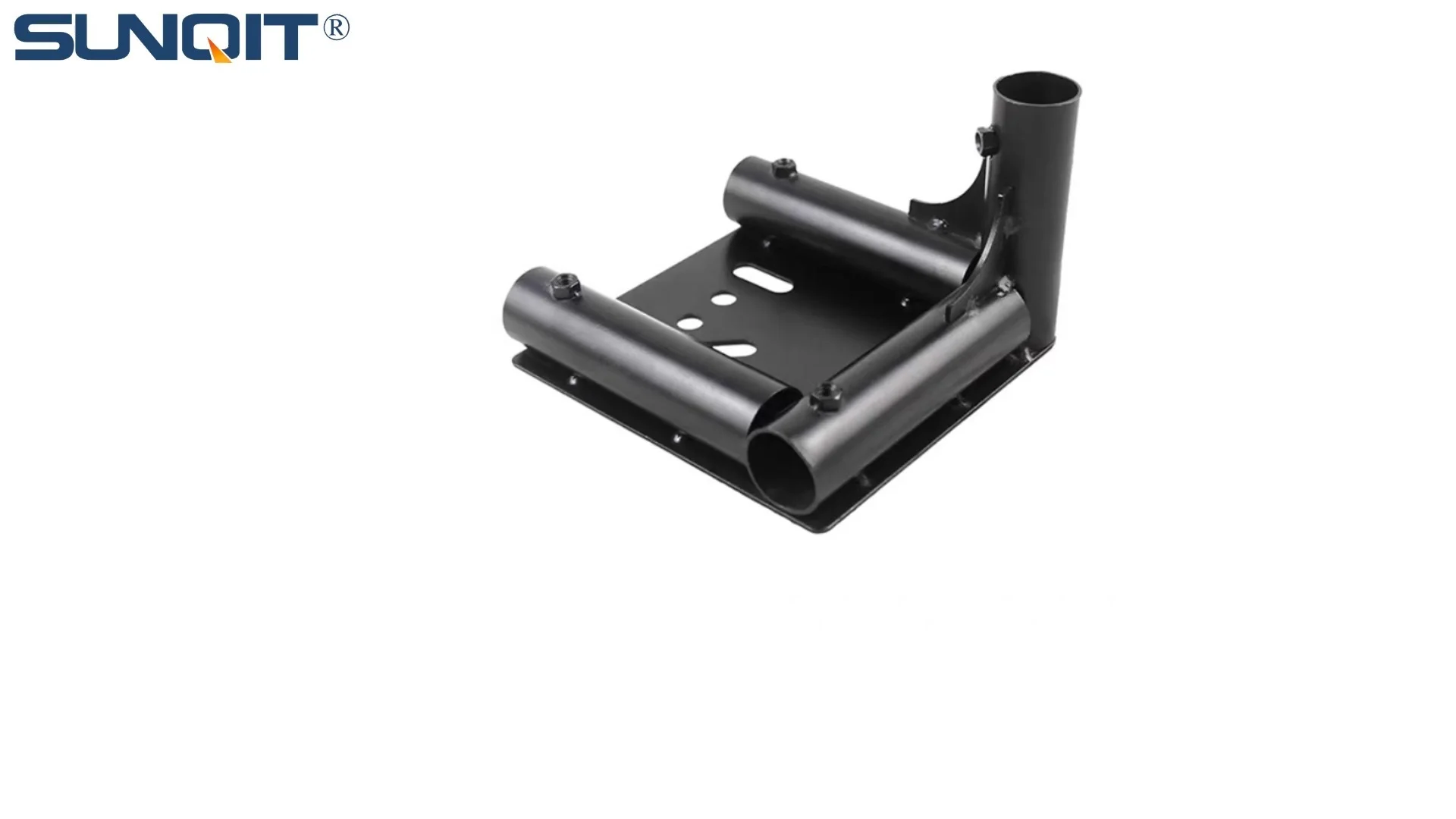
Castor Installation Base
Pipe fitting castor installation base,Well made, precise and strong. Made of high quality of steel,black painting surface treatment for greater resistance to corrosion. It is used for castor or foot lever connection with lean pipe.
Picture this: It's Monday morning on the factory floor, and Maria, a production line lead at a electronics assembly plant, is already frustrated. The Workbench E (single deck-without caster) at Station 3 is wobbling again—badly. Every time the nearby conveyor kicks into gear, the workbench shakes like a leaf in a storm. An operator just spilled a tray of tiny circuit boards because the surface wouldn't stay steady, and another is squinting to align a component, complaining that the wobble is throwing off their precision. "We fixed this last month," Maria mutters, grabbing a wrench. "Why is it back?"
If you've ever managed a workshop, warehouse, or manufacturing facility, you know the scenario all too well. Wobbly workbenches aren't just a nuisance—they're productivity killers. They slow down tasks, increase errors, and even create safety hazards. And in high-vibration areas—where conveyor belts hum, machinery pounds, and forklifts rumble—this problem gets amplified. The culprit? More often than not, it's a yet critical component: the castor installation base. Today, we're diving into why Workbench E wobbles in these tough environments, how the castor installation base plays a starring role, and exactly how to fix it—once and for all.
Understanding Workbench E: The Workhorse of the Production Floor
First, let's get to know the star of our story: Workbench E (single deck-without caster). If you're in manufacturing, logistics, or any industry that relies on organized, efficient workspaces, you've probably crossed paths with this design. Unlike heavier, fixed workbenches, Workbench E is prized for its simplicity and adaptability. It features a single, sturdy deck (no built-in casters, hence the "without caster" label) that sits on a frame, making it easy to customize with add-ons like shelves, tool hooks, or—you guessed it—casters for mobility.
"We chose Workbench E for our assembly lines because it's lightweight but tough," says Raj, a facilities manager at a automotive parts plant. "We can bolt it down for stability or add casters when we need to reconfigure the floor layout. But in areas with constant vibration—like near the stamping machines—that adaptability can backfire if the setup isn't right." And "isn't right" often starts with how the casters (and their installation bases) are attached.
Workbench E's design is intentionally modular, which means it relies on components like the castor installation base to bridge the gap between the workbench frame and the caster wheels. When those bases are loose, misaligned, or worn, the whole system becomes a wobble waiting to happen—especially when vibrations enter the mix.
Why High-Vibration Areas Turn Workbenches into Wobble Machines
Let's talk about vibration. In manufacturing, it's everywhere: from the rhythmic thump of a hydraulic press to the constant hum of a conveyor system. Even something as simple as a nearby forklift passing by sends small shockwaves through the floor. Over time, these vibrations act like a silent wrecking crew on your equipment—including your Workbench E.
"Vibration is insidious," explains Dr. Elena Choi, a mechanical engineer who specializes in industrial workspace design. "It doesn't just shake the surface of the workbench; it loosens fasteners, wears down joints, and creates micro-gaps between components. On a workbench with casters, the castor installation base is the first line of defense. If that base isn't secure, every vibration becomes a tiny hammer, tapping bolts loose and shifting alignment until—boom—you've got a wobble."
High-vibration areas are especially tough because the shaking is constant. It's not a one-time jolt; it's a relentless, low-level (or sometimes high-level) buzz that never stops. Imagine tightening a screw and then tapping it with a wrench every few seconds—that's what vibration does to your castor installation base bolts. Over days or weeks, even the tightest fasteners will loosen. Add in the weight of tools, materials, and workers leaning on the bench, and you've got a perfect storm for instability.
Pro Tip:
Not all vibrations are the same. A conveyor belt might create a low-frequency, constant shake, while a punch press could send sharp, high-energy jolts. Both can loosen castor installation bases, but high-energy jolts are more likely to bend or crack bases over time.

The Castor Installation Base: Your Workbench's Foundation (That No One Thinks About)
Let's get up close with the castor installation base. What even is it? In simple terms, it's the metal or plastic plate (or bracket) that connects the caster wheel to the bottom of the workbench frame. Think of it as the "middleman" between the wheel and the bench. A good base distributes the workbench's weight evenly across the caster, absorbs shocks, and keeps the wheel aligned. A bad one? Well, that's what's causing Maria's Monday morning headaches.
"Most people just bolt a caster onto the frame and call it a day," says Mike, a senior technician at a lean system supplier that specializes in workbench accessories. "But the castor installation base is critical. If it's made of flimsy material, or if it's not sized to match the caster and the workbench weight, it will flex under load. Add vibration, and that flex turns into movement—first a little, then a lot."
For Workbench E, which isn't pre-drilled for casters (since it's "without caster" by design), the installation base becomes even more important. When retrofitting casters, you're drilling into the frame and attaching the base, which means any mistake in alignment or torque will come back to haunt you. "We see this all the time," Mike adds. "Someone uses a base that's too small, or skips using lock washers, or tightens the bolts 'until they feel snug.' Then, three months later, the bench is wobbling because the base has twisted or the bolts have backed out."
And let's not forget caster accessories. Even the best castor installation base won't perform if the bolts are cheap, the washers are missing, or the caster itself is low-quality. "A base is only as good as the hardware holding it together," Mike says. "We recommend using high-tensile bolts, lock washers, and thread locker in high-vibration areas. Those little caster accessories make a world of difference."

Diagnosing the Wobble: Why Your Workbench E Is Shaking
Before you can fix the wobble, you need to figure out
why
it's happening. Wobble is a symptom, not a cause—and the cause could be one (or more) of several issues with the castor installation base or its surrounding components. Let's break down the most common culprits, using Maria's wobbly Workbench E as a case study.
Step 1: Check for Loose Fasteners
Grab a wrench and start with the basics: Are the bolts holding the castor installation base to the workbench frame loose? "This is 90% of the problem," Mike says. "Vibration works bolts loose over time, especially if they weren't torqued properly initially." On Maria's bench, a quick check revealed that two of the four base bolts were finger-loose—no surprise, given the nearby conveyor's constant hum.
Grab a wrench and start with the basics: Are the bolts holding the castor installation base to the workbench frame loose? "This is 90% of the problem," Mike says. "Vibration works bolts loose over time, especially if they weren't torqued properly initially." On Maria's bench, a quick check revealed that two of the four base bolts were finger-loose—no surprise, given the nearby conveyor's constant hum.
Step 2: Inspect the Base for Damage
Next, look at the castor installation base itself. Is it bent? Cracked? Warped? "If the base is made of thin metal, constant vibration can flex it until it deforms," Dr. Choi explains. "Once it's bent, the caster isn't aligned with the frame anymore, so the wheel tilts, and the bench wobbles." Maria's base looked okay at first glance, but a closer inspection showed a tiny crack near one of the bolt holes—likely from repeated stress.
Next, look at the castor installation base itself. Is it bent? Cracked? Warped? "If the base is made of thin metal, constant vibration can flex it until it deforms," Dr. Choi explains. "Once it's bent, the caster isn't aligned with the frame anymore, so the wheel tilts, and the bench wobbles." Maria's base looked okay at first glance, but a closer inspection showed a tiny crack near one of the bolt holes—likely from repeated stress.
Step 3: Check Caster Alignment
Even if the base is tight and undamaged, the caster might be misaligned. "If the base isn't mounted square to the frame, the wheel will point slightly inward or outward," Mike says. "When you roll the bench, or when vibration hits, that misalignment causes the wheel to 'walk,' which shakes the whole bench." Maria noticed that one caster was pointing about 5 degrees off-center—probably from when the bench was moved last month.
Even if the base is tight and undamaged, the caster might be misaligned. "If the base isn't mounted square to the frame, the wheel will point slightly inward or outward," Mike says. "When you roll the bench, or when vibration hits, that misalignment causes the wheel to 'walk,' which shakes the whole bench." Maria noticed that one caster was pointing about 5 degrees off-center—probably from when the bench was moved last month.
Step 4: Test the Caster Wheels Themselves
Finally, don't overlook the casters. A worn wheel, a seized bearing, or a missing caster accessory (like a dust cap) can cause wobble, too. "If the wheel isn't rolling smoothly, it will bounce with every vibration," Dr. Choi notes. "That bounce translates up through the base and into the workbench." Maria spun the casters and found one that was rough—its bearing was starting to seize.
Finally, don't overlook the casters. A worn wheel, a seized bearing, or a missing caster accessory (like a dust cap) can cause wobble, too. "If the wheel isn't rolling smoothly, it will bounce with every vibration," Dr. Choi notes. "That bounce translates up through the base and into the workbench." Maria spun the casters and found one that was rough—its bearing was starting to seize.
To make this easier, we've put together a quick reference table of common wobble causes, how to spot them, and what to do next:
| Symptom | Likely Cause | How to Check | Fix |
|---|---|---|---|
| Wobble worsens when nearby machinery runs | Loose bolts in castor installation base | Try to wiggle the base by hand; if it moves, bolts are loose | Retighten bolts with torque wrench; use thread locker |
| Workbench tilts to one side when loaded | Bent or warped castor installation base | Look for visible bends in the base; use a level to check frame alignment | replace with a heavier-duty base; ensure base matches workbench weight |
| Wobble only happens when rolling the bench | Misaligned caster (due to base installation error) | Mark the wheel position; roll the bench—if the mark shifts, alignment is off | Loosen base, realign caster, retighten bolts |
| Grinding noise + wobble | Seized caster bearing or worn wheel | Spin the caster; rough movement or noise indicates bearing issues | replace caster or bearing; add lubricant (if applicable) |
| Base feels "spongy" when pressed | Low-quality or undersized castor installation base | Check base material thickness; compare to workbench weight rating | Upgrade to a thicker, heavier base rated for higher loads |

Fixing the Wobble: Step-by-Step Solutions for High-Vibration Areas
Now that you've diagnosed the problem, it's time to fix it. Let's walk through the solutions, from quick fixes to more involved upgrades, to get your Workbench E stable again—even in the shakiest environments.
1. Tighten and Secure Loose Bolts (The Quick Win)
If the issue is loose bolts (the most common culprit), grab your tools and get to work. But don't just "crank until tight"—do it right. "Use a torque wrench to tighten bolts to the manufacturer's specs," Mike advises. "For most Workbench E setups with steel frames, that's around 25-30 ft-lbs for 1/4-inch bolts. And always use lock washers or serrated flange nuts—they bite into the metal and resist loosening from vibration."
If the issue is loose bolts (the most common culprit), grab your tools and get to work. But don't just "crank until tight"—do it right. "Use a torque wrench to tighten bolts to the manufacturer's specs," Mike advises. "For most Workbench E setups with steel frames, that's around 25-30 ft-lbs for 1/4-inch bolts. And always use lock washers or serrated flange nuts—they bite into the metal and resist loosening from vibration."
For extra insurance, apply thread locker (like Loctite) to the bolt threads before tightening—just avoid the permanent kind, in case you need to remove the base later. "We use medium-strength thread locker in high-vibration areas," Raj says. "It keeps bolts tight but still lets us take them apart if we need to replace a caster."
2. replace a Damaged or Flimsy Castor Installation Base
If the base is bent, cracked, or undersized, it's time for an upgrade. "Don't cheap out here," Mike warns. "A good castor installation base should be made of 1/4-inch or thicker steel (or aluminum, for lighter setups) and sized to match your caster's plate. For Workbench E, which typically holds 200-300 lbs, look for bases rated for at least 150 lbs per caster (since you'll use 4, that's 600 lbs total—plenty of margin)."
If the base is bent, cracked, or undersized, it's time for an upgrade. "Don't cheap out here," Mike warns. "A good castor installation base should be made of 1/4-inch or thicker steel (or aluminum, for lighter setups) and sized to match your caster's plate. For Workbench E, which typically holds 200-300 lbs, look for bases rated for at least 150 lbs per caster (since you'll use 4, that's 600 lbs total—plenty of margin)."
When installing the new base, take time to align it properly. "Use a square to make sure the base is perpendicular to the frame," Dr. Choi suggests. "A misaligned base will cause the caster to drag, which leads to uneven wear and more wobble down the line." Mark the drill holes carefully, use a center punch to prevent slipping, and drill pilot holes before inserting bolts.
3. Upgrade Your Caster Accessories (The Little Things That Matter)
Remember those caster accessories we mentioned earlier? Now's the time to use them. Swap out standard bolts for high-tensile steel ones. Add rubber washers between the base and the frame to absorb vibration. Use flange nuts instead of regular nuts—their wide base distributes pressure and resists loosening. "We once fixed a chronic wobble by simply adding vibration-dampening washers," Raj recalls. "The base was fine, but the washers absorbed the shock that was loosening the bolts. It cost $15 and saved us hours of downtime."
Remember those caster accessories we mentioned earlier? Now's the time to use them. Swap out standard bolts for high-tensile steel ones. Add rubber washers between the base and the frame to absorb vibration. Use flange nuts instead of regular nuts—their wide base distributes pressure and resists loosening. "We once fixed a chronic wobble by simply adding vibration-dampening washers," Raj recalls. "The base was fine, but the washers absorbed the shock that was loosening the bolts. It cost $15 and saved us hours of downtime."
4. Address Caster Issues (It's Not Just the Base!)
If the caster wheel itself is worn or seized, replacing the base won't help. Inspect each wheel for cracks, flat spots, or rough rolling. For high-vibration areas, consider upgrading to casters with polyurethane wheels—they absorb more shock than rubber or plastic. "Polyurethane wheels are a game-changer," Mike says. "They roll smoothly, resist wear, and dampen vibration better than other materials. Pair them with a solid steel base, and you've got a setup that can handle even the shakiest environments."
If the caster wheel itself is worn or seized, replacing the base won't help. Inspect each wheel for cracks, flat spots, or rough rolling. For high-vibration areas, consider upgrading to casters with polyurethane wheels—they absorb more shock than rubber or plastic. "Polyurethane wheels are a game-changer," Mike says. "They roll smoothly, resist wear, and dampen vibration better than other materials. Pair them with a solid steel base, and you've got a setup that can handle even the shakiest environments."
Pro Tip:
If your Workbench E is in an extremely high-vibration area (like near a heavy-duty stamping machine), consider adding a secondary stabilization system. This could be as simple as adjustable feet (to supplement the casters when the bench is stationary) or as advanced as anti-vibration pads under the casters. "We use suction cup anti-slip foot adjusters on some of our benches," Raj says. "They lock the bench in place when we're not moving it, reducing vibration transfer."
Preventive Maintenance: Keep the Wobble Away for Good
Fixing the wobble is great—but keeping it fixed is even better. In high-vibration areas, proactive maintenance is key to preventing the castor installation base from failing again. Here's how to stay ahead of the problem:
Schedule Regular Inspections
"Set a calendar reminder to check the castor installation bases every two weeks," Maria advises (after finally fixing her Workbench E). "Walk around, wiggle the bases, check for loose bolts, and spin the casters. It takes 5 minutes per bench, and it catches problems before they turn into wobbles." For high-vibration zones, shorten that interval to weekly—those areas are harder on equipment.
"Set a calendar reminder to check the castor installation bases every two weeks," Maria advises (after finally fixing her Workbench E). "Walk around, wiggle the bases, check for loose bolts, and spin the casters. It takes 5 minutes per bench, and it catches problems before they turn into wobbles." For high-vibration zones, shorten that interval to weekly—those areas are harder on equipment.
Retorque Bolts Quarterly
Even with lock washers and thread locker, bolts can loosen over time. Every three months, grab your torque wrench and retighten the castor installation base bolts to spec. "It's a quick task, but it's critical," Mike says. "We've seen benches stay stable for years with this simple step."
Even with lock washers and thread locker, bolts can loosen over time. Every three months, grab your torque wrench and retighten the castor installation base bolts to spec. "It's a quick task, but it's critical," Mike says. "We've seen benches stay stable for years with this simple step."
Clean and Lubricate Casters
Dirt, dust, and debris can work their way into caster bearings, causing them to seize and create wobble. Every month, wipe down the casters and apply a few drops of lubricant (like 3-in-1 oil or lithium grease) to the bearings. "Avoid over-lubricating—excess grease attracts dirt," Dr. Choi notes. "A little goes a long way."
Dirt, dust, and debris can work their way into caster bearings, causing them to seize and create wobble. Every month, wipe down the casters and apply a few drops of lubricant (like 3-in-1 oil or lithium grease) to the bearings. "Avoid over-lubricating—excess grease attracts dirt," Dr. Choi notes. "A little goes a long way."
Train Your Team to Report Issues
Your operators are the first to notice a wobble—so encourage them to speak up. "We added a 'quick fix' log near each workbench," Raj says. "If someone feels a wobble, they jot it down, and our techs check it that day. Catching it early means we can tighten a bolt instead of replacing a base."
Your operators are the first to notice a wobble—so encourage them to speak up. "We added a 'quick fix' log near each workbench," Raj says. "If someone feels a wobble, they jot it down, and our techs check it that day. Catching it early means we can tighten a bolt instead of replacing a base."
Conclusion: A Stable Workbench E = A Productive, Happy Team
Back at Maria's plant, the wobble is fixed. She replaced the cracked castor installation base with a heavy-duty steel version, added lock washers and thread locker, and swapped the seized caster for a polyurethane-wheel model. A week later, the Workbench E at Station 3 is steady as a rock—even when the conveyor is running full tilt. "The operators are happier, we're not wasting parts, and I'm not starting every Monday with a wrench in my hand," she says with a laugh.
The lesson here? Wobble in Workbench E (single deck-without caster) isn't just a minor annoyance—it's a sign that your castor installation base (and its caster accessories) need attention. In high-vibration areas, where machinery never stops shaking, those components take a beating. But with the right fixes—tightening bolts, upgrading bases, using quality accessories—and regular maintenance, you can keep your workbench stable, your team productive, and your downtime to a minimum.
So, the next time you feel a wobble, don't reach for the nearest wrench and call it a day. Take a minute to diagnose the cause, check the castor installation base, and invest in the right parts. Your workbench (and your team) will thank you.