- Company Articles
- Products and Technology
- Product knowledge
- Chemical Resistance of 1.0mm Stainless Steel Pipe for Laboratory Equipment

Chemical Resistance of 1.0mm Stainless Steel Pipe for Laboratory Equipment
Related Product
1.0mm Stainless Steel Pipe
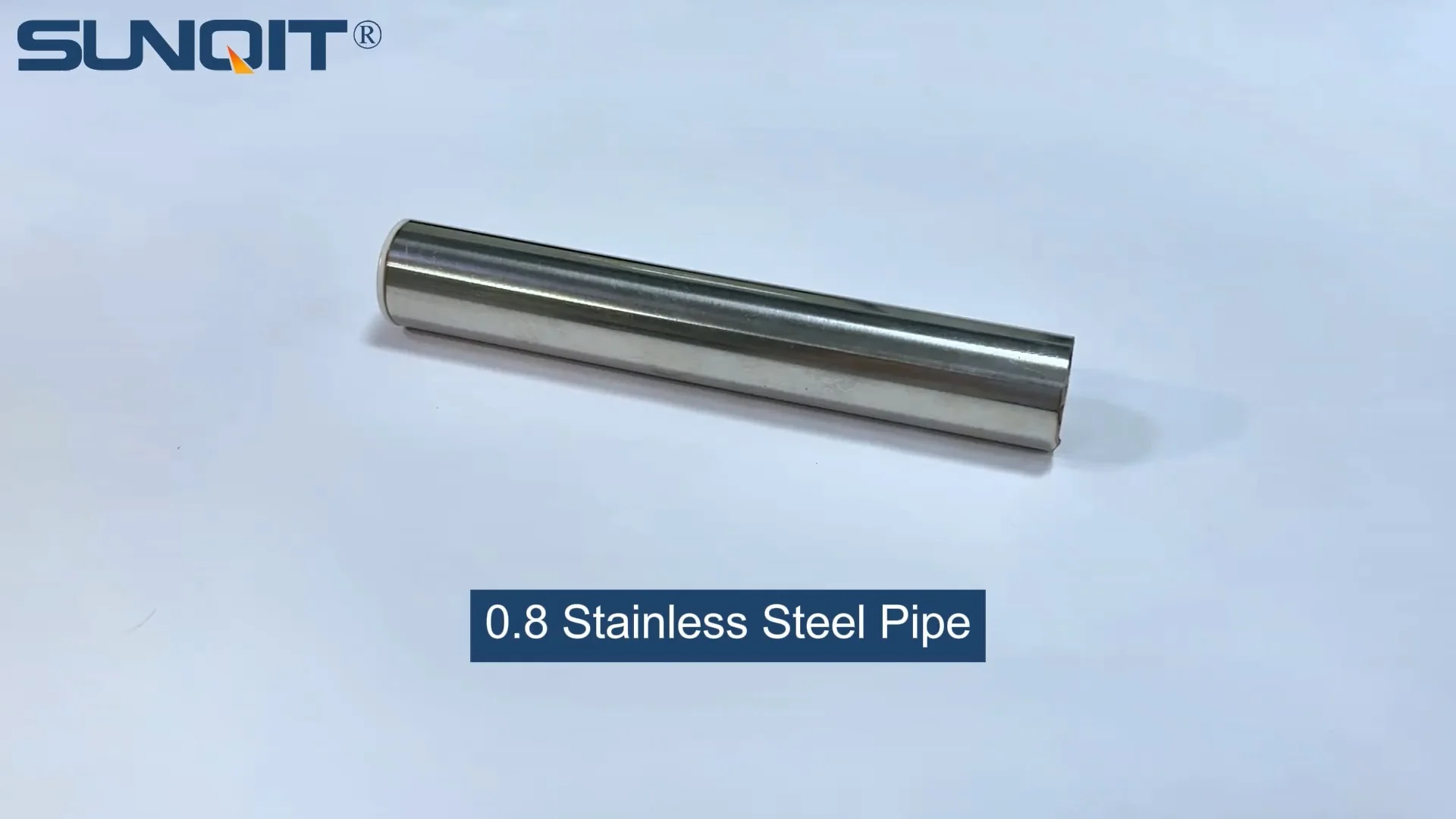
Stainless steel pipe, lean pipe, diameter is 28mm, material is SS201 or SS304, SS201 is normally used in the market. It knows a KARAKURI, KAIZEN material for industrial plant to improve efficiency, save labor cost, standard management.
Introduction: The Backbone of Lab Safety and Efficiency
Walk into any modern laboratory, and you'll notice a silent workhorse holding everything together—stainless steel. From the frames of workbenches to the racks storing reagents, from fluid transfer lines to material transport systems, stainless steel's presence is ubiquitous. But not all stainless steel is created equal, especially when it comes to withstanding the harsh chemical environments of labs. Among the stainless steel pipe series, the 1.0mm stainless steel pipe has emerged as a unsung hero, balancing durability, flexibility, and resistance in ways that make lab technicians breathe a little easier during those long, high-stakes experiments.
Imagine a scenario: a lab technician rushing to neutralize a spilled acid, only to realize the workbench frame beneath the spill is corroding right before their eyes. Panic sets in—not just because of the cleanup, but because a compromised structure could mean days of downtime, delayed research, or worse, safety risks. This is where the right materials matter. In this article, we'll dive into why 1.0mm stainless steel pipe has become the gold standard for lab equipment, focusing on its chemical resistance, real-world applications, and how it compares to other common materials. Whether you're setting up a new lab or upgrading existing equipment, understanding what makes this pipe tick could save you time, money, and a lot of stress.
What Makes 1.0mm Stainless Steel Pipe Stand Out?
First, let's talk about the basics. When we refer to "1.0mm stainless steel pipe," we're talking about a specific thickness that strikes a perfect balance between strength and practicality. At 1.0mm, this pipe isn't overly heavy, making it easy to install and reconfigure—essential in labs where workflows evolve constantly. But don't let its relatively slim profile fool you: this thickness is more than enough to support heavy equipment, withstand accidental impacts, and, crucially, resist the chemical onslaught that comes with daily lab operations.
What truly sets this pipe apart, though, is its composition. Most 1.0mm stainless steel pipes used in labs are part of the 300 series, with 304 and 316 being the most common grades. These aren't just random numbers—they denote specific alloy blends. 304 stainless steel, for example, contains 18% chromium and 8% nickel, forming a passive oxide layer on its surface that acts like a self-healing shield against corrosion. 316 takes it a step further by adding molybdenum, which enhances resistance to chloride-rich environments (think salt solutions or coastal labs). Both grades, when rolled into a 1.0mm thickness, become a formidable barrier against the chemicals that would eat through lesser materials.
Fun Fact: The "stainless" in stainless steel isn't a guarantee of immortality—it's a promise of selective resistance. Without proper care, even the best stainless steel can corrode, but 1.0mm thickness gives it a longer "buffer" period to withstand exposure before damage sets in. That extra millimeter of material can mean the difference between a minor scratch and a full-blown leak.

The Science Behind Chemical Resistance: How It Actually Works
To understand why 1.0mm stainless steel pipe holds up so well in labs, we need to get a little scientific (but don't worry—we'll keep it simple). Stainless steel's secret weapon is its passive layer—a thin, invisible film of chromium oxide that forms on the surface when exposed to oxygen. This layer is self-repairing: if scratched or damaged, it quickly reforms, preventing the underlying metal from reacting with chemicals. The 1.0mm thickness plays a role here too: a thicker pipe means more material to "sacrifice" if the passive layer is temporarily compromised, giving the layer time to regenerate before the pipe itself is weakened.
But how does this hold up against specific chemicals? Let's break it down. Acids, for example, are notorious for eating through metals. Hydrochloric acid (HCl), a staple in many labs, can be particularly aggressive. 304 stainless steel can handle dilute HCl at room temperature, but higher concentrations or temperatures might start to break down the passive layer. 316, with its molybdenum boost, fares better here. Bases like sodium hydroxide (NaOH) are generally less harsh on stainless steel, but prolonged exposure—especially at high concentrations—can still cause issues. Solvents like ethanol or acetone? They're usually a non-issue, as stainless steel is highly resistant to organic solvents.
The key takeaway? The 1.0mm stainless steel pipe doesn't just resist chemicals—it manages them. It buys time for lab staff to address spills, clean surfaces, and maintain equipment, all while keeping the structural integrity of workbenches, racks, and transport systems intact. This isn't just about durability; it's about peace of mind.

Chemical Resistance in Action: How 1.0mm Stainless Steel Handles Common Lab Chemicals
Let's get practical. What happens when 1.0mm stainless steel pipe comes into contact with the chemicals you're actually using in your lab? To answer that, we've put together a comparison table of common lab chemicals and how 304 and 316 grades (the most popular 1.0mm options) stack up against other materials like aluminum pipe and plastic.
| Chemical | Concentration | 1.0mm 304 Stainless Steel | 1.0mm 316 Stainless Steel | Aluminum Pipe | Plastic (PVC) |
|---|---|---|---|---|---|
| Hydrochloric Acid (HCl) | 10% (room temp) | Good (minor pitting after 6+ months) | Excellent (no visible corrosion after 1 year) | Poor (corrodes within weeks) | Fair (swells slightly over time) |
| Sulfuric Acid (H₂SO₄) | 50% (room temp) | Excellent (no corrosion) | Excellent (no corrosion) | Poor (dissolves rapidly) | Good (resistant, but not heat-stable) |
| Sodium Hydroxide (NaOH) | 20% (60°C) | Fair (surface discoloration after 3 months) | Good (minimal discoloration after 6 months) | Poor (severe pitting within days) | Excellent (no visible damage) |
| Ethanol | 95% (room temp) | Excellent (no effect) | Excellent (no effect) | Good (no effect) | Good (no effect) |
| Acetone | 100% (room temp) | Excellent (no effect) | Excellent (no effect) | Good (no effect) | Poor (causes cracking over time) |
As you can see, 1.0mm stainless steel—especially 316 grade—outperforms aluminum and plastic in most scenarios, particularly with acids and solvents. Aluminum, while lightweight, is highly reactive with acids and bases, making it a risky choice for lab frames or material racks. Plastic, on the other hand, may resist some chemicals but lacks the structural strength of stainless steel; a heavy piece of equipment on a plastic rack could lead to bending or warping, which isn't an issue with 1.0mm stainless steel's rigidity.
Beyond the Bench: Real-World Applications in Labs
So, where exactly is 1.0mm stainless steel pipe used in labs? Let's start with the most obvious: workbenches. A lab workbench isn't just a flat surface—it's a hub of activity, supporting hot plates, centrifuges, and rows of reagent bottles. The frame of that workbench? Often made from 1.0mm stainless steel pipe. Why? Because it needs to handle spills, resist corrosion from daily cleaning (hello, disinfectants!), and support heavy loads without flexing. Imagine a workbench with a plastic frame: one accidental knock with a metal beaker, and it might crack. With stainless steel, it's just a minor scratch—easily cleaned, no structural damage.
Then there are material racks—like the material rack b (3 row and 3 floor) configuration common in storage rooms. These racks hold everything from glassware to chemical containers, and they need to be sturdy enough to prevent collapses. 1.0mm stainless steel pipe ensures that even when fully loaded, the racks stay stable, and if a bottle leaks, the pipes won't corrode. This is especially important for long-term storage; a rack that starts to rust after a few years could lead to dangerous spills or damaged equipment.
Fluid transfer is another area where 1.0mm stainless steel pipe shines. Whether it's transferring distilled water, dilute acids, or organic solvents, stainless steel pipes are preferred over plastic because they're less likely to leach chemicals into the fluid (critical for sensitive experiments) and can handle higher temperatures. For example, many labs use these pipes to connect water baths or cooling systems, where the pipe is exposed to both heat and moisture—conditions that would quickly degrade aluminum or plastic.
Pro Tip: When setting up lab equipment, pair 1.0mm stainless steel pipe with compatible lean pipe and accessories. This modular system allows you to customize workbenches, racks, and transport trolleys to your lab's unique needs, all while maintaining the same high level of chemical resistance. It's like building with Legos, but for scientists—and the pieces won't break when exposed to nitric acid.
Comparing to Other Materials: Why Stainless Steel Wins (Most of the Time)
We've touched on aluminum and plastic, but let's dive deeper into why 1.0mm stainless steel pipe is often the better choice. Aluminum pipe is lightweight and cheap, which makes it tempting for budget-conscious labs. But aluminum is highly reactive with acids and bases, and even mild cleaners can cause pitting. It's also softer than stainless steel, so it dents easily—bad news for high-traffic areas.
Plastic pipes (like PVC or PTFE) are resistant to many chemicals, but they have their own drawbacks. PTFE is expensive and rigid, making it hard to bend or reconfigure. PVC is cheaper but can warp under heat, and organic solvents like acetone can cause it to crack over time. Plus, plastic isn't as strong as stainless steel—you can't hang heavy equipment from a plastic pipe without worrying about it sagging or breaking.
What about other stainless steel thicknesses? 0.8mm stainless steel pipe is thinner and cheaper, but it's more prone to bending under heavy loads and may corrode faster in harsh environments. 1.2mm is thicker and stronger, but it's heavier and harder to work with—overkill for most lab applications. 1.0mm hits that sweet spot: strong enough to last, flexible enough to install, and affordable enough to scale.
Maintaining Your 1.0mm Stainless Steel Pipe: Tips for Longevity
Even the most resistant materials need a little TLC. Here's how to keep your 1.0mm stainless steel pipe in top shape:
- Clean spills immediately: Even though stainless steel resists chemicals, prolonged exposure to strong acids or bases can still damage the passive layer. Wipe up spills with a mild detergent and water as soon as possible.
- Avoid abrasive cleaners: Steel wool or harsh scouring pads can scratch the surface, making it easier for corrosion to take hold. Stick to soft cloths or non-abrasive sponges.
- Inspect regularly: Check for signs of pitting, discoloration, or rust (yes, stainless steel can rust if the passive layer is compromised). Pay extra attention to joints and welds, where moisture can collect.
- Passivate if needed: If you notice minor corrosion, you can "re-passivate" the pipe by cleaning it with a 5-10% nitric acid solution (followed by thorough rinsing). This helps rebuild the chromium oxide layer.
By following these steps, your 1.0mm stainless steel pipe should last for decades—far longer than most other materials, and with far fewer headaches.
Conclusion: Why 1.0mm Stainless Steel Pipe is a Lab's Best Friend
At the end of the day, labs are all about precision, reliability, and safety. The equipment that holds everything together—from workbenches to material racks—needs to be just as dependable as the scientists using it. 1.0mm stainless steel pipe checks all those boxes: it resists the chemicals that would destroy other materials, supports heavy loads without bending, and lasts for years with minimal maintenance. It's not the flashiest piece of lab equipment, but it's one of the most critical.
Whether you're a lab manager planning a renovation, a researcher setting up a new workspace, or just someone curious about the materials that make science possible, remember this: the next time you spill a beaker of acid and the workbench doesn't even flinch, you have 1.0mm stainless steel pipe to thank. It's the quiet foundation that lets labs do what they do best—push boundaries, solve problems, and change the world—without worrying about the tools holding them back.
So, here's to the unsung heroes of the lab: the stainless steel pipes that keep things standing, even when the chemicals are flying. They may not get the credit, but they deserve it.