- Company Articles
- Products and Technology
- Product knowledge
- Choosing 1.2mm Stainless Steel Pipe for Heavy-Duty vs Light-Duty Applications

Choosing 1.2mm Stainless Steel Pipe for Heavy-Duty vs Light-Duty Applications
Related Product
1.2mm Stainless Steel Pipe
Stainless steel pipe, lean pipe, diameter is 28mm, material is SS201 or SS304, SS201 is normally used in the market. It knows a KARAKURI, KAIZEN material for industrial plant to improve efficiency, save labor cost, standard management.
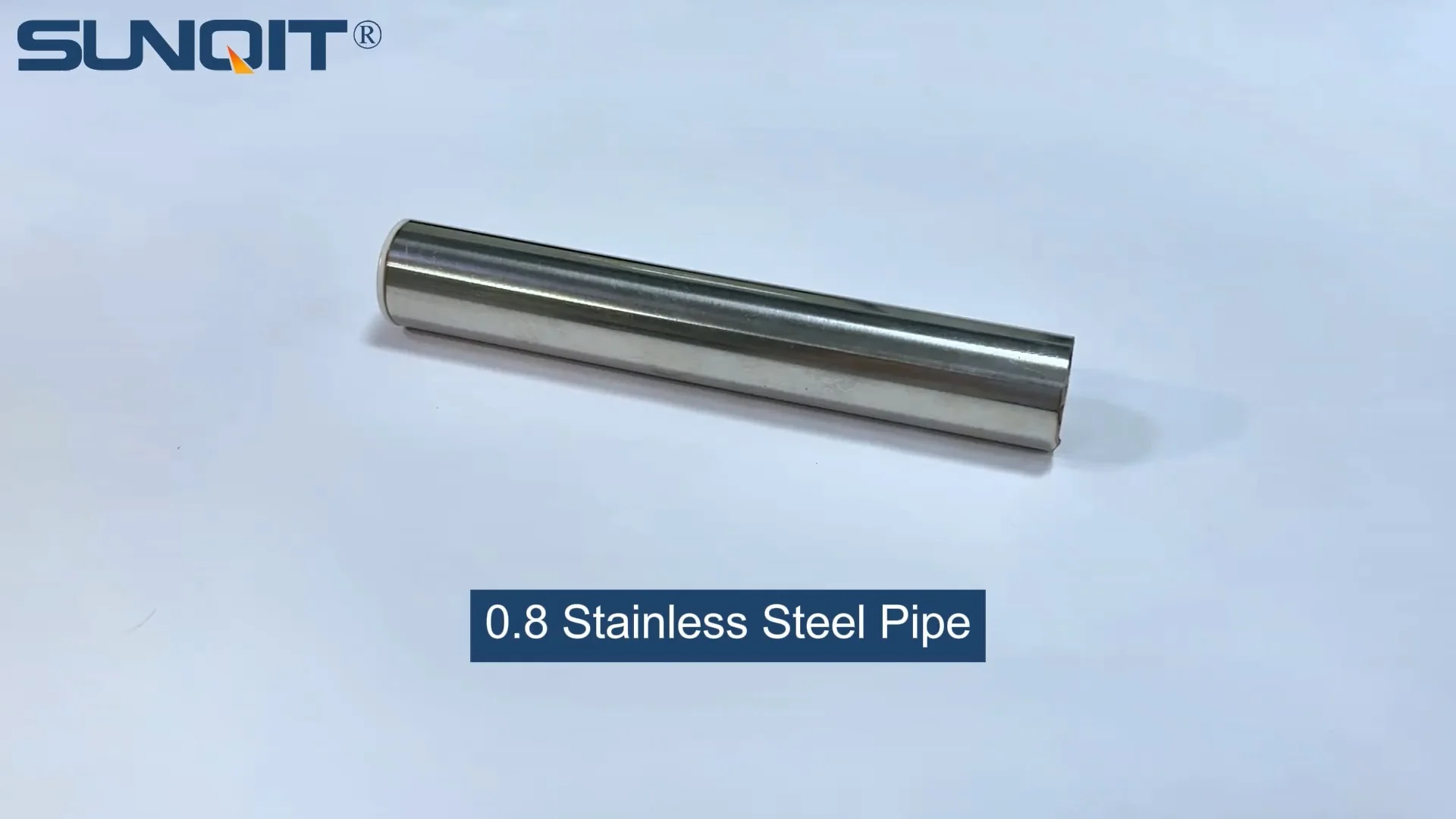
In the world of industrial setups, where every component plays a role in keeping operations running smoothly, there's one unsung hero that often gets overlooked: the pipe. Not the flashy machinery or the high-tech software, but the humble pipe that forms the backbone of workbenches, material racks, and conveyor systems. And when it comes to pipes, few options strike a balance between strength, versatility, and practicality quite like the 1.2mm stainless steel pipe. But how do you know if it's the right fit for your needs? Is it better suited for heavy-duty tasks that demand brute strength, or does it shine in lighter, more precision-focused applications? Let's dive in and explore.
What Makes 1.2mm Stainless Steel Pipe Stand Out?
First, let's get to know the star of the show: the 1.2mm stainless steel pipe. At first glance, 1.2mm might seem like just a number, but in the context of industrial materials, that thickness is a sweet spot. Stainless steel itself is already celebrated for its corrosion resistance, durability, and sleek finish—qualities that make it a favorite in environments where moisture, chemicals, or frequent cleaning are part of the daily grind. But when you pair that with a 1.2mm wall thickness, something special happens.
Think of it this way: A thinner pipe (say, 1.0mm) might save on weight and cost, but it could buckle under heavy loads or wear down faster in high-stress setups. On the flip side, a thicker pipe (like 1.5mm or 2.0mm) offers unmatched strength, but it adds unnecessary heft and expense when the job doesn't require that level of durability. The 1.2mm option? It's like the Goldilocks of pipes—not too thin, not too thick. It brings enough structural integrity to handle demanding tasks without weighing down your setup or blowing your budget.
Another key advantage? Stainless steel's inherent resistance to rust and corrosion. Whether your facility deals with humidity, spills, or regular washdowns, a 1.2mm stainless steel pipe won't degrade or weaken over time. This longevity means fewer replacements, less maintenance, and more consistent performance—all of which add up to cost savings in the long run.
Heavy-Duty Applications: When Strength Can't Be Compromised
Let's start with the tough jobs—the ones where "good enough" just isn't enough. Heavy-duty applications demand components that can withstand constant pressure, heavy loads, and the kind of wear and tear that would turn lesser materials into scrap metal. This is where the 1.2mm stainless steel pipe truly proves its mettle.
Take workbenches , for example. In a manufacturing plant, a workbench isn't just a table—it's a battle station. It might hold heavy machinery, stacks of raw materials, or tools that get dropped, banged, and moved around all day. A flimsy frame here could lead to wobbling, instability, or even collapse, putting workers at risk and halting production. But a frame built with 1.2mm stainless steel pipe? It's sturdy enough to handle those daily abuses without so much as a creak. The thickness ensures the pipe doesn't bend under the weight of, say, a 200kg assembly tool, while the stainless steel resists scratches and dents that would mar other materials like aluminum or plastic-coated pipes.
Then there's roller track systems—those conveyor-like setups that move materials from one station to another. In heavy-duty scenarios, these tracks might be transporting large, bulky items: engine parts, metal sheets, or crates filled with finished goods. A weaker pipe here could sag in the middle, causing jams or uneven movement that slows down the line. The 1.2mm stainless steel pipe, however, maintains its straightness even under continuous load. Its rigidity ensures the rollers spin smoothly, and the corrosion resistance means it won't rust even if oil or coolant drips onto it from the materials being transported.
Material racks are another area where 1.2mm stainless steel pipe shines. Imagine a warehouse rack holding pallets of heavy components—each pallet weighing hundreds of kilograms. The vertical supports and horizontal beams of that rack need to be unyielding. With 1.2mm stainless steel, you get the strength to bear that weight without the rack bowing or leaning over time. And because stainless steel is less prone to warping than, say, carbon steel (which can rust and weaken), these racks stay reliable for years, reducing the need for frequent replacements.

Light-Duty Applications: Precision and Flexibility Matter Most
Now, let's shift gears to lighter applications—those where the focus is on precision, flexibility, and adaptability rather than raw strength. You might be surprised to learn that 1.2mm stainless steel pipe holds its own here, too. In fact, its moderate thickness makes it ideal for setups that need to be both sturdy and easy to reconfigure.
Consider lean system implementations. Lean manufacturing is all about minimizing waste, optimizing workflow, and keeping processes agile. That means workstations, material handlers, and assembly lines need to be adjustable—able to change shape or layout as production needs evolve. A pipe that's too thick (like 2.0mm) would be heavy and hard to move, making reconfigurations a hassle. A pipe that's too thin (like 1.0mm) might not hold up to even light, repeated adjustments. The 1.2mm stainless steel pipe hits the mark: it's light enough to be maneuvered by a single worker when rearranging a workbench, but strong enough to maintain its structure once in place. For example, a lean assembly line using 1.2mm pipe can have its workstations adjusted in minutes—adding a shelf here, moving a tool holder there—without compromising stability.
Small-part assembly is another light-duty area where 1.2mm stainless steel pipe excels. Think of electronics manufacturing, where workers handle tiny components like circuit boards or microchips. The workbenches and tool racks here don't need to support tons of weight, but they do need to be precise and corrosion-resistant (since even a small rust spot could contaminate sensitive parts). A 1.2mm stainless steel frame for these workbenches provides a clean, smooth surface that's easy to sanitize, and its moderate weight makes it easy to add accessories like tool hooks or component bins without overloading the structure.
Retail or lab setups also benefit from 1.2mm stainless steel pipe's light-duty versatility. In a lab, where equipment needs to be moved frequently for experiments, a mobile cart built with 1.2mm pipe is easy to push around but stable enough to hold delicate instruments. In a retail stockroom, lightweight shelving made from the same pipe can be adjusted to fit different product sizes, and the stainless steel finish keeps it looking neat even with daily use.

Heavy-Duty vs. Light-Duty: A Side-by-Side Comparison
To help you decide which application fits your needs, let's break down the key differences between using 1.2mm stainless steel pipe for heavy-duty vs. light-duty tasks:
| Factor | Heavy-Duty Applications | Light-Duty Applications |
|---|---|---|
| Load Capacity | Ideal for loads of 100kg+ (e.g., workbenches with heavy machinery, roller tracks for large parts) | Suitable for loads under 100kg (e.g., lean system workstations, small-part assembly lines) |
| Primary Concern | Strength and rigidity to prevent bending or sagging under constant heavy use | Flexibility and ease of reconfiguration to adapt to changing workflow needs |
| Environmental Exposure | Often exposed to harsh conditions (oil, chemicals, moisture)—stainless steel's corrosion resistance is critical | Typically in controlled environments (clean labs, offices)—corrosion resistance is still useful but not the main driver |
| Installation & Maintenance | May require tools or multiple workers to install due to weight; low maintenance thanks to durability | Can be installed by one person with basic tools; easy to disassemble and reconfigure |
| Cost-Effectiveness | Initial cost is justified by long lifespan and reduced replacements | Moderate cost balances performance and flexibility, avoiding overspending on unnecessary thickness |
Real-World Examples: How 1.2mm Stainless Steel Pipe Delivers Results
To put this all in perspective, let's look at a couple of real-world scenarios where 1.2mm stainless steel pipe made a tangible difference.
Case 1: Automotive Parts Manufacturer (Heavy-Duty)
A mid-sized automotive parts factory was struggling with frequent breakdowns in their roller track system. They'd been using 1.0mm plastic-coated pipes, which kept bending under the weight of engine blocks (each weighing ~150kg). The bends caused the blocks to get stuck, leading to production delays and frustrated workers. After switching to 1.2mm stainless steel pipe for the track's frame, the issues stopped. The new pipes didn't sag, the blocks moved smoothly, and the factory saw a 30% reduction in downtime over six months. Plus, the stainless steel tracks were easier to clean, which reduced the risk of debris buildup—another common cause of jams.
Case 2: Electronics Assembly Plant (Light-Duty)
An electronics plant specializing in smartphone components adopted a lean manufacturing approach and needed workstations that could be reconfigured weekly to accommodate new product models. Their old setup used 1.5mm aluminum pipes, which were heavy and hard to move. Switching to 1.2mm stainless steel pipe transformed their workflow. Workers could now adjust the height of shelves, add tool holders, or move entire workstations in under an hour (compared to half a day with the aluminum setup). The stainless steel was also more durable than aluminum, resisting dents from dropped tools, and the corrosion resistance meant the workstations stayed looking new even in the humid factory environment.
Key Considerations When Choosing 1.2mm Stainless Steel Pipe
So, you're convinced that 1.2mm stainless steel pipe has potential—but how do you ensure it's the right choice for your specific application? Here are a few questions to ask yourself:
1. What's the maximum load your setup will handle?
If you're building a workbench that will regularly hold items over 100kg, 1.2mm stainless steel is a solid bet. For lighter loads (under 50kg), you might wonder if a thinner pipe would suffice—but remember, 1.2mm offers a buffer against unexpected stress (like someone accidentally dropping a heavy tool). It's better to have a little extra strength than to risk failure.
2. How often will you need to reconfigure the setup?
If flexibility is key (like in a lean system), 1.2mm's moderate weight makes it easier to work with than thicker pipes. If the setup is permanent (like a fixed material rack), the pipe's weight is less of a concern, but its durability still shines.
3. What's the environment like?
Stainless steel's corrosion resistance is a big plus in wet, humid, or chemical-exposed areas. If your facility is dry and clean, you might get by with other materials, but stainless steel's longevity still makes it a worthwhile investment.
4. What accessories will you use?
1.2mm stainless steel pipe works well with standard pipe joints, casters, and brackets. Just ensure the accessories are rated for the pipe's thickness—most manufacturers design joints to fit 1.0mm to 1.5mm pipes, so compatibility shouldn't be an issue.
Final Thoughts: The Versatility of 1.2mm Stainless Steel Pipe
At the end of the day, the 1.2mm stainless steel pipe isn't a one-size-fits-all solution—but it comes pretty close. It's strong enough to handle heavy-duty tasks like supporting workbenches and moving engine blocks, yet flexible enough to excel in light-duty, lean system setups where adaptability is key. Its corrosion resistance, durability, and moderate weight make it a practical choice for a wide range of industrial and commercial applications.
So, whether you're building a rugged roller track for a factory floor or a nimble workstation for a lean assembly line, don't overlook the 1.2mm stainless steel pipe. It might just be the unsung hero your setup has been missing.