- Company Articles
- Products and Technology
- Product knowledge
- Choosing 4080 Aluminum Profile End Caps for High-Temperature Environments

Choosing 4080 Aluminum Profile End Caps for High-Temperature Environments
Related Product
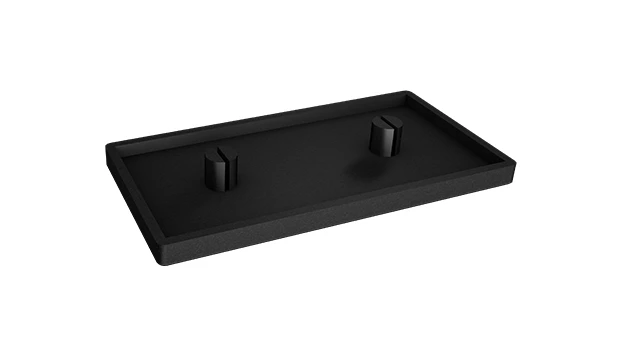
4080 Aluminum Profile End Cap
The aluminum profile end cap adds a finishing touch to your project and closes off profile ends to limit dust and debris buildup, also it can avaid some scratch for material and labor during the assemble work.
Walk into any industrial facility where high-temperature processes dominate—automotive assembly lines baking under curing ovens, aerospace workshops welding titanium components, or electronics plants running soldering stations for hours on end—and you'll notice a common backbone: aluminum extrusion profiles. These modular structures form everything from workbenches and material racks to conveyor supports, their durability and adaptability making them indispensable. Yet, for all their robustness, these aluminum extrusion profiles rely on small, often overlooked components to perform at their best: end caps. When temperatures soar, selecting the right 4080 aluminum profile end cap isn't just a matter of aesthetics or cost—it's a critical choice that safeguards efficiency, safety, and long-term reliability.
In this guide, we'll dive into why 4080 aluminum profiles are a staple in high-heat settings, the unique role end caps play in these environments, and the key factors to consider when choosing one. Whether you're a plant manager replacing worn components or an engineer designing a new system, understanding the nuances of these small but mighty accessories will help you avoid costly downtime and ensure your operations run seamlessly—even when the heat is on.
Why 4080 Aluminum Extrusion Profiles Are a Go-To for High-Temperature Settings
Before we focus on end caps, let's first unpack why 4080 aluminum profiles are so widely used in environments where temperatures climb. These profiles, named for their dimensions (40mm in width, 80mm in height), strike a perfect balance between strength, weight, and versatility. Aluminum itself boasts excellent thermal conductivity, meaning it dissipates heat efficiently—critical in spaces where machinery generates constant warmth. Unlike steel, it resists corrosion, even when exposed to the moisture or chemicals often present in industrial workflows. And thanks to their T-slot design, 4080 profiles easily integrate with aluminum profile accessories like brackets, connectors, and panels, allowing for quick customization without welding or heavy tools.
In high-temperature environments, these traits become even more valuable. Imagine a automotive paint shop, where workbenches hold car parts as they cure at 180°C (356°F). A 4080 profile workbench won't warp under the heat, and its lightweight nature makes reconfiguring the line for new car models a breeze. Similarly, in a food processing plant, material racks built from 4080 profiles can withstand the high temperatures of washdown cycles without rusting, ensuring compliance with hygiene standards. It's no wonder these profiles are the backbone of lean manufacturing systems, where adaptability and durability directly impact the bottom line.
The Unsung Role of End Caps in High-Heat Environments
At first glance, end caps might seem like trivial additions to aluminum extrusion profiles—after all, they're just small caps that snap or screw onto the open ends of the profile. But in high-temperature settings, their role becomes surprisingly vital. Let's break down what they do:
Sealing Against Debris and Contamination: Open profile ends act like magnets for dust, metal shavings, and even liquid spills—common byproducts in busy industrial spaces. In high-heat environments, these contaminants can bake onto the profile's interior, corroding it over time or clogging T-slots, making it harder to attach accessories later. A well-fitted end cap creates a barrier, keeping the profile's interior clean and functional.
Protecting Against Thermal Stress: Aluminum expands when heated and contracts when cooled—a phenomenon known as thermal cycling. Without an end cap, the exposed edges of the profile can weaken over repeated cycles, leading to cracks or deformation. End caps absorb some of this stress, acting as a buffer to maintain the profile's structural integrity.
Enhancing Safety: Uncapped profiles have sharp, raw edges—hazards in any workplace, but especially risky in high-temperature areas where workers might rush to adjust equipment or move materials. End caps smooth these edges, reducing the chance of cuts or scrapes. They also prevent accidental contact with hot internal surfaces, adding a layer of protection when profiles absorb heat from nearby machinery.
Reducing Noise and Vibration: In facilities with conveyors or moving parts, aluminum profiles can vibrate against each other, creating noise. End caps dampen this vibration, especially when made from flexible materials that absorb sound—a small detail that makes a big difference in long workdays.
The problem? Not all end caps are built to handle heat. Standard plastic end caps, designed for room-temperature use, can soften, warp, or even melt when exposed to sustained high temperatures. Rubber variants might harden or lose elasticity, failing to seal properly. That's why choosing a 4080 aluminum profile end cap specifically engineered for high-heat conditions is non-negotiable.

Key Factors to Consider When Selecting High-Temperature End Caps
When shopping for 4080 aluminum profile end caps for hot environments, keep these critical factors in mind. They'll help you narrow down options and avoid costly mistakes:
1. Material Composition: The Foundation of Heat Resistance
The material of the end cap is the single most important factor. Here's how common options stack up in high-temperature settings:
| Material Type | Continuous Temp Range (°C) | Peak Temp Resistance (°C) | Key Advantages | Limitations | Best For |
|---|---|---|---|---|---|
| Silicone | -60 to 230 | 260 (short-term) | Flexible, excellent sealing, chemical resistant | Can degrade in oil/grease-rich environments | Food processing, electronics assembly |
| PTFE (Teflon) | -200 to 260 | 300 (short-term) | Extreme heat resistance, non-stick, chemical inert | Stiff, higher cost, poor impact resistance | Aerospace, high-heat chemical processing |
| High-Temp Nylon | -40 to 180 | 200 (short-term) | Cost-effective, rigid, good impact strength | Prone to warping above 180°C | Automotive workshops, general manufacturing |
| Aluminum Metal | Up to 600 | 800 (short-term) | Unmatched heat resistance, durable | Heavy, no sealing properties, conductive (risk of burns) | Foundries, welding stations |
| EPDM Rubber | -40 to 150 | 180 (short-term) | Weather-resistant, good elasticity, low cost | Not suitable for temps above 150°C | Outdoor high-heat applications (e.g., solar panel factories) |
For most industrial high-temperature environments (150–230°C), silicone or high-quality PTFE end caps are reliable choices. If your facility deals with occasional temperature spikes—say, a curing oven that reaches 250°C for 30 minutes—opt for silicone, as it handles short-term peaks better than nylon. For extreme settings like foundries, metal end caps are the only practical option, though they'll need additional safety measures (e.g., heat-resistant coatings) to prevent burns.
2. Temperature Consistency: Continuous vs. Intermittent Heat
Not all high-temperature environments are the same. Some run at a steady 180°C for 12-hour shifts (e.g., plastic molding plants), while others experience intermittent spikes (e.g., a bakery's oven that cycles between 200°C and room temp). Your end cap must handle your specific heat pattern. For continuous heat, prioritize materials with low "compression set"—a measure of how well a material retains its shape under sustained stress. Silicone, for example, has excellent compression set resistance, making it ideal for non-stop high-heat use. For intermittent heat, focus on materials that resist thermal shock (sudden temperature changes), like PTFE or reinforced nylon.
3. Chemical and Environmental Exposure
High temperatures rarely exist in isolation—they're often paired with oils, solvents, coolants, or humidity. A silicone end cap might handle 230°C easily but degrade quickly if exposed to hydraulic oil. PTFE, on the other hand, is chemically inert, making it a better choice for environments with aggressive substances. Check the end cap's chemical resistance chart (usually provided by the aluminum profile accessories supplier) to ensure it can withstand your facility's unique mix of heat and chemicals.
4. Fit and Installation: Snug, Secure, and Tool-Free
Even the most heat-resistant end cap will fail if it doesn't fit the 4080 profile tightly. Look for designs with a "lip" or ribbed interior that grips the profile's edges—this prevents slipping, even as the material expands/contracts with temperature changes. Push-fit end caps are preferred for high-heat settings, as they don't require adhesives (which can melt) or screws (which can loosen due to thermal cycling). Some manufacturers offer "tapered" designs that compress slightly when inserted, creating a tighter seal—ideal for dusty or humid environments where debris might otherwise seep in.
5. Compliance and Certifications
In regulated industries (food processing, medical device manufacturing, aerospace), end caps must meet safety standards. For example, food-grade facilities need end caps certified as FDA-compliant (silicone is a common choice here). Electronics plants might require RoHS compliance to avoid heavy metal contamination. Always ask your aluminum profile supplier for certification documents—reputable suppliers will readily provide test reports for temperature resistance, chemical compatibility, and safety standards.

Real-World Applications: How the Right End Cap Solves Problems
To see these factors in action, let's look at two case studies where choosing the right 4080 aluminum profile end cap made all the difference:
Case Study 1: Automotive Paint Shop Eliminates Downtime with Silicone End Caps
A mid-sized automotive parts manufacturer was struggling with frequent workbench failures in their paint curing area. The facility used standard plastic end caps on their 4080 aluminum extrusion profile workbenches, which sat near ovens running at 200°C. Within 3–4 months, the plastic end caps would warp, allowing paint dust and debris to enter the profiles. This clogged T-slots, making it impossible to attach tool holders or material bins, and forced maintenance crews to replace end caps monthly—costing $2,000 in labor and parts annually.
After consulting with their aluminum profile accessories supplier, they switched to silicone end caps rated for continuous 230°C use. The result? Over 18 months later, the end caps show no signs of warping, T-slots remain clean, and maintenance visits for end cap replacement have dropped to zero. The upgrade cost $500 upfront but saved the company over $3,000 in the first year alone.
Case Study 2: Aerospace Supplier Avoids Contamination with PTFE End Caps
An aerospace component supplier needed to redesign their material racks to hold titanium parts during heat treatment (temperatures reaching 250°C). Their initial choice—nylon end caps—melted during the first run, leaving plastic residue on the parts. This contamination required costly rework and delayed a critical order.
They switched to PTFE end caps, which withstood the 250°C heat and left no residue. The rigid PTFE design also provided a stable base for the heavy titanium parts, reducing vibration during transport. While more expensive than nylon, the PTFE caps prevented $15,000 in rework costs and ensured on-time delivery.
Common Mistakes to Avoid When Buying High-Temp End Caps
Even with the right knowledge, it's easy to slip up. Watch out for these pitfalls:
Choosing Based on Price Alone: A $0.50 plastic end cap might seem like a steal, but if it fails in 3 months, it's far costlier than a $2 silicone cap that lasts 2 years. Calculate the total cost of ownership (replacement frequency + labor) instead of just the upfront price.
Ignoring Peak Temperatures: Don't just check the continuous temperature rating—ask about peak resistance. A facility with occasional 280°C spikes needs a cap that can handle short bursts, even if daily temps stay at 200°C.
Overlooking Compatibility with Aluminum Profiles: Not all 4080 profiles are identical—some have slightly different internal dimensions due to manufacturing tolerances. Always request samples from your supplier to test the fit before ordering in bulk.
Forgetting About Post-Installation Conditions: If your end caps will be exposed to UV light (e.g., near windows) or outdoor elements, choose materials with UV resistance (silicone and PTFE both excel here). Standard rubber or plastic will degrade quickly under UV exposure, even at moderate temperatures.
How to Find a Reliable Supplier for High-Temperature End Caps
Your end cap is only as good as the supplier who makes it. Look for these traits when choosing a partner:
Specialization in Industrial Aluminum Accessories: Avoid general hardware stores—opt for suppliers who focus on aluminum extrusion profile accessories. They'll have deeper expertise in high-temperature applications and can guide you to the right product.
Transparent Testing Data: A reputable supplier will provide detailed specs, including temperature resistance test reports from third-party labs. If they can't show proof of performance, walk away.
Customization Options: If your 4080 profile has unique dimensions or you need end caps in specific colors (for safety coding, for example), choose a supplier who offers custom molding. This ensures a perfect fit and tailored performance.
Responsive Customer Support: High-temperature applications can be complex—you need a supplier who answers questions promptly and offers technical advice. Test their responsiveness before ordering by asking about material selection or temperature ratings.
Final Thoughts: Invest in the Details That Matter
In the fast-paced world of industrial operations, it's easy to overlook small components like end caps. But as we've seen, the right 4080 aluminum profile end cap can transform a high-temperature workspace from a source of frustration into a model of efficiency. By prioritizing material heat resistance, fit, and supplier reliability, you'll ensure your aluminum extrusion profiles—and the systems they support—stand up to the heat, day in and day out.
Remember: in high-temperature environments, every component counts. The end cap might be small, but its impact on safety, productivity, and cost-efficiency is anything but. Choose wisely, and your facility will reap the benefits for years to come.