- Company Articles
- Products and Technology
- Product knowledge
- Choosing Between Standard & Heavy-Duty Parallel Rotatory Lean Pipe Joint Chrome

Choosing Between Standard & Heavy-Duty Parallel Rotatory Lean Pipe Joint Chrome
Related Product
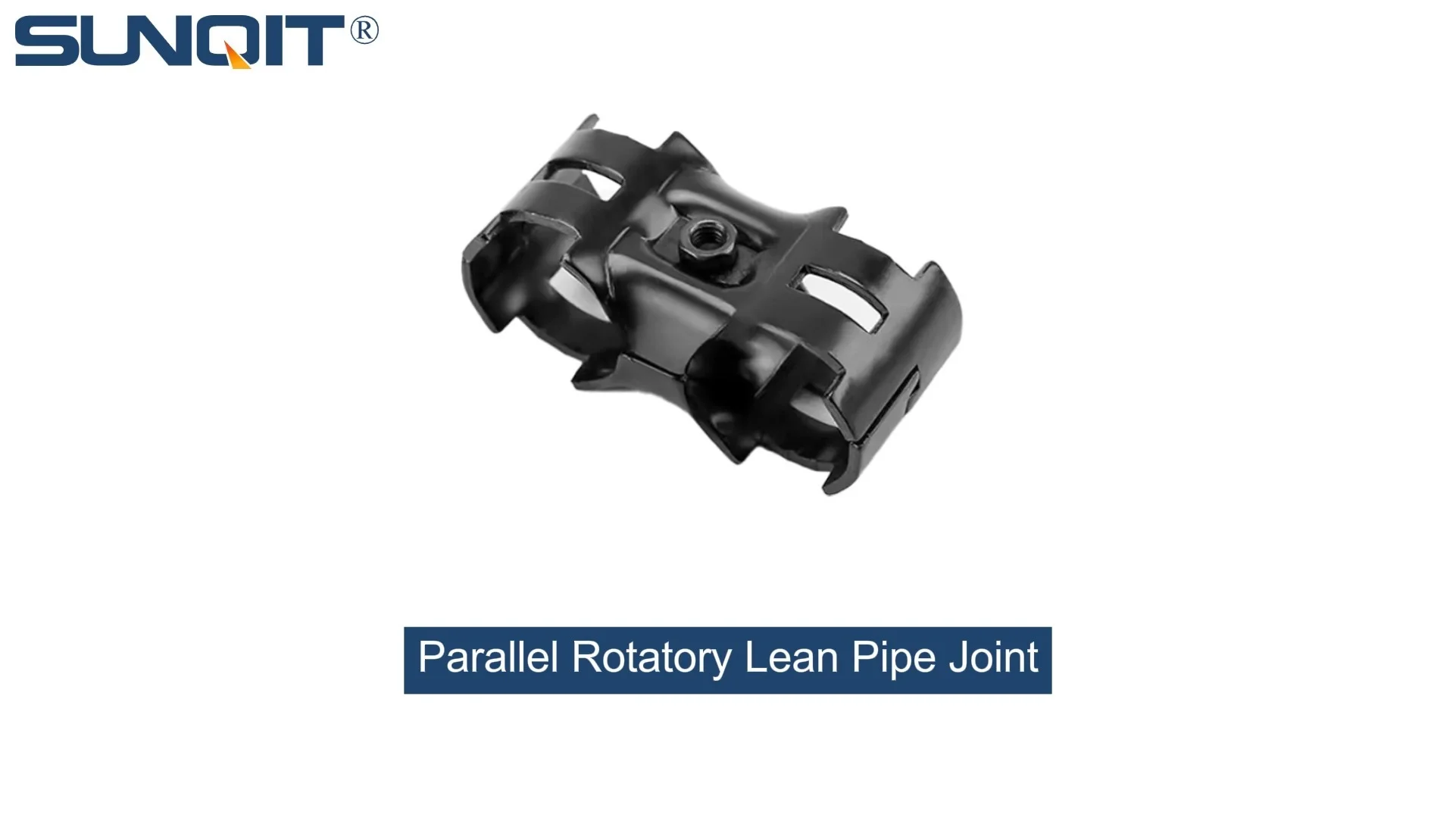
Parallel Rotatory Lean Pipe Joint
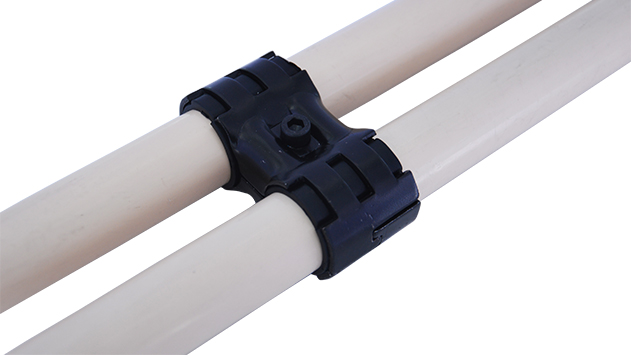
Parallel rotatory lean pipe joint, for 2 pcs pipe conenction in parallel direction with rotatory function.
In the world of manufacturing and workshop efficiency, lean systems have become the backbone of smooth operations. From the assembly line of a car factory to the workbench of a small electronics shop, the goal is always the same: minimize waste, maximize flow, and keep everything running like a well-oiled machine. But here's the thing—even the best lean system is only as strong as its smallest components. And when it comes to connecting, rotating, and supporting the structures that make your workflow hum, few parts are as critical as the lean pipe joint . Today, we're zooming in on a specific star player: the parallel rotatory lean pipe joint chrome. More importantly, we're breaking down the age-old question: Should you go with standard or heavy-duty? Let's dive in.
What Are Parallel Rotatory Lean Pipe Joints, Anyway?
Before we start comparing, let's make sure we're all on the same page. A parallel rotatory lean pipe joint chrome is exactly what it sounds like: a connector designed to join lean pipes (those versatile, often metal tubes that form the skeleton of workbenches, racks, and material flow systems) while allowing for rotation along a parallel axis. Think of it as the hinge that lets a section of your workbench swing out of the way, or the pivot that lets a flow rack tilt to feed parts to the next station. Without these joints, your lean system would be rigid, clunky, and far less adaptable—exactly what lean principles aim to avoid.
The "chrome" in the name isn't just for show, either. Chrome plating adds a layer of protection against rust and wear, making these joints durable enough to handle the daily grind of a busy workshop. But not all chrome-plated parallel rotatory joints are created equal. That's where the "standard" and "heavy-duty" labels come into play. Let's unpack what those terms really mean.
Standard vs. Heavy-Duty: Breaking Down the Differences
At first glance, a standard and heavy-duty parallel rotatory lean pipe joint might look similar—same basic shape, same chrome shine, same promise of connecting pipes and enabling rotation. But under the surface, the differences are night and day. To help you visualize, let's start with a side-by-side comparison of their key specs:
| Feature | Standard Parallel Rotatory Lean Pipe Joint Chrome | Heavy-Duty Parallel Rotatory Lean Pipe Joint Chrome |
|---|---|---|
| Material Thickness | 1.2–1.5mm steel core with chrome plating | 2.0–2.5mm steel core with thicker chrome plating |
| Maximum Load Capacity | Up to 50kg per joint (static load) | Up to 150kg per joint (static load) |
| Rotational Range | 180° rotation (limited by internal stop) | 360° continuous rotation (with optional lockable positions) |
| Wear Resistance | Moderate; suitable for low-to-medium rotation frequency | High; designed for frequent, repetitive rotation |
| Typical Cost | Lower (approx. 30–50% less than heavy-duty) | Higher (but longer lifespan offsets cost over time) |
| Best For | Light loads, occasional rotation, small workbenches | Heavy loads, constant rotation, industrial workstations |
Now, let's dig deeper into each of these differences to understand why they matter for your specific needs.
Material Composition: Thin vs. Thick Steel
The first thing that sets these two joints apart is what they're made of. Standard joints typically use a steel core with a thickness of 1.2 to 1.5mm, wrapped in a thin layer of chrome. This is plenty strong for light tasks—think supporting a shelf on a workbench holding small tools or electronic components. But when you start piling on heavier materials, that thin steel can flex or even bend over time.
Heavy-duty joints, on the other hand, beef things up with a 2.0–2.5mm steel core. That extra thickness isn't just about strength; it also reduces vibration and wobble when the joint is under load. Plus, the chrome plating is thicker, which means better resistance to scratches, corrosion, and the kind of wear that comes from metal-on-metal contact during rotation. If your workshop is in a humid environment or handles materials that might cause rust, that thicker chrome is a game-changer.
Load Capacity: How Much Weight Can They Really Handle?
Let's talk numbers. A standard joint can comfortably support up to 50kg of static load—meaning weight that doesn't move around much. That's great for a workbench shelf holding a few boxes of screws or a lightweight tool organizer. But what if you're dealing with something heavier? Say, a flow rack loaded with metal parts or a rotating arm on a assembly line that swings 20kg components into place. Suddenly, 50kg isn't enough. Overloading a standard joint can lead to bending, seized rotation, or even catastrophic failure—something no lean system can afford.
Heavy-duty joints step up to the plate with a 150kg static load capacity. That's triple the strength, making them ideal for industrial settings where weight is a constant factor. But here's a pro tip: "static load" is just part of the story. If your joint is rotating while carrying weight (dynamic load), you'll need to factor that in too. A heavy-duty joint might handle 150kg when it's sitting still, but if it's swinging that weight back and forth all day, you'll want to stay well below that limit to avoid premature wear.
Rotational Flexibility: 180° vs. 360° Movement
Rotation is the whole point of a parallel rotatory joint, so how much movement you need matters. Standard joints usually top out at 180° rotation, with built-in stops to prevent over-swinging. This is perfect for simple tasks, like flipping a workbench shelf up when not in use or tilting a bin to dump contents into a conveyor. But what if your workflow requires more flexibility? For example, a material handling arm that needs to rotate from the left side of a workbench to the right, then all the way around to the back. 180° just won't cut it.
Heavy-duty joints often offer 360° continuous rotation, with some models even featuring lockable positions at 90°, 180°, or 270° for added control. This kind of flexibility is a game-changer in dynamic environments. Imagine a production line where parts need to be passed from station to station in a circular flow—the ability to rotate a joint all the way around without stopping keeps the workflow smooth and eliminates bottlenecks.
Durability & Wear Resistance: Built to Last vs. Built to Survive
Let's be real: workshops are tough places. Joints get bumped, pipes get jostled, and rotation happens hundreds—if not thousands—of times a day. Standard joints are built to survive these conditions, but they're not designed for nonstop abuse. The thinner steel and basic chrome plating can start to show wear after a few months of heavy rotation: maybe the rotation gets squeaky, or the chrome chips off, leaving the steel vulnerable to rust.
Heavy-duty joints, though? They're built to last. The thicker steel core resists deformation, and the thicker chrome plating stands up to scratches and corrosion. Many also feature reinforced internal bearings or bushings that reduce friction during rotation, which means less heat buildup and slower wear. If your joint is going to be spinning multiple times per minute, every minute of the workday, heavy-duty is the way to go. It might cost more upfront, but replacing a failed standard joint mid-production? That's a cost no one wants to absorb.
Cost Considerations: Saving Now vs. Saving Later
Let's talk money. Standard joints are cheaper—no question. You might pay $10–$15 for a standard parallel rotatory lean pipe joint chrome, compared to $25–$35 for a heavy-duty one. If you're on a tight budget and only need a few joints for light tasks, standard makes sense. But here's the catch: cheap now can mean expensive later. A standard joint that fails after six months means downtime, replacement costs, and lost productivity. In contrast, a heavy-duty joint might last 3–5 years with proper maintenance, making it the better value in the long run for high-use areas.
Key Factors to Guide Your Decision
Now that you know the differences, how do you decide which joint is right for your setup? It all comes down to five key factors. Let's walk through each one to help you narrow it down.
1. Assessing Your Load Requirements
Start with the basics: What's the heaviest thing this joint will need to support? Grab a scale and weigh your typical materials—don't guess! If your average load is 30kg and you rarely go above 40kg, a standard joint is fine. But if you're regularly hitting 60kg or more, or if there's any chance of occasional overloads (we've all seen someone stack an extra box "just this once"), heavy-duty is non-negotiable. Remember: it's better to have extra capacity than to cut it close.
2. Environmental Conditions
Where will your joint live? A dry, climate-controlled workshop is easy on any joint. But if you're dealing with humidity, oil, chemicals, or even just a lot of dust, you'll need to think about corrosion and buildup. Both standard and heavy-duty joints have chrome plating, but the thicker plating on heavy-duty models offers better protection. If your setup is near a washdown area or handles corrosive materials, heavy-duty is worth the investment. Similarly, if you're working with sensitive electronics and need an ESD workbench , look for joints with ESD-safe chrome plating to prevent static buildup—some heavy-duty models offer this as an option.
3. Frequency of Rotation & Movement
How often will your joint rotate? Once an hour? Once a minute? All day long? Standard joints can handle occasional rotation, but if you're spinning that joint 50+ times a day, the wear adds up fast. Heavy-duty joints are built with better internal components (think smoother bearings, stronger pivot points) that stand up to constant movement. If your workflow depends on nonstop rotation—like a conveyor transfer point or a rotating tool arm—don't skimp on the joint.
4. Budget vs. Long-Term Value
It's tempting to save money with standard joints, but ask yourself: How much would downtime cost if a joint fails? A $10 joint that lasts 6 months might seem like a deal, but if replacing it takes an hour of a technician's time and halts production, the real cost is far higher. Heavy-duty joints cost more upfront, but they often come with longer warranties (2–3 years vs. 1 year for standard) and last 3–5 times longer. For high-use areas, the math almost always favors heavy-duty.
5. Compatibility with Existing Lean Pipes & Workbenches
Last but not least: will the joint play nice with your existing setup? Most lean pipes are 28mm or 30mm in diameter, and both standard and heavy-duty joints are designed to fit these sizes. But double-check the pipe thickness—if you're using thicker-walled lean pipes, make sure the joint's clamping mechanism can accommodate them. Also, consider the overall structure: adding a heavy-duty joint to a lightweight workbench frame might not make sense, as the frame itself could become the weak point. Always match the joint's strength to the rest of your system.

Real-World Applications: When to Choose Which?
Still on the fence? Let's look at two common scenarios to see how the choice plays out in real life.
Case Study 1: Small Electronics Assembly Workbench
Maria runs a small workshop assembling circuit boards. Her workbench has a rotating shelf that holds tools and small components—think screwdrivers, tweezers, and bins of resistors. The shelf weighs about 15kg when fully loaded, and she rotates it maybe 10 times a day to grab what she needs. Her workshop is dry and climate-controlled, and she's on a tight budget.
Recommendation: Standard parallel rotatory lean pipe joint chrome. The load is light, rotation is infrequent, and the environment is gentle. A standard joint will handle this setup for years without issues, and the cost savings let her invest in other tools.
Case Study 2: Automotive Parts Manufacturing Line
Raj manages a production line for car door hinges. The line uses rotating arms to move hinge assemblies from the welding station to the painting station. Each arm carries 80kg of parts and rotates 45 times an hour (that's 360 rotations per 8-hour shift!). The area gets dusty, and the arms are occasionally exposed to oil mist from nearby machinery.
Recommendation: Heavy-Duty parallel rotatory lean pipe joint chrome. The load is well above standard capacity, rotation is constant, and the environment is harsh. A standard joint would seize up or fail within months, causing costly downtime. Heavy-duty joints with thick chrome plating and 360° rotation will keep the line moving smoothly and reduce maintenance headaches.

Common Pitfalls to Avoid
Even with all this info, it's easy to make mistakes. Here are three to watch out for:
Pitfall #1: Underestimating Loads
"It's just a few tools—how heavy can it be?" Famous last words. Always weigh your materials, and add a 20% buffer for safety. Overloading is the #1 cause of joint failure.
Pitfall #2: Ignoring Rotation Frequency
A joint that works great for a week might start squeaking after a month if it's rotating constantly. Don't just think about today's needs—plan for how your workflow might grow.
Pitfall #3: Sacrificing Quality for Cost
We get it—budgets are tight. But skimping on a critical joint to save $20 now can cost you $200 later in repairs and downtime. Prioritize heavy-duty for high-use, high-stress areas, and save standard joints for light, low-frequency tasks.
Final Thoughts: The Right Joint for Your Lean Journey
At the end of the day, choosing between standard and heavy-duty parallel rotatory lean pipe joint chrome isn't about picking the "better" option—it's about picking the right option for your unique needs. Standard joints shine in light, low-frequency applications where budget is key. Heavy-duty joints rule in heavy-load, high-movement, or harsh environments where reliability can't be compromised.
Remember: your lean system is a team effort. Every component, from the lean pipes to the joints to the workbench itself, plays a role in keeping things efficient. By choosing the right joint, you're not just buying a part—you're investing in the smooth, uninterrupted flow that makes lean systems so powerful. So take the time to assess your loads, your environment, and your workflow. Your future self (and your productivity metrics) will thank you.