- Company Articles
- Products and Technology
- Product knowledge
- Choosing Duplex Aluminum Pipe Joints for Material Handling Systems

Choosing Duplex Aluminum Pipe Joints for Material Handling Systems
Related Product
Duplex Aluminum Pipe Joint
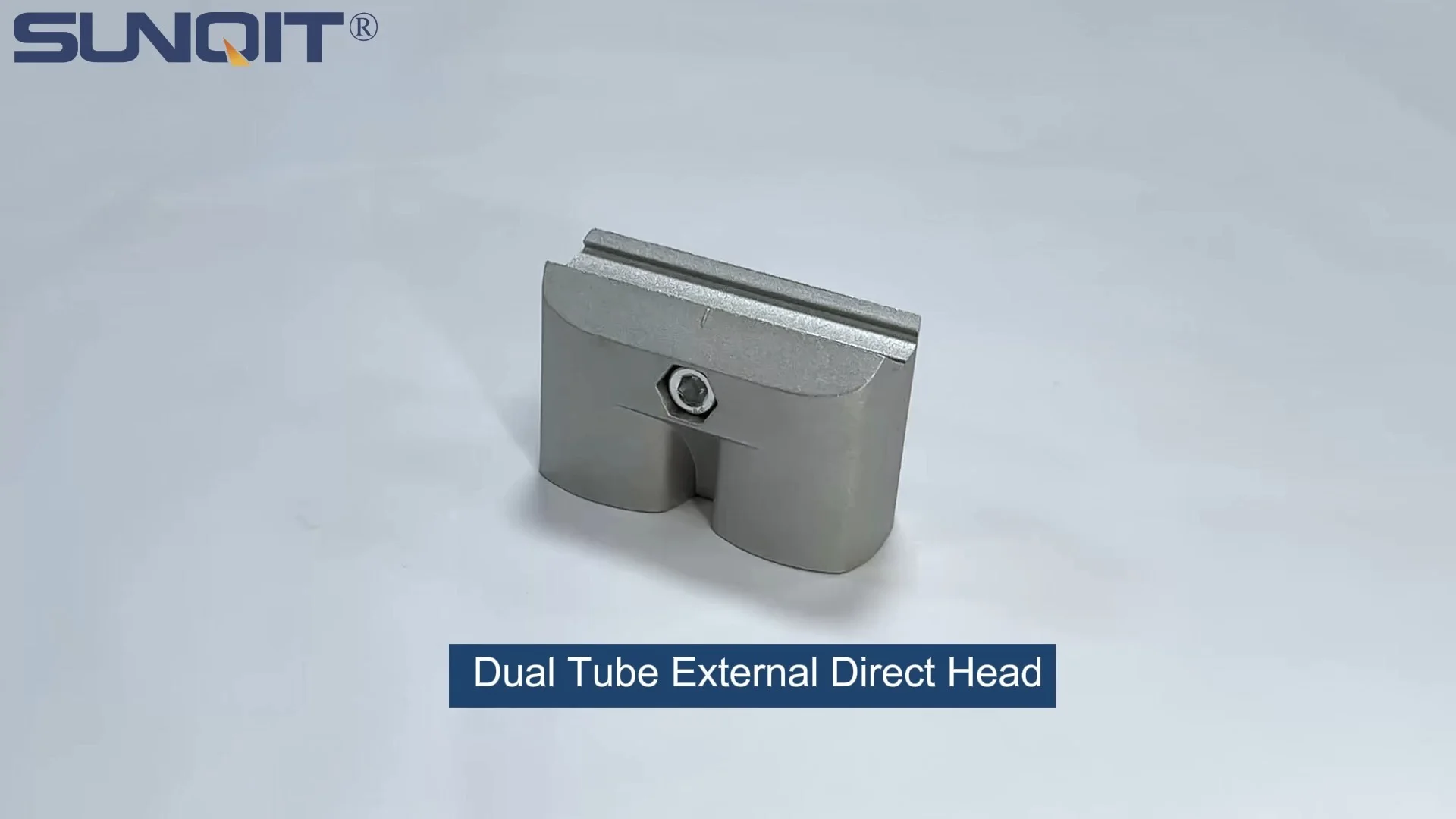
Duplex Aluminum pipe joint used for one pcs 28pcs aluminum pipe and one pcs of 28mm duplex pipe connection in straight angle.
Walk into any modern manufacturing facility, and you'll notice a rhythm—a steady flow of materials, workers moving with purpose, and structures that seem to adapt to the day's needs. Behind this harmony lies a network of equipment: workbenches where products take shape, flow racks that keep components within arm's reach, and conveyor systems that bridge gaps between stations. What holds all these pieces together? Often, it's the unsung hero of material handling: joints. And among the various types available, duplex aluminum pipe joints stand out as a versatile, durable choice for businesses aiming to build efficient, flexible systems. In this guide, we'll explore why these joints matter, what to look for when choosing them, and how they can elevate your operations—whether you're setting up a new lean system or upgrading an existing one.
What Are Duplex Aluminum Pipe Joints?
Let's start with the basics: duplex aluminum pipe joints are specialized connectors designed to link aluminum pipes (or aluminum profiles) in material handling structures. Unlike fixed welds or rigid fasteners, these joints are engineered for flexibility, allowing you to assemble, disassemble, and reconfigure structures with minimal effort. The term "duplex" here refers to their dual functionality—combining the strength of aluminum with the adaptability needed for dynamic work environments. They're typically made from high-grade aluminum alloys, such as 6061-T6, known for their excellent strength-to-weight ratio and resistance to corrosion. Most feature a modular design, with internal or external threads, set screws, or clamping mechanisms that grip pipes securely while still allowing for adjustments.
Think of them as the "building blocks" of your material handling system. A single joint can connect two, three, or even more pipes at various angles (90 degrees, 45 degrees, or even 135 degrees), enabling the creation of everything from simple workbenches to complex flow racks. And because they're made of aluminum, they're lightweight enough to make manual adjustments feasible—no heavy machinery required—yet strong enough to support the daily demands of a busy factory floor.
Why Duplex Aluminum Pipe Joints Matter in Lean Systems
In today's manufacturing landscape, lean systems have become the gold standard for efficiency. Lean principles focus on eliminating waste, optimizing workflow, and adapting quickly to changing needs—goals that are hard to achieve with rigid, one-size-fits-all equipment. This is where duplex aluminum pipe joints shine. They're not just connectors; they're enablers of lean thinking.
Consider flexibility, a cornerstone of lean systems. A product line might shift from small components to larger assemblies overnight, or a workbench might need to be repositioned to reduce worker movement. With traditional welded structures, this would mean downtime, costly modifications, or even replacing the entire setup. Duplex aluminum joints, however, let you reconfigure on the fly. Loosen a few set screws, adjust the angle of a pipe, or add a new section—all in minutes. This agility reduces "changeover waste" and keeps production lines running smoothly.
Efficiency is another area where these joints deliver. Aluminum's lightweight nature means structures like turnover trolleys or mobile workbenches are easy to move, reducing the time workers spend transporting materials. Additionally, the precision of duplex joints ensures that structures are stable and aligned—no wobbling shelves or misaligned flow racks—minimizing errors and delays. When every second counts, these small improvements add up to significant gains in productivity.

Key Features to Consider When Choosing Duplex Aluminum Pipe Joints
Not all duplex aluminum pipe joints are created equal. To ensure you're getting a product that meets your needs, keep an eye on these critical features:
Material Quality
The aluminum alloy used in the joint directly impacts its strength and durability. Look for joints made from 6061-T6 or similar high-strength alloys, which offer excellent load-bearing capacity and resistance to bending or warping. Avoid cheaper, low-grade aluminum that may corrode quickly or fail under heavy loads—this is false economy in the long run.
Load Capacity
Different joints are rated for different weights. A joint used in a lightweight workbench might handle 50kg, while one in a heavy-duty flow rack could need to support 200kg or more. Always check the manufacturer's load ratings and factor in the total weight of your structure (including materials, tools, or products). Overloading a joint is a safety hazard and will shorten its lifespan.
Adjustability
The best duplex joints offer multi-angle adjustability. Can you rotate the joint 360 degrees to set pipes at any angle? Does it allow for minor height or width tweaks after assembly? This flexibility is crucial for adapting to new tasks or correcting alignment issues.
Corrosion Resistance
Manufacturing environments can be harsh—think moisture, oils, or chemicals. Look for joints with anodized or powder-coated finishes, which create a protective layer against corrosion. This is especially important if your facility handles food, pharmaceuticals, or electronics, where cleanliness and longevity are non-negotiable.
Compatibility with Aluminum Profiles
Ensure the joint fits the aluminum profiles or pipes you're using. Standard profile sizes include 2020, 3030, or 4040 (referring to width and height in millimeters). Mismatched sizes will lead to loose connections or instability. Many suppliers offer sample kits—take advantage of these to test compatibility before buying in bulk.

Applications: Where Duplex Aluminum Pipe Joints Shine
Duplex aluminum pipe joints are surprisingly versatile, finding use in a wide range of material handling setups. Here are a few common applications where they make a tangible difference:
Workbenches
A well-designed workbench is the heart of any assembly station. With duplex joints, you can build a workbench that's customized to your team's needs: add shelves for tools, attach a pegboard for hanging supplies, or even integrate ESD (electrostatic discharge) features for electronics manufacturing. And if a new product requires a taller or wider surface? Simply adjust the joints—no need to buy a new bench.
Flow Racks
Flow racks rely on gravity to move materials from the back to the front, reducing the need for manual lifting. Duplex joints ensure the roller tracks (another key component) are angled correctly and securely attached to the rack frame. This stability prevents jams and ensures a smooth flow, even when the rack is fully loaded with heavy components.
Turnover Trolleys
Trolleys need to be lightweight for easy maneuvering but strong enough to carry loads. Duplex joints connect aluminum pipes into a sturdy frame that can support boxes, bins, or parts, while keeping the overall weight low. Many trolleys also use casters (wheels) attached via these joints, allowing for smooth movement across factory floors.
Lean System Setups
From U-shaped assembly lines to kanban systems, lean setups thrive on adaptability. Duplex joints let you reconfigure these systems quickly: extend a conveyor, add a buffer zone, or rearrange workstations to reduce bottlenecks. This adaptability is why many lean consultants recommend aluminum-based systems with these joints as a foundation.

Duplex Aluminum Pipe Joints vs. Other Joint Types: A Comparison
To truly understand the value of duplex aluminum pipe joints, it helps to compare them to other common joint types. Below is a breakdown of how they stack up against stainless steel joints, plastic joints, and traditional welded connections:
| Feature | Duplex Aluminum Pipe Joints | Stainless Steel Joints | Plastic Joints | Welded Connections |
|---|---|---|---|---|
| Material | High-grade aluminum alloy (e.g., 6061-T6) | Stainless steel (e.g., 304 or 316) | Polypropylene or nylon | Steel or aluminum (fixed) |
| Durability | High (resistant to bending; good corrosion resistance with coating) | Very high (excellent corrosion resistance; withstands heavy loads) | Moderate (prone to cracking under heavy loads or UV exposure) | High (permanent, but vulnerable to stress fractures if bent) |
| Load Capacity | High (supports 50–200kg per joint, depending on size) | Very high (supports 100–300kg per joint) | Low to medium (best for light loads, 10–50kg) | Very high (depends on weld quality; can support heavy loads) |
| Flexibility | High (easily adjustable; reconfigurable without tools) | Medium (adjustable but heavier; requires tools for reconfiguration) | Medium (some adjustability, but may loosen over time) | None (fixed; requires cutting/welding to modify) |
| Cost | Moderate (more expensive than plastic, cheaper than stainless steel) | High (premium material cost) | Low (affordable upfront, but may need frequent replacement) | High (labor-intensive installation; expensive to modify) |
| Best For | Lean systems, workbenches, flow racks, mobile trolleys | Heavy-duty industrial environments, corrosive settings (e.g., food processing) | Light-duty setups, temporary structures, cleanrooms (non-conductive) | Permanent, non-adjustable structures (e.g., fixed storage racks) |
Installation Tips: Getting the Most Out of Your Joints
Even the best joints won't perform well if installed incorrectly. Follow these tips to ensure a secure, long-lasting setup:
- Plan first, assemble later: Sketch your structure or use design software to map out pipe lengths and joint positions. This avoids cutting pipes to the wrong size or realizing you're missing a joint mid-assembly.
- Use the right tools: Most duplex joints require a hex key (Allen wrench) to tighten set screws. Invest in a high-quality set with multiple sizes to avoid stripping screws. A rubber mallet can help seat pipes firmly into joints without damaging the aluminum.
- Don't over-tighten: Aluminum is strong, but over-tightening set screws can strip the threads or crack the joint. Tighten until the pipe feels secure, then give the screw a quarter-turn more—no more.
- Check alignment: Use a level to ensure your structure is straight and even. A wobbly workbench or slanted flow rack can cause materials to shift or jam, defeating the purpose of an efficient system.
- Test before full deployment: Once assembled, apply gentle pressure to the structure (push, pull, lean on it slightly) to check for stability. If a joint feels loose, re-tighten it or replace it if damaged.
Maintenance: Keeping Your Joints in Top Shape
Like any equipment, duplex aluminum pipe joints need regular care to last. Here's how to maintain them:
- Inspect weekly: Walk through your facility and check joints for loose screws, cracks, or signs of corrosion. Pay extra attention to high-traffic areas like trolleys or flow racks that see daily use.
- Clean gently: Wipe joints with a damp cloth to remove dust, oil, or debris. Avoid abrasive cleaners, which can scratch the anodized finish and expose the aluminum to corrosion.
- Lubricate moving parts: If your joints have rotating components, apply a small amount of light machine oil (e.g., 3-in-1 oil) to keep them moving smoothly. Wipe away excess to prevent attracting dust.
- replace when needed: If a joint is cracked, bent, or stripped, replace it immediately. A single faulty joint can compromise the entire structure, leading to accidents or downtime.
Choosing a Supplier: What to Look For
Not all suppliers are created equal. To ensure you're getting high-quality duplex aluminum pipe joints, ask these questions before making a purchase:
- Do they specialize in aluminum profiles and joints? Suppliers with a focus on material handling components are more likely to have expertise in duplex joints and can offer technical support.
- What certifications do they have? Look for ISO 9001 certification, which indicates a commitment to quality control. For industries like aerospace or medical, additional certifications (e.g., RoHS compliance) may be required.
- Can they provide samples? A reputable supplier will send samples so you can test joint quality, fit, and durability before placing a large order.
- What's their lead time? Delays in receiving joints can hold up your project. Choose a supplier with a track record of on-time deliveries, especially if you need custom sizes or finishes.
- Do they offer after-sales support? If you run into installation issues or need to replace a joint, will they help? Good suppliers provide technical guides, videos, or even on-site assistance if needed.
Conclusion: Investing in Efficiency, One Joint at a Time
Duplex aluminum pipe joints may seem like small components, but their impact on material handling efficiency is significant. By combining strength, flexibility, and durability, they support lean principles, reduce downtime, and adapt to the ever-changing needs of modern manufacturing. Whether you're building a new workbench, upgrading a flow rack, or designing a full lean system, choosing the right joints is a decision that pays off in smoother operations, happier workers, and a healthier bottom line.
So, the next time you walk through your facility, take a closer look at the structures holding everything together. Chances are, the right joints are already hard at work—quietly, reliably, and efficiently. And if they're not? It might be time to make the switch to duplex aluminum pipe joints. Your team (and your productivity metrics) will thank you.