- Company Articles
- Products and Technology
- Product knowledge
- Choosing End Support for Roller Track Placon Mount with Stop: Compatibility with Roller Tracks

Choosing End Support for Roller Track Placon Mount with Stop: Compatibility with Roller Tracks
Related Product
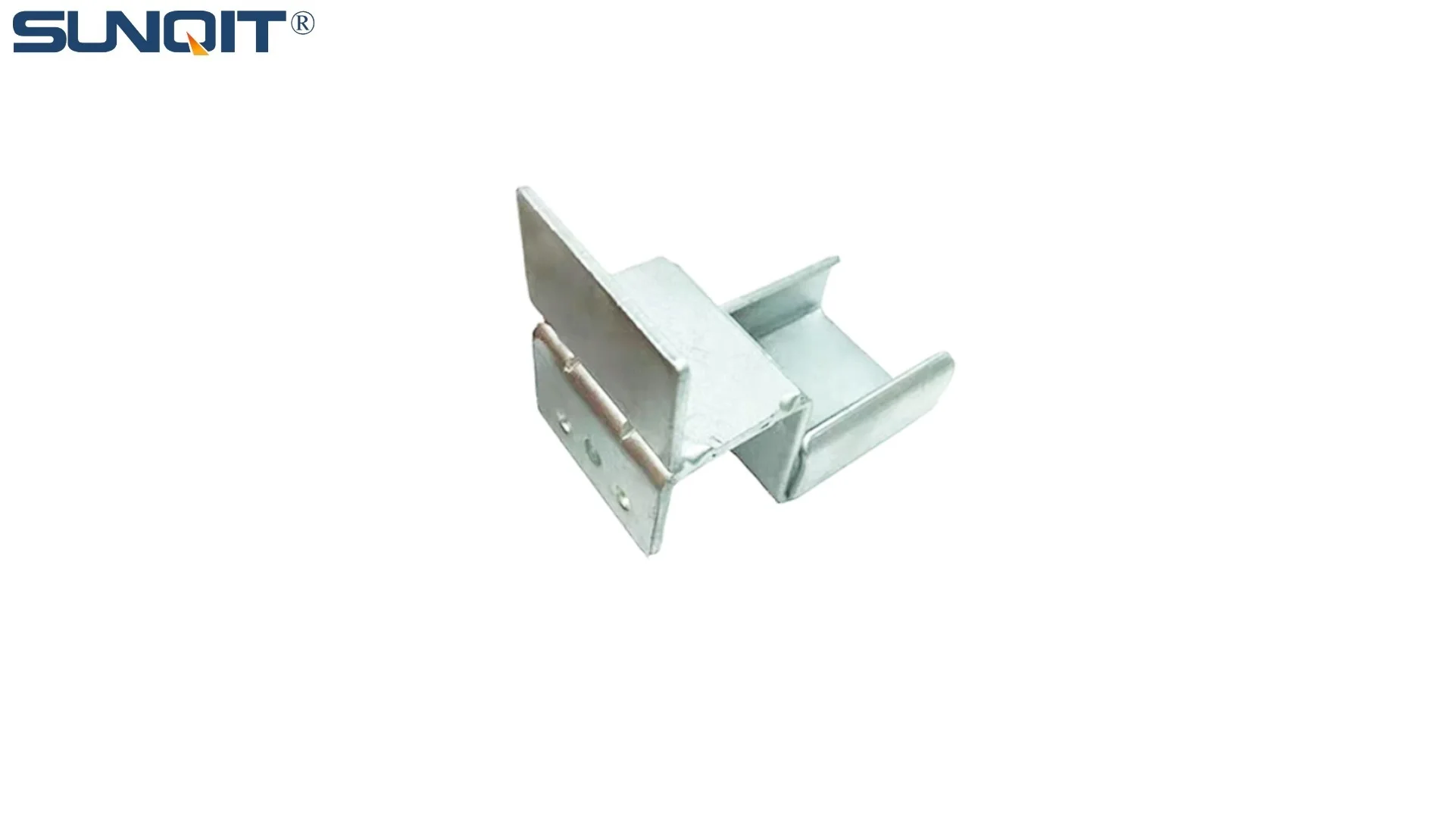
End Support for Roller Track Placon Mount with Stop
Roller track placon mount work as a connector for roller track and pipe or aluminum profile in rack syetem, it is a necessary parts in rack system which widely used in industrial plant and logistic,warehouse storage.
Introduction: The Unsung Hero of Smooth Material Flow
Walk into any manufacturing facility today, and you'll likely hear the soft hum of roller tracks moving components from one workstation to another. These unassuming systems are the backbone of efficient production lines, quietly ensuring that parts, assemblies, and finished goods reach their destinations without a hitch. But behind this seamless flow lies a critical detail that often goes unnoticed: the end supports that hold the roller track in place. Specifically, when it comes to roller track placon mounts with stops, choosing the right end support isn't just a matter of "making it fit"—it's about safeguarding productivity, worker safety, and the longevity of your entire material handling system.
Imagine a scenario in a 3C assembly plant: delicate circuit boards glide along a roller track toward the testing station. As the last board approaches the end, a sudden jolt causes it to slide off the track, damaging sensitive components and halting the line. The root cause? An ill-fitted end support that couldn't handle the track's load or lacked a secure stop mechanism. In lean manufacturing, where every second counts, such disruptions translate to wasted time, increased costs, and frustrated teams. That's why understanding how to select end supports for roller track placon mounts with stops—and ensuring their compatibility with your roller tracks—is more than technical know-how; it's a cornerstone of operational excellence.
Why End Supports Matter: More Than Just "Holding It Up"
At first glance, end supports might seem like simple metal brackets. But their role in a roller track system is multi-layered and vital. Let's break down their key functions:
1. Structural Stability: Roller tracks, whether they're the 40 steel roller track with yellow wheels or the 85 staggered aluminum track, bear constant weight as materials move across them. Over time, this weight can cause the track to sag or shift, especially at the ends where support is most critical. End supports act as anchors, distributing the load evenly and preventing bending or warping that could derail material flow.
2. Safety First: The Stop Mechanism: End supports with built-in stops are game-changers for preventing spills and collisions. In high-speed production lines, even a small incline can send materials sliding off the track. A well-designed stop—like the ones in end support for roller track placon mount with stop —uses a raised lip or rubber buffer to gently halt movement, protecting both the materials (think fragile medical devices or expensive electronics) and the workers nearby.
3. Vibration Dampening: Manufacturing floors are rarely still. Heavy machinery, foot traffic, and even the movement of materials themselves create vibrations that can loosen connections over time. Quality end supports absorb these shocks, keeping the roller track stable and reducing wear on both the track and its components. This is especially crucial for precision industries like aerospace or medical device manufacturing, where even minor misalignments can compromise product quality.
4. Adaptability for Lean Environments: Modern factories thrive on flexibility—the ability to reconfigure lines, adjust workflows, and scale operations quickly. End supports that are easy to install, remove, or reposition align with lean solution principles, allowing teams to adapt their roller track systems without extensive downtime or retooling. For example, aluminum-based end supports (common in aluminum profile systems) are lightweight yet strong, making them ideal for frequent adjustments.

Common Types of End Supports for Roller Track Placon Mounts
Not all end supports are created equal. Depending on your roller track type, load requirements, and industry needs, you'll encounter several designs. Let's explore the most common ones, focusing on those with stop mechanisms:
1. End Support with Fixed Stop: The Reliable Workhorse
This is the standard choice for most static or low-incline roller tracks. The stop is a rigid, non-moving barrier—often made of reinforced plastic or rubber—topped metal—designed to halt materials firmly. It's ideal for straight sections of track where materials need to pause before being manually moved to the next station (e.g., a workstation where operators assemble parts). Key features include:
- Material Options: Aluminum (lightweight, corrosion-resistant) or steel (high for heavy loads like automotive components).
- Installation: Attaches directly to the placon mount via bolts or snap-fit design, ensuring a tight connection with the roller track.
- Best For: Consumer electronics assembly lines, packaging stations, or any environment where materials need a precise, stationary stop.
2. End Support with Wheel Stop: Flexibility Meets Control
For dynamic lines where materials might need occasional movement past the stop (e.g., when reconfiguring the track or retrieving oversized items), the end support for roller track placon mount with wheel shines. This design adds a small, lockable wheel to the stop mechanism. When locked, it acts like a fixed stop; when unlocked, the wheel allows the stop to pivot or slide, temporarily clearing the track. It's a favorite in warehouses or distribution centers where workflows change regularly.
3. Adjustable-Height End Supports: Adapting to Uneven Floors
Factory floors are rarely perfectly level. Over time, concrete can crack, or machinery vibrations can shift the ground. Adjustable-height end supports solve this problem with threaded feet or telescoping legs that let you fine-tune the track's height and angle. This ensures the roller track remains level, preventing materials from sliding prematurely and reducing strain on the track itself. They're particularly useful for older facilities or outdoor loading areas where ground conditions are unpredictable.
4. ESD-Safe End Supports: Protecting Sensitive Electronics
In industries like 3C assembly or semiconductor manufacturing, electrostatic discharge (ESD) can fry sensitive components in an instant. ESD-safe end supports are made with conductive materials (e.g., carbon-infused aluminum) that dissipate static electricity, grounding the roller track and preventing voltage buildup. They often pair with ESD workbench setups, creating a fully protected workflow for electronics production.
| End Support Type | Key Features | Material Options | Best For | Weight Capacity (Typical) |
|---|---|---|---|---|
| Fixed Stop | Rigid stop barrier, simple installation | Aluminum, steel | Static production lines, assembly stations | Up to 200kg per support |
| With Wheel Stop | Lockable wheel for temporary movement | Steel with rubber wheels | Warehouses, dynamic reconfigurations | Up to 150kg per support (when locked) |
| Adjustable-Height | Threaded feet for leveling, telescoping legs | Aluminum, galvanized steel | Uneven floors, outdoor use | Up to 250kg per support |
| ESD-Safe | Conductive materials, static dissipation | Carbon-infused aluminum, ESD plastic | Electronics, semiconductors, medical devices | Up to 180kg per support |

Compatibility 101: Making Sure It All Fits
Now that you know the types of end supports, the next challenge is ensuring compatibility with your roller track. Mismatched components can lead to wobbly tracks, failed stops, or even safety hazards. Here's what to check before making a purchase:
1. Roller Track Type and Dimensions
Roller tracks come in all shapes and sizes, from the compact 38 aluminum roller track (common in small-part assembly) to the heavy-duty 85 steel roller track (used for automotive parts). Your end support must match the track's width, height, and mounting style. For example, 40 roller track placon mount flat systems require end supports with a flat base, while 40 roller track placon mount drop high (which sits lower to the ground) needs supports with a recessed design to avoid interfering with the track's path.
Pro Tip: Always check the track's "placon mount specification"—this is the standardized dimension that dictates how the track attaches to supports. Mismatched placon mounts (e.g., using a flat support with a drop-high track) will create gaps, leading to instability.
2. Load Capacity: Don't Skimp on Strength
Every end support has a maximum weight it can safely hold. This isn't just about the materials on the track—it includes the weight of the track itself, plus any dynamic forces (like sudden starts/stops or vibrations). A good rule of thumb: Choose an end support with a load capacity 20% higher than your expected maximum load. For example, if your roller track regularly carries 100kg loads, opt for a support rated for 120kg or more. This buffer prevents overloading and extends the support's lifespan.
3. Stop Mechanism Alignment
The stop on the end support must align perfectly with the roller track's surface. If the stop is too low, materials will slide over it; too high, and they'll get stuck, causing jams. Look for supports with adjustable stops (some models let you raise/lower the stop by a few millimeters) to fine-tune the fit. Also, check the stop's material—rubber or foam buffers are gentler on fragile items, while metal stops are better for heavy, durable goods like metal components.
4. Material Compatibility: Fighting Corrosion and Wear
If your facility uses harsh chemicals (e.g., cleaning agents in food processing) or operates in humid environments (like coastal warehouses), the end support's material must resist corrosion. Aluminum is naturally rust-resistant, making it a great choice for these settings. In contrast, steel supports need galvanization or powder coating to stand up to moisture. For ESD-sensitive areas, ensure the support's material is conductive and compatible with your existing ESD grounding system.
5. Installation and Mounting Hardware
Even the best end support won't work if it can't be securely mounted. Check if the support includes compatible hardware (bolts, nuts, washers) or if you need to source them separately. Placon mount systems often use standardized bolts, but double-check the thread size (e.g., M8 vs. M10) to avoid stripped holes. Also, consider the mounting surface—concrete floors may require anchors, while aluminum workbenches might use T-slot connectors (common in aluminum profile accessories ).

Step-by-Step: How to Choose the Right End Support
Selecting an end support doesn't have to be overwhelming. Follow this simple process to narrow down your options:
Step 1: Audit Your Current Setup
Start by documenting your existing roller track: What type is it? (e.g., 40 steel roller track yellow wheel, 38 aluminum roller track black ESD) What's its placon mount style? (flat, drop high, etc.) What's the maximum weight of materials it carries? How often do you reconfigure the line? Note any pain points—like frequent jams or materials sliding off—and prioritize supports that address these issues.
Step 2: Identify Your Industry-Specific Needs
A medical device plant has different requirements than an automotive factory. For example:
- Medical: ESD-safe materials, easy-to-clean surfaces (no crevices for bacteria), and compliance with ISO standards.
- Automotive: Heavy-duty steel supports with high load capacities to handle engine parts or transmissions.
- Food & Beverage: Corrosion-resistant aluminum or stainless steel to withstand washdowns with sanitizers.
Step 3: Compare End Support Specs to Your Track
Use the compatibility checklist above to match end support specs to your roller track. Pay special attention to placon mount dimensions, load capacity, and stop alignment. If you're unsure, ask your supplier for a compatibility chart—reputable lean pipe supplier or roller track manufacturers often provide these for free.
Step 4: Test Before Full Deployment
Before installing end supports across your entire line, test them in a small, high-traffic section. Run your typical materials through the track, check for stability, and see how the stop mechanism performs. If possible, simulate worst-case scenarios (e.g., a slightly overloaded cart or a sudden stop) to ensure the support holds up. This trial run can save you from costly mistakes later.
Real-World Success: How the Right End Support Transformed These Factories
Still not convinced that end supports matter? Let's look at two case studies where choosing the right support made all the difference:
Case Study 1: 3C Assembly Plant Eliminates Downtime with ESD-Safe Supports
A major electronics manufacturer in Shenzhen was struggling with frequent line stoppages. Their ESD workstation roller tracks kept losing alignment, causing circuit boards to slide off and suffer ESD damage. After an audit, they discovered their end supports were generic steel models—too heavy for the lightweight aluminum track, and not ESD-safe. They switched to aluminum profile end supports with ESD-safe stops and adjustable heights. Within a month, downtime dropped by 40%, and component damage decreased by 90%. The supports' lightweight design also made it easier for teams to reconfigure lines during product launches.
Case Study 2: Automotive Supplier Boosts Safety with Wheel-Stop Supports
An automotive parts supplier in Detroit used fixed-end supports on their roller tracks, which carried heavy metal brackets. When they needed to reposition tracks for a new model launch, workers had to disassemble the entire system—taking hours and risking injury from lifting heavy supports. They upgraded to end support for roller track placon mount with wheel , which could be locked in place during production and unlocked for easy reconfiguration. Now, line changes take 30 minutes instead of 3 hours, and workers report less fatigue. Plus, the lockable stops still prevent bracket spills, keeping the floor safe.
Conclusion: Invest in the Details, Reap the Rewards
End supports for roller track placon mounts with stops may not be the most glamorous part of your manufacturing setup, but they're a critical investment in efficiency, safety, and lean operations. By taking the time to understand your roller track type, load needs, and industry requirements, you can choose supports that keep your lines running smoothly, reduce downtime, and protect your most valuable assets—your materials and your team.
Remember: In manufacturing, the difference between good and great often lies in the details. So next time you're setting up a roller track system, don't overlook the end support. It might just be the unsung hero that takes your productivity to the next level.