- Company Articles
- Products and Technology
- Product knowledge
- Choosing Plastic Pipe End Caps for Mechanical Manufacturing: Durability vs. Flexibility

Choosing Plastic Pipe End Caps for Mechanical Manufacturing: Durability vs. Flexibility
Related Product
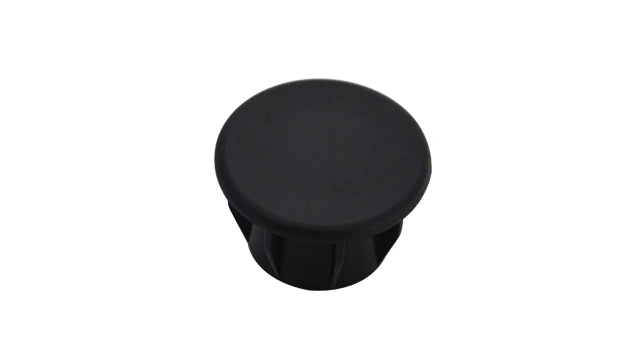
Plastic pipe end cap
Plastic pipe cover, used for 28mm two end cover and protection, to avoid any scratch from sharp metal surface.
Walk into any mechanical manufacturing facility, and you'll likely be greeted by the hum of machinery, the clink of tools, and the organized chaos of production lines. Amidst the larger equipment—conveyors, workbenches, and lean pipe structures—there's a small component that often goes unnoticed but plays a critical role: the plastic pipe end cap. These unassuming caps seal the ends of pipes, from the lean tubes that form workbench frames to the plastic roller track guide rails that keep materials flowing smoothly. Yet, choosing the right one isn't as simple as grabbing the first cap off the shelf. It requires balancing two key attributes: durability and flexibility. In this article, we'll dive into why these two factors matter, how they impact your manufacturing processes, and how to select the best end caps for your specific needs.
The Unsung Heroes: What Are Plastic Pipe End Caps, Anyway?
Before we jump into durability and flexibility, let's clarify what plastic pipe end caps are and why they're essential. At their core, these are small, often cylindrical pieces of plastic designed to fit snugly over the open ends of pipes. They might seem trivial, but their roles are far-reaching:
- Safety First: Pipes—especially metal or aluminum profile ones—can have sharp, unfinished edges. End caps cover these edges, preventing cuts to workers assembling lean pipe structures or moving materials near caster wheels.
- Protection Against Contaminants: Dust, dirt, oil, and coolants are omnipresent in manufacturing. End caps seal pipe ends, stopping these contaminants from entering and corroding the interior or gumming up moving parts like roller tracks.
- Structural Integrity: In some setups, capped pipes maintain internal pressure or prevent debris from weakening joints (think lean pipe joints that rely on a tight fit). A missing or damaged cap can lead to premature wear and tear.
- Cost Savings: By extending the life of pipes and reducing maintenance downtime, a $2 cap can save hundreds in replacement costs for a bent lean tube or clogged roller track.
Durability: When Toughness Matters Most
Durability is all about resilience—the ability of an end cap to withstand wear, tear, and harsh conditions without cracking, deforming, or failing. In manufacturing environments, "harsh" can mean anything from chemical exposure to repeated impacts. Let's break down the factors that make a plastic end cap durable, and when you'd prioritize this attribute.
Material Matters: The Foundation of Durability
The first thing to consider is the plastic itself. Not all plastics are created equal, and the material you choose will directly impact how well the cap holds up. Here are the most common options:
- Nylon: Known for its high tensile strength and resistance to abrasion, nylon end caps are a workhorse in heavy-duty settings. They stand up well to oils, greases, and moderate temperatures (up to 120°C), making them ideal for areas near machinery that runs hot or uses lubricants. For example, a lean pipe frame near a hydraulic press, where oil drips are common, would benefit from nylon caps.
- Polypropylene (PP): PP caps are chemical-resistant and have good impact strength, even at low temperatures. They're less rigid than nylon, which gives them a slight edge in flexibility, but they still hold their own in durability. They're a solid choice for cleanrooms or facilities that use harsh cleaning agents, as they won't degrade when exposed to disinfectants.
- PVC (Polyvinyl Chloride): Rigid PVC is stiff and strong, with excellent resistance to weathering and corrosion. It's often used for outdoor applications or pipes exposed to moisture, like those on a turnover trolley left outside during loading. However, it can become brittle in extreme cold, so it's not the best fit for freezer or cold-storage areas.
- Polyethylene (PE): PE is more flexible than the above options, but low-density PE (LDPE) is softer and less durable, while high-density PE (HDPE) offers better impact resistance. HDPE caps are a good middle ground for general use, like sealing ends of aluminum guide rails on a material rack.
Thickness and Design: More Than Skin Deep
A thick cap isn't always a durable cap, but thickness does play a role—especially in areas prone to impact. For example, caps on the legs of a workbench (the ones that touch the floor) need to be thick enough to absorb shocks when the bench is moved or when heavy tools are dropped nearby. Look for caps with reinforced edges or a domed top; these designs distribute impact force more evenly, reducing the risk of cracking.
Threaded vs. snap-on designs also affect durability. Threaded caps screw onto pipe ends, creating a tight, secure seal that's hard to dislodge—great for pipes that vibrate (like those near a conveyor motor). Snap-on caps, which "click" into place, are easier to install but can pop off if jostled. However, some snap-on caps have ribbed interiors that grip the pipe tightly, bridging the gap between convenience and durability.
Real-World Example:
A automotive parts manufacturer was using thin PVC snap-on caps on their lean pipe workbenches. After six months, many caps had cracked or fallen off, exposing sharp pipe edges and allowing oil to seep into the tubes. They switched to 3mm-thick nylon threaded caps, and the issue resolved. The thicker material and secure threading withstood the daily impacts of tools being set down and the constant vibration from nearby assembly lines.
Environmental Resistance: Battling the Elements
Manufacturing environments are rarely "gentle." End caps must stand up to:
- Temperatures: Welding stations, ovens, or refrigerated areas can push caps to their limits. Nylon and HDPE handle heat better than PVC, while PP remains flexible in the cold.
- Chemicals: Coolants, solvents, and cleaning agents can degrade plastics over time. A cap that holds up in a dry assembly area might melt in a paint shop using thinners. Always check the chemical resistance chart of the cap material against your facility's fluids.
- Moisture: Humidity or standing water (near washdown stations) can cause some plastics to swell or degrade. PVC and PP are naturally water-resistant, making them better choices here than untreated nylon.

Flexibility: When Adaptability Wins the Day
If durability is about standing firm, flexibility is about bending (literally or figuratively) without breaking. In this context, flexibility refers to two things: the cap's physical ability to flex under stress, and its adaptability to different pipe sizes, installation methods, or changing needs. Let's explore why flexibility matters and when to prioritize it.
Physical Flexibility: Bounce Back, Don't Break
A flexible end cap can bend or compress slightly when hit, then return to its original shape. This is invaluable in environments where impacts are frequent but not extreme—think of a workbench where workers regularly lean against the frame or bump into it with tools. A rigid cap might crack on impact, but a flexible one will absorb the shock.
Materials like LDPE or soft PVC excel here. These plastics have a "give" to them, making them ideal for snap-on caps that need to stretch slightly to fit over a pipe. For example, plastic roller track guide rails often use flexible caps because the rails are frequently adjusted or replaced; a rigid cap might crack when the rail is bent during installation, but a flexible one will conform to the shape.
Physical flexibility also aids in installation. Snap-on caps rely on flexibility to "snap" over the pipe end without requiring tools. Imagine assembling a lean pipe structure: you're connecting lean pipe joints, cutting tubes to length, and capping the ends. A flexible cap can be pushed on by hand in seconds, while a rigid, threaded cap might require a wrench—slowing down the process.
Adaptability: One Cap, Many Pipes
Manufacturing setups are rarely static. Production lines are reconfigured, workbenches are adjusted, and new equipment is added. In these cases, end caps that can adapt to different pipe sizes or styles save time and money.
Take adjustable snap-on caps, for example. These caps have a slightly tapered design or a flexible rim that allows them to fit multiple pipe diameters (e.g., 20mm to 25mm). If your facility uses both basic aluminum tubes and smaller stainless steel pipes, an adaptable cap means you don't need to stock two separate sizes.
Another example is caps designed for use with aluminum profile. Aluminum extrusion profiles come in various shapes (T-slot, square, round), and end caps need to match these profiles to seal properly. Flexible caps with a soft, malleable edge can conform to irregular shapes, ensuring a tight seal even if the profile has minor imperfections.
Case Study: The Assembly Line Switch
A electronics manufacturer was using rigid nylon caps on their aluminum workbench frames. While durable, the caps were specific to 30mm pipes, and the team often had to order custom sizes for smaller 20mm rails. When they switched to flexible PVC snap-on caps with a universal fit, they reduced inventory costs by 40% and cut assembly time—workers no longer had to hunt for the "right" cap size. The trade-off? The PVC caps wore out faster than nylon, but the savings in time and inventory made it worthwhile.
Ease of Removal: For Maintenance and Reconfiguration
In dynamic manufacturing environments, pipes and rails aren't set in stone. Maybe you need to run wires through a lean pipe, or clean the inside of a plastic roller track guide rail that's become clogged with debris. In these cases, end caps that are easy to remove (and reattach) are a lifesaver.
Flexible caps often excel here. Snap-on designs can be pulled off by hand, whereas rigid threaded caps may require tools and can seize up over time (especially if exposed to corrosion). For example, a workbench used in prototyping, where the frame is adjusted weekly, would benefit from flexible, easy-to-remove caps. A fixed production line with rarely changed pipes, on the other hand, might prefer the permanence of a rigid, threaded cap.

Durability vs. Flexibility: The Great Trade-Off
Here's the million-dollar question: If durability and flexibility are both important, how do you choose between them? The answer depends on your specific application. Let's break down common scenarios where one attribute takes precedence over the other.
Prioritize Durability When…
- Impacts Are Severe: Areas with heavy machinery, forklift traffic, or frequent dropping of tools need tough caps. For example, the base of a material rack near caster wheels—trolleys are constantly rolled into the rack, and a weak cap would crack on impact.
- Chemicals or Extreme Temperatures Are Present: If pipes are exposed to oils, solvents, high heat, or cold, durability is key. A cap that degrades in these conditions won't protect the pipe, leading to corrosion or contamination.
- Longevity Matters Most: Pipes that are rarely replaced (e.g., structural lean pipe frames) benefit from durable caps that won't need frequent replacement. Why change a cap every 6 months when a durable one can last 5 years?
Prioritize Flexibility When…
- Installation Speed Is Critical: Fast-paced assembly lines or temporary setups need caps that can be installed quickly. Snap-on, flexible caps save time here.
- Pipes Are Frequently Adjusted: If you're reconfiguring workbenches, moving roller tracks, or cutting pipes to new lengths often, adaptable caps reduce hassle.
- Cost and Inventory Are Concerns: Universal-fit caps reduce the number of SKUs you need to stock, lowering inventory costs. Flexible materials are often cheaper than high-performance plastics like nylon.
Finding the Middle Ground: Reinforced Flexibility
Sometimes, you don't have to choose—you can have both. Manufacturers now offer "reinforced flexible" caps, which combine a flexible base material (like PVC) with a rigid inner core or reinforced edges. These caps bend to absorb impacts but have the structural strength to resist tearing or cracking.
For example, a cap with a flexible PVC outer layer and a nylon mesh core can stretch to fit a pipe, absorb shocks, and still withstand moderate chemical exposure. These hybrid caps are ideal for high-traffic areas where both installation speed and durability matter, like the ends of conveyor rails near packing stations.
A Closer Look: Comparing End Cap Types
To make the decision clearer, let's compare common end cap types across durability, flexibility, and best-use scenarios. The table below summarizes key options:
| End Cap Type | Material | Durability Rating (1-5) | Flexibility Rating (1-5) | Installation Method | Best For |
|---|---|---|---|---|---|
| Rigid Threaded Nylon | Nylon | 5 | 1 | Threaded (requires wrench) | Heavy machinery, chemical exposure, static setups |
| Snap-On PVC | Flexible PVC | 2 | 5 | Snap-on (hand-installed) | Aluminum profile, frequent adjustments, temporary structures |
| Reinforced PP Snap-On | Polypropylene + fiberglass | 4 | 3 | Snap-on (hand or tool) | Moderate impact, cleanrooms, multi-size pipes |
| HDPE Universal Fit | High-Density Polyethylene | 3 | 4 | Snap-on (stretch-to-fit) | Plastic roller track guide rail, material racks, mixed pipe sizes |
| Hybrid Nylon-PVC | Nylon core + PVC outer | 4 | 4 | Snap-on or threaded | High-traffic areas, conveyor rails, frequent use |
Key Considerations for Your Facility
Now that you understand the trade-offs, here are actionable steps to choose the right end caps for your mechanical manufacturing needs:
1. Assess Your Environment
Start by mapping out the conditions your end caps will face:
- Chemicals: Do you use oils, coolants, or cleaning agents? Check material resistance charts (most suppliers provide these).
- Temperatures: Are the pipes near heat sources (ovens, motors) or in cold areas?
- Impact Frequency: Will the caps be bumped by workers, tools, or machinery? High-impact areas need durability; low-impact can prioritize flexibility.
2. Evaluate Pipe Types and Sizes
The pipes themselves dictate cap requirements. A lean pipe with a smooth, round end needs a different cap than a square aluminum profile with T-slots. Measure your pipe diameters and note any irregularities (e.g., rough edges, threading) that might affect fit. If you use multiple sizes, look for universal-fit caps to reduce inventory.
3. Consider Installation and Maintenance
How often will caps be installed or removed? If you're building a static workbench that won't change, a durable, threaded cap is fine. If you're reconfiguring a production line monthly, flexible snap-on caps will save hours of labor.
4. Test Before Scaling
Always test a small batch of caps in your actual environment before ordering in bulk. A cap that works well in a lab might fail in your facility's unique conditions. For example, a cap rated for "high heat" might warp near your specific brand of conveyor motor, which runs hotter than average.
Conclusion: Balancing Act for Better Manufacturing
Choosing plastic pipe end caps might not be the most glamorous task in mechanical manufacturing, but it's a decision that impacts safety, efficiency, and costs. Durability ensures your caps stand up to the rigors of daily use, while flexibility keeps your operations adaptable and agile. By assessing your environment, pipe types, and workflow, you can find the perfect balance—whether that's a rigid nylon cap for a static, high-heat setup or a flexible PVC snap-on cap for a frequently reconfigured lean pipe structure.
Remember, the best end cap is the one that works quietly in the background, protecting your pipes and your team without slowing you down. So next time you're assembling a workbench, adjusting a roller track, or capping a lean pipe, take a moment to appreciate these small but mighty components—and choose wisely.