- Company Articles
- Products and Technology
- Procurement Guidelines
- Choosing Saddle Pipe Clamps for Your Lean Project: A Comprehensive Checklist

Choosing Saddle Pipe Clamps for Your Lean Project: A Comprehensive Checklist
Related Product
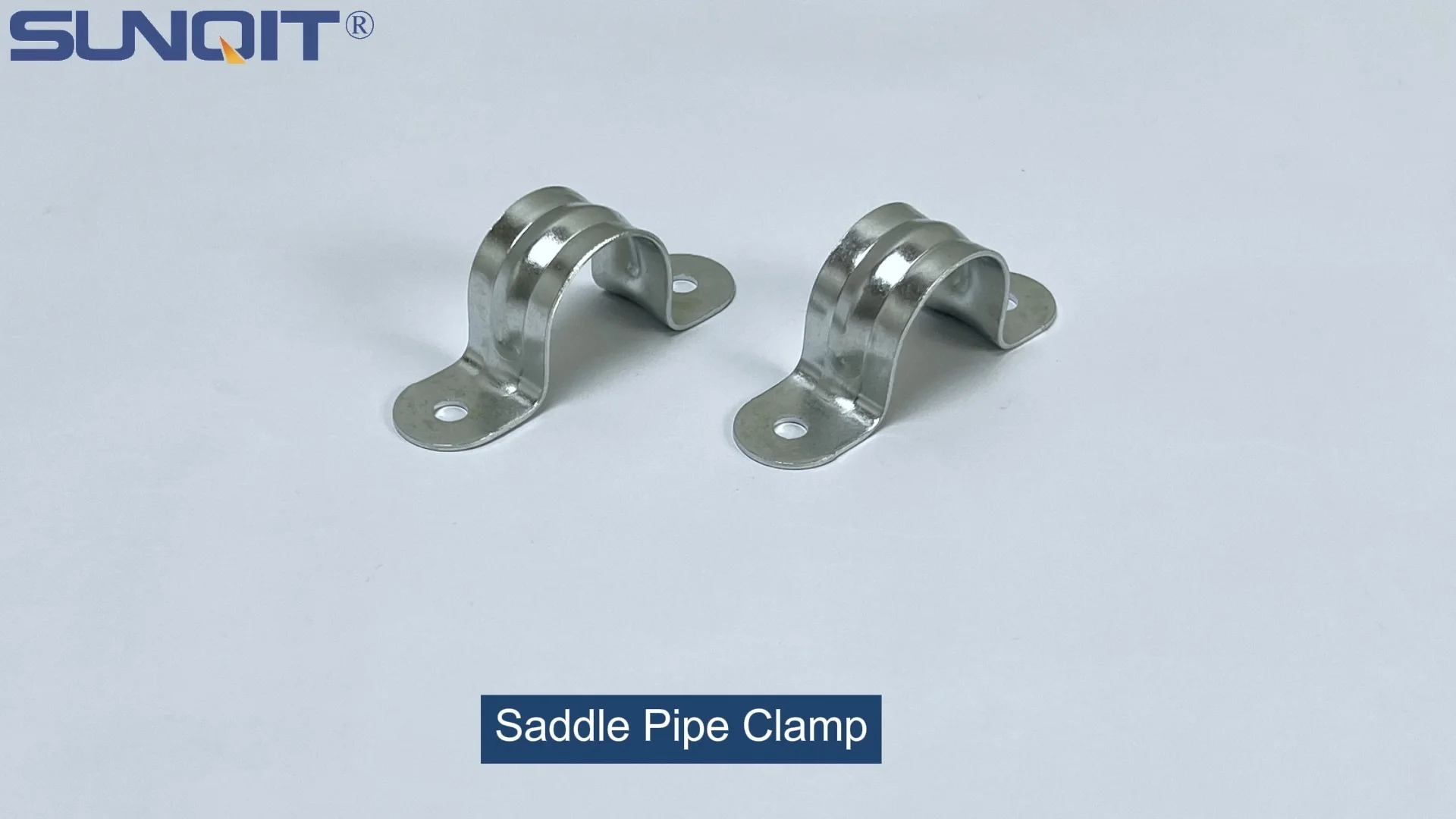
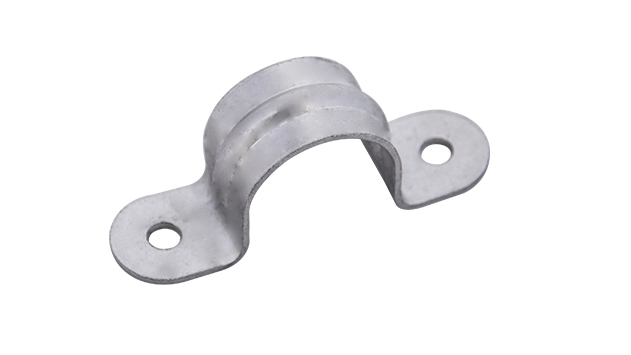
Saddle Pipe Clamp
Saddle pipe clamp, used for board connect with pipe, usually for table top installation.
In the world of lean manufacturing, where efficiency, waste reduction, and adaptability are the cornerstones of success, every component in your workflow matters—even the smallest ones. Saddle pipe clamps might not grab headlines like automated conveyors or high-tech workbenches, but they're the quiet workhorses that hold your lean system together. Whether you're building a custom workbench, assembling a flow rack, or designing a material handling setup, the right saddle pipe clamp can mean the difference between a smooth, durable operation and a system plagued by instability, downtime, and unnecessary costs. This guide will walk you through a comprehensive checklist to ensure you select the perfect saddle pipe clamps for your lean project, integrating seamlessly with your aluminum profile, stainless steel pipe series, and lean pipe joints.
What Are Saddle Pipe Clamps, Anyway?
Before diving into the checklist, let's clarify what saddle pipe clamps are and why they're critical. Simply put, these clamps are mechanical fasteners designed to secure pipes, tubes, or profiles to a surface or to each other. They get their name from their "saddle" shape—a curved section that wraps around the pipe, providing a secure grip. In lean systems, they're used everywhere: to attach legs to workbenches, secure flow rack shelves, stabilize conveyor frames, and even mount tools to production lines. The best saddle pipe clamps offer a balance of strength, ease of installation, and compatibility with other components like lean pipe joints and aluminum profile accessories. Choose the wrong one, and you risk loose connections, misaligned workflows, or even safety hazards.
The Comprehensive Checklist: 7 Key Factors to Consider
1. Material Compatibility: Match Clamps to Your Pipes
The first rule of selecting saddle pipe clamps is ensuring they play well with the pipes or profiles in your lean system. Mismatched materials can lead to corrosion, weak connections, or premature wear—all of which undermine lean principles like durability and long-term value. Let's break down common pipe materials and the clamps that pair best with them:
- Aluminum Profile: Lightweight and corrosion-resistant, aluminum profiles are a staple in modern lean setups. For these, opt for aluminum or stainless steel clamps. Aluminum clamps are cost-effective and won't scratch the profile's finish, while stainless steel offers extra strength for heavier loads.
- Stainless Steel Pipe Series: Ideal for environments where hygiene or corrosion resistance is key (like food processing or pharmaceutical facilities), stainless steel pipes demand clamps of the same material. Using galvanized steel clamps here can cause galvanic corrosion—a chemical reaction that eats away at both the clamp and the pipe over time.
- PE-Coated Lean Pipe: These plastic-coated steel pipes are popular for their affordability and flexibility. Here, plastic or nylon saddle clamps are often best, as metal clamps can damage the coating, reducing its lifespan and grip.
Pro tip: If you're unsure, ask your lean system supplier for material compatibility charts. A reputable supplier will have tested combinations and can guide you to the right match.
2. Load Capacity: Don't Skimp on Strength
Every lean project has a load story: How much weight will the clamp need to support? Is it holding a static load (like a shelf full of tools) or a dynamic one (like materials sliding along a flow rack)? Underestimating load capacity is a recipe for disaster—clamps that bend or snap can lead to damaged products, injured workers, or halted production lines.
Start by calculating the maximum load each clamp will bear. For example, a workbench leg clamp might need to support 200 lbs, while a flow rack clamp holding boxes could need 50 lbs per linear foot. Check the clamp manufacturer's specifications for "rated load" or "safe working load," and always add a 20-30% buffer to account for unexpected stress (like someone leaning on the workbench or a sudden jolt during material transport).
Material plays a role here, too. Stainless steel clamps typically have higher load capacities than aluminum or plastic ones, making them better for heavy-duty applications. If you're using aluminum profile in a high-load area, pair it with reinforced stainless steel clamps to avoid bending.
3. Installation & Assembly: Speed and Simplicity Matter in Lean
Lean systems thrive on efficiency, and that includes the assembly process. A saddle pipe clamp that takes 10 minutes to install with specialized tools is a waste of valuable labor—time that could be spent optimizing workflows instead. Look for clamps designed for quick, tool-free or minimal-tool assembly.
Compatibility with lean pipe joints is another key consideration. Many lean systems use modular joints to connect pipes, so your clamps should align with these joints' designs. For example, if your setup uses 90° internal rotation aluminum joints, the clamp should fit snugly without requiring additional adapters. Some clamps even come with pre-threaded holes or snap-on mechanisms that integrate directly with common joint types, cutting assembly time in half.
Also, think about adjustability. In lean projects, flexibility is key—you might need to reposition a shelf or reconfigure a workbench later. Clamps with adjustable tension (like those with wing nuts or thumb screws) let you make tweaks without fully disassembling the system, supporting the "continuous improvement" ethos of lean manufacturing.
4. Environmental Resilience: Clamps That Keep Up with Your Workspace
Your lean project's environment can be tough on equipment. From humid warehouses to dusty production floors to ESD-sensitive electronics labs, the right clamp must stand up to whatever your workspace throws at it. Here's what to watch for:
- Corrosion Resistance: In damp or outdoor environments, stainless steel clamps are a must—they resist rust and oxidation far better than plain steel. For indoor setups with occasional moisture (like food processing), aluminum clamps with anodized finishes work well.
- Chemical Exposure: If your facility uses cleaning agents or industrial chemicals, plastic or nylon clamps may degrade over time. Opt for chemical-resistant materials like polypropylene or stainless steel in these cases.
- ESD Sensitivity: In electronics manufacturing, static electricity can damage components. While ESD workbenches and mats get most of the attention, ESD-safe clamps (often made with conductive plastics or grounded metals) add an extra layer of protection by dissipating static charges.
5. Cost-Effectiveness: Balance Quality and Budget
Lean is about eliminating waste, and that includes unnecessary spending. But "cost-effective" doesn't mean "cheapest." A $2 plastic clamp might save money upfront, but if it breaks after 6 months and requires replacement (and downtime), it's actually more expensive than a $5 stainless steel clamp that lasts 5 years.
Calculate the "total cost of ownership" (TCO) instead of just the purchase price. TCO includes: initial cost, installation time, maintenance (like replacing worn parts), and downtime from failures. A higher-quality clamp with a slightly higher upfront cost will often have a lower TCO in the long run.
Bulk buying can also cut costs. Many lean pipe suppliers offer discounts on wholesale orders, so if you're planning a large project, ask about volume pricing. Just make sure you're not overbuying—storing excess clamps wastes space, another lean no-no.
6. Supplier Reliability: Trust the Experts
Even the best checklist can't save you if you're buying from an unreliable supplier. A lean system supplier with a track record of quality and consistency will ensure your clamps meet specs, arrive on time, and come with support if issues arise.
What to look for in a supplier:
- Industry Experience: Suppliers who specialize in lean manufacturing components (not general hardware) understand your needs better. They'll know, for example, how aluminum profile clamps differ from those for stainless steel pipe series.
- Quality Certifications: Look for ISO 9001 or similar certifications—these indicate rigorous quality control processes.
- Customer Support: Can they answer technical questions? Do they offer samples for testing? A supplier who stands behind their products will help you troubleshoot if a clamp isn't working as expected.
7. Customization Flexibility: When One Size Doesn't Fit All
No two lean projects are identical. Maybe you need a clamp with a unique angle to fit around an existing conveyor, or a longer saddle to accommodate oversized aluminum profile. Off-the-shelf clamps might not cut it here, so check if your supplier offers customization.
Custom options can include modified saddle sizes, special finishes (like ESD coating), or integrated features (like built-in cable management). While customization often costs more and takes longer, it's worth it for projects where standard clamps would compromise efficiency or safety.
Saddle Pipe Clamp Comparison Table
| Clamp Material | Best for Pipe Type | Load Capacity (Max, lbs) | Environment | Price Range | Pros | Cons |
|---|---|---|---|---|---|---|
| Aluminum | Aluminum Profile, PE-Coated Pipe | 100-300 | Dry, indoor (light corrosion) | $2-$8 | Lightweight, won't scratch aluminum, affordable | Lower load capacity, not ideal for heavy moisture |
| Stainless Steel | Stainless Steel Pipe Series, Aluminum Profile (heavy loads) | 300-800 | Humid, outdoor, chemical exposure | $5-$15 | High strength, corrosion-resistant, durable | Heavier, more expensive |
| Plastic/Nylon | PE-Coated Pipe, Light Aluminum Profile | 50-150 | ESD-sensitive, dry indoor | $1-$5 | ESD-safe, affordable, lightweight | Low load capacity, prone to cracking in cold temps |
Real-World Success: How the Right Clamp Transformed a Production Line
Consider a mid-sized electronics manufacturer that was struggling with a janky flow rack system. They'd initially used generic plastic clamps to hold aluminum profile shelves, but the clamps kept slipping, causing boxes to tip and production to pause. Workers were spending 2 hours a day just readjusting shelves—a classic case of waste in lean terms.
After consulting their lean system supplier, they switched to stainless steel saddle clamps with adjustable tension. The new clamps matched the aluminum profile's dimensions perfectly and had a higher load capacity, so shelves stayed put even when fully loaded. Installation was tool-free, cutting assembly time by 40%. Within a month, the line saw zero downtime from shelf slippage, and workers redirected those 2 hours to more value-added tasks—like optimizing inventory flow. The clamps cost 3x more than the plastic ones, but the TCO dropped significantly thanks to reduced labor and waste.

Common Mistakes to Avoid
Mistake #1: Choosing Clamps Based on Price Alone.
The cheapest option might save money today, but frequent replacements and downtime will cost you more tomorrow. Always prioritize quality and load capacity over upfront cost.
Mistake #2: Ignoring Material Compatibility.
Mixing stainless steel clamps with aluminum pipes can cause corrosion. Always check that clamp and pipe materials are compatible.
Mistake #3: Overlooking Installation Time.
Clamps that require specialized tools or complex assembly eat into lean efficiency. Opt for tool-free or quick-assembly designs whenever possible.
Mistake #4: Forgetting Future Reconfiguration.
Lean systems evolve, so choose clamps that are easy to adjust or reuse. Avoid permanent fixes like welding—they make reconfiguring a nightmare.
Saddle pipe clamps may be small, but their impact on your lean project is huge. By following this checklist—prioritizing material compatibility, load capacity, installation speed, environmental resilience, cost-effectiveness, supplier reliability, and customization—you'll select clamps that keep your system running smoothly, reduce waste, and support long-term efficiency. Remember, in lean manufacturing, success lies in the details. And when it comes to those details, a well-chosen saddle pipe clamp is one detail you can't afford to get wrong.