- Company Articles
- Products and Technology
- Product knowledge
- Choosing the Right Aluminum Side Guard: Factors to Consider for Your Production Line

Choosing the Right Aluminum Side Guard: Factors to Consider for Your Production Line
Related Product
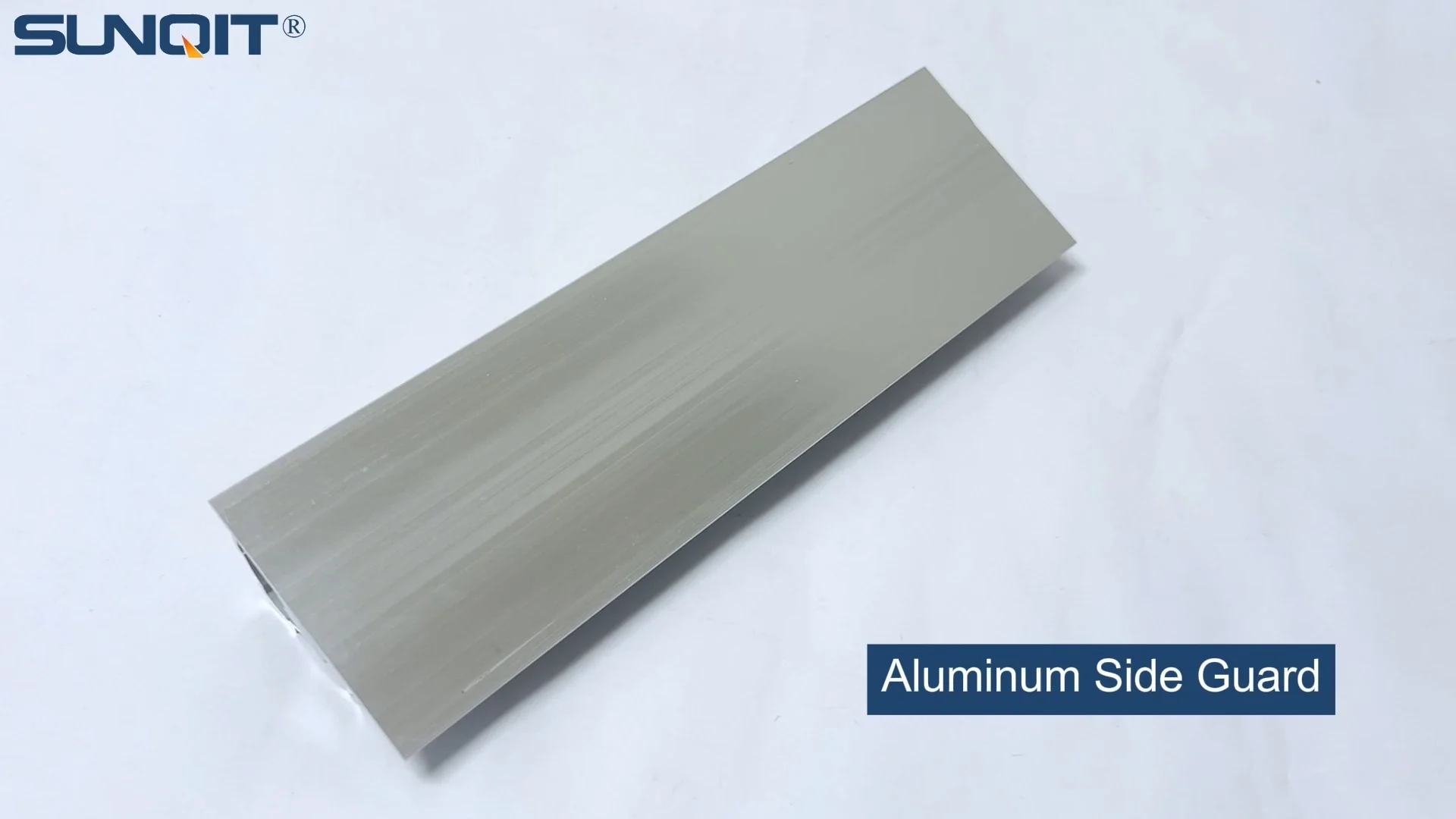
Aluminum Side Guard
Aluminum side guard, it works with a aluminum pipe or a roller track as side guard to prevent material drop,or move to wrong direction.
Walk into any well-run production facility, and you'll notice the little details that keep things moving smoothly—equipment humming, teams collaborating, and materials gliding from one station to the next. But behind that seamless flow lies a critical, often overlooked component: aluminum side guards. These unassuming barriers play a quiet yet vital role in protecting your team, your products, and your bottom line. Whether you're managing a bustling automotive assembly line, a precision electronics workshop, or a fast-paced logistics hub, the right side guards can mean the difference between a day of uninterrupted productivity and a costly delay. Let's dive into what makes aluminum side guards indispensable, and how to choose the perfect fit for your unique needs.
Why Aluminum Side Guards Matter More Than You Think
Before we jump into the "how," let's talk about the "why." Side guards might seem like a minor addition to your production setup, but their impact is far-reaching. Imagine a scenario where a pallet of fragile components slides off a roller track, crashing into a workbench and damaging both the materials and the equipment. Or a team member accidentally brushing against an unguarded conveyor, resulting in a preventable injury. These aren't just hypothetical—they're real risks that aluminum side guards are designed to mitigate.
Aluminum, in particular, has become the material of choice for modern side guards, and for good reason. It's lightweight yet surprisingly strong, resistant to corrosion (a must in environments with moisture or chemicals), and easy to customize to fit your existing setup—whether that's paired with aluminum profiles, roller tracks, or conveyor systems. Unlike heavier materials like steel, aluminum side guards won't weigh down your equipment or make adjustments a hassle. And let's not forget aesthetics: a clean, well-integrated set of aluminum guards sends a message about your commitment to safety and professionalism, which matters for both team morale and client impressions.
Factor 1: Material Quality—Not All Aluminum Is Created Equal
When it comes to aluminum side guards, the first thing to scrutinize is the material itself. Aluminum alloys vary widely in strength, durability, and performance, and choosing the wrong grade can lead to premature wear, bending under pressure, or even failure when you need it most. Let's break down what to look for.
Most industrial-grade side guards are made from 6000-series aluminum alloys, such as 6061 or 6063. These alloys are prized for their excellent balance of strength, weldability, and corrosion resistance—key traits for a component that's exposed to daily use, occasional impacts, and varying environmental conditions. 6061, for example, is often used in heavy-duty applications thanks to its higher tensile strength, while 6063 is favored for its smooth finish and formability, making it ideal for guards that need a polished look or intricate shapes.
Another consideration is wall thickness. A side guard with a thinner wall might save you a few dollars upfront, but it won't stand up to the rigors of a busy line. Aim for a thickness of at least 1.5mm for standard applications, and 2.0mm or more if your line handles heavy loads or frequent impacts. You'll also want to check the surface treatment: anodized aluminum, for instance, adds an extra layer of protection against scratches and corrosion, ensuring your guards look and perform well for years.
Here's a pro tip: Ask your supplier for material certifications. Reputable aluminum profile suppliers will be happy to provide documentation proving the alloy grade, thickness, and compliance with industry standards. This isn't just about ticking boxes—it's about ensuring you're investing in a product that will last.

Factor 2: Design Compatibility—Fitting Into Your Existing Ecosystem
Your production line is a carefully calibrated ecosystem, with each piece of equipment—from roller tracks and conveyors to workbenches and storage racks—working in tandem. The last thing you want is to install side guards that disrupt this harmony. That's why design compatibility is non-negotiable.
Start by taking stock of your current setup. What type of aluminum profile are you using? If your line relies on 4040 or 3030 aluminum profiles (common in modular systems), your side guards should feature mounting brackets or slots that align with these profiles' T-slots. This allows for easy, tool-free adjustments and ensures a secure fit without drilling or welding. Similarly, if your materials move along roller tracks, the guards should sit flush with the track's edges, preventing snags or gaps where items could get stuck.
Consider the height and width of the guards, too. A guard that's too short won't prevent items from tipping over, while one that's too tall might block visibility or interfere with loading/unloading. For roller track systems, a good rule of thumb is to match the guard height to at least 75% of the average height of the materials being transported. And don't forget about curved or angled sections—if your line has bends, look for flexible or modular guard designs that can follow the track's contour without creating weak points.
Let's say you run a food packaging line with plastic roller track guide rails in yellow (a common color for high-visibility areas). Your side guards should complement that visibility, perhaps with a contrasting color or reflective strips, while still attaching seamlessly to the track's aluminum supports. Compatibility isn't just about function—it's about maintaining the efficiency and safety of the entire line.

Factor 3: Load Capacity and Impact Resistance—Built to Handle the Heat
Production lines are unpredictable. One minute, you're moving lightweight components; the next, you're handling a batch of heavy parts. Your side guards need to be ready for both. Load capacity isn't just about static weight—it's about dynamic impact, too.
Start by calculating the maximum weight of the materials that will come into contact with the guards. If you're transporting metal parts weighing 50kg or more, a guard rated for 30kg simply won't cut it. Look for guards with a load capacity rating that exceeds your daily maximum by at least 20%—this buffer accounts for accidental bumps, sudden stops, or the occasional heavier-than-usual load.
Impact resistance is equally critical. Think about how materials interact with the guards: Are items being pushed manually, or do they glide via gravity on roller tracks? A guard that can absorb a gentle nudge might not survive a pallet sliding down a steep incline. Look for guards with reinforced edges or shock-absorbing features, such as rubberized strips, to dissipate impact energy. For high-risk areas, consider adding a layer of foam padding beneath the aluminum—this is especially useful in electronics or pharmaceutical lines where even minor dents could damage sensitive products.
Don't forget to test! If possible, ask your supplier for a sample and simulate real-world conditions. Push a loaded cart against the guard, drop a weighted object (safely, of course) near the edge, and see how it holds up. A little due diligence now can save you from a big headache later.
Factor 4: Installation and Adaptability—Ease of Setup, Flexibility for the Future
Time is money, and downtime during installation is the last thing you need. The best aluminum side guards are designed with ease of setup in mind, whether you're installing them yourself or hiring a team.
Look for guards with pre-drilled holes or T-slot compatible brackets. These allow you to attach them directly to your existing aluminum profiles or roller track supports using standard aluminum profile accessories like bolts, nuts, or corner codes. Avoid designs that require specialized tools or welding—unless you have a dedicated maintenance team, these can turn a half-day project into a multi-day ordeal.
Adaptability is another key consideration. Your production line won't stay the same forever—you might add new stations, adjust workflows, or scale up operations. Modular side guards, which can be cut to length or connected end-to-end, give you the flexibility to reconfigure as needed. Some suppliers even offer extendable or telescopic designs that grow with your line, eliminating the need to buy entirely new guards down the road.
Let's not overlook accessibility, either. There will be times when you need to remove a guard temporarily—for deep cleaning, equipment maintenance, or loading oversized items. Quick-release mechanisms, such as lever locks or snap-on brackets, make this process fast and frustration-free. Just make sure these mechanisms are secure enough to prevent accidental dislodging during normal operation!
Factor 5: Safety Standards and Compliance—Protecting Your Team and Your Business
Safety isn't optional—it's the foundation of any successful production line. Aluminum side guards must meet strict industry standards to ensure they protect your team, not just your materials. The specific standards will vary by industry: OSHA guidelines in the U.S., CE marking in the EU, or ISO certifications for global operations. Familiarize yourself with these requirements, and verify that your guards comply.
What should you look for in terms of safety features? Non-slip surfaces are a must if the guards are in areas where team members might step or lean. Rounded edges prevent cuts or scrapes, while high-visibility colors (like yellow or orange) ensure the guards stand out, even in dimly lit corners. For lines with moving parts, consider guards with transparent panels (acrylic or polycarbonate) to maintain visibility while still providing protection.
It's also worth checking if the guards meet fire safety standards, especially if your line handles flammable materials. Aluminum is naturally fire-resistant, but coatings or additives might affect this—ask your supplier for details.
Factor 6: Cost vs. Value—Investing in Long-Term Reliability
Let's talk budget. It's tempting to opt for the cheapest side guards on the market, but this is one area where "you get what you pay for" rings true. A $20 guard might save you money today, but if it bends after a month, requires frequent replacements, or—worse—contributes to an accident, the true cost is far higher.
Instead of focusing solely on upfront cost, calculate the total cost of ownership (TCO). This includes: initial purchase price, installation costs, maintenance (cleaning, repairs, replacements), and potential downtime if the guards fail. A slightly more expensive guard made from high-grade aluminum, with a durable finish and easy maintenance, will often have a lower TCO over time.
Don't forget to factor in labor savings. Guards that are easy to install and adjust reduce the time your team spends on setup, freeing them up for more critical tasks. And a longer lifespan means fewer replacements, which translates to less disruption and lower long-term costs.
Comparing Your Options: A Quick Reference Table
To help you weigh your choices, here's a comparison of common aluminum side guard options, based on key factors:
| Guard Type | Material Thickness | Load Capacity (Max) | Compatible Systems | Installation Time | Estimated Lifespan | Best For |
|---|---|---|---|---|---|---|
| Standard Anodized Aluminum | 1.5mm | 50kg/m | 4040/3030 Aluminum Profiles, Flat Roller Tracks | 1-2 hours (per 10m) | 5-7 years | General manufacturing, light to medium loads |
| Heavy-Duty Reinforced | 2.0mm | 100kg/m | 4080 Aluminum Profiles, Curved Roller Tracks | 2-3 hours (per 10m) | 8-10 years | Automotive, heavy machinery, high-impact areas |
| Modular/Telescopic | 1.5-2.0mm (adjustable) | 75kg/m | All standard aluminum profiles, roller tracks, conveyors | 1-1.5 hours (per 10m) | 7-9 years | Dynamic lines with frequent reconfigurations |
| Transparent Panel (Aluminum Frame) | 1.5mm (frame) + 5mm (acrylic panel) | 30kg/m | Electronics lines, cleanrooms | 2-2.5 hours (per 10m) | 6-8 years | Precision work, areas requiring visibility |
Choosing the Right Supplier—Your Partner in Productivity
Even the best guard design is only as good as the supplier behind it. When selecting an aluminum profile supplier, look for a partner with a proven track record in industrial applications. Here's what to ask:
- Experience: How long have they been supplying aluminum profiles and accessories? Do they specialize in production line components?
- Customization: Can they tailor guards to your specific dimensions or design requirements?
- Support: Do they offer technical assistance during installation? What's their warranty policy?
- Inventory: Do they have stock on hand, or will you face long lead times? For urgent projects, this can make or break your timeline.
A good supplier won't just sell you a product—they'll take the time to understand your line, answer your questions, and help you choose the best guards for your needs. Don't be afraid to ask for references or case studies from similar businesses—this can give you confidence that they'll deliver on their promises.
Wrapping Up: Your Production Line Deserves the Best
Aluminum side guards might not be the most glamorous part of your production line, but they're undeniably essential. By prioritizing material quality, design compatibility, load capacity, installation ease, safety compliance, and cost-effectiveness, you'll ensure your line runs smoothly, safely, and efficiently for years to come. And by partnering with a reliable aluminum profile supplier, you'll have the support and expertise to make the best choice for your unique setup.
Remember, the goal isn't just to "check the box" on safety—it's to create an environment where your team can thrive, your products are protected, and your business can grow. So take the time to assess your needs, ask the right questions, and invest in guards that will grow with you. Your future self (and your bottom line) will thank you.