- Company Articles
- Products and Technology
- Procurement Guidelines
- Choosing the Right Aluminum Workbench C: A Manufacturer's Buying Guide

Choosing the Right Aluminum Workbench C: A Manufacturer's Buying Guide
Related Product
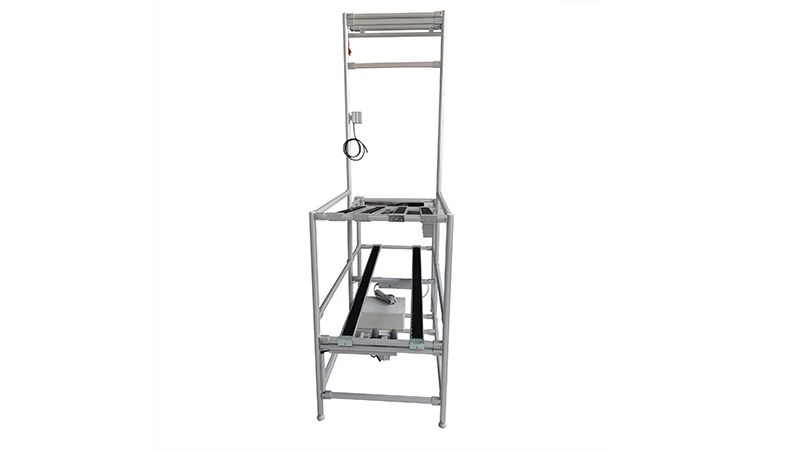
Aluminum Workbench C
aluminum-tube-workbench-is-more-flexible-and-durable,-compared-with-traditional-pe/abs-coated-steel-tube.-it-is-easy-to-assemble,-anti-corrosion,-rust-protection,-and-recycle-use-after-disassemble.
Walk into any thriving production facility, and you'll notice it immediately—the unsung hero of the assembly line, the quiet backbone that keeps operations moving: the workbench. It's where components become products, where precision meets pace, and where your team spends hours crafting the goods that define your business. But not all workbenches are created equal. If you've ever watched a skilled technician strain to reach tools on a wobbly surface, or seen parts slide off a worn table mid-assembly, you know the cost of choosing the wrong one. Today, we're diving into a game-changer for manufacturers: the Aluminum Workbench C. This isn't just a piece of furniture—it's a productivity partner, built with the demands of modern production assemble in mind. Let's explore how to pick the perfect one for your floor.
What Even Is Aluminum Workbench C? Breaking Down the Basics
First things first: Let's demystify the name. Aluminum Workbench C isn't some cryptic code—it's a nod to its design lineage. "C" often stands for "configurable" or "commercial-grade," and that's exactly what you get: a workbench built around aluminum extrusion profiles, the modular building blocks that make customization a breeze. Unlike clunky wooden benches or heavy steel tables that lock you into a single layout, Aluminum Workbench C is a chameleon. It adapts to your needs, whether you're assembling circuit boards, packing finished goods, or testing machinery.
Picture this: Its frame is crafted from sleek, silver aluminum extrusion profiles—hollow, lightweight beams with T-shaped slots running along their length. These slots aren't just for show; they're the secret to its versatility. Slide in a shelf bracket, bolt on a tool holder, or attach a monitor arm—all without drilling or welding. On top, you'll typically find a sturdy work surface, often made from materials like aluminum honeycomb panel (lightweight but surprisingly strong) or a smooth, scratch-resistant aluminum sheet. And yes, many models come with optional caster wheels, turning a stationary bench into a mobile workstation that glides effortlessly across the factory floor.
Why Aluminum? The Material That Changes the Game
You might be thinking: "Steel is strong, wood is cheap—why aluminum?" Great question. Let's start with the obvious: weight. Aluminum extrusion profiles are significantly lighter than steel, which means your workbench is easier to move (especially with those caster wheels we mentioned) and simpler to reconfigure. But don't let the lightness fool you—aluminum is tough. Most Aluminum Workbench C models use 6061-T6 aluminum, an alloy known for its impressive strength-to-weight ratio. It's resistant to dents, scratches, and corrosion, so even in dusty or humid production environments, it won't rust or warp like wood.
Then there's customization. Aluminum extrusion profiles are designed to work with a universe of aluminum profile accessories—think clamps, bins, LED light strips, and even ESD (electrostatic discharge) grounding kits. Need a shelf above the bench? Screw in a bracket. Want a tool rail along the side? Slide it into the T-slot. This modularity means your workbench grows with your business. Today, it's a simple assembly station; tomorrow, add a keyboard tray and monitor mount, and it becomes a quality control hub. Steel might be strong, but it's rigid. Aluminum? It's strong and flexible—exactly what you need in a dynamic production setting.

Key Features to Demand in Your Aluminum Workbench C
Not all Aluminum Workbench C models are created equal. To avoid buyer's remorse, here are the must-have features to check off your list:
1. Aluminum Extrusion Profile Quality: The Foundation of Durability
Start with the frame. The aluminum extrusion profiles should be at least 1.5mm thick—thinner than that, and you risk flexing under heavy loads. Ask about the alloy, too: 6061-T6 is industry standard for a reason, but some cheaper models use softer alloys that bend over time. Run your finger along the T-slots—they should be smooth, with no burrs, to ensure aluminum profile accessories slide in easily.
2. Work Surface: More Than Just a Flat Top
The surface is where the magic happens, so don't skimp here. Look for options like aluminum honeycomb panel, which combines lightness with rigidity, or a solid aluminum sheet with a brushed finish (easy to clean and resistant to chemicals). If your work involves sensitive electronics, consider an ESD workstation variant. These come with static-dissipative surfaces and grounding points to protect components from electrostatic damage—a small detail that can save you from costly defects.
3. Load Capacity: Don't Guess—Calculate
How much weight will your bench really hold? A flimsy model might claim "200kg capacity," but that's often a marketing gimmick. Check the specs for "uniformly distributed load" (UDL)—that's the weight it can handle across the entire surface. For production assemble, aim for at least 300kg UDL. If you're placing heavy machinery on it, go higher. And remember: caster wheels add mobility, but they also affect load capacity. A bench with casters might have a lower weight limit than a stationary one, so factor that in.
4. Ergonomics: Your Team Deserves Comfort
A workbench that's hard on your team is hard on your bottom line. Look for height-adjustable models—electric or manual—to accommodate workers of different heights. The ideal height? About 80-85cm for most standing work, but adjustable options let you switch between sitting and standing, reducing fatigue. Also, check the edge: rounded corners prevent bumps and bruises, and a lip around the edge keeps small parts from rolling off.
5. Aluminum Profile Accessories Compatibility: Future-Proof Your Bench
Your needs today won't be the same tomorrow. Make sure the Aluminum Workbench C is compatible with standard aluminum profile accessories. Can you add a pegboard? A monitor arm? A bin rail for parts storage? Brands that use industry-standard T-slot sizes (like 20x20mm or 40x40mm) give you more flexibility, as accessories from different suppliers will fit. Avoid proprietary systems—they lock you into overpriced add-ons.

Aluminum Workbench C vs. Traditional Workbenches: A Side-by-Side Comparison
Still on the fence? Let's put Aluminum Workbench C head-to-head with the alternatives:
| Feature | Aluminum Workbench C | Steel Workbench | Wooden Workbench |
|---|---|---|---|
| Weight | Lightweight (easy to move with caster wheels) | Heavy (hard to reposition) | Moderate (but prone to warping) |
| Durability | Corrosion-resistant, scratch-proof | Strong but rust-prone | Scratches easily, absorbs moisture |
| Customization | High (aluminum profile accessories, T-slot design) | Low (requires welding/drilling) | Limited (screws can split wood) |
| ESD Options | Widely available (ESD workstation variants) | Possible but adds weight/cost | Rare (poor static control) |
| Long-Term Value | High (modular, lasts 10+ years) | Medium (rust reduces lifespan) | Low (needs replacement every 3-5 years) |

Real-World Impact: How One Factory Transformed with Aluminum Workbench C
Let's get concrete. Take "BrightStar Electronics," a mid-sized manufacturer of smartphone components. A year ago, their assembly line was a patchwork of old wooden benches and heavy steel tables. Workers complained about back pain from hunching over fixed-height surfaces, and parts frequently rolled off unedged tables, causing delays. The steel benches were so heavy, rearranging the line for a new product took a full day and a team of four.
Then they switched to Aluminum Workbench C. Here's what changed: First, they opted for height-adjustable models with caster wheels, so workers could tweak their stations to their height and move benches between lines in minutes. They added aluminum profile accessories like bin rails and tool hooks, reducing the time spent searching for parts by 15%. For their ESD-sensitive circuit board assembly, they chose ESD workstation variants, cutting static-related defects by 40%. And because the aluminum extrusion profiles were lightweight, they could reconfigure the entire line in just two hours for a new product launch—saving a full day of downtime.
The result? Productivity up by 22%, worker satisfaction scores higher, and a 30% reduction in workplace injuries. "It's not just a workbench," said BrightStar's operations manager. "It's the foundation we built our new production system on."
Avoid These Common Mistakes When Buying
Even with the best intentions, it's easy to slip up. Here are pitfalls to steer clear of:
- Choosing based on price alone: A $200 "aluminum" bench might look like a steal, but it's probably made from thin, low-grade aluminum that will bend under pressure. Invest in quality—you'll save money on replacements.
- Ignoring ESD needs: If you work with electronics, an ESD workstation isn't optional. Static electricity can fry components without you even noticing. Don't skip the grounding kit.
- Overlooking caster wheel quality: Cheap caster wheels lock up or break, turning your "mobile" bench into a stationary headache. Look for heavy-duty, swivel casters with brake locks.
- Forgetting future growth: Buy a bench that's too small, and you'll outgrow it in a year. Opt for a larger surface or modular design that lets you add extensions later.
Maintenance Tips to Keep Your Workbench Thriving
Your Aluminum Workbench C is built to last, but a little care goes a long way:
- Clean regularly: Wipe the surface with a damp cloth and mild soap. Avoid abrasive cleaners—they can scratch the aluminum.
- Tighten accessories: Aluminum profile accessories can loosen over time with vibration. Check screws and brackets monthly and tighten as needed.
- Lubricate caster wheels: A drop of oil on the caster bearings every six months keeps them rolling smoothly.
- Protect ESD surfaces: For ESD workstations, avoid using harsh chemicals that can damage the static-dissipative coating. Use ESD-safe cleaning wipes instead.
Final Thoughts: Your Workbench, Your Success
At the end of the day, Aluminum Workbench C isn't just a piece of equipment. It's a statement about how you value your team, your products, and your efficiency. It's the quiet partner that stands with you through long production runs, adaptability for new projects, and reliability when you need it most. By choosing the right model—one built with high-quality aluminum extrusion profiles, compatible with aluminum profile accessories, and tailored to your ergonomic and ESD needs—you're not just buying a workbench. You're investing in a smoother, faster, and more profitable production line.
So, take the time to assess your needs, ask suppliers tough questions about materials and load capacity, and don't be afraid to customize. Your team, your products, and your bottom line will thank you. After all, every great product starts with a great workspace—and Aluminum Workbench C is here to deliver.