- Company Articles
- Products and Technology
- Procurement Guidelines
- Choosing the Right Roller Track Placon Mount Center Support Bracket: A Buyer's Guide

Choosing the Right Roller Track Placon Mount Center Support Bracket: A Buyer's Guide
Related Product
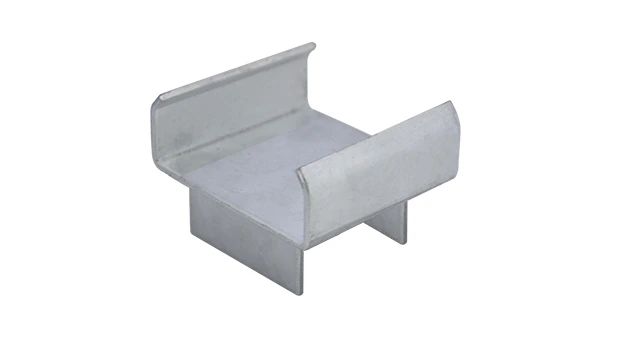
Roller Track Placon Mount Center Support Bracket
Roller track placon mount work as a connector for roller track and pipe or aluminum profile in rack syetem, it is a necessary parts in rack system which widely used in industrial plant and logistic,warehouse storage.
Navigate the details to build a smoother, more reliable material handling system
Why the Right Center Support Bracket Matters More Than You Think
In the fast-paced world of manufacturing and logistics, every component in your production line plays a silent but critical role. When it comes to roller track systems—the unsung heroes that keep materials flowing from workstation to warehouse—one small part often determines the difference between seamless operation and costly downtime: the roller track placon mount center support bracket.
Think about it: A flimsy bracket might cause your roller track to sag under heavy loads, leading to jams, scratched products, or even halted assembly lines. On the flip side, a well-chosen center support bracket becomes the backbone of your material flow, ensuring stability, precision, and longevity. Whether you're setting up a new lean production cell for 3C electronics or upgrading a medical device assembly line, this guide will walk you through everything you need to know to make the right choice.
Step 1: Start by Understanding Your Needs
Before diving into product specs, take a step back and map out your specific requirements. The "perfect" bracket for a automotive parts warehouse might be a disaster for a precision medical device line. Here's what to consider:
Load Capacity: How Much Weight Will It Carry?
Roller tracks handle everything from lightweight circuit boards to heavy metal components. A center support bracket designed for 10kg loads won't cut it if you're moving 50kg automotive parts. Check your typical material weights, then add a 30% buffer to account for occasional peaks. For example, if your average load is 20kg per linear meter, opt for a bracket rated for at least 26kg.
Speed and Frequency: How Fast and How Often?
Is your roller track part of a high-speed conveyor system zipping products between workstations, or a manual picking station where items move slowly? High-frequency, fast-moving systems need brackets with tighter tolerances and better shock absorption to prevent wear over time. Look for features like reinforced joints if your line runs 24/7.
Environment: Where Will It Live?
Humid warehouses, cleanrooms, and ESD-sensitive areas (like 3C assembly lines) demand different materials. For example, a plastic bracket might work in a dry electronics workshop, but a stainless steel or aluminum bracket would be better in a moisture-heavy food packaging facility to resist rust.
Pro Tip:
Note the type of roller track you're using. Brackets for "40 steel roller track yellow wheel" models have different mounting points than those for "85 staggered roller track" systems. Check your track's specifications (like width, wheel spacing, and profile type) before shopping.

Step 2: Material Matters—Aluminum, Steel, or Plastic?
The material of your center support bracket directly impacts durability, weight, and performance. Let's break down the pros and cons of the most common options:
| Material | Best For | Pros | Cons | Typical Applications |
|---|---|---|---|---|
| Aluminum | Light to medium loads, clean environments | Lightweight, corrosion-resistant, easy to install | Lower max load than steel | 3C assembly lines, medical device workbenches, lean workstations |
| Steel | Heavy loads, high-impact areas | High strength, durable, cost-effective | Heavier, prone to rust without coating | Automotive parts handling, heavy machinery warehouses |
| Plastic (Nylon/Polypropylene) | Light loads, ESD-sensitive areas | ESD-safe, non-scratching, affordable | Not for heavy or high-temperature use | Electronics picking, small parts assembly |
| Stainless Steel | Wet, corrosive, or sterile environments | Extremely durable, rust-proof, easy to sanitize | Expensive, heavy | Food processing, pharmaceutical cleanrooms |
For most modern lean manufacturing setups, aluminum is a sweet spot. It pairs well with aluminum extrusion profiles (common in modular lean systems) and offers a good balance of strength and weight. Plus, it's easy to customize with anodized coatings for extra protection.

Step 3: Key Features to Look For
Not all brackets are created equal. Here are the must-have features to check before buying:
Mounting Compatibility: Does It Fit Your Structure?
Most brackets use "placon mount" designs, which attach to aluminum profiles or frames. But there are variations: "roller track placon mount for aluminum profile high" (for taller profiles) vs. "roller track placon mount flat" (for low-profile frames). Make sure the bracket's mounting holes and slots align with your existing aluminum profile accessories—mismatched parts mean extra drilling (and extra headaches).
Adjustability: Can You Fine-Tune It?
Even the most carefully measured systems need tweaks. Look for brackets with slotted holes or height-adjustable components. This is especially useful if your roller track slopes slightly (for gravity flow) or if you need to level uneven sections over time.
Durability: Will It Last?
Check for signs of quality: welded vs. bolted joints (welded is stronger for heavy loads), thick gauge materials (1.5mm+ for aluminum), and surface treatments like powder coating or anodizing to resist scratches and corrosion. A cheap bracket might save money upfront, but replacing it every 6 months costs more in downtime.
ESD Protection (If Needed)
In electronics manufacturing, static electricity can fry sensitive components. If you're building an ESD workstation, choose brackets with conductive materials or ESD-safe coatings. Some suppliers offer "esd workbench compatible" brackets specifically designed for these environments.
Step 4: Don't Forget the Bigger Picture—Lean Solutions
A center support bracket isn't just a standalone part—it's part of a larger lean system. The best suppliers don't just sell brackets; they offer lean solutions that integrate seamlessly with your workflow. Here's how to spot a partner vs. a vendor:
Customization Capabilities
Does the supplier offer modified brackets for unique setups? For example, if you need a bracket that works with both "40 steel roller track black esd wheel" and "38 aluminum roller track yellow", a supplier with in-house engineering can design a hybrid solution instead of forcing you to compromise.
Inventory and Lead Times
Downtime waits for no one. Look for suppliers with local warehouses or large stockpiles of common brackets (like "roller track placon mount center support bracket" in standard sizes). If you need 50 brackets tomorrow, a supplier with same-day shipping beats one with a 4-week lead time.
Technical Support
Even the best specs can get confusing. A good supplier will help you calculate load capacities, confirm compatibility with your existing roller track, or even send a technician for on-site measurements. Avoid suppliers who just send a catalog and disappear.
Real-World Example: How the Right Bracket Solved a 3C Manufacturer's Nightmare
A mid-sized 3C assembly plant was struggling with frequent jams on their 85 staggered roller track line. Products would get stuck halfway, causing backups and missed deadlines. After inspecting, they realized their generic steel brackets were bending under the weight of their circuit board trays, sagging the track.
They switched to aluminum profile-based center support brackets with reinforced mounting plates, rated for 30kg loads (vs. the old 20kg brackets). The result? Zero jams in 6 months, and a 15% boost in line efficiency. The supplier also helped them adjust the bracket spacing to better distribute weight—proving that a small part, paired with the right lean solution, can make a huge difference.
Final Checklist: Before You Buy
Use this quick checklist to ensure you're ready to make a confident purchase:
- Load capacity: Matches (or exceeds) your needs with a 30% buffer
- Material: Suits your environment (aluminum for cleanrooms, steel for heavy loads, etc.)
- Compatibility: Fits your roller track type (e.g., 40 steel, 85 staggered) and aluminum profile
- Features: Includes adjustability, durable coatings, and (if needed) ESD protection
- Supplier: Offers customization, fast shipping, and technical support
Investing time in choosing the right roller track placon mount center support bracket might seem small, but it's the kind of detail that keeps your production line running smoothly, your team productive, and your customers happy. After all, in manufacturing, the strongest systems are built on the strongest foundations—one bracket at a time.