- Company Articles
- Products and Technology
- Product knowledge
- Choosing the Right Size Parallel Rotatory Lean Pipe Joint for Your Project

Choosing the Right Size Parallel Rotatory Lean Pipe Joint for Your Project
Related Product
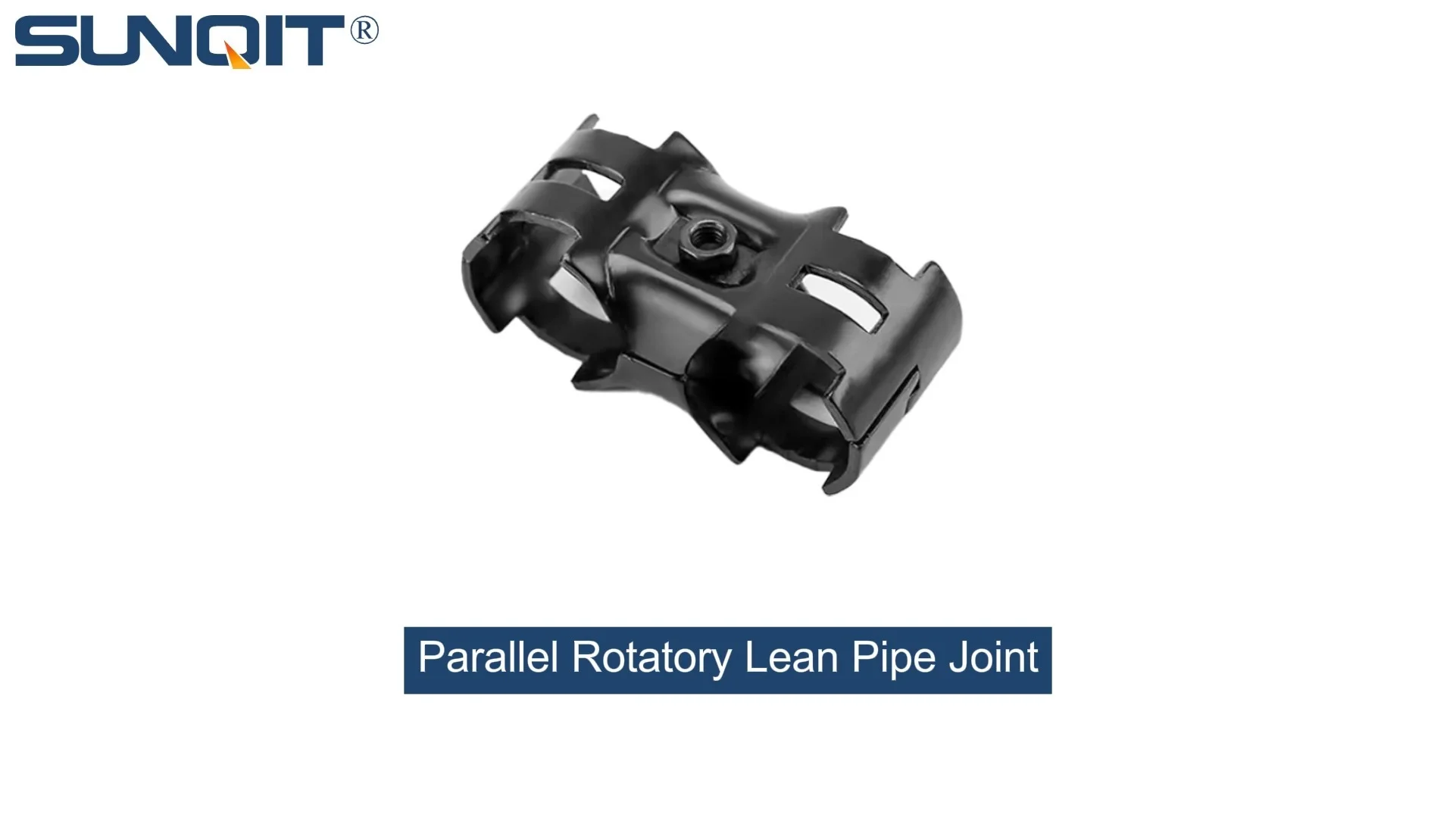
Parallel Rotatory Lean Pipe Joint
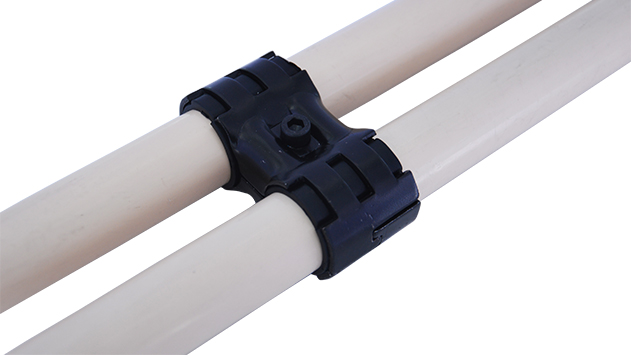
Parallel rotatory lean pipe joint, for 2 pcs pipe conenction in parallel direction with rotatory function.
In the world of manufacturing and warehouse management, efficiency isn't just a buzzword—it's the backbone of daily operations. Every tool, every piece of equipment, and every component plays a role in keeping workflows smooth, safe, and adaptable. Among these unsung heroes are lean pipe systems, the modular frameworks that power assembly lines, workbenches, flow racks, and material handling setups across industries. But what makes these systems truly versatile? It's the joints that hold them together. Specifically, parallel rotatory lean pipe joints—small but critical components that enable rotation, flexibility, and reconfiguration. Choosing the right size for these joints isn't just about fitting pipes together; it's about optimizing performance, ensuring safety, and future-proofing your workspace. Let's dive into the details of how to select the perfect parallel rotatory lean pipe joint size for your project.
Understanding Parallel Rotatory Lean Pipe Joints: The Basics
Before we get into sizing, let's clarify what a parallel rotatory lean pipe joint is and why it matters. Lean pipe systems, often built with materials like aluminum lean pipe or traditional steel pipes, rely on joints to connect tubes, create angles, and form stable structures. Unlike fixed joints, which lock pipes into place, parallel rotatory joints are designed to allow controlled rotation around a central axis. This rotation—whether 90 degrees, 180 degrees, or even 360 degrees—lets workers adjust shelves, reposition workbench surfaces, or redirect flow rack pathways without disassembling the entire structure. Think of them as the "hinges" of lean manufacturing: small in size, but huge in impact.
These joints are typically made from durable materials like aluminum or reinforced plastic, chosen for their strength-to-weight ratio and resistance to wear. For example, aluminum lean pipe joints are lightweight yet robust, making them ideal for applications where frequent reconfiguration is needed, such as assembly lines or temporary workstations. Their design ensures a snug fit with lean pipes, preventing wobbling or slippage even under load. But here's the catch: not all joints are created equal. Size, in particular, dictates how well a joint will perform in your specific setup.
Key Factors to Consider When Selecting Joint Size
Choosing the right size parallel rotatory lean pipe joint isn't a one-size-fits-all process. It requires a clear understanding of your project's unique needs, from the weight of materials to the frequency of adjustments. Let's break down the critical factors that should guide your decision.
1. Load Capacity: Know What You're Lifting
The first question to ask is: How much weight will the joint need to support? Every parallel rotatory joint has a maximum load rating, which refers to the total weight it can safely bear without bending, breaking, or losing rotation functionality. Underestimating this is a common mistake—and a costly one. A joint that's too small for the load will wear out quickly, leading to instability, equipment damage, or even workplace accidents.
For example, consider a workbench used for assembling small electronics. The tools, components, and the bench itself might weigh around 50-100 kg. A small or medium joint (20mm or 30mm) would likely suffice here. But if you're building a flow rack to hold heavy automotive parts weighing 200 kg or more, a larger joint (40mm or above) with a higher load capacity is non-negotiable. Always check the manufacturer's specifications for load ratings, and remember to account for dynamic loads—weights that shift or move, like materials being loaded onto a shelf— which can stress joints more than static loads.
2. Pipe Diameter: A Perfect Fit is Non-Negotiable
Parallel rotatory joints are engineered to fit specific pipe diameters. If your lean system uses 30mm aluminum lean pipe, a joint designed for 20mm pipes will be too loose, leading to instability. Conversely, a 40mm joint paired with 30mm pipes will never lock securely, creating a wobbly structure that's unsafe to use. This might seem obvious, but mismatched sizes are surprisingly common, often due to rushed purchasing or miscommunication between teams.
Standard lean pipe diameters vary by application. For light-duty tasks like small workbenches or manual assembly stations, 20mm or 28mm pipes are typical. Medium-duty setups, such as flow racks or turnover trolleys, often use 30mm or 38mm pipes. Heavy-duty systems, like industrial material racks or conveyor supports, may require 40mm or larger pipes. Your joint size must align with your pipe diameter—no exceptions. When in doubt, measure your pipes (including any coatings, like PE coatings on steel pipes) and cross-check with the joint's specifications.
3. Rotation Range: How Much Movement Do You Need?
Not all parallel rotatory joints offer the same range of motion. Some rotate 90 degrees, others 180 degrees, and a few can spin a full 360 degrees. The size of the joint often correlates with its rotation capabilities. Smaller joints may have limited rotation to prioritize compactness, while larger joints might offer wider ranges to accommodate heavy, bulky loads that need to be repositioned frequently.
Ask yourself: Will workers need to flip a shelf from horizontal to vertical? Adjust a workbench surface to a 45-degree angle? Or simply swivel a component tray out of the way? For example, a 180-degree rotation joint is ideal for a flow rack where materials need to be accessed from both sides. A 90-degree joint might be enough for a workbench shelf that only needs to fold up when not in use. Choosing a joint with more rotation than you need isn't necessarily a problem, but it can add unnecessary cost. On the flip side, too little rotation will limit your system's flexibility, defeating the purpose of using a rotatory joint in the first place.
4. Application Context: Where and How Will It Be Used?
The environment and workflow of your project also influence joint size. Let's consider two scenarios: a cleanroom facility producing medical devices and a busy warehouse shipping consumer goods. In the cleanroom, space is tight, and precision is key. A smaller, lightweight joint (20mm) made from aluminum would be preferred for its compact design and resistance to corrosion. In the warehouse, however, where materials are moved constantly and durability is critical, a larger, heavy-duty joint (40mm) with reinforced construction would be a better fit.
Another context to consider is reconfiguration frequency. If your setup changes daily—say, a custom assembly line that switches between products—you'll want joints that are easy to adjust but still secure. Aluminum lean pipe joints are often favored here for their smooth rotation and lightweight design, making adjustments quick and effortless. For static setups that rarely change, like a permanent storage rack, a larger joint with a tighter lock might be better, even if it's heavier or slower to adjust.
5. Material Compatibility: Aluminum, Steel, or Plastic?
Lean pipe systems use a range of materials, and your joint must be compatible with yours. Aluminum lean pipe, for instance, is lightweight, corrosion-resistant, and ideal for clean or food-grade environments. Joints for aluminum pipes are often made from the same material to prevent galvanic corrosion (a reaction that occurs when dissimilar metals touch). Steel pipes, on the other hand, pair well with steel or reinforced plastic joints, which offer the strength to handle heavy loads. Mixing materials—like using a steel joint with aluminum lean pipe—can lead to premature wear, rust, or weakened connections.
Additionally, consider the pipe's surface finish. PE-coated lean pipes (plastic-coated steel) require joints with smooth, non-abrasive interiors to avoid scratching the coating, which could expose the steel to rust. Aluminum pipes, with their natural oxide layer, are more forgiving but still benefit from joints designed to grip without damaging the surface.
Common Sizes and Their Practical Applications
Now that we've covered the factors to consider, let's explore the most common parallel rotatory lean pipe joint sizes and where they're best used. This breakdown will help you match size to application, ensuring you get the right balance of strength, flexibility, and cost.
| Joint Size (mm) | Compatible Pipe Diameter (mm) | Max Load Capacity (kg) | Rotation Range (Degrees) | Typical Applications |
|---|---|---|---|---|
| 20mm | 20mm – 28mm | 50 – 100 | 90 – 180 | Small workbenches, lightweight assembly stations, manual tool racks |
| 30mm | 28mm – 38mm | 100 – 200 | 180 – 360 | Flow racks, medium-duty workbenches, turnover trolleys, material handling carts |
| 40mm | 38mm – 50mm | 200 – 350 | 180 – 360 | Heavy-duty material racks, industrial conveyor supports, large workbenches for heavy tools |
| 50mm+ | 50mm+ | 350+ | 90 – 180 (limited by size) | Heavy machinery supports, outdoor storage racks, specialized industrial setups |
Small Joints (20mm): Lightweight and Nimble
At 20mm, these joints are the smallest and most lightweight option, perfect for light-duty tasks where mobility and quick adjustments are key. They pair well with 20mm-28mm pipes, making them ideal for small workbenches in electronics assembly, hobby workshops, or retail display racks. Their max load capacity of 50-100 kg is sufficient for tools, small components, or lightweight inventory. Rotation ranges are typically 90-180 degrees, which is enough for folding shelves or repositioning tool hooks. If your project involves frequent setup changes and minimal weight, 20mm joints are a cost-effective choice.
Medium Joints (30mm): The Versatile Workhorse
30mm joints are the most popular choice for general manufacturing and warehouse use, thanks to their balance of strength and flexibility. They fit 28mm-38mm pipes, which are standard for medium-duty lean systems like flow racks, turnover trolleys, and assembly workbenches. With a load capacity of 100-200 kg, they can handle everything from automotive parts to bulk packaging materials. Their rotation range of 180-360 degrees makes them highly adaptable—imagine a flow rack where shelves can swivel to face either the picking or packing side, or a workbench where the surface tilts to reduce worker strain. For most businesses, 30mm joints strike the perfect middle ground.
Large Joints (40mm): Heavy-Duty Power
When weight and durability are non-negotiable, 40mm joints step in. Designed for 38mm-50mm pipes, they support 200-350 kg, making them ideal for heavy material racks, industrial conveyor systems, and large workbenches used with power tools. Their rotation range is still 180-360 degrees, but the larger size adds stability, even under shifting loads. For example, a warehouse storing metal sheets or engine components would rely on 40mm joints to keep racks secure during loading and unloading. These joints are heavier and more expensive than smaller sizes, but they're worth the investment for high-stress applications.
Extra-Large Joints (50mm+): Specialized Solutions
Joints larger than 50mm are rare and reserved for extreme heavy-duty tasks, such as supporting industrial machinery or outdoor storage structures. They pair with pipes 50mm and above, offering load capacities of 350 kg or more. However, their rotation range is often limited to 90-180 degrees due to their size, and they're less common in standard lean systems. Unless your project involves lifting massive, irregularly shaped objects, you'll likely not need these.

Avoiding Common Mistakes: Pitfalls to Steer Clear Of
Even with the right information, it's easy to make missteps when choosing parallel rotatory lean pipe joints. Here are the most common mistakes and how to avoid them:
Mistake #1: Underestimating Load Capacity
It's tempting to save money by choosing a smaller joint, but skimping on load capacity is a recipe for disaster. A joint that's overloaded will wear out quickly, leading to loose connections, bent pipes, or sudden failure. Always calculate the maximum possible load—including dynamic loads (e.g., materials being dropped onto a shelf)—and choose a joint with a rating 20-30% higher than your estimated needs. This "safety buffer" accounts for unexpected stress and ensures longevity.
Mistake #2: Mismatching Pipe and Joint Size
A joint that's too small for the pipe will never tighten properly, creating a wobbly structure. One that's too large will require excessive tightening, which can damage the pipe or strip the joint's threads. Always measure your pipe's outer diameter (OD) and compare it to the joint's compatible pipe range. If you're unsure, ask the manufacturer for a compatibility chart—most reputable suppliers provide detailed specs for their products.
Mistake #3: Ignoring Rotation Needs
Don't assume all joints rotate the same way. A 90-degree joint won't work if you need to flip a shelf 180 degrees, and a 180-degree joint might limit your workflow if 360-degree rotation is necessary. Map out how you'll use the structure: Will workers need to access it from multiple sides? Will components need to slide or rotate during assembly? Choose a rotation range that matches these needs, even if it means upgrading to a slightly larger joint.
Mistake #4: Overlooking Material Compatibility
Mixing aluminum lean pipe with steel joints might seem harmless, but over time, the dissimilar metals can react (galvanic corrosion), weakening the connection. Similarly, using a steel joint with a PE-coated pipe can scratch the coating, exposing the steel to rust. Always check that the joint's material is compatible with your pipe, and opt for corrosion-resistant options (like aluminum or stainless steel) in humid or wet environments.

Real-World Success Stories: How the Right Joint Size Transformed Workflows
To illustrate the impact of choosing the right parallel rotatory lean pipe joint size, let's look at two real-world examples. These stories highlight how proper sizing improved efficiency, reduced costs, and enhanced safety.
Case Study 1: Electronics Manufacturer Boosts Assembly Speed with 30mm Joints
A mid-sized electronics company was struggling with their assembly line workbenches. They'd initially used 20mm joints to save costs, but the benches wobbled when workers placed heavy circuit boards or tools on them, leading to frequent re-tightening and slowed production. Worse, the 90-degree rotation range limited their ability to reposition component trays, forcing workers to reach across the bench and increasing the risk of errors.
After consulting with a lean system supplier, they switched to 30mm parallel rotatory joints. The larger size provided a stable base for the workbenches, eliminating wobbling and reducing maintenance time by 40%. The 360-degree rotation allowed workers to swivel component trays directly in front of them, cutting down on reach time and boosting assembly speed by 30%. Within six months, the productivity gains more than offset the cost of upgrading the joints.
Case Study 2: Warehouse Optimizes Flow Racks with 30mm Joints
A large e-commerce warehouse was using fixed joints for their flow racks, which stored packages ready for shipping. The fixed design meant they couldn't adjust shelf angles to accommodate different package sizes, leading to jams and slow picking times. They considered replacing the entire system with a new conveyor, but the cost was prohibitive.
Instead, they retrofitted the flow racks with 30mm parallel rotatory joints. The 180-degree rotation allowed workers to tilt shelves slightly, ensuring packages slid smoothly without jamming. The joints' 200kg load capacity easily handled the weight of bulk packages, and the system could be reconfigured in minutes to adapt to seasonal demand spikes (e.g., holiday shipping). Picking errors dropped by 25%, and the warehouse avoided the expense of a new conveyor system—all by upgrading to the right joint size.
Sourcing Quality Joints: What to Look for in a Supplier
Even the best sizing decisions can fall flat if you choose low-quality joints. When sourcing parallel rotatory lean pipe joints, prioritize suppliers who offer:
- Material Certifications: Look for joints made from high-grade aluminum (e.g., 6063-T5) or reinforced engineering plastics, with certifications for strength and durability (e.g., ISO 9001).
- Detailed Specifications: Clear load ratings, rotation ranges, and pipe compatibility charts. Avoid suppliers who vague about these details.
- Testing Data: Reputable suppliers test their joints for load capacity, rotation smoothness, and wear resistance. Ask for test reports if available.
- Technical Support: A supplier who can help you calculate load needs, confirm pipe compatibility, or troubleshoot installation issues is invaluable, especially for complex projects.
- Warranty: A warranty of at least 1-2 years indicates confidence in the product's quality. Avoid joints with no warranty or vague guarantees.
Remember, the cheapest joint isn't always the best value. A slightly more expensive, high-quality joint will last longer, perform better, and reduce maintenance costs over time.
Conclusion: Size Matters—But So Does Strategy
Choosing the right size parallel rotatory lean pipe joint is a critical step in building a lean system that's efficient, safe, and adaptable. By considering load capacity, pipe diameter, rotation needs, and material compatibility, you can select a joint that meets your project's unique demands. Whether you're building a small workbench or a large-scale flow rack, the right size will ensure your system performs reliably, reduces downtime, and grows with your business.
Don't rush the process. Take the time to assess your needs, consult with suppliers, and even test prototypes if possible. After all, a well-chosen joint isn't just a component—it's an investment in your team's productivity and your company's success. With the insights in this guide, you're ready to make a decision that will keep your workflows lean, your operations efficient, and your workspace ready for whatever comes next.