- Company Articles
- Products and Technology
- Product knowledge
- Chrome-Coated Lean Pipe Clamp B: Benefits of Chrome Plating for Corrosion Resistance

Chrome-Coated Lean Pipe Clamp B: Benefits of Chrome Plating for Corrosion Resistance
Related Product
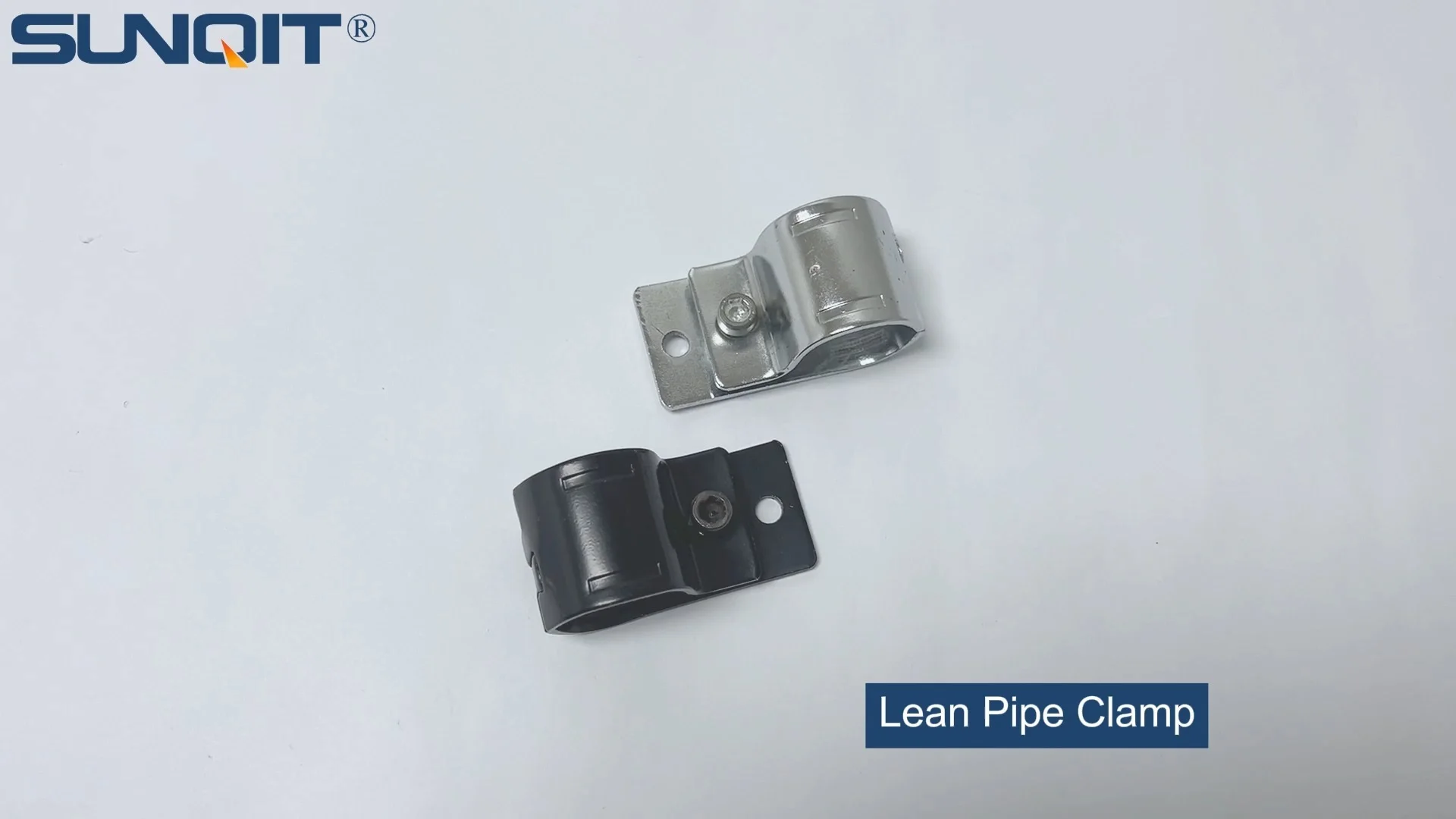
Lean Pipe Clamp
Lean pipe clamp is used for rack system hang monitor or other panel for workbenck, flowrack in production daily use.
Walk into any busy manufacturing facility, and you'll notice a symphony of moving parts: conveyor belts gliding, workers assembling products, and workbenches stacked with tools. But if you look closer, you'll see the unsung heroes holding it all together—small, unassuming components like lean pipe clamps. These little connectors are the backbone of lean systems, linking pipes, building workbenches, and keeping production lines flowing. Yet, for all their importance, they're often overlooked—until they fail. And one of the biggest enemies of these hardworking clamps? Corrosion. That's where the chrome-coated lean pipe clamp B comes in. In this article, we'll dive into why this specific clamp matters, how chrome plating transforms its performance, and why it's become a go-to choice for factories aiming to reduce downtime and boost reliability.
What Exactly Is a Chrome-Coated Lean Pipe Clamp B?
Before we get into the benefits of chrome plating, let's make sure we're all on the same page about what a lean pipe clamp B is. If you've ever seen a modular workbench, a flow rack, or a turnover trolley in a factory, chances are it was built using lean pipes and (matching connectors). Lean pipe clamps—including the "B" variant—are the pieces that fasten these pipes together. They're designed to be adjustable, durable, and easy to assemble, which is why they're a cornerstone of lean manufacturing principles: flexibility, efficiency, and adaptability.
The "B" in "lean pipe clamp B" refers to its specific design—typically a sturdy, versatile clamp that can handle moderate to heavy loads. It's used to connect lean pipes at various angles, whether you're building a straight section of a material rack or a 90-degree corner for a workbench. Unlike fixed brackets, these clamps allow for quick adjustments, so if your production needs change (say, you need a taller workbench or a wider flow rack), you can loosen the clamp, reposition the pipe, and tighten it back up—no welding or special tools required.
Now, the "chrome-coated" part is what sets this clamp apart. Instead of leaving the base metal (usually steel) exposed, manufacturers apply a thin layer of chrome via electroplating. This isn't just for shine—though the sleek, reflective finish is a nice bonus. Chrome plating adds a protective barrier that transforms how the clamp holds up in tough factory environments. But to appreciate why that matters, let's first talk about the problem it solves: corrosion.
The Hidden Cost of Corrosion in Manufacturing
Corrosion might seem like a minor annoyance—some rust here, a little discoloration there—but in a manufacturing setting, it's a silent productivity killer. Let's paint a picture: Imagine a busy electronics assembly line. The workbench at the center is where workers attach components to circuit boards. The bench is built with lean pipes and lean pipe joints, held together by standard steel clamps. Over time, the factory floor gets humid from steam cleaning, or maybe there's a spill of coolant from a nearby machine. The uncoated steel clamps start to rust. At first, it's just a few orange spots. But rust isn't just unsightly—it weakens the metal. The clamp that once held the pipe tight now has a pitted surface, so when a worker leans on the bench or places a heavy tool tray on it, the clamp slips. The bench wobbles. A circuit board gets jostled, and a component is misaligned. Now you've got a defective product, a worker frustrated by an unstable workspace, and maybe even a delay while someone tries to fix the bench.
That's just one scenario. Corroded clamps can lead to loose flow racks, causing materials to slide off and get damaged. They can make conveyor systems rattle or jam, as misaligned pipes throw off the roller track. In worst cases, a severely corroded clamp might even fail completely, leading to a collapsed structure and potential safety hazards. The costs add up fast: replacement parts, labor to fix broken equipment, downtime while lines are idle, and the risk of product defects or workplace injuries. For manufacturers already operating on tight margins, this is a problem they can't afford to ignore.
So why do clamps corrode in the first place? Factories are harsh environments. There's moisture from cleaning, condensation, or even high humidity in regions like coastal areas. Chemicals from coolants, lubricants, or cleaning agents can eat away at metal. Temperature swings—hot during the day, cool at night—cause metal to expand and contract, creating tiny cracks where moisture can seep in. Even something as simple as a worker's sweaty hand touching a clamp repeatedly can introduce salts that (accelerate corrosion). Uncoated steel clamps stand no chance against these elements. Stainless steel pipe series clamps offer better resistance, but they're often pricier. So, what's the middle ground? Enter chrome plating.

Chrome Plating: More Than Just a Shiny Finish
Chrome plating isn't new—you've probably seen it on car parts, faucets, or tools. But when applied to lean pipe clamps, it's less about aesthetics and more about survival. The process involves electroplating a thin layer of chromium onto the surface of the steel clamp. Here's how it works, in simple terms: The clamp is submerged in a bath of chromium solution, and an electric current is passed through it. This causes chromium ions to bond to the steel, forming a hard, continuous layer. The result? A barrier that's both tough and protective.
But why chromium? For starters, it's incredibly resistant to oxidation—that's the chemical reaction that causes rust. Unlike steel, which reacts with oxygen and moisture to form iron oxide (rust), chromium forms a thin, invisible layer of chromium oxide when exposed to air. This layer is self-healing: if it gets scratched, more chromium oxide forms to seal the gap, preventing further corrosion. That's a game-changer for a clamp that's constantly being adjusted, bumped, or exposed to moisture.
Another advantage of chrome plating is its hardness. Chromium is one of the hardest metals, so the plated layer adds durability to the clamp. This means it can withstand the wear and tear of daily use—tightening and loosening, vibrations from nearby machinery, even accidental knocks from tools or pallets—without scratching or chipping easily. A scratch on an uncoated clamp is an open invitation for rust; on a chrome-plated clamp, the damage is often superficial, and the underlying steel stays protected.
Let's put this into perspective. Imagine two identical lean pipe clamps: one uncoated steel, one chrome-plated. Both are installed on a workbench in a factory that uses water-based coolants and cleans floors daily. After six months, the uncoated clamp has visible rust spots, and the threads are starting to seize up, making it hard to adjust. The chrome-plated clamp? It still looks nearly new. The threads turn smoothly, and there's no sign of corrosion. That's the difference chrome plating makes.

The Key Benefits of Chrome-Coated Lean Pipe Clamp B
Now that we understand how chrome plating works, let's break down the specific benefits it brings to the lean pipe clamp B. These aren't just minor improvements—they directly impact a factory's bottom line by reducing costs and improving efficiency.
1. Unmatched Corrosion Resistance
This is the big one. As we've discussed, factories are full of corrosion triggers, but chrome plating acts like a suit of armor for the clamp. Whether it's exposure to water, oils, or mild chemicals, the chrome layer prevents moisture and oxygen from reaching the steel underneath. This is especially critical in industries like food processing (where washdowns are frequent), electronics (where humidity control is key), or automotive (with coolants and lubricants everywhere). Even in coastal factories, where salt air can (speed up rusting), chrome-coated clamps hold their own far better than uncoated alternatives.
2. Longer Lifespan, Fewer Replacements
Corrosion is the number one reason clamps fail prematurely. By stopping rust in its tracks, chrome plating extends the clamp's lifespan significantly. A standard steel clamp might need replacement every 1-2 years in a harsh environment; a chrome-coated one could last 5 years or more. That means fewer trips to the supplier, less time spent swapping out old clamps, and lower material costs over time. For a factory with hundreds of clamps in use, this adds up to substantial savings.
3. Consistent Performance and Safety
A corroded clamp doesn't just look bad—it gets weaker. As rust eats away at the metal, the clamp's grip on the pipe loosens. This can lead to wobbly workbenches, unstable flow racks, or even collapsed structures. Chrome-coated clamps maintain their strength over time, ensuring that the lean systems they support stay stable and safe. Workers don't have to worry about tools sliding off a wobbly bench, and managers can trust that the infrastructure won't fail unexpectedly, reducing the risk of accidents or product damage.
4. Ease of Maintenance
Let's be honest: factory maintenance teams have enough on their plates without adding "polish clamps" to the to-do list. Chrome-coated clamps are low-maintenance by design. Their smooth, non-porous surface resists dirt and grime, so a quick wipe with a damp cloth is usually enough to keep them clean. Unlike stainless steel pipe series clamps, which might require special cleaners to maintain their finish, chrome-plated clamps don't need any extra care. This saves time and keeps maintenance costs down.
5. Cost-Effective Compared to Stainless Steel
Stainless steel clamps are known for corrosion resistance, but they come with a higher price tag. Chrome-coated steel clamps offer similar (and in some cases better) corrosion resistance at a lower cost. For factories looking to balance performance and budget, this makes chrome-coated clamp B an attractive option. You get the durability you need without overspending—perfect for lean systems, which prioritize value and efficiency.

Chrome-Coated vs. the Competition: A Closer Look
To really understand the value of chrome-coated lean pipe clamp B, it helps to compare it to other common clamp materials. Let's break down how it stacks up against uncoated steel, stainless steel, and plastic clamps in key areas like corrosion resistance, durability, and cost.
| Clamp Type | Corrosion Resistance | Durability (Wear & Tear) | Cost | Ideal Environment |
|---|---|---|---|---|
| Uncoated Steel Clamp | Low – Rusts quickly in moist/chemical environments | Medium – Prone to scratching; threads seize with corrosion | Lowest | Dry, indoor settings with minimal exposure to elements |
| Chrome-Coated Lean Pipe Clamp B | High – Resists moisture, oils, and mild chemicals | High – Hard chrome layer resists scratches and wear | Moderate – More than uncoated, less than stainless steel | Most factory environments: wet, chemical-exposed, or high-humidity |
| Stainless Steel Clamp (Stainless Steel Pipe Series) | Very High – Excellent resistance to corrosion and chemicals | High – Naturally durable, but can be brittle if bent | Highest | Extreme environments: saltwater, heavy chemicals, or sterile settings (e.g., pharmaceuticals) |
| Plastic Clamp | High – No rust, but can degrade in UV light or high heat | Low – Prone to cracking under heavy loads or impact | Low to Moderate | Light-duty applications: small workbenches, non-industrial settings |
As the table shows, chrome-coated lean pipe clamp B hits the sweet spot for most manufacturing needs. It offers nearly as much corrosion resistance as stainless steel but at a lower cost, and it's far more durable than plastic or uncoated steel. Unless you're working in an extremely harsh environment (like a saltwater processing plant), chrome-coated clamps will outperform uncoated options and provide better value than stainless steel.
Real-World Applications: Where Chrome-Coated Clamp B Shines
Theory is great, but let's look at how chrome-coated lean pipe clamp B performs in actual factories. Here are a few examples of where it makes a tangible difference:
1. Assembly Line Workbenches
Workbenches are the heart of any assembly line, and they take a beating. Workers stand at them for hours, tools are dropped, parts are spilled, and cleaning crews wipe them down daily. A wobbly or unstable workbench isn't just annoying—it's a safety risk and a productivity killer. Chrome-coated clamp B ensures that the workbench stays sturdy. Even with constant exposure to cleaning solutions and spills, the clamps don't corrode, so the bench remains level and secure. This stability reduces errors (no more parts rolling off a tilted surface) and keeps workers focused on their tasks, not on adjusting the bench.
2. Flow Racks and Material Handling
Flow racks are used to store and transport materials, with roller tracks that let products glide from one station to the next. The clamps holding these racks together must withstand the weight of heavy materials and the vibrations from constant movement. In a warehouse with high humidity, uncoated clamps would rust, causing the rack to loosen and the roller track to misalign—leading to jams and delays. Chrome-coated clamps keep the rack rigid, ensuring smooth material flow and reducing the need for maintenance checks.
3. Turnover Trolleys and Mobile Carts
Mobile trolleys (often with caster wheels) are essential for moving materials around a factory. They're pushed, pulled, and parked in various areas, from loading docks (exposed to rain) to production floors (exposed to oils). Chrome-coated clamps on these trolleys resist the moisture and grime they encounter daily, ensuring the frame doesn't weaken or loosen. This means fewer breakdowns, less time spent repairing trolleys, and a more reliable way to keep materials moving.
How to Get the Most Out of Your Chrome-Coated Clamps
Chrome-coated lean pipe clamp B is durable, but it's not indestructible. With a little care, you can extend its lifespan even further and ensure it keeps performing at its best. Here are some simple tips:
- Clean them regularly: Wipe clamps with a damp cloth to remove dirt, oil, or chemicals. Avoid abrasive cleaners or steel wool, which can scratch the chrome.
- Lubricate threads occasionally: A drop of light machine oil on the threads will keep them turning smoothly, even after months of use.
- Inspect for damage: Check clamps during routine maintenance for chips in the chrome plating. A small chip isn't a crisis, but if the steel underneath is exposed, apply a touch-up of chrome paint to prevent rust.
- Don't overtighten: Over-tightening can crack the chrome layer or strip the threads. Tighten just enough to hold the pipe securely—most clamps are designed to grip firmly without excessive force.
Why Choose a Reputable Supplier for Chrome-Coated Clamps?
Not all chrome-coated clamps are created equal. The quality of the plating—thickness, adhesion, and uniformity—varies widely between suppliers. A cheap clamp might have a thin or uneven chrome layer that chips off after a few months, leaving you with the same corrosion problems you were trying to avoid. That's why it's worth investing in clamps from a trusted lean pipe supplier.
Reputable suppliers use strict quality control processes for their chrome plating. They ensure the steel base is properly cleaned and prepared before plating (any dirt or oil would prevent the chrome from adhering), and they apply a consistent layer of chromium (usually 5-10 microns thick, depending on the application). They also test their clamps for corrosion resistance, often using salt spray tests to simulate harsh environments and ensure the plating holds up.
Working with a reliable supplier also means access to technical support. If you're unsure whether chrome-coated clamp B is right for your specific environment (say, a factory with heavy chemical use), they can help you compare options and make an informed choice. Plus, they're more likely to stand behind their products with warranties, giving you peace of mind that your investment is protected.
Final Thoughts: Small Part, Big Impact
In the grand scheme of manufacturing, a lean pipe clamp might seem insignificant. But as we've explored, it's these small components that keep the entire operation running smoothly. Chrome-coated lean pipe clamp B isn't just a connector—it's a solution to one of the biggest headaches in factory maintenance: corrosion. By adding a layer of durable, rust-resistant chrome, it transforms a basic clamp into a long-lasting, reliable workhorse that saves time, reduces costs, and improves safety.
Whether you're building a new lean system or upgrading an existing one, don't overlook the importance of choosing the right clamp. Uncoated steel might save you a few dollars upfront, but the cost of downtime, replacements, and repairs will quickly erase those savings. Stainless steel is excellent but often overkill for most applications. Chrome-coated lean pipe clamp B strikes the perfect balance: corrosion resistance, durability, and affordability. It's a small change that makes a big difference in keeping your production lines flowing, your workers safe, and your business thriving.