- Company Articles
- Products and Technology
- Product knowledge
- Chrome Coating Advantages for Parallel Rotatory Lean Pipe Joints: Durability

Chrome Coating Advantages for Parallel Rotatory Lean Pipe Joints: Durability
Related Product
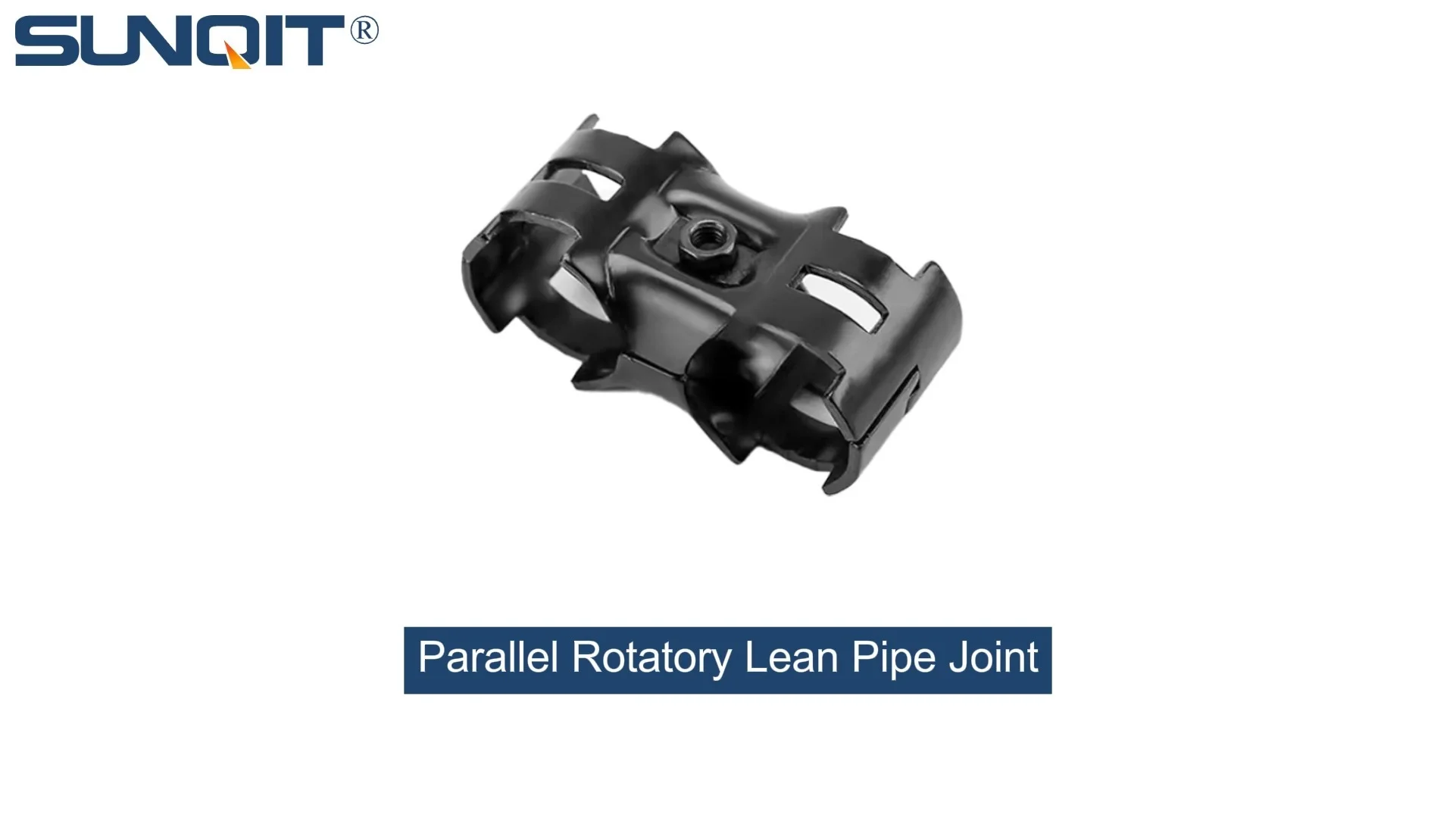
Parallel Rotatory Lean Pipe Joint
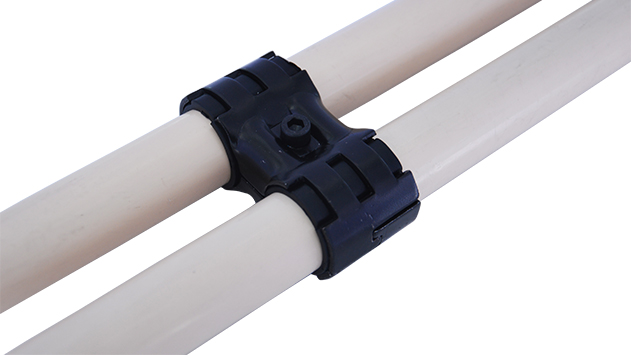
Parallel rotatory lean pipe joint, for 2 pcs pipe conenction in parallel direction with rotatory function.
The Backbone of Lean Systems
In the fast-paced world of manufacturing and production, efficiency isn't just a buzzword—it's the lifeblood of success. Enter the lean system: a philosophy built on minimizing waste, streamlining processes, and maximizing value. But while lean principles often focus on workflows and digital tools, the physical infrastructure that supports these operations is equally critical. From the workbenches where assembly line workers spend their days to the flow racks that keep materials moving, every component plays a role in keeping the system running smoothly. And at the heart of this infrastructure? Lean pipe joints—small but mighty connectors that hold everything together. Today, we're zeroing in on one specific type: the parallel rotatory lean pipe joint chrome. These unassuming pieces are more than just hardware; they're the unsung heroes of durability in lean systems, and their chrome coating is what makes them stand out.
Lean systems thrive on adaptability. Factories reconfigure workstations, adjust flow racks, and repurpose assembly lines to meet changing demands. This flexibility relies heavily on components that can keep up—components that don't crack under pressure, rust in humid environments, or wear out after months of use. Parallel rotatory lean pipe joints are designed to provide that flexibility, allowing pipes to rotate and pivot, making it easy to adjust layouts on the fly. But without the right protection, even the most well-designed joint can fail. That's where chrome coating comes in. It's not just a cosmetic upgrade; it's a shield that extends the life of these joints, reduces maintenance headaches, and ensures lean systems deliver on their promise of long-term efficiency.
Understanding Parallel Rotatory Lean Pipe Joints
Before we dive into the benefits of chrome coating, let's take a closer look at what parallel rotatory lean pipe joints actually are. At their core, these joints are connectors used to link lean pipes—hollow tubes typically made of steel, aluminum, or stainless steel—in a lean system. What sets "parallel rotatory" joints apart is their ability to rotate along a parallel axis. Imagine two pipes running side by side; a parallel rotatory joint allows them to spin or pivot relative to each other, making it possible to adjust the angle of a workbench shelf, tilt a flow rack for better material flow, or reposition a section of a conveyor without disassembling the entire structure.
In practical terms, these joints are workhorses. On a busy assembly line, a workbench might need its side rails adjusted to accommodate a new product size. A flow rack might require a slight incline to speed up the movement of bins. In each case, the parallel rotatory joint makes these adjustments possible with minimal effort. But here's the catch: every time that joint rotates, every pound of weight it supports, every drop of oil or splash of cleaning solution it encounters, takes a toll. Over time, unprotected joints can start to stick, rust, or wear down, turning a quick adjustment into a frustrating battle—or worse, a breakdown that halts production.
This is why durability isn't just a nice-to-have; it's essential. A parallel rotatory lean pipe joint that fails prematurely doesn't just cost money to replace—it disrupts workflows, wastes labor, and undermines the very efficiency lean systems aim to achieve. So when manufacturers choose to coat these joints with chrome, they're making an investment in reliability. They're saying, "We need this joint to work as hard as our team does, day in and day out."
The Basics of Chrome Coating
Chrome coating, or chromium plating, is a process where a thin layer of chromium is electroplated onto a metal surface. It's not a new technology—chrome has been used to protect and enhance metal parts for over a century—but its application in lean pipe joints is a game-changer. The process itself involves submerging the joint in a chromic acid solution and passing an electric current through it, which causes chromium ions to bond to the surface of the metal. The result? A hard, smooth, and incredibly durable layer that adheres tightly to the underlying material.
What makes chrome so special? For starters, it's one of the hardest metals on the planet, with a hardness rating of around 850-1000 HV (Vickers hardness), compared to steel's 150-200 HV. This hardness means it can withstand scratches, dents, and abrasion that would damage other coatings. Additionally, chrome is naturally resistant to oxidation, which is why it doesn't rust. When you combine that with its smooth, non-porous surface, you get a coating that repels water, oils, and chemicals—all common threats in industrial environments.
But not all chrome coatings are created equal. The thickness of the layer matters; for parallel rotatory lean pipe joints, a coating of 0.0005 to 0.001 inches is typically ideal—thick enough to provide protection without interfering with the joint's movement. The electroplating process also ensures uniformity, so even the nooks and crannies of the joint's design (like the grooves where pipes fit) get full coverage. This attention to detail is crucial because any uncoated spot could become a weak point, prone to corrosion or wear.

Advantage 1: Unmatched Corrosion Resistance
Walk through any manufacturing facility, and you'll notice a common enemy: moisture. Whether it's from high humidity in the air, spills from cleaning solutions, or condensation on cold pipes, water is everywhere—and it's a silent killer of metal components. Uncoated steel joints start to rust within weeks of exposure, and even zinc-plated joints can corrode over time, especially if the plating gets scratched. Chrome coating, however, acts as an impenetrable barrier. Its non-porous surface doesn't absorb water, and since chromium doesn't react with oxygen to form rust, the underlying metal stays protected, even in damp environments.
Consider a food processing plant, where daily washdowns with hot, soapy water are standard practice. In this setting, uncoated lean pipe joints would quickly deteriorate, with rust flakes potentially contaminating products—a risk no manufacturer can afford. Chrome-coated parallel rotatory joints, on the other hand, stand up to these harsh conditions. The smooth surface allows water and cleaning agents to run off easily, and there's no risk of rust forming. Similarly, in automotive factories, where oil and lubricants are part of the daily grind, chrome resists chemical damage, ensuring the joint remains functional for years, not months.
Even in less extreme environments, like a dry electronics assembly line, corrosion resistance matters. Dust and airborne particles can hold moisture, creating micro-environments where rust can start. Chrome's barrier effect prevents this, keeping joints looking and working like new. For plant managers, this translates to fewer replacements, less downtime, and a more reliable lean system overall.

Advantage 2: Superior Wear Resistance
If corrosion is the silent killer, then wear and tear is the visible enemy. Parallel rotatory lean pipe joints are designed to move—rotating, pivoting, and supporting weight day in and day out. Every time a worker adjusts a workbench height, every time a bin slides down a flow rack, the joint absorbs friction and pressure. Over time, this friction can wear down the surface of the joint, making rotation stiff or uneven. But chrome's extreme hardness changes the game. With a hardness that's five to six times that of steel, chrome-coated joints can withstand years of constant movement without showing signs of wear.
Let's put this into perspective: a typical parallel rotatory joint in a busy automotive assembly line might rotate hundreds of times per day as workers adjust tool holders or reposition parts. Over a year, that's hundreds of thousands of rotations. An uncoated joint would start to develop rough spots, causing it to stick or "catch" during movement. This not only slows down workers but can also lead to overexertion injuries as they strain to adjust the joint. Chrome-coated joints, with their smooth, hard surface, maintain their low-friction properties even after heavy use. The rotation remains fluid, making adjustments quick and effortless.
Wear resistance also matters when it comes to load-bearing. A joint that connects two pipes supporting a heavy shelf or a bin full of materials needs to maintain its structural integrity. Chrome's hardness prevents the joint from deforming under pressure, ensuring it doesn't bend or crack over time. This is especially important in lean systems, where maximizing space often means stacking materials vertically—putting extra stress on the joints below. With chrome coating, manufacturers can trust that their joints will support the load, day in and day out, without failure.
Advantage 3: Minimal Maintenance, Maximum Uptime
In the world of manufacturing, time is money—and maintenance is often seen as a necessary evil. Every hour spent cleaning, repairing, or replacing parts is an hour not spent producing goods. Chrome-coated parallel rotatory lean pipe joints flip this script by minimizing maintenance needs. Their smooth, non-porous surface is incredibly easy to clean; a quick wipe with a damp cloth is usually enough to remove dirt, oil, or grime. Unlike painted or powder-coated joints, there's no risk of chipping or peeling, so you don't have to worry about touch-up paint or re-coating down the line.
Take a typical scenario: a maintenance worker tasked with inspecting and cleaning lean system components. For uncoated or poorly coated joints, this might involve scrubbing away rust, applying lubricant to stuck parts, or even replacing joints that have worn out. With chrome-coated joints, the process is streamlined. The worker can quickly check for any signs of damage (though there will be few), wipe off any dust, and move on to other tasks. This not only saves time but also reduces the need for specialized cleaning products or tools, cutting down on supply costs.
The long-term savings add up, too. Let's say a factory uses 100 parallel rotatory lean pipe joints in its workbenches and flow racks. If uncoated joints need to be replaced every 6 months at a cost of $10 each, that's $2,000 per year in replacement costs alone—not counting labor. Chrome-coated joints, on the other hand, might last 5 years or more, bringing the annual replacement cost down to $200. Multiply that by hundreds of joints across a facility, and the savings are substantial. More importantly, less downtime means more production, which directly impacts the bottom line.
Advantage 4: Aesthetic and Hygienic Benefits
While durability and low maintenance are the primary reasons to choose chrome coating, there's an added bonus: aesthetics. Chrome has a bright, reflective finish that gives lean systems a clean, professional look. In environments where clients or auditors visit—like automotive plants or electronics factories—this polished appearance sends a message: "We care about quality, down to the smallest detail." A well-maintained, shiny lean system can also boost employee morale; working in a clean, organized space feels better than one filled with rusted, worn-out equipment.
Hygiene is another underrated benefit. In industries like pharmaceuticals, medical device manufacturing, or food processing, cleanliness is non-negotiable. Chrome's smooth, non-porous surface doesn't harbor bacteria or mold, making it easy to sanitize. Unlike porous coatings or uncoated metal, there are no cracks or crevices for germs to hide in. This is a critical advantage in environments where even a small contamination risk can lead to product recalls or regulatory fines.
For example, a medical device assembly line using chrome-coated workbench joints can easily wipe down surfaces with disinfectants without worrying about damaging the coating or leaving behind residue. In a bakery, where flour dust and moisture are constant, chrome joints resist mold growth and are simple to clean at the end of each shift. These benefits might seem secondary to durability, but in practice, they contribute to a safer, more efficient, and more compliant workplace.
Chrome Coating vs. Alternatives: A Comparative Analysis
To truly appreciate the advantages of chrome coating, it helps to see how it stacks up against other common coatings used for lean pipe joints. Below is a comparison table highlighting key durability factors:
| Coating Type | Corrosion Resistance | Wear Resistance | Maintenance Needs | Expected Lifespan (Industrial Use) | Cost (Per Joint) |
|---|---|---|---|---|---|
| Chrome Coating | High (resists water, oils, chemicals) | High (hard, scratch-resistant surface) | Low (wipe clean, no re-coating needed) | 5-7 years | Higher upfront ($15-20) |
| Zinc Plating | Medium (prone to white rust in humid environments) | Medium (softer than chrome, wears faster) | Medium (may need re-plating after 1-2 years) | 2-3 years | Medium ($8-12) |
| Powder Coating | Medium (resists moisture but chips easily) | Low (thick but soft, prone to scratches) | High (touch-up paint needed for chips) | 1-2 years | Low ($5-8) |
| Uncoated Steel | Low (rusts quickly in damp environments) | Low (prone to wear and deformation) | Very High (constant cleaning, frequent replacement) | 6-12 months | Lowest ($3-5) |
As the table shows, chrome coating comes with a higher upfront cost, but its longevity and low maintenance needs make it the most cost-effective option over time. Zinc plating and powder coating may save money initially, but their shorter lifespans and higher maintenance requirements lead to higher total costs. Uncoated steel is the cheapest upfront, but its rapid deterioration makes it a poor choice for lean systems aiming for long-term efficiency.
Applications Across Industries
The benefits of chrome-coated parallel rotatory lean pipe joints aren't limited to a single industry—they shine in any setting where durability, flexibility, and low maintenance are priorities. Let's explore a few key sectors where these joints make a real difference:
Automotive Manufacturing
Automotive plants are high-stress environments for equipment. Constant movement, heavy loads, and exposure to oils, coolants, and cleaning agents test the limits of even the toughest components. Chrome-coated joints excel here, withstanding the daily grind of assembly line adjustments and resisting corrosion from automotive fluids. Whether used in workbenches for engine assembly or flow racks for transporting parts, they keep the line moving without unexpected failures.
Electronics Production
Electronics manufacturing demands precision and cleanliness. Dust, static, and moisture can ruin sensitive components, so lean systems need to be easy to clean and resistant to corrosion. Chrome-coated joints on ESD workbenches (electrostatic discharge workbenches) provide a smooth, non-porous surface that's simple to wipe down, and their corrosion resistance ensures they won't degrade in controlled environments where humidity is carefully regulated.
Food and Beverage Processing
In food plants, hygiene is paramount. Chrome's resistance to mold, bacteria, and cleaning chemicals makes it ideal for joints used in conveyor systems, packaging workbenches, and storage racks. Daily washdowns with high-pressure hoses and sanitizers won't damage the coating, ensuring compliance with strict food safety regulations.
Aerospace Assembly
Aerospace manufacturing involves working with lightweight but high-strength materials, and lean systems need to be both flexible and reliable. Chrome-coated joints support the frequent reconfiguration of workstations (as new aircraft models are developed) and withstand the wear of moving heavy, precision parts. Their long lifespan also aligns with the industry's focus on long-term, high-investment projects.
Maintenance Tips for Chrome-Coated Joints
While chrome-coated parallel rotatory lean pipe joints are low-maintenance, a little care can go a long way in maximizing their lifespan. Here are some simple tips to keep them performing at their best:
- Regular Cleaning: Wipe joints with a soft, damp cloth weekly to remove dust and debris. For heavier grime, use a mild detergent (avoid abrasive cleaners, which can scratch the chrome).
- Lubrication: Apply a small amount of silicone-based lubricant to the rotating parts every 3-6 months to ensure smooth movement. Avoid oil-based lubricants, which can attract dust.
- Inspect for Damage: Check joints monthly for chips or cracks in the chrome coating. If damage is found, address it promptly (a small touch-up with chrome paint can prevent corrosion from spreading).
- Avoid Overloading: Follow weight limits specified by the manufacturer. While chrome joints are strong, excessive weight can still cause deformation over time.
- Protect During Transport: If moving or storing joints, wrap them in a soft cloth to prevent scratches from other metal parts.
These simple steps take minimal time but can extend the life of your chrome-coated joints by years, ensuring they continue to support your lean system's efficiency.
Conclusion: Investing in Durability for Lean Success
At the end of the day, lean systems are about more than just processes—they're about people, productivity, and profitability. Every component, no matter how small, contributes to the system's ability to deliver value. Parallel rotatory lean pipe joint chrome may not be the most glamorous part of a lean setup, but its impact is undeniable. By choosing chrome coating, manufacturers are investing in durability that translates to less downtime, lower maintenance costs, and a more reliable workflow.
Chrome coating offers unmatched corrosion resistance, superior wear resistance, minimal maintenance needs, and added benefits like improved hygiene and aesthetics. When compared to alternatives like zinc plating or powder coating, it delivers better long-term value, even with a higher upfront cost. In industries ranging from automotive to food processing, these joints prove their worth day in and day out, supporting the flexibility and efficiency that lean systems demand.
So the next time you walk through a manufacturing facility, take a moment to look at the workbenches, flow racks, and conveyors. Chances are, there's a parallel rotatory lean pipe joint chrome holding it all together—quietly, reliably, and durably. And in the world of lean, that's more than just a component; it's a cornerstone of success.