- Company Articles
- Products and Technology
- Product knowledge
- Chrome Coating Advantages for Two Way Lean Pipe Joints in Humid Environments

Chrome Coating Advantages for Two Way Lean Pipe Joints in Humid Environments
Related Product
Two Way Lean Pipe Joint
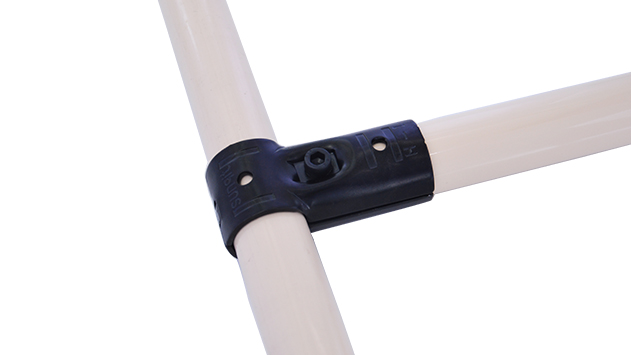
Two way lean pipe joint for 2 pcs 28MM lean pipe connection in straight angle, which used widely in workbench, flow rack, hand trolley frame connection.
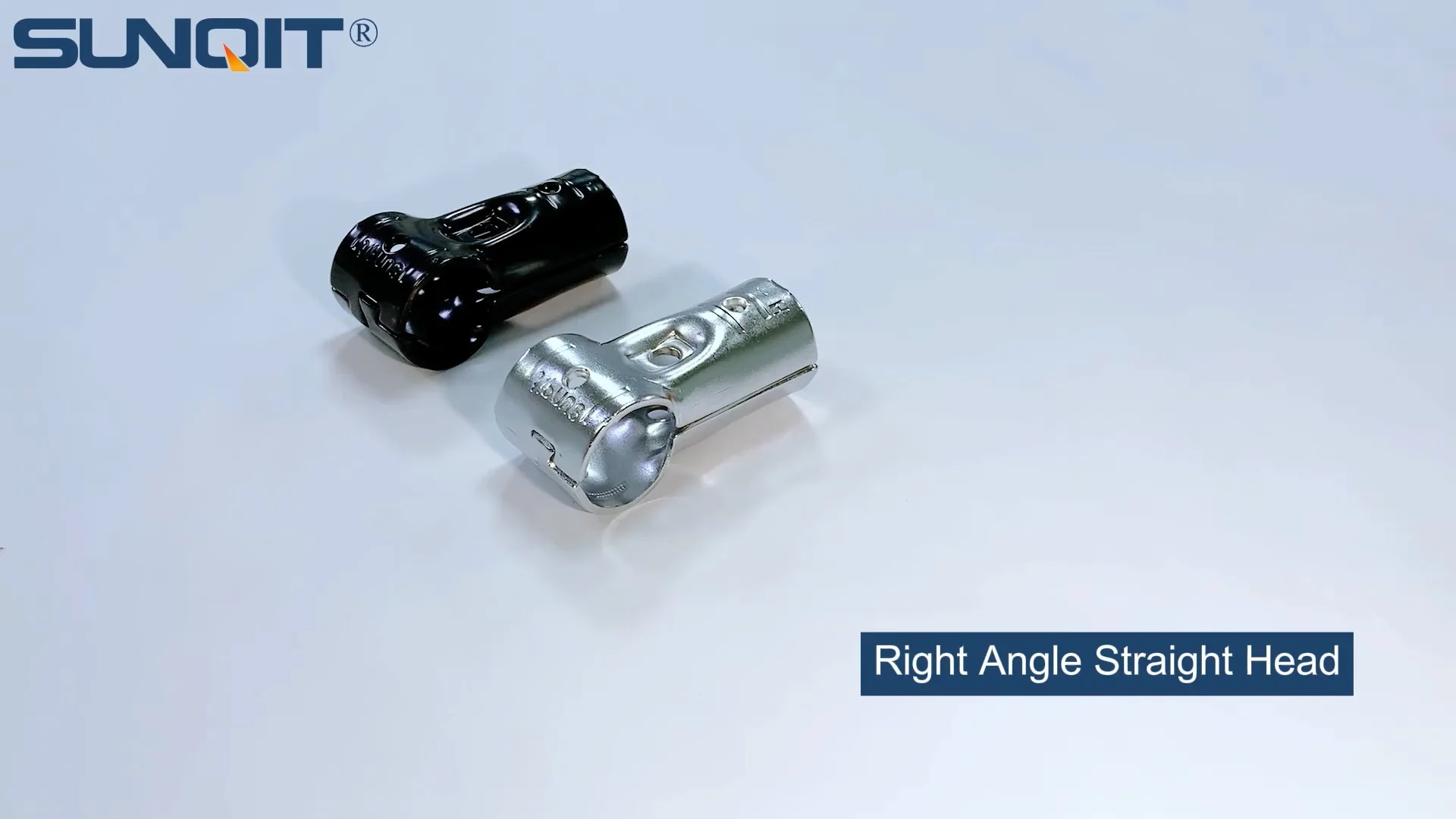
Walk into any manufacturing facility, and you'll likely spot a network of metal pipes and joints holding up workbenches, guiding materials along flow racks, or supporting conveyor systems. These unassuming structures are the backbone of lean manufacturing—quietly keeping operations running, day in and day out. But in environments where humidity lingers like an unwelcome guest, these same structures face a hidden enemy: moisture. Over time, damp air can turn sturdy metal joints into rusted, unreliable components, throwing a wrench into productivity and safety. That's where chrome coating steps in, especially for critical parts like two way lean pipe joints. In this article, we'll dive into why chrome coated two way lean pipe joints are a game-changer for humid workplaces, exploring their benefits, real-world impact, and how they stack up against other materials.
Understanding Two Way Lean Pipe Joints: The Backbone of Lean Systems
Before we get into coatings, let's talk about the stars of the show: two way lean pipe joints. If lean manufacturing systems were a human body, these joints would be the ligaments—connecting the "bones" (lean pipes) and allowing for flexibility and structure. Two way lean pipe joints, as the name suggests, connect two pipes at a fixed angle (often 90 degrees), forming the corners of workbenches, the supports of material racks, or the frames of turnover trolleys. They're designed to be modular, meaning you can easily reconfigure them as production needs change—no welding or heavy tools required.
But here's the thing: these joints take a lot of abuse. They support heavy loads, endure constant vibrations from nearby machinery, and are frequently adjusted or moved during reconfigurations. In humid environments, this abuse gets worse. Moisture in the air seeps into tiny crevices, reacts with metal, and starts the slow, destructive process of rusting. And when a joint rusts, it doesn't just look bad—it weakens. A wobbly joint can throw off an entire workbench, leading to misaligned assembly lines, damaged materials, or even safety hazards for workers. That's why choosing the right joint material and coating isn't just a matter of aesthetics; it's about keeping your entire operation efficient and safe.
Why Material Matters: The Vulnerability of Uncoated Joints in Humidity
Most lean pipe joints start as plain steel—strong, affordable, and easy to manufacture. But plain steel has a big flaw: it loves to rust, especially when moisture is around. Imagine a food processing plant where steam from cooking lines mixes with warm air, creating a thick, damp atmosphere. Or a coastal factory where saltwater mist drifts in through open doors. In these settings, an uncoated steel joint might start showing rust within weeks. At first, it's just a few orange spots, but soon those spots spread, eating away at the metal. The joint tightens up, making it hard to adjust. Then, over time, the rust weakens the metal, and suddenly, that joint that was supporting a 50kg material bin can't hold as much. That's when production stops, and you're stuck replacing joints instead of making products.
Some facilities try to solve this with quick fixes: painting the joints, wrapping them in tape, or even using spray-on rust inhibitors. But paint chips off with regular use, tape traps moisture (making the problem worse), and inhibitors need constant reapplication. These band-aids might work for a month or two, but they're not long-term solutions. What you need is a coating that bonds to the metal, creating a barrier that moisture can't penetrate—something that can stand up to both humidity and the daily wear of a busy factory floor. That's where chrome coating comes in.
Chrome Coating: A Shield Against Moisture and Wear
What is Chrome Coating?
Chrome coating (also called chromium plating) is a process where a thin layer of chromium is electroplated onto the surface of a metal part, like a two way lean pipe joint. It's not just about making the joint shiny (though that's a nice side effect). Chrome is one of the hardest metals on Earth, and when applied as a coating, it forms a dense, non-porous layer that acts like armor for the underlying steel. Think of it as a raincoat for your joints—lightweight, but tough enough to keep moisture out, even in the wettest conditions.
The Science Behind Chrome's Protective Power
How does chrome coating work its magic? It all comes down to chemistry. During the electroplating process, the steel joint is submerged in a bath of chromium ions, and an electric current is applied. This causes the chromium ions to bond to the steel's surface, forming a layer just a few micrometers thick (about the thickness of a human hair). But don't let the thinness fool you—this layer is incredibly dense. Chromium is resistant to oxidation, which means it doesn't react with water or oxygen the way steel does. So even if the air is thick with moisture, the chrome layer blocks it from reaching the steel underneath. And because chrome is so hard (about 85-90 on the Rockwell hardness scale, compared to steel's 60-70), it also resists scratches and dents, which are common when workers adjust or move joints.

Key Advantages of Chrome Coated Two Way Lean Pipe Joints in Humid Environments
Now that we know how chrome coating works, let's break down why it's such a powerful solution for humid manufacturing environments. From corrosion resistance to cost savings, the benefits add up quickly.
1. Unbeatable Corrosion Resistance: No More Rust, No More Replacements
This is the big one. In humid settings, corrosion is the number one enemy of metal joints, and chrome coating is its worst nightmare. Unlike stainless steel (which relies on a passive oxide layer that can be damaged), chrome creates a permanent, non-reactive barrier. Even if the chrome layer gets a small scratch, the underlying steel is still protected because the chrome around the scratch doesn't corrode. This means your two way lean pipe joint chrome can stay rust-free for years, even in environments where uncoated steel would fail in months. For example, a automotive parts plant in a tropical climate reported that switching to chrome coated joints reduced joint replacements by 70% over three years—saving them thousands in maintenance costs.
2. Enhanced Durability: Stands Up to Daily Abuse
Manufacturing floors are tough places. Joints get banged by tools, stepped on by workers, and jostled during reconfigurations. Chrome's hardness (remember, it's harder than steel) means it can take this abuse without scratching or denting. A scratch on an uncoated joint is an open invitation for rust, but a scratch on a chrome coated joint is just a minor cosmetic blemish. The joint still works like new. This durability is especially important for high-traffic areas, like roller tracks where materials slide over joints all day, or workbenches where tools are constantly set down and moved.
3. Reduced Maintenance: Spend Less Time Fixing, More Time Producing
When joints rust or seize up, you've got two choices: spend hours trying to loosen them with lubricants and tools, or replace them entirely. Both options cost time and money. Chrome coated joints eliminate this hassle. They stay smooth and easy to adjust, even after months of use in humidity. You won't need to stock extra joints "just in case," and your maintenance team can focus on more important tasks than fighting rust. One electronics manufacturer we spoke with said that after switching to chrome coated two way lean pipe joints, their maintenance time for lean systems dropped by 40%—that's hours saved every week.
4. Improved Hygiene: Easy to Clean, Safe for Sensitive Industries
In industries like food processing, pharmaceuticals, or medical device manufacturing, cleanliness isn't just a nicety—it's a legal requirement. Rusty joints trap bacteria and dirt, making them impossible to sanitize properly. Chrome, on the other hand, has a smooth, non-porous surface that wipes clean with a damp cloth or disinfectant spray. No crevices for germs to hide, no rust flakes to contaminate products. This makes chrome coated joints a must for any facility where hygiene standards are strict.
5. Compatibility with Lean Pipe and Accessories: A System That Works Together
Lean systems are all about compatibility. Your two way lean pipe joint needs to work with lean pipes, roller tracks, casters, and all the other lean pipe and accessories that make your setup flexible. Chrome coating doesn't interfere with this. The coating is thin enough that the joint still fits perfectly with standard lean pipe sizes, and the smooth surface doesn't damage pipes or accessories during assembly. This means you can upgrade to chrome coated joints without changing your entire system—just swap out the old joints and keep moving.

How Chrome Coating Compares to Other Options: A Quick Comparison
Chrome coating isn't the only option for protecting lean pipe joints. Let's see how it stacks up against two common alternatives: stainless steel and plastic-coated joints.
| Feature | Chrome Coated Two Way Joints | Stainless Steel Joints | Plastic-Coated Joints |
|---|---|---|---|
| Corrosion Resistance in Humidity | Excellent (permanent barrier) | Good (oxide layer can be damaged) | Good (but plastic can crack) |
| Durability (Scratch/Dent Resistance) | High (chrome is very hard) | High (stainless steel is strong) | Low (plastic scratches easily) |
| Cost | Mid-range (affordable for long-term use) | High (expensive upfront) | Low (but needs frequent replacement) |
| Maintenance Needs | Low (no reapplication needed) | Low (but harder to adjust if seized) | High (plastic cracks, needs replacement) |
| Compatibility with Lean Accessories | Excellent (fits standard pipes) | Excellent (same as chrome) | Fair (plastic thickness may affect fit) |
As you can see, chrome coated joints hit the sweet spot: better corrosion resistance than stainless steel (in humid conditions), more durable than plastic, and affordable enough to keep costs down. Stainless steel is a strong competitor, but it's often twice the price of chrome coated steel, making it hard to justify for large-scale use. Plastic-coated joints are cheap upfront, but they don't last—you'll end up replacing them so often that the cost adds up.
Real-World Impact: How Factories Are Winning with Chrome Coated Joints
Let's take a look at two real examples of how chrome coated two way lean pipe joints have made a difference in humid environments.
Case Study 1: A Coastal Electronics Assembly Plant
A major electronics manufacturer in Vietnam operates a factory just 5 km from the coast. The saltwater air was wreaking havoc on their lean pipe systems—uncoated joints were rusting within 2-3 months, leading to frequent breakdowns. The maintenance team was spending 10+ hours per week replacing joints and lubricating seized connections. After switching to chrome coated two way lean pipe joints, they saw immediate results. Six months later, not a single joint had rusted, and maintenance time dropped to less than 2 hours per week. The plant manager estimated the switch saved them over $15,000 in the first year alone, not counting the value of reduced downtime.
Case Study 2: A Bakery with High Steam Levels
A commercial bakery in Brazil uses lean pipe systems to transport dough trays and finished goods. The ovens and proofing rooms create a hot, steamy environment—perfect for rust. The bakery had tried plastic-coated joints, but the plastic cracked under the heat, and dough crumbs got stuck in the cracks, attracting pests. Switching to chrome coated joints solved both problems. The chrome stood up to the heat, didn't crack, and was easy to wipe clean (no more crumb traps). Now, the bakery's lean system runs smoothly, and they've cut down on pest control costs too.
Choosing the Right Lean Pipe Supplier: Why Quality Chrome Coating Matters
Not all chrome coated joints are created equal. The quality of the coating depends on the supplier's plating process—how thick the chrome layer is, how well it's bonded to the steel, and whether there are any gaps or bubbles in the coating. A cheap, poorly plated joint might look shiny at first, but the chrome will peel off in months, leaving you back where you started.
So, how do you find a reliable lean pipe supplier for chrome coated joints? Look for suppliers who:
- Use electroplating (not spray-on chrome paint—yes, that's a thing!)
- Can provide test reports showing corrosion resistance (e.g., salt spray test results)
- Offer warranties on their chrome coated joints (a good sign they stand behind their product)
- Have experience working with humid environments (ask for references from similar industries)
A good supplier won't just sell you joints—they'll help you choose the right coating for your specific environment. Maybe you need extra-thick chrome for a particularly humid plant, or a special pre-treatment to ensure the chrome bonds better. The right supplier will guide you through these choices, making sure you get the most value for your money.
Conclusion: Chrome Coating—An Investment in Long-Term Efficiency
In the fast-paced world of manufacturing, it's easy to overlook the small components that keep your operation running. But two way lean pipe joints are the unsung heroes of lean systems, and in humid environments, their performance can make or break your productivity. Chrome coating transforms these humble joints from vulnerability to strength, offering unbeatable corrosion resistance, durability, and low maintenance. It's not just a coating—it's an investment in your facility's efficiency, safety, and bottom line.
Whether you're running a coastal factory, a food processing plant, or any environment where moisture is a constant challenge, chrome coated two way lean pipe joints are the smart choice. They'll outlast uncoated or poorly coated alternatives, save you time and money on maintenance, and keep your lean system flexible and reliable for years to come. And when you partner with a trusted lean pipe supplier who prioritizes quality plating, you can rest easy knowing your joints are built to handle whatever your factory floor throws at them—humidity included.
So, the next time you walk through your facility, take a look at those lean pipe joints. Are they rusting? Hard to adjust? If the answer is yes, maybe it's time to give them the chrome coating upgrade they deserve. Your maintenance team (and your production numbers) will thank you.