- Company Articles
- Products and Technology
- Installation And Maintenance
- Chrome Coating Maintenance for Two Way Lean Pipe Joints in Chemical Environments

Chrome Coating Maintenance for Two Way Lean Pipe Joints in Chemical Environments
Related Product
Two Way Lean Pipe Joint
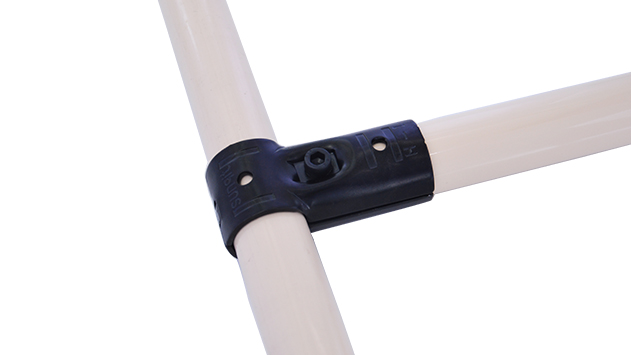
Two way lean pipe joint for 2 pcs 28MM lean pipe connection in straight angle, which used widely in workbench, flow rack, hand trolley frame connection.
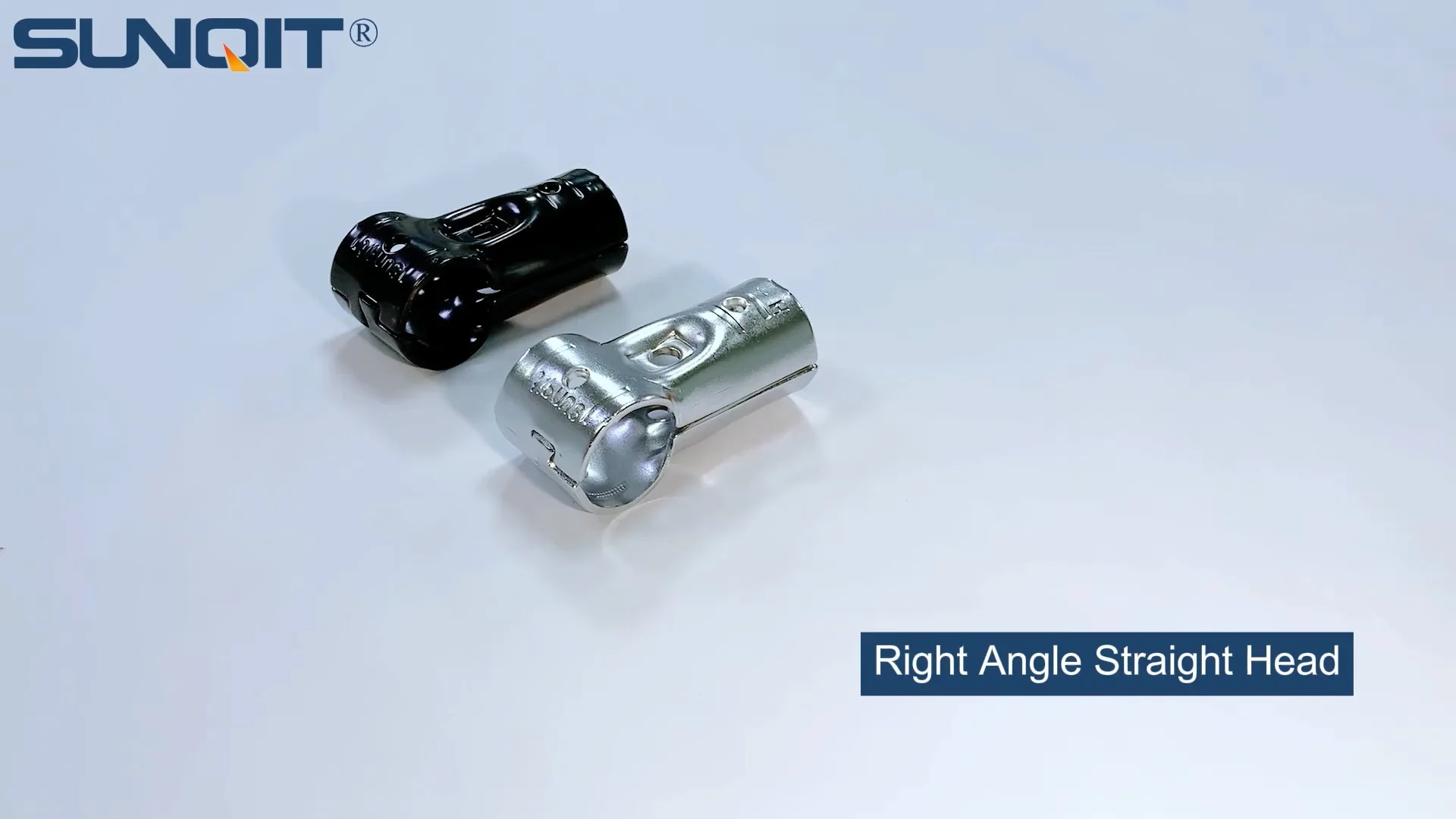
Walk into any chemical processing plant, pharmaceutical lab, or food manufacturing facility, and you'll likely spot an unsung hero holding everything together: the lean pipe joint . These unassuming connectors are the backbone of modular workstations, material racks, and production lines, quietly ensuring that operations run smoothly day in and day out. Among the various types of lean pipe joints, the two way lean pipe joint chrome stands out for its durability and sleek finish—but in environments where acids, solvents, and corrosive fumes linger, even chrome-plated components need a little extra care. In this guide, we'll dive into why maintaining the chrome coating on these joints matters, the unique challenges posed by chemical settings, and a step-by-step approach to keeping them in top shape. Because when your lean pipe joints fail, everything from workflow efficiency to workplace safety can take a hit.
Why Chrome Coating Matters for Two Way Lean Pipe Joints
Before we talk about maintenance, let's first understand why that shiny chrome layer is more than just a pretty face. Chrome coating—technically, chromium plating—serves two critical roles for two way lean pipe joint chrome components. First, it acts as a barrier between the underlying metal (usually steel) and the outside world. Without this barrier, moisture, chemicals, and oxygen would quickly corrode the steel, turning joints into rusted, weakened liabilities. Second, chrome is incredibly hard and wear-resistant, which means it can withstand the constant friction, vibration, and physical stress that come with daily use in busy factories.
In chemical environments, this protective role becomes even more vital. Imagine a pharmaceutical production line where sanitizing agents like hydrogen peroxide are used daily, or a battery manufacturing plant where sulfuric acid fumes hang in the air. These substances don't just "dull" the chrome—they can eat through it, exposing the steel beneath. Once that happens, the joint's structural integrity is compromised. A loose or corroded joint might cause a workstation to wobble, a material rack to collapse, or a conveyor line to jam. The result? Downtime, costly repairs, and even safety risks for workers. So, maintaining the chrome coating isn't just about aesthetics; it's about protecting your investment and keeping your team safe.
The Unique Challenges of Chemical Environments
Not all work environments are created equal, and chemical settings throw a unique set of curveballs at your lean pipe joint components. Let's break down the biggest threats:
1. Corrosive Chemical Exposure
Acids (like hydrochloric acid in metal cleaning processes), alkalis (such as sodium hydroxide in industrial cleaners), and organic solvents (like acetone or ethanol) are the primary culprits. Even weak acids, like vinegar-based sanitizers in food facilities, can slowly degrade chrome over time. When these chemicals come into contact with the chrome surface, they can cause "pitting"—small, crater-like holes—or "blistering," where the chrome layer lifts away from the steel. In severe cases, the chrome might peel off entirely, leaving the steel exposed to further damage.
2. High Humidity and Temperature Fluctuations
Many chemical processes generate heat and moisture, creating a perfect storm for corrosion. Humidity accelerates the chemical reactions between chrome and corrosive agents, while temperature swings (common in batch processing) cause the metal to expand and contract. This expansion and contraction can weaken the bond between the chrome coating and the steel, making it more susceptible to cracking or peeling.
3. Mechanical Stress and Abrasion
Chemical environments aren't just about liquids and fumes—they're also busy, dynamic places. Workers might bump into joints with tools or carts, or materials might rub against them during transport. Even minor scratches in the chrome coating can become entry points for chemicals, turning a small nick into a major corrosion problem down the line. Add to that the vibration from nearby machinery, and you've got a recipe for accelerated wear.
Maintenance Fundamentals: Keeping Chrome Coating Strong
Maintaining two way lean pipe joint chrome in chemical environments isn't rocket science, but it does require consistency and attention to detail. Think of it like caring for a car—regular washing and waxing prevent rust, just as regular cleaning and inspection prevent chrome corrosion. Here's the four-step foundation of effective maintenance:
Step 1: Regular Inspection
You can't fix a problem if you don't know it exists. Make inspection a weekly habit, especially for joints in high-risk areas (near chemical storage, wash stations, or humid zones). What should you look for?
- Discoloration: Yellow or brown spots often indicate early corrosion. Greenish tints might mean chemical reactions with copper-based compounds in the environment.
- Pitting or Blistering: Run your finger lightly over the chrome surface—if it feels rough or bumpy, there might be small pits or blisters forming.
- Peeling or Cracking: Check the edges of the joint where the chrome meets the steel. If you see the chrome lifting or cracking, it's time to act fast.
- Scratches or Dents: Even tiny scratches can expose the steel beneath, so mark these for repair.
Pro tip: Take photos during inspections. Comparing photos over time can help you spot trends—like a joint that's deteriorating faster than others—which might indicate a hidden chemical leak or poor ventilation in that area.
Step 2: Gentle, Consistent Cleaning
Chemicals and grime don't stand a chance if you clean them off regularly. The key here is to use the right tools and cleaners—harsh abrasives (like steel wool or scouring pads) will scratch the chrome, doing more harm than good. Instead, opt for:
- pH-Neutral Cleaners: Mild dish soap mixed with warm water works well for daily cleaning. Avoid acidic or alkaline cleaners unless specifically labeled safe for chrome.
- Soft Cloths or Sponges: Microfiber cloths are ideal—they're gentle and trap dirt without scratching.
- Soft-Bristled Brushes: For hard-to-reach crevices (like the gaps between the joint and the lean pipe), use a soft toothbrush or small detailing brush.
Cleaning steps: Wet the cloth with the soapy solution, gently wipe the joint, then rinse with clean water to remove any soap residue. Dry immediately with a clean towel—standing water is a corrosion risk. For joints exposed to particularly harsh chemicals, consider a weekly "deep clean" with a chrome-specific polish (look for products containing carnauba wax, which adds a protective layer).
Step 3: Prompt Repair of Damage
Even with careful inspection and cleaning, damage happens. The sooner you address it, the better. Here's how to handle common issues:
- Minor Scratches: Use a chrome touch-up pen (available at hardware stores) to fill in small scratches. Shake the pen well, apply a thin layer, and let it dry for 24 hours. Sand lightly with 2000-grit sandpaper if needed, then buff with a soft cloth.
- Pitting or Blistering: For small pits, use a chrome repair kit (which includes a filler and sealant). Clean the area thoroughly, apply the filler, let it dry, then sand and polish. For larger blisters, you may need to remove the loose chrome with a plastic scraper before applying the filler.
- Severe Damage: If more than 20% of the chrome is peeling or pitted, it's time to replace the joint. Continuing to use a severely damaged joint is a safety risk—don't wait for it to fail.
Step 4: Protective Coatings and Barriers
For joints in extremely harsh environments (like near acid baths or high-humidity zones), an extra layer of protection can go a long way. Consider:
- Clear Lacquer Spray: A thin coat of acid-resistant clear lacquer (designed for metal) can act as a secondary barrier between the chrome and chemicals. Reapply every 3–6 months, depending on exposure.
- Plastic Pipe Cover: For joints that aren't load-bearing, slip-on plastic pipe cover (available in various sizes) can shield the chrome from direct chemical splashes. Just make sure the cover is heat-resistant if used near hot processes.
- Corrosion Inhibitor Sprays: These sprays (like those used in marine environments) leave a protective film that repels moisture and chemicals. Apply monthly in high-risk areas.

How Does Chrome Compare to Other Materials? A Quick Guide
You might be wondering: Is two way lean pipe joint chrome the best choice for my chemical environment, or should I consider alternatives like stainless steel pipe series or aluminum pipe ? Let's compare the pros and cons to help you decide:
| Material | Corrosion Resistance | Maintenance Needs | Cost | Best For |
|---|---|---|---|---|
| Chrome-Plated Steel (Two Way Lean Pipe Joint Chrome) | Good, but vulnerable to scratches and prolonged chemical exposure | High: Regular cleaning, inspection, and touch-ups needed | Moderate (cheaper than stainless steel, more expensive than plain steel) | Low-to-moderate chemical exposure; where aesthetics matter (e.g., visible workstations) |
| Stainless Steel (Stainless Steel Pipe Series) | Excellent: Resists most acids, alkalis, and moisture | Low: Minimal cleaning needed; no coating to maintain | High (2–3x more expensive than chrome-plated steel) | High chemical exposure (e.g., acid baths, industrial cleaning areas) |
| Aluminum Pipe | Good: Naturally forms a protective oxide layer, but can corrode in strong acids/alkalis | Moderate: Clean with mild soap; avoid abrasive cleaners that remove the oxide layer | Moderate (similar to chrome-plated steel) | Low chemical exposure; lightweight applications (e.g., mobile workstations) |
The bottom line: If you already have two way lean pipe joint chrome in place, proper maintenance can extend their lifespan significantly. If you're building a new system or replacing heavily damaged joints, stainless steel pipe series might be worth the investment for high-exposure areas. For lightweight, low-chemical zones, aluminum pipe is a solid alternative.

Troubleshooting Common Chrome Coating Issues
Even with the best maintenance, problems can pop up. Here's how to diagnose and fix the most common issues with two way lean pipe joint chrome :
Issue: Yellowish Stains on Chrome Surface
Cause: Often from hard water minerals (like calcium) or exposure to mild acids (e.g., citrus-based cleaners). Solution: Mix equal parts white vinegar and water, apply with a soft cloth, and let sit for 5 minutes. Rinse thoroughly and dry. For stubborn stains, use a chrome polish with oxalic acid (follow the product instructions carefully—wear gloves!).
Issue: Peeling Chrome at Joint Edges
Cause: Temperature fluctuations or poor initial plating (common in low-quality joints). Solution: Use a plastic scraper to remove loose chrome, sand the area gently with 400-grit sandpaper, and apply a chrome touch-up kit. If peeling is widespread, replace the joint—this is a sign the plating bond is weak.
Issue: Small Pits or Rust Spots
Cause: Scratches or chips that exposed the steel, allowing rust to form. Solution: Sand the pit lightly to remove rust, apply a rust converter (like phosphoric acid-based products), let dry, then fill with chrome filler and polish. For multiple pits, consider professional re-chroming if the joint is otherwise in good shape.
Issue: Dull, Cloudy Chrome
Cause: Buildup of soap residue, mineral deposits, or chemical film. Solution: Clean with a pH-neutral cleaner, then polish with a chrome-specific wax. Avoid using glass cleaners (many contain ammonia, which can dull chrome).
Best Practices for Long-Term Success
Maintaining lean pipe joint components in chemical environments is a team effort. Here are some tips to ensure everyone is on board:
1. Train Your Team
Workers on the floor are the first line of defense. Train them to spot early signs of damage (like discoloration or peeling) and report them immediately. Make cleaning protocols part of daily tasks—for example, assigning a team member to wipe down joints near chemical stations at the end of each shift.
2. Document Everything
Keep a maintenance log for each critical two way lean pipe joint chrome component. Note inspection dates, issues found, repairs made, and cleaning schedules. This log can help you identify problem areas (e.g., "Joints near Tank 3 always deteriorate faster") and justify budget for upgrades (like switching to stainless steel pipe series in that zone).
3. Invest in Ventilation
Poor ventilation traps corrosive fumes near your joints. Install exhaust fans or local ventilation systems (like fume hoods) in areas with high chemical use. This simple step can reduce humidity and chemical concentration, dramatically extending the life of your chrome coating.
4. Plan for Replacement
Even with perfect maintenance, chrome-plated joints have a lifespan (typically 3–5 years in chemical environments). Budget for replacement parts so you're not caught off guard when a joint fails. Consider keeping a few spare two way lean pipe joint chrome components in stock—downtime costs far more than a spare part.
Conclusion: Protect Your Joints, Protect Your Operation
At the end of the day, two way lean pipe joint chrome components are more than just connectors—they're the glue that holds your production line together. In chemical environments, where corrosion lurks around every corner, proactive maintenance isn't optional—it's essential. By inspecting regularly, cleaning gently, repairing promptly, and considering alternatives like stainless steel pipe series or aluminum pipe for high-risk areas, you can keep these joints strong, safe, and reliable for years to come.
Remember: A little care today saves a lot of time, money, and stress tomorrow. So grab that microfiber cloth, schedule your next inspection, and give your lean pipe joints the attention they deserve. Your workflow (and your bottom line) will thank you.