- Company Articles
- Products and Technology
- Product knowledge
- Chrome Coating on Parallel Lean Pipe Joints: Why It Matters for Industrial Use

Chrome Coating on Parallel Lean Pipe Joints: Why It Matters for Industrial Use
Related Product
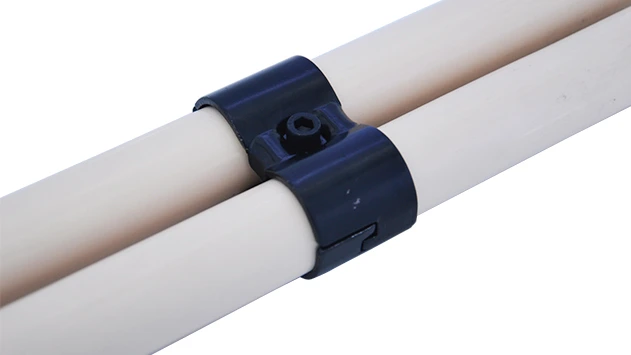
Parallel Lean Pipe Joint
Parallel lean pipe joint used for 2 pcs 28MM lean pipe connection in parallel direction to enhance frame structure, usually for heavy payload requirement for workbench. flow rack, hand trolley.
The Backbone of Modern Factories – Lean Pipe Systems
Walk into any modern manufacturing plant, warehouse, or assembly facility, and you'll notice a silent workhorse keeping operations running smoothly: lean pipe systems. These unassuming structures—made of pipes, joints, and accessories—form the backbone of lean manufacturing, enabling everything from custom workbenches and material racks to flow racks and mobile trolleys. They're the chameleons of industrial equipment: adaptable, cost-effective, and built to evolve with changing production needs. But ask any plant manager what makes these systems truly reliable, and they'll likely point to one often-overlooked component: the joints that hold it all together. Specifically, parallel lean pipe joints. And when those joints are coated in chrome? That's where durability, efficiency, and longevity meet.
In the fast-paced world of industrial production, where downtime equals lost revenue and equipment failure risks safety, the smallest components can make the biggest difference. Parallel lean pipe joints are the unsung heroes here. They connect pipes at precise angles, heavy loads, and withstand the daily grind of factory life—from the constant vibration of machinery to the occasional bump of a forklift. But without proper protection, even the sturdiest joints can falter. That's where chrome coating steps in. It's not just about making joints look shiny; it's about ensuring they stand up to the harsh realities of industrial use, day in and day out.
What Are Parallel Lean Pipe Joints, Anyway?
Let's start with the basics. Parallel lean pipe joints are the "connectors" of the lean pipe world. Think of them as the industrial equivalent of Lego blocks, but designed to handle far more than plastic bricks. These joints are engineered to link lean pipes (often made of steel, aluminum, or stainless steel) in parallel configurations, creating stable, rigid structures. Whether you're building a workstation for assembling electronics, a flow rack for moving parts along a production line, or a turnover trolley for transporting goods across the factory floor, parallel joints are what keep the pipes aligned and the structure from wobbling.
But here's the thing: these joints aren't just sitting pretty. They're under constant stress. Imagine a workbench in an automotive plant, holding heavy tools, car parts, and even the weight of workers leaning on it. Or a flow rack in a warehouse, where boxes slide along roller tracks, jostling the joints with every movement. Add in environmental factors—humidity from washdowns, oil and grease from machinery, or even corrosive chemicals in pharmaceutical or food processing facilities—and you've got a recipe for wear and tear. Over time, unprotected joints can rust, weaken, or even break, turning a reliable structure into a safety hazard and a maintenance headache.
That's why the choice of coating for these joints matters so much. And when it comes to balancing durability, resistance to corrosion, and ease of maintenance, chrome coating stands out as a top contender. Let's dive into why.

Chrome Coating: More Than Just Shiny – The Science Behind the Shine
Chrome coating (or chromium plating) isn't new—it's been used in industrial settings for decades—but its application to parallel lean pipe joints is a game-changer. The process involves electroplating a thin layer of chromium onto the surface of the joint, creating a hard, smooth, and protective barrier. Unlike paint or powder coating, which sits on top of the metal, chrome bonds with the underlying material, forming a unified surface that's resistant to scratches, dents, and chemical damage.
But why chromium? For starters, chromium is one of the hardest metals on the planet, with a hardness rating of around 8.5 on the Mohs scale (for reference, steel is around 4-5, and aluminum is 2.5-3). This hardness means chrome-coated joints can withstand heavy impacts and friction without wearing down. Additionally, chromium is naturally resistant to oxidation, which is the chemical reaction that causes rust. When applied as a coating, it acts like a shield, preventing moisture, oxygen, and other corrosive elements from reaching the underlying metal.
The result? A joint that not only looks sleek and professional but also lasts significantly longer than uncoated or poorly coated alternatives. But the benefits don't stop there. Let's break down the key advantages of chrome coating for parallel lean pipe joints in industrial use.

Why Chrome? The Top Benefits for Industrial Use
1. Corrosion Resistance: Fighting Rust in Harsh Environments
Walk into any factory with high humidity—say, a food processing plant where equipment is regularly washed down with water, or a coastal facility where salt air hangs in the air—and you'll see rust as a constant enemy. Uncoated steel joints in these environments can start rusting within weeks, weakening the structure and leaving unsightly, flaky residue that can contaminate products (a big no-no in industries like pharmaceuticals or electronics manufacturing). Chrome coating puts a stop to that.
The chromium layer acts as a barrier, preventing water, salt, and chemicals from seeping into the metal. Even if the coating is scratched (which is hard to do, thanks to its hardness), the chromium oxide that forms on the surface continues to protect the underlying metal, a property known as "passivation." This makes chrome-coated joints ideal for environments where corrosion is a concern, reducing the need for frequent replacements and keeping structures safe and reliable.
2. Wear and Tear Resistance: Standing Up to Heavy Use
Industrial equipment doesn't get a day off. Parallel lean pipe joints are subjected to constant stress: the weight of materials, the vibration of nearby machinery, and even the occasional bump from a pallet jack or forklift. Over time, this can cause uncoated joints to wear thin, leading to loose connections and wobbly structures. Chrome coating, with its high hardness, is built to withstand this abuse.
Consider a roller track system in a distribution center, where packages slide along metal rollers all day long. The joints holding the roller track in place are under constant tension, as the weight of the packages shifts and pulls at the structure. A chrome-coated joint here won't scratch or deform easily, ensuring the track stays aligned and packages move smoothly. Similarly, in a workstation where tools are repeatedly placed and removed, the chrome surface resists dents and abrasions, keeping the joint functional for years longer than alternatives like zinc-plated or painted joints.
3. Easy Cleaning and Sanitation: A Must for Sensitive Industries
In industries like food processing, pharmaceuticals, or electronics manufacturing, cleanliness isn't just a preference—it's a regulatory requirement. Dust, dirt, and bacteria can compromise product quality or even pose health risks. Uncoated or rough-surfaced joints can trap grime in tiny crevices, making them hard to clean. Chrome coating solves this problem with its smooth, non-porous surface.
A quick wipe with a damp cloth or a mild cleaning solution is usually all it takes to keep chrome-coated joints spotless. There are no cracks or pores for dirt to hide in, and the surface is resistant to most industrial cleaning agents (including disinfectants). This not only saves time on maintenance but also ensures compliance with strict hygiene standards. For example, in a medical device assembly facility, where even a speck of dust can ruin a batch of products, chrome-coated joints on workbenches and material racks help maintain a sterile environment.
4. Aesthetic Appeal: More Than Just Looks
Okay, so chrome coating does make joints look shiny and professional—but that's not just about aesthetics. A clean, well-maintained factory floor has been shown to boost employee morale and productivity. When workers see that their equipment is cared for, they're more likely to take pride in their work. Additionally, chrome-coated joints give off a "high-quality" vibe, which can be important when clients or auditors visit the facility. A rusty, chipped joint might raise questions about overall safety and maintenance practices; a gleaming chrome joint sends the message that the facility prioritizes reliability and attention to detail.
Chrome vs. Other Coatings: How Does It Stack Up?
Of course, chrome isn't the only coating option for parallel lean pipe joints. There's zinc plating, powder coating, and even plain old paint. So why choose chrome? Let's compare the key players in a side-by-side table to see how they measure up in industrial settings:
| Coating Type | Corrosion Resistance | Durability (Wear & Tear) | Ease of Cleaning | Cost (Relative) | Ideal Environment |
|---|---|---|---|---|---|
| Chrome Coating | High (resists moisture, salt, chemicals) | High (hard, scratch-resistant surface) | Very High (smooth, non-porous surface) | Medium-High | Food processing, pharmaceuticals, heavy manufacturing, clean rooms |
| Zinc Plating | Medium (good for dry environments, poor in humidity/salt) | Medium (prone to scratching, especially with heavy use) | Medium (slightly porous, may trap dirt) | Low-Medium | Dry warehouses, light assembly lines |
| Powder Coating | Medium-High (resists chemicals, but chips easily) | Medium (thick but soft; prone to dents) | Medium (can chip, creating crevices for dirt) | Medium | Indoor use, low-impact applications |
| Paint | Low (easily chipped, allows rust to form underneath) | Low (soft, scratches and fades quickly) | Low (porous, hard to clean once chipped) | Low | Temporary structures, non-industrial use |
As the table shows, chrome coating outperforms other options in nearly every category that matters for industrial use. While it may cost a bit more upfront, the long-term savings in maintenance, replacement, and downtime make it a smart investment—especially in high-stress, high-hygiene environments.
Real-World Applications: Where Chrome-Coated Joints Shine Brightest
To truly understand the value of chrome-coated parallel lean pipe joints, let's look at some real-world scenarios where they make a tangible difference. These examples highlight how the right coating can transform a good structure into a great, long-lasting one.
Case Study 1: Automotive Manufacturing – Withstanding Oil, Grease, and Heavy Loads
An automotive assembly plant in Michigan was struggling with frequent breakdowns in their workbench structures. The uncoated steel joints holding the workbenches together were rusting quickly due to the high humidity in the facility (from steam cleaning equipment) and exposure to oil and grease from car parts. Rust weakened the joints, causing the workbenches to wobble, which slowed down assembly line workers and increased the risk of tools falling off. After switching to chrome-coated parallel lean pipe joints, the plant saw a 70% reduction in joint-related maintenance issues. The chrome surface resisted rust and repelled oil, making cleaning easier, and the joints held up to the heavy loads of car parts and tools. Workers reported feeling more confident in the stability of their workstations, and downtime due to repairs dropped significantly.
Case Study 2: Food Processing – Meeting Strict Hygiene Standards
A food packaging facility in California needed to upgrade its flow racks to comply with FDA regulations for food contact surfaces. The existing zinc-plated joints were difficult to clean, with tiny pores that trapped food particles and bacteria. After an audit, the facility was required to find a more sanitary solution. They replaced the zinc-plated joints with chrome-coated parallel lean pipe joints. The smooth, non-porous chrome surface allowed for quick, thorough cleaning with sanitizing solutions, and there were no crevices for bacteria to hide. The facility passed its next FDA inspection with flying colors, and maintenance staff reported spending 50% less time cleaning the flow racks. Plus, the chrome joints stood up to daily washdowns with hot water and soap, showing no signs of rust or degradation after two years of use.
Case Study 3: Electronics Manufacturing – Precision and ESD Protection
An electronics plant in Texas produces sensitive circuit boards, which require static-free (ESD) work environments. The plant's existing workbenches used painted joints, which were prone to chipping and creating static buildup. Static electricity can damage delicate electronics, leading to product defects. The plant switched to chrome-coated parallel lean pipe joints, which not only resisted chipping but also could be treated with anti-static additives during the plating process. The chrome surface prevented static buildup, and the durability of the coating meant the joints didn't shed particles (a common issue with chipped paint). As a result, the plant saw a 30% reduction in defective circuit boards and a 25% decrease in joint replacement costs.
Maintenance Tips: Keeping Your Chrome-Coated Joints in Top Shape
While chrome-coated parallel lean pipe joints are durable, they're not indestructible. With proper care, they can last for decades, but neglect can shorten their lifespan. Here are some simple maintenance tips to keep your chrome joints looking and performing their best:
1. Regular Cleaning
Wipe down chrome joints with a soft, damp cloth at least once a week (more often in dirty or humid environments). For stubborn grime, use a mild detergent or a chrome-specific cleaner—avoid abrasive pads or harsh chemicals like bleach, which can damage the coating. Rinse thoroughly and dry with a clean cloth to prevent water spots.
2. Inspect for Damage
Check joints periodically for chips, scratches, or signs of rust. While chrome is resistant to damage, heavy impacts (like a forklift collision) can chip the coating. If you notice a chip, clean the area immediately and apply a small amount of chrome touch-up paint to prevent rust from forming underneath.
3. Lubricate Moving Parts
If your joints are part of a moving structure (like a turnover trolley with caster wheels), lubricate any moving components (like swivel joints) with a light machine oil. This reduces friction and prevents wear on the chrome surface.
4. Avoid Harsh Environments When Possible
While chrome resists corrosion, prolonged exposure to highly corrosive chemicals (like acids) or extreme temperatures can damage the coating. If possible, keep chrome-coated joints away from these environments, or use protective covers when needed.
Conclusion: Investing in Longevity – Why Chrome Coating is a Smart Move
Parallel lean pipe joints are the unsung heroes of industrial structures, and chrome coating is the secret to their longevity. In a world where manufacturing facilities demand reliability, efficiency, and compliance, chrome-coated joints deliver on all fronts. They resist corrosion in humid or chemical-heavy environments, stand up to the daily wear and tear of heavy use, simplify cleaning in hygiene-critical industries, and even boost morale with their professional appearance.
While chrome coating may cost a bit more upfront than alternatives like zinc plating or paint, the long-term savings in maintenance, replacement, and downtime make it a wise investment. Whether you're building a workbench, a flow rack, or a roller track system, choosing chrome-coated parallel lean pipe joints ensures your structure will not only meet today's needs but also adapt to tomorrow's challenges.
So the next time you walk through a factory or warehouse, take a moment to look at the joints holding everything together. Chances are, the ones that look the best—and are working the hardest—are coated in chrome. And now you know why.