- Company Articles
- Products and Technology
- Product knowledge
- Chrome Coating Process for One Way Rotatory Straight Lean Pipe Joints: A Complete Overview

Chrome Coating Process for One Way Rotatory Straight Lean Pipe Joints: A Complete Overview
Related Product
One Way Rotatory Straight Lean Pipe Joint
Two way lean pipe joint for 2 pcs 28MM lean pipe connection in straight angle with rotatory fucntion, which used widely in workbench, flow rack, hand trolley frame connection.
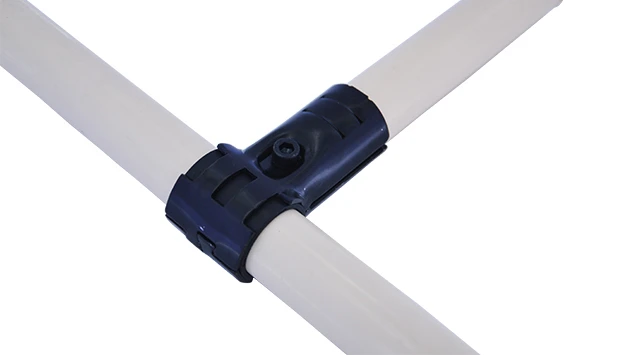
Walk into any modern factory, warehouse, or production line, and you'll notice a silent hero holding everything together: lean pipe joints. These unassuming components are the backbone of flexible workbenches, flow racks, and assembly lines, enabling businesses to adapt quickly to changing needs. Among the many types of lean pipe joints, the one way rotatory straight lean pipe joint stands out for its ability to allow controlled, one-directional movement—critical for smooth material flow in lean systems. But what makes these joints truly reliable, especially in high-traffic industrial settings? Often, the answer lies in their finish: chrome coating. In this guide, we'll take a deep dive into the chrome coating process for these essential joints, exploring why it matters, how it's done, and why it's a game-changer for lean system suppliers and manufacturers alike.
Understanding the Star of the Show: One Way Rotatory Straight Lean Pipe Joints
Before we jump into the coating process, let's get to know the joint itself. A lean pipe joint is a connector that links lean pipes (hollow tubes, often made of steel, aluminum, or stainless steel) to form structures like workbenches, trolleys, or material racks. The "one way rotatory straight" variant is designed with a unique mechanism: it allows rotation in one direction while locking in others, making it perfect for guiding materials along a specific path—think of a conveyor roller that only spins clockwise, preventing backflow in assembly lines.
These joints are workhorses. They're subjected to constant friction (from rotating pipes), exposure to oils, coolants, and dust, and sometimes even heavy loads. Without proper protection, they'd wear down quickly, leading to wobbly structures, jams in production lines, and costly downtime. That's where chrome coating steps in. It's not just about making the joint look shiny (though that's a nice bonus); it's about adding a layer of armor that boosts durability, resists corrosion, and keeps the rotation smooth for years.
Why Chrome Coating? The Unsung Benefits for Lean Systems
You might be wondering: Why chrome? There are plenty of coating options out there—powder coating, nickel plating, even paint. But for one way rotatory straight lean pipe joints, chrome coating offers a unique set of advantages that make it worth the investment. Let's break them down:
- Unbeatable Wear Resistance: Chrome is hard—really hard. On the Mohs scale (which measures mineral hardness), chrome scores around 8.5, just below diamonds. This hardness means the coating can withstand constant friction from rotating pipes without scratching or wearing thin. In a busy factory, where a joint might rotate thousands of times a day, this translates to fewer replacements and less maintenance.
- Corrosion Resistance: Factories are messy places. Oils, water, cleaning chemicals, and even humidity can eat away at metal over time. Chrome forms a passive oxide layer that acts as a barrier, preventing moisture and chemicals from reaching the underlying metal (usually steel). This is especially important for joints used in food processing or pharmaceutical facilities, where cleanliness and rust prevention are non-negotiable.
- Smooth Operation: Chrome has a low coefficient of friction, meaning it glides easily. For a one way rotatory joint, this ensures smooth, consistent movement—no sticking or jamming that could disrupt material flow. Imagine a conveyor belt where the rollers catch every few inches; that's the chaos chrome coating helps avoid.
- Aesthetic Appeal: Let's not overlook the visual aspect. A bright, uniform chrome finish gives joints a professional, high-quality look. For lean system suppliers, this matters—clients notice details like clean, well-finished components, and it reflects positively on the supplier's commitment to quality.

The Chrome Coating Process: From Raw Metal to Shiny Armor
Chrome coating (also called chromium plating) is a precision process that involves electroplating a thin layer of chromium onto the surface of the lean pipe joint. It's not something you can do with a spray can in the garage—requires specialized equipment, strict controls, and skilled technicians. Let's walk through each step, from start to finish.
Step 1: Pre-Treatment – Getting the Surface "Ready"
Before any chrome can be applied, the joint's surface must be spotless. Even tiny contaminants—like oil, rust, or dirt—can ruin the coating's adhesion, leading to peeling or bubbling later. Pre-treatment is all about cleaning and preparing the metal, and it usually involves three key stages:
| Pre-Treatment Stage | Purpose | How It's Done |
|---|---|---|
| Degreasing | Remove oils, grease, and fingerprints from manufacturing or handling. | Joints are submerged in an alkaline bath (like sodium hydroxide) or sprayed with solvent-based cleaners. Ultrasonic cleaning may also be used for intricate parts, where high-frequency sound waves dislodge trapped dirt. |
| Pickling | Eliminate rust, scale, or oxide layers from the metal surface. | A weak acid solution (usually hydrochloric or sulfuric acid) is used to etch away oxides. The joint is dipped for a short time (30 seconds to 5 minutes) to avoid over-etching, then rinsed thoroughly. |
| Activation | Create a slightly rough surface to help chrome adhere better. | A mild acid or salt solution is applied to "activate" the surface, ensuring the chrome plating bonds tightly to the metal. |
Skipping any of these steps is a recipe for disaster. For example, leftover oil can cause the chrome to bubble; insufficient pickling leaves rust under the coating, which will eventually "bleed" through. That's why reputable lean pipe suppliers invest in rigorous pre-treatment—they know the foundation matters as much as the chrome itself.
Step 2: Chrome Plating – The Electroplating Magic
Now comes the star of the show: electroplating. This is where electricity and chemistry work together to deposit a thin layer of chromium onto the joint. Here's how it works:
- Setting Up the Bath: A tank is filled with a chromium plating solution, typically made of chromic acid (CrO₃) and a small amount of sulfuric acid (H₂SO₄). The ratio of these acids is critical—too much sulfuric acid, and the plating becomes dull; too little, and it won't deposit evenly. Technicians monitor the bath's composition daily to keep it balanced.
- Hanging the Joints: The one way rotatory straight lean pipe joints are hung from metal racks (called "jigs") and submerged in the bath. They're connected to the negative terminal of a power supply, making them the "cathode."
- Adding the Anode: Lead or lead-alloy plates are placed in the bath as the "anode" (positive terminal). These anodes conduct electricity and help maintain the bath's chemistry by releasing chromium ions as they dissolve.
- Applying Current: When electricity flows through the circuit, chromium ions in the bath are attracted to the negatively charged joints. They bond to the metal surface, forming a thin, uniform layer of chrome. The process runs for 30 minutes to several hours, depending on the desired thickness (usually 5-25 microns for industrial joints).
- Controlling Variables: Temperature, current density, and bath agitation all affect the final result. Most plating baths run at 45-60°C (113-140°F); too cold, and the chrome is brittle; too hot, and it's porous. Current density (measured in amps per square foot) determines how fast the chrome deposits—higher density means thicker plating, but can lead to unevenness if not controlled.
During plating, the one way rotatory mechanism of the joint must be protected. Technicians often mask off moving parts (like bearings or locking pins) with tape or special coatings to prevent chrome from building up and interfering with rotation. It's a delicate balance—ensuring the joint is fully coated where it needs protection, but not so much that it loses functionality.
Step 3: Post-Treatment – Finishing Touches
Once the chrome reaches the desired thickness, the joints are removed from the bath—but the process isn't over yet. Post-treatment ensures the coating is durable, clean, and ready for use.
- Rinsing: The joints are rinsed in multiple stages—first with warm water to remove excess plating solution, then with deionized water to eliminate mineral deposits. Any leftover chromic acid can cause spotting or corrosion, so rinsing is thorough.
- Drying: After rinsing, joints are dried quickly—often with hot air blowers or in ovens (60-80°C). This prevents water spots and ensures no moisture is trapped in crevices, which could lead to rust under the chrome.
- Passivation (Optional): For extra corrosion resistance, some suppliers add a passivation step. This involves dipping the joint in a chromate solution, which reacts with the chrome to form a thicker, more protective oxide layer. It's especially common for joints used in humid or coastal environments.
- Polishing (If Needed): Most industrial chrome plating has a matte or semi-bright finish, but for applications where shine matters (like display workbenches), joints may be polished to a mirror-like glow using fine abrasives.

Quality Control: Ensuring Every Joint Meets the Mark
A shiny coating doesn't always mean a good coating. To ensure one way rotatory straight lean pipe joints perform as expected, lean pipe suppliers put them through rigorous testing. Here are the key checks:
Adhesion Testing
The chrome must stick to the joint—no peeling, flaking, or chipping. One common test is the "bend test": the joint is bent at a 90° angle, and the coating is inspected for cracks. If it stays intact, adhesion is good. Another method is the "cross-cut test," where a tool scores a grid into the coating; tape is applied and pulled off—if no chrome comes off with the tape, adhesion passes.
Thickness Measurement
Too thin, and the coating won't last; too thick, and it may interfere with the joint's rotation. Suppliers use X-ray fluorescence (XRF) meters to measure thickness non-destructively. For industrial joints, 8-15 microns is typical—enough to protect against wear without adding bulk.
Corrosion Resistance Testing
The salt spray test is the gold standard here. Joints are placed in a chamber where a mist of saltwater (5% NaCl) is sprayed continuously. For industrial chrome, passing means no rust or corrosion after 500+ hours—more than enough for most factory environments.
Functional Testing
Remember, these are rotatory joints. After coating, technicians test the rotation to ensure it's smooth and locks correctly in one direction. Excess chrome in the bearing area can cause sticking, so this step is critical to avoid functional issues.
Chrome-Coated Joints in Action: Real-World Applications
So, where do these chrome-coated one way rotatory straight lean pipe joints actually get used? The answer is: just about anywhere efficiency and durability matter. Let's look at a few examples:
- Automotive Assembly Lines: Car manufacturers rely on lean systems to move parts (like doors, engines, or dashboards) from station to station. One way rotatory joints ensure parts glide smoothly along conveyors and don't slide backward, preventing bottlenecks. Chrome coating stands up to the constant movement and exposure to lubricants.
- Electronics Manufacturing: Delicate components (circuit boards, semiconductors) need gentle handling. Flow racks with chrome-coated joints provide controlled, low-friction movement, reducing the risk of damage. The corrosion resistance is also key here—electronics factories are often kept clean with water-based cleaners, which could rust uncoated joints.
- Warehouse Order Fulfillment: In e-commerce warehouses, speed is everything. Flow racks with one way rotatory joints let boxes and packages slide forward as items are picked, keeping shelves organized and reducing restocking time. Chrome ensures the joints handle the daily wear of heavy boxes without slowing down.
- Food and Beverage Processing: Stainless steel pipe series are common here for hygiene, but chrome-coated steel joints are also used (with food-grade lubricants). The corrosion resistance protects against frequent washdowns with caustic cleaners, ensuring compliance with safety standards.
For lean system suppliers, offering chrome-coated joints isn't just a selling point—it's a promise of reliability. Clients know that investing in these joints means fewer breakdowns, lower maintenance costs, and a longer lifespan for their lean systems. It's why reputable suppliers like to highlight their plating processes—transparency builds trust.
Chrome vs. the Competition: Why It's Still the Top Choice
We've sung chrome's praises, but how does it stack up against other coatings? Let's compare:
| Coating Type | Wear Resistance | Corrosion Resistance | Cost | Best For |
|---|---|---|---|---|
| Chrome Plating | Excellent (hard, low friction) | Excellent (passive oxide layer) | Higher | High-wear, high-moisture environments; rotatory joints |
| Nickel Plating | Good (softer than chrome) | Good (but less than chrome) | Moderate | Decorative applications; low-wear joints |
| Powder Coating | Fair (prone to chipping on metal-on-metal contact) | Good (thick layer, but porous if scratched) | Low | Static structures (shelving, workbench frames); color customization |
As the table shows, chrome wins for durability and corrosion resistance, making it the top choice for one way rotatory straight lean pipe joints. Yes, it costs more upfront, but the long-term savings in maintenance and replacements more than make up for it.
FAQs: Everything You Wanted to Know About Chrome-Coated Lean Pipe Joints
Let's tackle some common questions we hear from clients and curious readers:
Q: How long does a chrome coating last on a lean pipe joint?
A: It depends on usage and environment, but in typical factory settings, you can expect 5-10 years of reliable performance. In low-wear environments (like a static workbench joint), it could last even longer. Proper maintenance—keeping the joint clean and lubricated—also extends lifespan.
Q: Can chrome coating be repaired if it gets damaged?
A: Small scratches or chips can sometimes be touched up with chrome paint, but for deep damage, the joint will need to be re-plated. Most lean pipe suppliers offer re-plating services, though it's often more cost-effective to replace heavily damaged joints—especially since the underlying metal may have corroded.
Q: Is chrome plating environmentally friendly?
A: Traditional chrome plating uses hexavalent chromium, which is toxic if not handled properly. However, modern facilities use strict waste treatment systems to capture and neutralize chemicals, and some are switching to trivalent chromium (a less toxic form) for plating. Reputable suppliers will be happy to share their environmental compliance certifications—look for ISO 14001 or similar.
Q: Are there alternatives to chrome for rotatory joints?
A: Aluminum pipe joints with anodized coatings are gaining popularity—they're lightweight and corrosion-resistant. However, anodized aluminum is softer than chrome, so it may not hold up as well to heavy wear or constant rotation. For now, chrome remains the gold standard for high-performance rotatory applications.
Conclusion: The Small Component That Makes a Big Difference
At first glance, a one way rotatory straight lean pipe joint might seem like a simple piece of hardware. But as we've explored, the chrome coating process that protects it is a blend of science, precision, and care. From pre-treatment to plating to quality control, every step ensures these joints can withstand the chaos of industrial environments—keeping production lines moving, reducing downtime, and helping businesses stay lean and efficient.
For anyone in the market for lean system components—whether you're a manufacturer building assembly lines or a warehouse manager upgrading flow racks—paying attention to the details like chrome coating is worth it. It's not just about buying a joint; it's about investing in the reliability of your entire operation. And for lean pipe suppliers, mastering the art of chrome plating is more than a service—it's a commitment to helping clients build systems that stand the test of time.
So the next time you walk through a factory or warehouse, take a moment to appreciate the humble lean pipe joint. Chances are, it's got a shiny coat of chrome working hard behind the scenes—quietly, reliably, andly.