- Company Articles
- Products and Technology
- Product knowledge
- Chrome Coating Warranty: What to Expect from Five Way Straight Lean Pipe Joint Suppliers

Chrome Coating Warranty: What to Expect from Five Way Straight Lean Pipe Joint Suppliers
Related Product
Five Way Straight Lean Pipe Joint
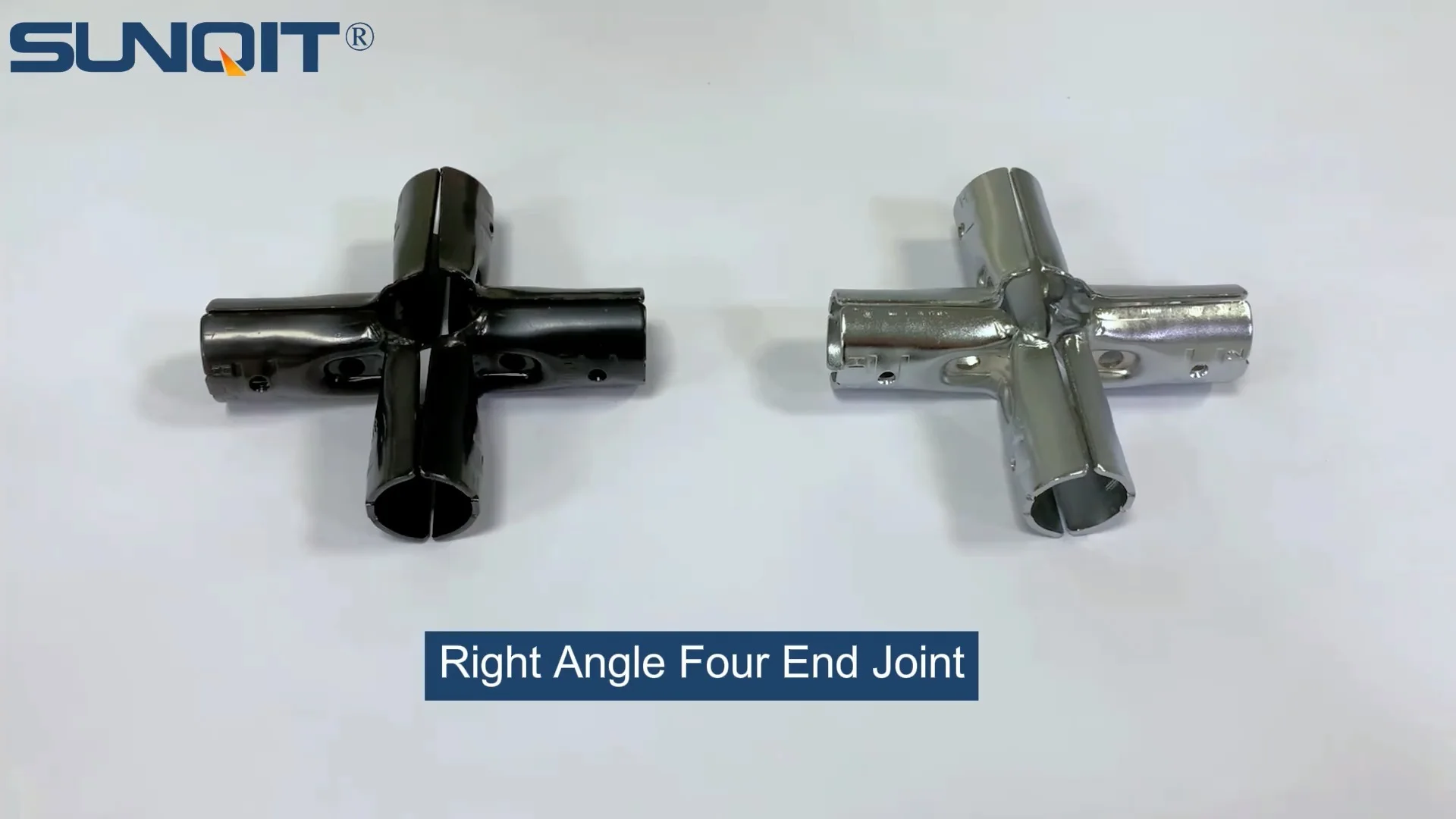
Five way straight lean pipe joint, for 5 pcs 28mm lean pipe connect in straight angle,which used widely in workbench, flow rack, hand trolley frame connection.
If you've ever stepped foot in a modern manufacturing facility, warehouse, or assembly plant, you've probably seen them—those sleek, modular structures that keep production lines moving, materials organized, and workflows efficient. They're the backbone of lean manufacturing, and at their core are lean pipe systems. These systems rely on a seemingly simple yet critical component: the lean pipe joint. Today, we're zeroing in on a specific star player in this ecosystem: the five way straight lean pipe joint chrome. But more than just the joint itself, we're diving into something that often gets overlooked until it's too late: the chrome coating warranty. Let's unpack why this warranty matters, what you should look for, and how to ensure you're getting the most value from your lean pipe system supplier.
The Unsung Hero: Five Way Straight Lean Pipe Joints in Lean Systems
Before we talk warranties, let's take a moment to appreciate the five way straight lean pipe joint chrome. In the world of lean pipe and accessories, joints are the connectors that turn basic pipes into custom workbenches, flow racks, conveyor systems, and material handling trolleys. A five way joint, as the name suggests, allows for connections in five directions—think of it as the Swiss Army knife of lean components. It's the reason you can design a workstation that feeds materials from three different directions while feeding finished products to two more. Versatility? Check. Durability? That's where the chrome coating comes in.
Chrome coating isn't just about shine (though it does add a professional, clean look to industrial setups). It's a protective barrier. In busy facilities, lean pipe joints take a beating: constant contact with materials, exposure to oils, coolants, and cleaning agents, not to mention the occasional bump from a forklift or pallet jack. Chrome plating adds (hardness) and corrosion resistance, ensuring the joint doesn't rust, chip, or degrade over time. But here's the thing: not all chrome coatings are created equal, and neither are the warranties that back them up.
Why a Chrome Coating Warranty Isn't Just "Fine Print"
Let's face it—when you're investing in lean pipe systems, you're not just buying metal and plastic. You're investing in efficiency, productivity, and long-term operational savings. A single five way straight lean pipe joint might cost a few dollars, but multiply that by hundreds (or thousands) across a facility, and suddenly the total investment adds up. Now, imagine if those joints start to corrode or the chrome peels off after a year. You're looking at replacement costs, downtime while systems are repaired, and the frustration of a solution that didn't live up to its promise.
That's where the warranty comes in. A chrome coating warranty is more than a piece of paper; it's a supplier's promise that their product is built to last. It tells you, "We stand behind the quality of our chrome plating, and if it fails under normal use, we'll make it right." For lean pipe system suppliers, offering a strong warranty isn't just good customer service—it's a sign of confidence in their manufacturing processes, materials, and quality control. For you, it's peace of mind. It means you won't be stuck footing the bill for premature wear and tear, and it gives you leverage if issues arise.

What to Actually Expect from a Chrome Coating Warranty
Not all warranties are created equal. Some might sound great at first glance but are riddled with exclusions. Others might be short on details, leaving you guessing what's covered. To help you navigate, let's break down the key components you should expect from a reputable five way straight lean pipe joint chrome warranty.
1. Coverage Period: How Long Are You Protected?
The first question to ask: How long does the warranty last? Most lean pipe system suppliers offer coverage periods ranging from 1 year to 5 years, but some premium suppliers might go longer. A 1-year warranty is standard for basic products, but if you're operating in a harsh environment (high humidity, frequent chemical exposure), you'll want to aim for 3+ years. Keep in mind: the length of the warranty often reflects the supplier's confidence in their chrome plating process. A supplier using high-quality chromium and rigorous plating techniques (like electroplating with proper pre-treatment) will have no qualms offering a longer warranty.
2. Covered Defects: What Counts as a "Warranty Claim"?
Next, clarify what defects are covered. A good warranty should explicitly cover issues like:
- Peeling or flaking chrome: If the chrome layer starts to lift away from the underlying metal (the substrate) without any obvious physical damage.
- Pitting or corrosion: Small holes or rust spots forming on the chrome surface, even in normal operating conditions.
- Blistering: Bubbles under the chrome layer, which often indicate poor adhesion during the plating process.
Note the phrase "normal operating conditions." Warranties typically don't cover damage from misuse—like using a joint to pry open a stuck door or exposing it to industrial acids it wasn't designed for. But if the chrome fails because the plating was too thin or the pre-treatment was shoddy, that's on the supplier.
3. Exclusions: What's Not Covered?
Equally important is understanding what's excluded. Common exclusions include:
- Physical damage: Dents, cracks, or scratches from impacts, drops, or accidents.
- Chemical exposure: Contact with harsh chemicals (like strong acids or alkalis) not specified in the product's use guidelines.
- Improper installation: If the joint was installed incorrectly (e.g., over-tightened, used with incompatible pipes), leading to stress on the chrome.
- Wear and tear from moving parts: For example, if the joint is part of a conveyor system with constant friction, some wear is expected over time—but excessive wear might still be covered.
Always read the fine print here. A warranty that says "covers all defects" but then lists 10 exceptions is less valuable than one that's upfront about limitations.
4. The Claim Process: How Easy Is It to Get Help?
A warranty is only as good as the process to claim it. Imagine discovering a peeling chrome joint six months in, only to be met with endless phone trees, unresponsive emails, and a request for 10 different documents. Look for suppliers that outline a clear, straightforward claim process. Ideally, it should involve:
- A dedicated customer service contact (phone or email) for warranty claims.
- Simple documentation requirements (e.g., photos of the defect, proof of purchase, date of installation).
- A timeline for resolution (e.g., "We'll respond to your claim within 48 hours and provide a replacement within 5 business days").
Some suppliers even offer on-site inspections for large claims, which can speed up the process and ensure you're not blamed for issues beyond your control.
| Warranty Aspect | Basic Warranty (Budget Suppliers) | Premium Warranty (Reputable Lean Pipe System Suppliers) |
|---|---|---|
| Coverage Period | 6 months – 1 year | 3 – 5 years |
| Covered Defects | Only severe peeling/flaking | Peeling, pitting, corrosion, blistering under normal use |
| Exclusions | Vague ("damage from misuse" with no examples) | Clear list (chemicals, physical impact, improper installation) |
| Claim Process | Unclear; requires multiple follow-ups | Step-by-step guide; 48-hour response time |
| Resolution | Partial refund or credit | Free replacement + shipping |
Table 1: Comparing warranty offerings between basic and premium lean pipe system suppliers

Why Supplier Reputation Matters as Much as the Warranty Itself
You could have the best warranty on paper, but if your lean pipe system supplier has a history of cutting corners, that warranty might not hold up. So, how do you separate the reliable suppliers from the rest? Start by checking reviews and testimonials from other customers. Look for feedback like, "Their warranty team was responsive when we had a chrome issue" or "They replaced our joints without hassle."
Another red flag: suppliers who hesitate to provide details about their chrome plating process. A reputable supplier should be able to explain how thick the chrome layer is (typically 0.0005 to 0.001 inches for decorative and protective plating), what pre-treatment steps they take (like cleaning, acid etching, and nickel undercoating to improve adhesion), and what quality standards they follow (e.g., ISO certifications). If they can't answer these questions, it's a sign they might be using subpar plating methods—and their warranty might be more smoke than substance.
Don't be afraid to ask for references, either. A supplier confident in their product will happily connect you with existing clients who can speak to their warranty experience. For example, a manufacturer in the automotive industry might share how a 5-year warranty on their five way straight lean pipe joint chrome saved them from replacing 200+ joints after a humid summer caused premature rusting in a competitor's product.

Debunking Common Myths About Chrome Coating Warranties
Even with clear information, myths about chrome coating warranties persist. Let's set the record straight on a few:
Myth #1: "All Chrome Coating Warranties Are the Same"
False. As we saw in Table 1, coverage periods, exclusions, and claim processes vary wildly. A budget supplier might offer a "5-year warranty" but exclude 90% of real-world scenarios, while a premium supplier's 3-year warranty covers the issues you're actually likely to face.
Myth #2: "Chrome Coating Never Fails, So Warranties Are Unnecessary"
Wishful thinking. Even high-quality chrome plating can fail if there's a flaw in the plating process (e.g., pinholes in the layer, poor adhesion) or if the joint is exposed to unexpected conditions (like a sudden humidity spike in a warehouse). A warranty ensures you're protected when the "unlikely" happens.
Myth #3: "If You Need to Use the Warranty, the Product Is Bad"
Not necessarily. Manufacturing defects happen, even to the best suppliers. A warranty claim isn't a sign of a "bad" product—it's a sign the supplier is committed to making it right. In fact, how a supplier handles a warranty claim is often a better indicator of their quality than the product itself.
Tips for Maximizing Your Warranty: It's a Two-Way Street
While the supplier is responsible for honoring their warranty, you play a role too. Here's how to ensure your warranty remains valid and you get the most out of it:
1. Keep Records
Save your purchase order, invoice, and any installation records. Most warranties require proof of purchase and installation date. Take photos of your lean pipe systems when they're first installed—this gives you a baseline to compare against if defects appear later.
2. Follow Installation Guidelines
Over-tightening joints can stress the chrome coating, leading to cracks or peeling. Use the recommended torque settings and ensure you're using compatible lean pipe and accessories (e.g., pipes with the correct diameter for the joint). If you're unsure, ask your supplier for installation guides—reputable ones will provide them freely.
3. Maintain Your Lean Systems
Regular cleaning (with mild detergents, not harsh chemicals) can extend the life of chrome coatings. Wipe down joints periodically to remove oil, dust, and debris that can trap moisture and cause corrosion. Think of it like maintaining a car—basic care goes a long way.
4. Report Issues Promptly
If you notice peeling, pitting, or rust, don't wait. Most warranties require you to report defects within a certain timeframe (e.g., "within 30 days of discovery"). The longer you wait, the more the damage might spread, and the harder it is to prove it's a manufacturing defect rather than neglect.
Final Thoughts: Your Warranty as a Tool for Better Lean Systems
At the end of the day, a chrome coating warranty for five way straight lean pipe joint chrome is more than just a safety net—it's a tool to help you build better, more reliable lean systems. By choosing a lean pipe system supplier that offers a clear, comprehensive warranty, you're not just protecting your investment; you're partnering with a company that values quality and customer satisfaction.
So, the next time you're comparing suppliers, don't just look at the price tag or the product specs. Ask about their chrome coating warranty. Dig into the details. Ask, "What's covered? For how long? What do I need to do if I have a claim?" The answers will tell you everything you need to know about whether that supplier is worth your trust—and your business.
In the fast-paced world of manufacturing, efficiency and reliability are everything. With the right warranty in place, you can focus on what you do best—keeping your production lines running smoothly—knowing that your lean pipe joints (and your supplier) have your back.