- Company Articles
- Products and Technology
- Product knowledge
- Chrome Finish Advantages: Aesthetic & Functional Benefits of One Way Rotatory Straight Lean Pipe Joints

Chrome Finish Advantages: Aesthetic & Functional Benefits of One Way Rotatory Straight Lean Pipe Joints
Related Product
One Way Rotatory Straight Lean Pipe Joint
Two way lean pipe joint for 2 pcs 28MM lean pipe connection in straight angle with rotatory fucntion, which used widely in workbench, flow rack, hand trolley frame connection.
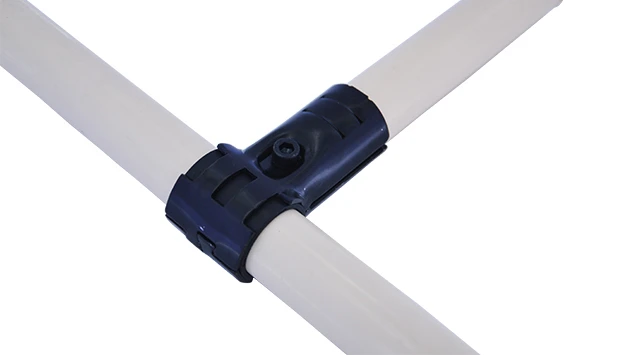
In the fast-paced world of manufacturing and production, every component on the factory floor plays a silent but critical role. From the workbench where assemblers spend hours piecing together products to the flow racks that keep materials moving seamlessly, the right tools and systems can mean the difference between smooth operations and costly delays. Today, we're shining a spotlight on a small but mighty component that often goes unnoticed: the one way rotatory straight lean pipe joint chrome . These unassuming connectors are the backbone of modular lean systems, and their chrome finish? It's not just about looking good—it's a game-changer for both form and function.
The Unsung Heroes of Lean Manufacturing: Lean Pipe Joints
Before we dive into the specifics of chrome-plated joints, let's take a step back and appreciate the role of lean pipe systems in modern manufacturing. Lean manufacturing is all about efficiency—eliminating waste, streamlining workflows, and adapting quickly to changing needs. Modular systems built with lean pipes, joints, and accessories embody this philosophy perfectly. They're flexible, customizable, and easy to reconfigure, making them ideal for everything from assembly lines to warehouse storage.
At the heart of these systems are the joints. Think of them as the "glue" that holds the entire structure together. Whether you're building a simple workbench or a complex material handling setup, joints determine how sturdy, flexible, and long-lasting your system will be. And among the various types of joints available, the one way rotatory straight lean pipe joint stands out for its unique ability to allow controlled rotation in one direction—perfect for applications where materials need to glide smoothly, like on roller tracks or conveyor systems.
Why Chrome? The Finish That Elevates Performance
When it comes to finishes for industrial components, options like powder coating, zinc plating, or plain steel are common. But chrome plating? It's in a league of its own. Let's break down why lean pipe joint chrome finishes have become a go-to choice for manufacturers who refuse to compromise on quality.
Aesthetic Appeal: More Than Just Shine
Let's start with the obvious: chrome looks good. There's a reason luxury cars, high-end appliances, and yes, industrial equipment, often opt for chrome accents. The mirror-like finish adds a touch of professionalism and polish to any setup. Imagine walking into a workshop where the workbenches, flow racks, and trolleys are held together by dull, rusting joints versus one where the chrome-plated connectors catch the light, creating a clean, organized look. Which environment do you think boosts employee morale and leaves a better impression on clients or auditors?
But chrome's aesthetic benefits go beyond just "looking nice." In busy production environments, visual clarity matters. Chrome's bright, reflective surface makes it easier to spot dirt, debris, or misalignments—small details that can lead to big problems if overlooked. A quick glance at a chrome joint, and you'll notice if there's a buildup of grease or if a connection is starting to loosen. This not only keeps the workspace cleaner but also helps maintenance teams stay ahead of issues before they escalate.
Durability: Built to Withstand the Grind
Industrial environments are tough. Joints are subjected to constant stress—from the weight of materials on a rack to the repetitive motion of workers adjusting a workbench. Chrome plating is renowned for its hardness and resistance to wear. The plating process involves depositing a thin layer of chromium onto the base metal (usually steel), creating a surface that's much tougher than the metal itself. This means your one way rotatory straight lean pipe joint chrome can handle years of twisting, turning, and heavy use without showing signs of fatigue.
Compare this to a standard painted joint. Over time, paint chips, fades, or peels, leaving the underlying metal exposed. Not only does this look unsightly, but it also weakens the joint's structural integrity. Chrome, on the other hand, forms a permanent bond with the base metal, creating a barrier that resists scratches, dents, and general wear and tear. It's like giving your joints a suit of armor—one that stays intact even in the roughest conditions.
Corrosion Resistance: Fighting the Elements
Moisture, chemicals, and humidity are the enemies of metal components. Left unchecked, they cause rust and corrosion, which can turn a sturdy joint into a brittle, unreliable one. This is where chrome truly shines (pun intended). Chromium is highly resistant to oxidation, meaning it doesn't rust when exposed to water or air. Even in environments where oil, coolants, or cleaning agents are present—common in automotive or electronics manufacturing—chrome-plated joints hold their own.
Consider a food processing plant, where frequent washdowns are necessary to maintain hygiene standards. A zinc-plated joint might start to corrode after repeated exposure to water and sanitizers, but a chrome-plated one? It stays intact, ensuring the structural integrity of the workbenches and material racks. The same goes for warehouses in humid climates or factories near coastal areas where salt air can corrosion. Chrome acts as a shield, extending the life of your lean system components significantly.
Ease of Cleaning: Less Time Maintaining, More Time Producing
In any manufacturing setting, time is money. The last thing your team needs is to spend hours scrubbing grime off equipment. Chrome's smooth, non-porous surface makes cleaning a breeze. Unlike porous finishes that trap dirt and bacteria, chrome can be wiped down with a damp cloth or mild cleaner, and it's good as new. This is especially important in industries with strict cleanliness standards, such as pharmaceuticals, medical device manufacturing, or electronics assembly, where even tiny particles can compromise product quality.
Think about a workbench used for assembling circuit boards. Dust, oil, or fingerprints on the joints could potentially contaminate sensitive components. With chrome-plated joints, a quick wipe with an antistatic cloth removes any residue, keeping the workspace clean and compliant. It's a small detail, but it adds up to big time savings over the life of the equipment.

Functional Benefits: Performance That Delivers
While the aesthetic perks of chrome are undeniable, its functional advantages are where it truly earns its keep. Let's explore how the chrome finish enhances the performance of one way rotatory straight lean pipe joints in real-world applications.
Smooth Rotation: Keeping Materials Moving
The "one way rotatory" feature of these joints is critical for applications like roller tracks or gravity-fed flow racks. Materials need to glide smoothly in one direction without getting stuck or jamming. Chrome's ultra-smooth surface reduces friction, allowing the joint to rotate freely and consistently. This is a stark contrast to unplated or poorly finished joints, which can develop rough spots over time, leading to jerky movement or even complete seizing.
Imagine a production line where plastic parts are transported via a roller track held together by one way rotatory joints. If the joints are rusted or rough, the parts might slow down or get stuck, causing delays in the assembly process. With chrome-plated joints, the rotation is silky-smooth, ensuring a steady flow of materials and minimizing downtime. It's a simple improvement that has a ripple effect on overall productivity.
Compatibility with Other Components
Lean systems are rarely made up of a single type of component. They often include aluminum pipe , stainless steel rollers, plastic guides, and various accessories. Chrome-plated joints play well with all of these. The finish is compatible with different metals and materials, ensuring a secure, reliable connection regardless of what you're building. Whether you're attaching a chrome joint to an aluminum profile or a stainless steel roller track, you can trust that the connection will be strong and stable.
This compatibility also extends to maintenance and repairs. If a joint needs to be replaced, a chrome-plated one will blend seamlessly with the existing system, maintaining the overall aesthetic and functionality. No mismatched colors or finishes—just a cohesive setup that works as a single unit.
Longevity: A Wise Investment
Let's talk numbers. Industrial components aren't cheap, and replacing them frequently can eat into your budget. Chrome-plated joints might have a slightly higher upfront cost compared to plain steel or zinc-plated options, but their longevity more than makes up for it. Thanks to their resistance to corrosion, wear, and damage, chrome joints can last 2-3 times longer than unplated alternatives. This means fewer replacements, less downtime for repairs, and lower long-term costs.
Consider a warehouse that uses 100 one way rotatory joints in its flow rack system. If unplated joints need replacement every 2 years, and chrome-plated ones last 5 years, the savings add up quickly. Not to mention the labor costs associated with taking apart and rebuilding sections of the rack—time that could be better spent on more productive tasks.

Chrome vs. Other Finishes: A Head-to-Head Comparison
To truly understand the value of chrome-plated joints, let's compare them to other common finishes. The table below breaks down key factors like durability, corrosion resistance, and maintenance needs.
| Finish Type | Corrosion Resistance | Durability (Wear Resistance) | Aesthetic Appeal | Maintenance Needs | Best For |
|---|---|---|---|---|---|
| Chrome-Plated | Excellent (resists moisture, chemicals, salt) | High (hard surface resists scratches/dents) | High (mirror-like, professional finish) | Low (easy to clean with damp cloth) | High-traffic areas, humid environments, cleanrooms |
| Zinc-Plated | Good (basic protection, prone to white rust) | Medium (prone to chipping if scratched) | Medium (matte gray, utilitarian look) | Medium (may require occasional re-coating) | Dry indoor environments, low-budget projects |
| Powder-Coated | Fair (prone to chipping, exposing base metal) | Medium (tough but can scratch or fade) | High (custom colors available) | High (chips require touch-up, hard to clean) | Decorative applications, low-wear setups |
| Unplated Steel | Poor (rusts quickly in moisture) | Low (prone to corrosion and wear) | Low (dull, prone to discoloration) | Very High (constant cleaning, painting needed) | Temporary setups, non-critical applications |
As the table shows, chrome-plated joints outperform other finishes in nearly every category that matters for industrial use. They're not just a "nice-to-have"—they're a practical choice for anyone who wants their lean system to stand the test of time.
Real-World Applications: Where Chrome Joints Shine
To bring this all to life, let's look at a few real-world scenarios where one way rotatory straight lean pipe joint chrome finishes make a tangible difference.
Electronics Manufacturing Workbench
In electronics assembly, precision and cleanliness are paramount. A workbench used for soldering circuit boards needs to be sturdy, static-free (often an ESD workstation), and easy to clean. Chrome-plated joints here ensure that the bench remains stable even with heavy equipment, while the smooth surface resists solder splatters and cleaning agents. The reflective finish also makes it easier to spot tiny components that might fall onto the bench, reducing waste and improving accuracy.
Automotive Parts Flow Rack
Automotive factories are high-stress environments—oils, coolants, and constant movement take a toll on equipment. A flow rack storing engine parts needs to withstand exposure to these fluids while keeping parts moving smoothly to the assembly line. Chrome-plated one way rotatory joints resist corrosion from oils and coolants, ensuring the rack remains functional for years. The smooth rotation also prevents parts from getting stuck, keeping the production line on schedule.
Pharmaceutical Packaging Line
Pharmaceutical manufacturing has strict hygiene standards. Any equipment used in packaging must be easy to sanitize and resistant to harsh cleaning chemicals. Chrome-plated joints on conveyor systems or material trolleys can be wiped down with disinfectants without degrading, ensuring compliance with FDA or EU regulations. The bright, clean finish also signals to inspectors that the facility takes cleanliness seriously.
Choosing the Right Supplier: Why Quality Matters
Not all chrome-plated joints are created equal. The quality of the plating process, the thickness of the chrome layer, and the base metal used all impact performance. When sourcing lean pipe joint chrome components, look for suppliers who:
- Use high-quality base metals (like carbon steel or stainless steel) to ensure strength.
- Employ proper plating techniques, including pre-treatment (cleaning, etching) to ensure the chrome adheres properly.
- Offer a consistent chrome thickness (typically 0.0005–0.001 inches) for optimal durability.
- Provide certifications or test reports for corrosion resistance and wear performance.
A reputable supplier will also offer a range of joint types, including one way rotatory straight, three-way, or swivel joints, allowing you to build a fully customized lean system. Don't settle for cheap, poorly plated joints—they'll cost you more in the long run with frequent replacements and downtime.
Conclusion: Chrome Finish—An Investment in Excellence
At the end of the day, the one way rotatory straight lean pipe joint chrome finish is more than just a pretty face. It's a practical, performance-enhancing choice that delivers on both aesthetic and functional fronts. From its corrosion resistance and durability to its ease of cleaning and smooth rotation, chrome-plated joints elevate the performance of lean systems in ways that other finishes simply can't match.
Whether you're building a new workbench, upgrading a flow rack, or designing a custom material handling system, don't overlook the importance of the joints that hold it all together. Investing in high-quality chrome-plated joints means investing in a system that's built to last—one that will keep your operations running smoothly, your workspace looking professional, and your team productive for years to come.
So the next time you walk through your factory or workshop, take a moment to look at the joints. Are they working as hard as you are? If not, maybe it's time to make the switch to chrome. Your bottom line, your team, and your peace of mind will thank you.