
- Company Articles
- Products and Technology
- Installation And Maintenance
- Chrome Finish Maintenance: Caring for Your Five Way Straight Lean Pipe Joints
Walk into any well-run production facility, and you'll likely spot them: sleek, modular structures that seem to adapt and flow with the rhythm of work. These are lean pipe systems—workbenches, flow racks, material trolleys, and conveyor setups built from simple pipes and joints. They're the unsung heroes of lean manufacturing, turning chaotic workspaces into models of efficiency. But if you look closer, you'll notice the real magic isn't just in the pipes—it's in the joints that hold them all together. And when those joints sport a chrome finish, they're not just functional; they're built to last. Today, we're diving deep into one of the most critical components of these systems: the five way straight lean pipe joint chrome. We'll explore why it matters, how to keep its chrome finish shining, and why a little maintenance can save you big headaches (and costs) down the line.
The Backbone of Lean Systems: Why Five Way Straight Lean Pipe Joints Are Non-Negotiable
First, let's talk about why these joints deserve your attention. Lean manufacturing is all about eliminating waste—whether it's time, materials, or space. Lean pipe systems, with their modular design, are perfect for this. Need a new workbench? Snap together some pipes and joints. Want to reconfigure a flow rack to speed up material handling? Just adjust the joints. But none of this flexibility works without reliable connectors, and the five way straight lean pipe joint is a workhorse in this category.
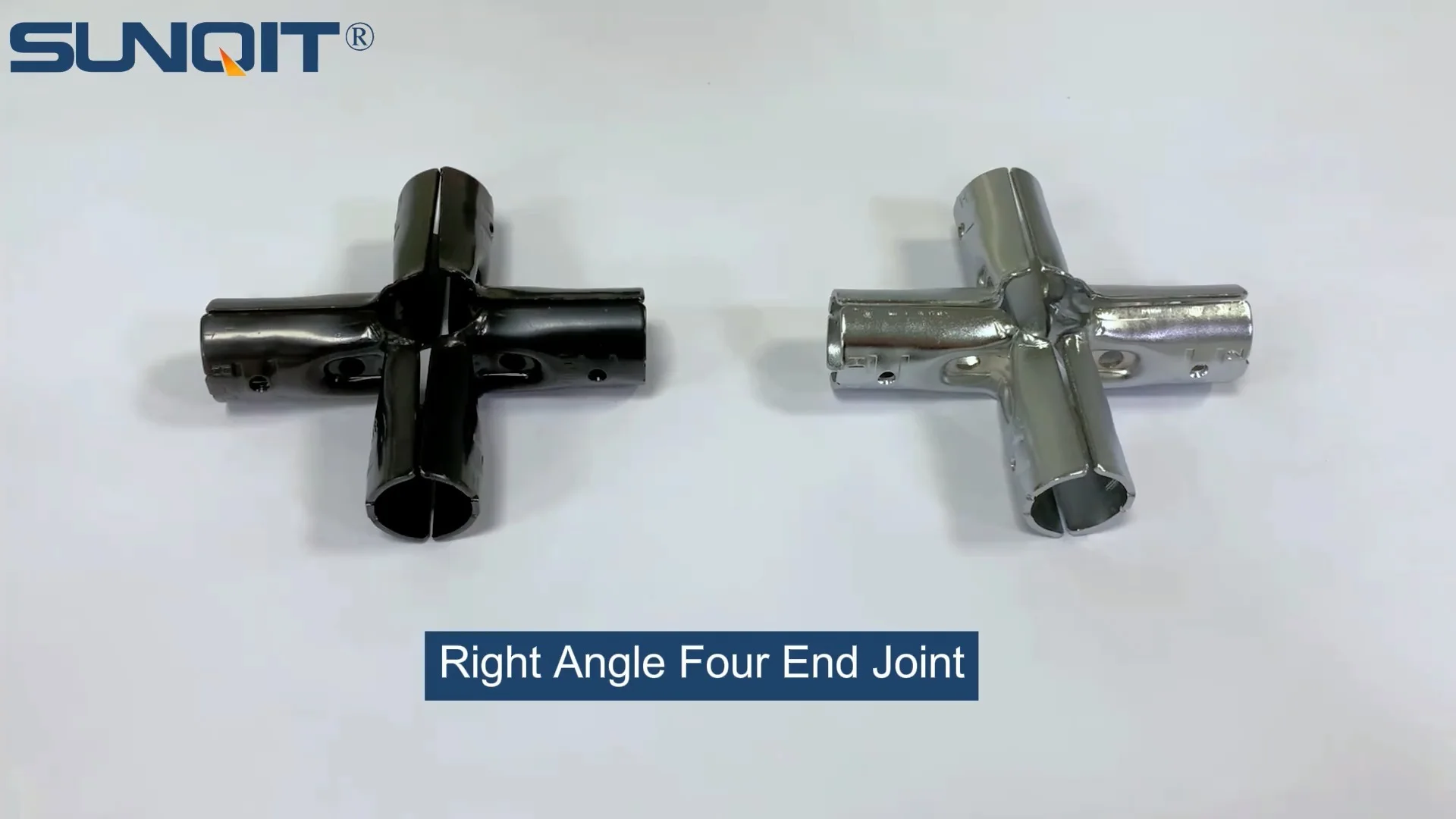
Unlike simpler two-way or three-way joints, five way straight lean pipe joints connect five pipes in a straight, linear arrangement. Think of them as the "crossroads" of your lean system. They're essential for building complex structures—like multi-tiered material racks (ever tried assembling a material rack b with 3 rows and 3 floors? You'll need these joints) or workstations with multiple shelving units. Their ability to distribute weight evenly across five points makes them ideal for heavy-duty applications, ensuring your setup stays stable even when loaded with parts or products.
Now, add a chrome finish to the mix. Chrome plating isn't just for looks (though it does make your system look more professional). It's a protective layer that shields the underlying steel from moisture, chemicals, and daily wear. In a busy workshop, where oil, coolant, and even occasional spills are part of the routine, that chrome layer is your first line of defense against rust and corrosion. A well-maintained chrome joint stays smooth, which means less friction when adjusting pipes, fewer stuck connections, and a longer lifespan for the entire system.
Pro Tip:
Ever noticed a wobbly workbench or a flow rack that doesn't slide smoothly? Nine times out of ten, the culprit is a worn or corroded joint. A quick inspection of your five way straight lean pipe joints can save you from costly downtime later.
Understanding Chrome Finish: More Than Just a Shiny Surface
Before we jump into maintenance, let's get to know the chrome finish itself. Chrome plating (or chromium plating) is an electroplating process where a thin layer of chromium is deposited onto a metal surface—usually steel, in the case of lean pipe joints. This layer is incredibly hard (harder than stainless steel) and has a low coefficient of friction, which is why chrome joints feel so smooth to the touch.
But here's the thing: chrome plating is thin. While it's durable, it's not indestructible. Scratches, dents, or exposure to harsh chemicals can chip or wear away that protective layer, leaving the steel underneath vulnerable. Once the steel is exposed, moisture in the air (or from spills) can cause rust to form. And rust isn't just unsightly—it weakens the joint. A rusted joint might not grip pipes as tightly, leading to loose structures that shake or even collapse under load. That's why caring for the chrome finish isn't just about aesthetics; it's about safety and efficiency.
So, what threats does your chrome joint face daily? Let's list them out:
- Moisture: High humidity, spills from cleaning solutions, or even sweat from workers' hands can leave water spots that eat away at chrome over time.
- Abrasion: Constantly adjusting pipes, dragging tools across joints, or even dust and debris rubbing against the surface can scratch the chrome.
- Chemicals: Oils, lubricants, or cleaning agents with high acidity can corrode the chrome layer if left on too long.
- Neglect: The biggest enemy of any chrome finish? Forgetting to clean it. Dirt and grime build up, trapping moisture and acting as an abrasive every time the joint is moved.

Daily Maintenance: Simple Habits That Keep Chrome Joints Gleaming
You don't need a fancy toolkit or hours of free time to keep your five way straight lean pipe joint chrome in top shape. In fact, most of the maintenance can be done in just a few minutes a day—right alongside your regular workspace cleanup. Let's break it down into easy, actionable steps.
1. Wipe It Down (Yes, Every Day)
Start with the basics: a daily wipe-down. Grab a soft, lint-free cloth (microfiber works best—avoid paper towels, which can scratch) and give each five way straight lean pipe joint a quick once-over. Focus on removing dust, fingerprints, and any visible spills. If there's oil or grease (common in manufacturing settings), dampen the cloth with warm water and a drop of mild dish soap (avoid harsh detergents—they're too alkaline for chrome). Gently rub the affected area, then dry immediately with a clean cloth. Why dry? Because water spots are the first step toward mineral buildup, which can etch into the chrome over time.
Think of this like washing your hands: it's a small habit, but it prevents the spread of "germs" (in this case, corrosion). If your workers are using the lean system throughout the day, make it part of their end-of-shift routine. A quick wipe takes 10 seconds per joint, but it adds up to years of extra life for your system.
2. Check for Tightness (But Don't Overdo It)
Chrome joints are tough, but they're not invincible. Every time you adjust a pipe or load up a workbench, the joints take a little stress. Over time, this can loosen the connection between the joint and the pipe. Once a joint is loose, it wobbles, and that wobbling can scratch the chrome finish as the metal rubs against itself. Worse, a loose joint compromises the stability of the entire structure.
Make it a weekly habit to inspect each five way straight lean pipe joint for tightness. Grab a wrench (adjustable or the size recommended by your lean pipe supplier) and gently snug up the connection. But here's the key: don't overtighten . Chrome plating is thin, and excessive force can crack it, leaving the steel exposed. A good rule of thumb: tighten until you feel resistance, then give it a quarter-turn more. If you hear a "creaking" sound, stop—you're pushing too hard.
3. Keep the Area Around Joints Clean
Dust, metal shavings, and debris love to collect around joints. They act like sandpaper, scratching the chrome every time the joint moves. Plus, they trap moisture, turning a dry workshop into a humid microclimate around your joint. To prevent this, sweep or vacuum the area around your lean pipe structures regularly. Pay special attention to corners and crevices where debris likes to hide—under workbenches, behind flow racks, or between the tiers of a material rack.
For hard-to-reach spots (like the nooks of a five way joint), use a soft-bristled brush (an old toothbrush works!) to dislodge dust. Then wipe with a dry cloth. It's a small step, but it keeps abrasive particles away from your chrome finish.

Deep Cleaning: When Your Chrome Joint Needs a Little Extra Love
Daily wipes and weekly checks are great for prevention, but every now and then, your five way straight lean pipe joint chrome will need a deeper clean. This is especially true if you've noticed mineral deposits (white, chalky spots), light rust, or stubborn grease buildup. Deep cleaning should be done monthly (or more often if your facility is particularly humid or dirty).
Step 1: Gather Your Supplies
You don't need anything fancy here. Grab:
- A bucket of warm water
- Mild dish soap (again, avoid anything with bleach or abrasives)
- Soft sponge or microfiber cloth
- Chrome polish (look for a non-abrasive formula—check the label for "safe for chrome")
- Cotton balls or a soft cloth for applying polish
- A toothbrush (soft-bristled) for tight spaces
Step 2: Clean the Surface
Start by mixing a few drops of dish soap into the warm water. Dip your sponge or cloth into the soapy water and wring it out well—you want it damp, not soaking. Gently scrub the entire surface of the five way straight lean pipe joint, focusing on areas with buildup. For crevices (like where the joint meets the pipe), use the toothbrush to dislodge grime. Rinse the sponge frequently to avoid spreading dirt, and never let soapy water dry on the chrome—wipe it off immediately with a clean, damp cloth.
Step 3: Tackle Mineral Deposits or Light Rust
White, chalky mineral deposits? Mix equal parts white vinegar and water, dampen a cloth, and rub the area gently. The acidity in vinegar dissolves the deposits without harming the chrome. For light surface rust (orange spots), make a paste with baking soda and water (about 3 parts baking soda to 1 part water). Apply the paste with a cloth, rub in small circles, then rinse and dry. Baking soda is a mild abrasive, so it will remove rust without scratching the chrome—just don't scrub too hard!
Step 4: Polish to Protect
Once the joint is clean and dry, apply a thin layer of chrome polish. Use a cotton ball or soft cloth, and rub in small, circular motions. Let the polish sit for 1-2 minutes (check the product instructions), then buff with a clean cloth until it shines. Polish isn't just for looks—it adds a protective barrier that repels water and prevents fingerprints. Think of it like sunscreen for your chrome joint: a little goes a long way in preventing damage.
Warning:
Never use steel wool, scouring pads, or abrasive cleaners (like Comet) on chrome. They'll scratch the finish, leaving permanent marks. Stick to soft cloths and mild cleaners—your joint will thank you.

Troubleshooting Common Chrome Finish Issues
Even with the best maintenance, problems can pop up. Here's how to spot and fix the most common issues with five way straight lean pipe joint chrome:
Problem: Small Rust Spots
Cause: Usually a tiny scratch or chip in the chrome, exposing the steel underneath. Moisture then gets in and causes rust.
Solution: Sand the spot gently with 2000-grit sandpaper (the finest you can find) to remove the rust. Wipe away dust, then apply a thin layer of chrome touch-up paint (available at auto parts stores—look for a match to your joint's finish). Let it dry completely, then polish with chrome polish to blend the area.
Problem: Dull, Cloudy Chrome
Cause: Mineral buildup from hard water or using the wrong cleaner (like ammonia-based products).
Solution: Soak a cloth in undiluted white vinegar and lay it over the cloudy area for 5 minutes. Wipe clean, then polish with chrome polish. For stubborn cloudiness, repeat the process.
Problem: Peeling Chrome
Cause: Severe impact (like dropping a heavy object on the joint) or manufacturing defects (rare, but possible if you bought from an unreliable lean pipe supplier).
Solution: If the peeling is small (less than a quarter-sized spot), sand the edges to smooth them, then touch up with chrome paint. If it's large, replace the joint. A peeling finish will only get worse, and the exposed steel will rust quickly.
Comparing Finishes: Chrome vs. Stainless Steel vs. Aluminum
You might be wondering: Is chrome the best finish for my lean pipe joints? It depends on your environment. Let's compare it to two other common options: stainless steel (from the stainless steel pipe series) and aluminum (like aluminum lean pipe joints). The table below breaks down maintenance needs, durability, and best uses to help you decide.
| Finish Type | Maintenance Frequency | Common Issues | Best For | Cost (Relative) |
|---|---|---|---|---|
| Five Way Straight Lean Pipe Joint Chrome | Weekly wipe-down, monthly deep clean | Rust (if scratched), cloudiness from minerals | Indoor, dry to moderately humid environments; heavy loads | Moderate |
| Stainless Steel Pipe Series | Bi-weekly wipe-down, quarterly deep clean | Water spots, but highly rust-resistant | Wet environments (e.g., food processing, washdown areas) | Higher |
| Aluminum Lean Pipe Joints | Weekly wipe-down, monthly aluminum cleaner | Oxidation (white, powdery layer) | Light to medium loads; corrosive environments (e.g., chemical plants) | Low to moderate |
For most general manufacturing settings, chrome finish joints strike the best balance of durability, cost, and maintenance. They're tough enough for daily use, resist corrosion in dry to moderately humid environments, and their shiny finish makes it easy to spot dirt or damage. If you're in a wet or highly corrosive environment, stainless steel might be worth the extra cost. But for the average facility, a well-maintained five way straight lean pipe joint chrome will outperform the rest.
Long-Term Care: Building a Maintenance Routine That Sticks
Maintenance isn't a one-time task—it's a habit. To ensure your five way straight lean pipe joints (and the rest of your lean pipe and accessories) stay in top shape, build a routine that's easy to follow. Here's how:
Create a Checklist
Write down daily, weekly, and monthly tasks (we've outlined them above) and post it near your lean pipe system. Assign responsibility to a team member (or rotate the duty) so everyone knows who's in charge. A simple checklist prevents "I thought someone else did it" moments.
Train Your Team
Your workers are the first to notice when a joint is loose or rusty. Train them to spot issues and report them. A 10-minute demo on how to wipe down a joint or check tightness can turn your entire team into maintenance allies.
Keep Supplies Handy
Store microfiber cloths, mild soap, chrome polish, and a wrench near your lean system. If supplies are easy to access, people are more likely to use them. Think of it like keeping a first-aid kit in the office—you hope you won't need it, but it's there when you do.
Work With a Reliable Supplier
A good lean pipe supplier doesn't just sell you parts—they provide guidance. Ask your supplier for maintenance tips specific to their five way straight lean pipe joint chrome. They might have insights on common issues with their products or recommend cleaners that work best with their plating process. Plus, if you do need replacement joints, a reliable supplier will have them in stock, so you're not stuck with a broken system while waiting for parts.
Conclusion: Maintenance as an Investment, Not a Cost
At the end of the day, caring for your five way straight lean pipe joint chrome isn't just about keeping things shiny. It's about protecting your investment in efficiency. A rusted, loose joint can slow down production, compromise safety, and force you to replace parts (or entire systems) sooner than necessary. By spending a few minutes each day wiping, checking, and cleaning, you're ensuring your lean pipe system continues to do what it does best: eliminate waste and keep your workflow smooth.
Think of it this way: Lean manufacturing is about continuous improvement. Your maintenance routine should be too. Start small—focus on one joint, then expand to your entire system. Before long, it'll become second nature, and you'll wonder how you ever managed without it. After all, in lean, every detail counts—and that includes the little chrome joint holding it all together.