Chrome Finish Parallel Lean Pipe Joints: Aesthetic & Functional Benefits
Related Product
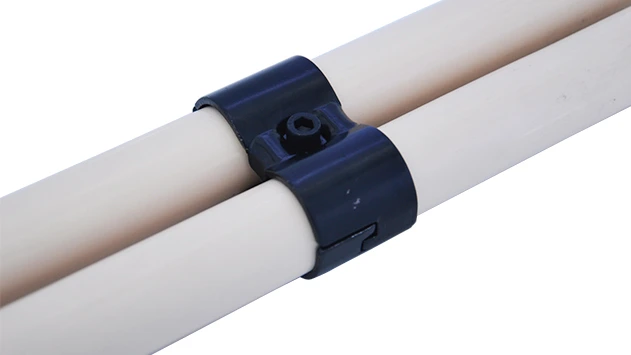
Parallel Lean Pipe Joint
Parallel lean pipe joint used for 2 pcs 28MM lean pipe connection in parallel direction to enhance frame structure, usually for heavy payload requirement for workbench. flow rack, hand trolley.
Parallel Lean Pipe Joint

Walk into any modern manufacturing facility, and you'll likely hear the hum of machinery, the clink of tools, and the steady rhythm of production. But if you look closer—past the assembly lines and bustling workers—you'll notice something quieter, yet infinitely crucial: the framework that holds it all together. Lean pipe systems, with their modular pipes and joints, are the unsung backbone of efficient production floors. And among these components, one stands out for blending form and function seamlessly: the chrome finish parallel lean pipe joint. These small, unassuming connectors do more than just hold pipes together; they're the reason lean systems stay sturdy, flexible, and even visually cohesive. In this article, we'll dive into why these joints matter, how their chrome finish elevates both performance and aesthetics, and why they've become a go-to choice for manufacturers aiming to streamline operations without sacrificing style.

What Are Lean Pipe Systems, Anyway?

Before we zoom in on the joints, let's step back and understand the bigger picture: lean pipe systems. Born from the principles of lean manufacturing—think efficiency, waste reduction, and continuous improvement—these systems are modular frameworks built from pipes, joints, and accessories. They're used to create everything from workbenches and material racks to conveyors and turnover trolleys. What makes them special? Unlike fixed, one-size-fits-all structures, lean pipe systems are adaptable . Need to reconfigure a workbench for a new product line? Swap out a few pipes and joints. Expand a flow rack to handle more inventory? Add extra sections. This flexibility is why they're a staple in industries from automotive to electronics.

At their core, lean pipe systems rely on two key components: the pipes (often steel or aluminum) and the joints that connect them. Pipes provide the structure, but joints are the "glue" that determines how strong, stable, and versatile the system can be. And when it comes to stability—especially for parallel pipe setups—parallel lean pipe joints are in a league of their own.

The Role of Parallel Lean Pipe Joints in Lean Systems

Not all joints are created equal. In lean systems, you'll find fixed joints, rotating joints, and—you guessed it—parallel joints. Parallel lean pipe joints are designed to connect two or more pipes in a straight, side-by-side alignment. Imagine building a workbench: the horizontal supports under the tabletop need to run parallel to each other to evenly distribute weight and prevent sagging. A parallel joint ensures those pipes stay perfectly aligned, no matter how much weight is placed on top.

But their role goes beyond alignment. Parallel joints also enhance the load capacity of a structure. By distributing weight across multiple parallel pipes, they reduce stress on individual components, making the entire system sturdier. This is critical in high-demand environments, like assembly lines where workbenches might hold heavy tools or stacks of materials. And because they're modular, these joints make it easy to adjust pipe spacing—so whether you need a narrow shelf or a wide conveyor track, parallel joints have you covered.

Chrome Finish: More Than Just Shiny—The Functional Perks

Now, let's talk about the star feature: the chrome finish. At first glance, chrome might seem like a purely aesthetic choice—after all, that mirror-like shine does make a manufacturing floor look more polished. But there's far more to it than meets the eye. Chrome plating is a process where a thin layer of chromium is applied to the joint's surface, and this layer brings a host of functional benefits:

  • Corrosion Resistance: Manufacturing floors are messy places. Oils, coolants, and even humidity can take a toll on metal components. Chrome acts as a barrier, preventing rust and corrosion from weakening the joint over time. This is a huge upgrade over bare steel joints, which can start to rust within months in damp environments.
  • Scratch & Wear Resistance: Pipes are moved, adjusted, and bumped during installation and daily use. Chrome's hard surface stands up to scratches and abrasion, keeping joints looking new and functioning smoothly longer. Compare this to painted joints, which can chip or fade with regular handling.
  • Easy to Clean: Grease, dust, and debris? Wipe them off with a damp cloth. Chrome's non-porous surface doesn't trap grime, making maintenance a breeze. This is a big plus for cleanrooms or facilities with strict hygiene standards, like pharmaceutical or food packaging plants.

Put simply, chrome finish parallel lean pipe joints aren't just durable—they're low-maintenance durable. For busy manufacturers, that translates to less downtime spent replacing corroded joints and more time focused on production.

Aesthetics: Why "Looking Good" Matters in Manufacturing

Okay, so chrome joints are tough—but why does their appearance matter? Isn't manufacturing all about function over form? Think again. A well-organized, visually cohesive production floor has real benefits. For one, it boosts morale. Workers in clean, tidy environments report higher job satisfaction and lower stress levels. Chrome's sleek, uniform shine adds a professional touch, making the space feel intentional and well-maintained.

Then there's the "first impression" factor. Clients, auditors, or potential investors visiting the facility will notice the little details—and a system with shiny, consistent joints signals that the company cares about quality, even in its infrastructure. This can build trust and credibility, which is never a bad thing.

And let's not forget branding. Many manufacturers use color-coded systems to organize workflows (e.g., red for raw materials, blue for finished goods). Chrome joints complement any color scheme, providing a neutral, polished backdrop that lets the pipes' colors (often yellow, white, or gray) stand out without clashing. It's a small detail, but it makes the entire system look intentional and well-designed.

Real-World Applications: Where Chrome Parallel Joints Shine Brightest

Chrome finish parallel lean pipe joints aren't just theoretical—they're hard at work in factories around the world. Let's look at a few common applications where they truly excel:

Lean Pipe Workbenches

Assembly line workbenches are the heart of many production processes, and they need to be rock-solid. Chrome parallel joints are often used to connect the horizontal support pipes under the workbench top, ensuring the surface doesn't wobble when workers apply pressure (say, tightening bolts or assembling parts). The corrosion resistance is a bonus here, as workbenches are prone to spills from tools or cleaning supplies.

Flow Racks & Roller Tracks

Flow racks use gravity to move materials from the back to the front, and they rely on parallel pipes to keep the roller track aligned. Chrome parallel joints ensure the pipes stay evenly spaced, so rollers spin smoothly and materials glide without jamming. In high-throughput facilities (like distribution centers), this reliability is critical to avoiding bottlenecks.

Turnover Trolleys

Trolleys are moved constantly, so their frames take a beating. Chrome joints stand up to the bumps and vibrations of daily use, while their easy-to-clean surface resists the scuffs and stains that come with transporting parts across the factory floor.

How Do Chrome Parallel Joints Compare to Other Options?

Chrome parallel joints aren't the only game in town. Aluminum and stainless steel joints are also popular, but each has its pros and cons. Let's break down the differences in a quick comparison:

Joint Type Aesthetic Appeal Corrosion Resistance Load Capacity Cost Best For
Chrome Finish Parallel Lean Pipe Joint High (sleek, uniform shine) Excellent (resists rust, oils) High (supports heavy parallel pipes) Moderate (more than aluminum, less than stainless steel) General manufacturing, workbenches, flow racks
Aluminum Joint Modern (matte or anodized finish) Good (resists corrosion, but less than chrome) Moderate (lighter than steel) Low to Moderate Light-duty systems, cleanrooms (non-magnetic)
Stainless Steel Joint Industrial (matte silver) Superior (ideal for harsh chemicals) Very High High Food processing, marine, extreme environments

As the table shows, chrome parallel joints strike a balance between cost, performance, and aesthetics. They're not the cheapest option, but they offer the best all-around value for most manufacturing settings.

Tips for Installing & Maintaining Chrome Parallel Joints

To get the most out of your chrome finish parallel lean pipe joints, a little care during installation and maintenance goes a long way:

Installation Do's and Don'ts

  • Do align pipes carefully: Parallel joints only work if the pipes are straight and evenly spaced. Use a level to check alignment before tightening the joint—this prevents stress on the joint and ensures even weight distribution.
  • Don't over-tighten: Chrome joints are designed to grip pipes securely with moderate torque. Over-tightening can strip the threads or warp the joint, weakening it over time.
  • Do use compatible pipes: Chrome parallel joints are typically designed for specific pipe diameters (e.g., 28mm or 30mm). Using the wrong size pipe can lead to loose connections or damaged joints.

Maintenance Made Simple

  • Clean regularly: Wipe joints with a soft cloth and mild detergent to remove grease or dust. Avoid abrasive cleaners, which can scratch the chrome.
  • Inspect for looseness: Check joints monthly for signs of wear or loose connections. Tighten gently if needed—this prevents pipes from shifting and reduces stress on the joint.
  • Lubricate moving parts (if applicable): Some parallel joints have rotating components. A drop of light machine oil on the pivot points keeps them moving smoothly.

The Future of Lean Pipe Joints: What's Next?

As manufacturing evolves, so do the tools that power it. Chrome finish parallel lean pipe joints are no exception. Here are a few trends shaping their future:

  • Eco-Friendly Finishes: Manufacturers are exploring chrome plating processes that use less energy and fewer harmful chemicals, making chrome joints more sustainable without losing their performance benefits.
  • Smart Joints: Imagine joints with built-in sensors that alert maintenance teams when they're loose or under too much stress. While still in early stages, IoT-enabled joints could revolutionize predictive maintenance in lean systems.
  • Hybrid Materials: Combining chrome with other materials (like reinforced plastics) could create joints that are lighter, stronger, and even more corrosion-resistant. This is especially promising for industries like aerospace, where weight is critical.

Even with these innovations, the core appeal of chrome finish parallel lean pipe joints—their blend of strength, style, and simplicity—will likely remain unchanged. They're a testament to the idea that in manufacturing, the smallest components can make the biggest difference.

Wrapping Up: Why Chrome Finish Parallel Lean Pipe Joints Are Worth the Investment

At the end of the day, chrome finish parallel lean pipe joints are more than just connectors—they're an investment in efficiency, durability, and even workplace morale. They keep lean systems stable and flexible, stand up to the chaos of manufacturing floors, and add a touch of professionalism to any production space. Whether you're building a new workbench, expanding a flow rack, or revamping an entire production line, these joints deliver the kind of reliability that makes a real difference in daily operations.

So the next time you walk through a manufacturing facility, take a second look at those shiny, unassuming joints holding everything together. They might be small, but they're working hard to keep the world of lean manufacturing moving forward—one parallel pipe at a time.


Get In Touch with us

Hey there! Your message matters! It'll go straight into our CRM system. Expect a one-on-one reply from our CS within 7×24 hours. We value your feedback. Fill in the box and share your thoughts!