- Company Articles
- Products and Technology
- Product knowledge
- Chrome-Plated Parallel Lean Pipe Joints: Compatibility with Lean Tubes

Chrome-Plated Parallel Lean Pipe Joints: Compatibility with Lean Tubes
Related Product
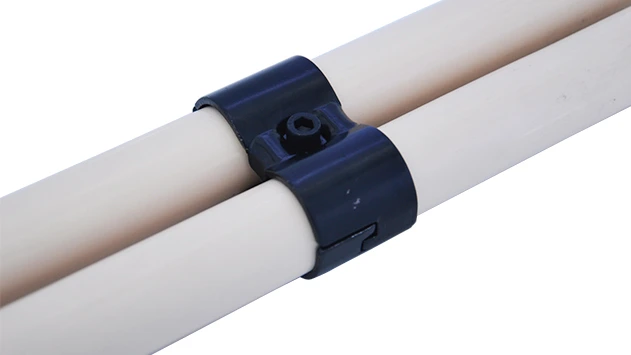
Parallel Lean Pipe Joint
Parallel lean pipe joint used for 2 pcs 28MM lean pipe connection in parallel direction to enhance frame structure, usually for heavy payload requirement for workbench. flow rack, hand trolley.
The Backbone of Modern Manufacturing – Lean Systems and the Role of Joints
Walk into any modern factory, warehouse, or assembly line today, and you'll likely notice a common theme: flexibility. Production needs shift overnight, product lines change seasonally, and workspace layouts must adapt without draining budgets or halting operations. This is where lean systems shine – they're the unsung architects of agile manufacturing, designed to minimize waste, maximize efficiency, and keep up with the ever-evolving demands of the industry. At the heart of these systems lie two critical components: lean tubes and the joints that hold them together. While lean tubes get much of the attention for their versatility, it's the joints that truly unlock their potential. And among the many types of joints available, chrome-plated parallel lean pipe joints stand out as a reliable, durable choice for creating sturdy, adaptable structures. In this article, we'll dive deep into what makes these joints special, how they interact with different lean tubes, and why they've become a go-to for manufacturers worldwide.
Understanding Lean Tubes: The Building Blocks of Flexible Workspaces
Before we get to the joints, let's take a moment to appreciate the foundation they connect: lean tubes. Also known as "lean pipes" or "kitchen pipes" (a nod to their early use in Japanese factories, where they resembled plumbing pipes), these simple cylindrical tubes are the building blocks of lean manufacturing systems. They're typically made from steel, aluminum, or stainless steel, often coated with a layer of plastic (like PE) for added durability and protection against scratches or corrosion.
Lean tubes come in various diameters – common sizes range from 28mm to 40mm – and their length can be cut to fit specific needs, making them incredibly customizable. What makes them so valuable? Their ability to be combined with joints, brackets, and accessories to create almost any structure imaginable: workbenches, flow racks, conveyor systems, turnover trolleys, and more. Unlike fixed metal shelves or rigid workstations, lean tube structures can be disassembled, reconfigured, or expanded in minutes, without the need for welding or specialized tools. This flexibility is why they're a cornerstone of lean manufacturing principles – they eliminate the waste of fixed infrastructure and allow teams to adapt on the fly.

The Unsung Heroes: Lean Pipe Joints and Their Critical Role
If lean tubes are the "bones" of a lean system, then lean pipe joints are the "joints" – the connective tissue that holds everything together. Without reliable joints, even the strongest lean tubes would fail to create stable, functional structures. Joints determine how tubes connect, how much weight a structure can bear, and how easily it can be adjusted. They come in dozens of designs, each tailored to specific needs: T-joints for branching structures, corner joints for 90-degree angles, swivel joints for adjustable components, and parallel joints for creating straight, parallel runs of tubes – which is where our focus lies today.
Parallel lean pipe joints are designed to connect two or more lean tubes in a straight, parallel alignment. This might sound simple, but in practice, it's a critical function. Think about a workbench: the legs need to be parallel to support the tabletop evenly; a flow rack's side rails must run parallel to ensure materials glide smoothly along roller tracks. Misaligned parallel tubes can lead to wobbly structures, uneven weight distribution, and even safety hazards. That's why choosing the right parallel joint is so important – and why chrome-plated versions have become a favorite among manufacturers.

Chrome-Plated Parallel Lean Pipe Joints: Design, Material, and Functionality
Chrome-plated parallel lean pipe joints are more than just metal connectors – they're engineered for performance. Let's break down what makes them unique.
First, the design: these joints typically feature a cylindrical or rectangular body with two or more openings (or "ports") that align with the diameter of lean tubes. The ports are precision-machined to ensure a snug fit, with internal threads or clamping mechanisms that secure the tubes in place. Unlike some plastic or unplated metal joints, chrome-plated parallel joints often include reinforcement ribs or thicker walls to handle heavier loads.
Then there's the chrome plating. Chrome isn't just for aesthetics (though it does give the joints a sleek, professional look). Chrome plating adds a hard, corrosion-resistant layer to the underlying metal (usually steel), protecting against rust, scratches, and wear from repeated assembly and disassembly. In manufacturing environments where moisture, oils, or chemicals are present, this corrosion resistance is a game-changer – it extends the joint's lifespan and ensures the structure remains stable over time. Chrome also reduces friction, making it easier to adjust or reposition tubes when reconfiguring a workspace.
Functionality-wise, these joints excel at creating stable, parallel connections. Many models include set screws or levers that allow for tool-free adjustments – a huge plus for teams that need to reconfigure structures quickly. For example, a production supervisor noticing that a flow rack is too narrow for a new batch of materials can loosen the set screws on the parallel joints, slide the tubes apart to widen the rack, and tighten them back up – all in a matter of minutes, without stopping the line.
Compatibility 101: How Chrome-Plated Parallel Joints Work with Different Lean Tubes
Now, the million-dollar question: how well do chrome-plated parallel lean pipe joints work with different types of lean tubes? Compatibility depends on several factors: the tube's material, diameter, wall thickness, and coating. Let's explore the most common lean tube materials and how they pair with these joints.
| Lean Tube Material | Common Diameters | Compatibility with Chrome-Plated Parallel Joints | Typical Load Capacity (per Joint) | Key Considerations |
|---|---|---|---|---|
| Steel (PE-Coated) | 28mm, 30mm, 40mm | Excellent | 150-250 kg | PE coating adds grip; ensure joint ports match tube diameter (e.g., 28mm joint for 28mm tube). Chrome resists wear from PE friction. |
| Aluminum | 20mm, 30mm, 40mm | Very Good | 100-200 kg | Aluminum is lightweight; joint clamping force should be adjusted to avoid crushing tubes. Chrome plating prevents galvanic corrosion between steel joint and aluminum tube. |
| Stainless Steel | 25mm, 32mm, 40mm | Good | 200-300 kg | Stainless steel is strong but can be slippery; use joints with textured or rubberized internal grips for added stability. Chrome and stainless steel are both corrosion-resistant, making this a durable pairing. |
Let's dig deeper into each material pairing.
Steel (PE-Coated) Lean Tubes:
PE-coated steel tubes are the most common type in lean systems, thanks to their affordability and durability. The plastic coating provides a slight cushion, which actually helps the chrome-plated parallel joint grip the tube more securely. Most chrome-plated parallel joints are designed with steel tubes in mind, so you'll find a wide range of diameter options (28mm, 30mm, 40mm) to match standard PE-coated tubes. The chrome plating holds up well against the PE coating, even with frequent adjustments – no chipping or peeling, which is crucial for maintaining a tight connection over time.
Aluminum Lean Tubes:
Aluminum tubes are growing in popularity for their lightweight design, which makes structures easier to move and reconfigure. However, aluminum is softer than steel, so joint compatibility requires a bit more care. Chrome-plated parallel joints work well with aluminum tubes, but it's important to choose joints with adjustable clamping mechanisms (like set screws with rubber tips) to avoid denting or crushing the aluminum. The chrome plating also plays a role here: since aluminum and steel (the base material of the joint) can react chemically in humid environments (a process called galvanic corrosion), the chrome layer acts as a barrier, preventing this reaction and extending the life of both the joint and the tube.
Stainless Steel Lean Tubes:
Stainless steel tubes are ideal for cleanrooms, food processing facilities, or environments with high moisture, thanks to their natural corrosion resistance. They pair well with chrome-plated parallel joints, but there's a catch: stainless steel is smooth, which can reduce friction between the tube and the joint. To combat this, look for joints with serrated or textured internal surfaces, or use locking set screws to ensure a secure grip. The combined corrosion resistance of stainless steel tubes and chrome-plated joints makes this pairing perfect for long-term, low-maintenance structures.
Installation Insights: Tips for Seamless Integration
Even the most compatible joint and tube can fail if installed incorrectly. Here are some practical tips to ensure your chrome-plated parallel lean pipe joints and lean tubes work together flawlessly:
1. Match Diameters Precisely:
This might seem obvious, but it's worth repeating: a 28mm joint won't work with a 30mm tube. Always check the tube's outer diameter and the joint's port size before installation. Most manufacturers label joints with their compatible tube sizes (e.g., "28mm Parallel Joint"), so double-check the packaging or spec sheet.
2. Clean Tubes and Joints First:
Dirt, grease, or debris on the tube's surface can prevent the joint from gripping properly. Wipe down both the tube and the joint's ports with a clean cloth before assembly. For PE-coated tubes, avoid using harsh chemicals that might damage the coating.
3. Don't Over-Tighten:
Chrome-plated joints are strong, but over-tightening set screws can strip threads, damage the tube (especially aluminum), or even crack the joint. Tighten until the tube feels secure – you should be able to wiggle it slightly, but not enough to cause the structure to wobble.
4. Use Reinforcements for Heavy Loads:
If you're building a structure that will bear significant weight (like a material rack with multiple shelves), consider adding extra parallel joints or using heavier-duty models. For example, a standard parallel joint might handle 150kg, but a reinforced chrome-plated version could manage 250kg or more.
5. Test for Parallelism:
After installing parallel joints, use a level or straightedge to ensure the tubes are aligned. A quick check now can save you from rebuilding a wobbly structure later.
Real-World Applications: From Workbenches to Flow Racks
To truly understand the value of chrome-plated parallel lean pipe joints, let's look at some real-world applications where they shine:
Workbenches:
A standard workbench might have four vertical legs connected by horizontal rails (parallel to each other) to add stability. Chrome-plated parallel joints ensure these rails are perfectly aligned, so the bench doesn't rock and can support tools, parts, and assembly materials without sagging. For example, the "Workbench E (Single Deck – Without Caster)" often uses parallel joints to connect the side rails, ensuring the deck sits level and secure.
Flow Racks:
Flow racks use gravity to move materials from the back to the front, thanks to slightly inclined roller tracks. The side rails of the rack must run parallel to keep the tracks aligned – if they're off even by a few degrees, materials might get stuck or slide unevenly. Chrome-plated parallel joints keep these rails straight, ensuring smooth material flow. A "Material Rack B (3 Row and 3 Floor)" relies on multiple parallel joints to maintain alignment across its three levels.
Turnover Trolleys:
Trolleys used to transport parts between workstations need sturdy, parallel frame rails to support heavy loads and ensure stability during movement. Chrome-plated parallel joints connect the trolley's side rails and crossbars, creating a rigid frame that can handle bumps and turns without bending.
Conveyor Systems:
Conveyors often use parallel tubes to support roller tracks or belt systems. Misaligned tubes can cause belts to slip or rollers to jam. Chrome-plated parallel joints keep the support tubes in sync, ensuring the conveyor runs smoothly and efficiently.
Troubleshooting Compatibility Issues: Ensuring a Perfect Fit
Even with careful planning, you might run into compatibility issues. Here are some common problems and how to solve them:
Issue: The joint is loose on the tube.
Solution:
Check if the tube diameter matches the joint. If it does, the tube might have a thin wall or a worn PE coating. Try wrapping a small strip of rubber (like a bicycle inner tube) around the tube before inserting it into the joint for extra grip, or switch to a joint with a clamping mechanism instead of set screws.
Issue: The joint won't align parallel tubes.
Solution:
The joint's ports might be misaligned (a rare but possible manufacturing defect). Try rotating the joint 180 degrees or using a different joint. If multiple joints have this issue, check if the tubes are bent – even a slight bend can throw off alignment.
Issue: The joint is corroding despite being chrome-plated.
Solution:
Corrosion could mean the chrome plating was damaged during installation (e.g., a scratch exposing the underlying steel). Sand the affected area lightly, apply a rust-resistant primer, and touch up with chrome paint. For severe corrosion, replace the joint – it's better to invest in a new joint than risk a structural failure.
Issue: Aluminum tubes are denting when using the joint.
Solution:
Aluminum is softer than steel, so over-tightening is likely the culprit. Loosen the set screws and use a torque wrench to tighten them to the manufacturer's recommended setting (usually around 5-8 Nm for aluminum tubes). You can also add a plastic washer between the set screw and the tube to distribute pressure.
Why Chrome-Plated Parallel Lean Pipe Joints Stand Out: Durability, Flexibility, and Cost-Effectiveness
In a market flooded with lean pipe accessories, why should you choose chrome-plated parallel joints? Let's wrap up with three key reasons:
1. Durability That Lasts:
Chrome plating isn't just a surface treatment – it's a protective barrier that extends the joint's life. In busy manufacturing environments, where joints are assembled, disassembled, and adjusted regularly, this durability translates to fewer replacements and lower long-term costs. A well-maintained chrome-plated joint can last for years, even in harsh conditions.
2. Flexibility to Adapt:
Lean manufacturing is all about adaptability, and these joints deliver. Their tool-free adjustment (on many models) and compatibility with multiple tube materials mean you can reconfigure structures as needed without buying new components. Whether you're expanding a workbench, narrowing a flow rack, or repurposing a trolley, chrome-plated parallel joints make it easy.
3. Cost-Effective in the Long Run:
While chrome-plated joints might cost slightly more upfront than plastic or unplated metal versions, their durability and compatibility save money over time. You won't need to replace them as often, and they work with existing lean tubes (steel, aluminum, stainless steel), so you don't have to invest in a whole new system. It's a smart, forward-thinking investment in your facility's flexibility.
Conclusion: Investing in the Right Joints for a Lean, Efficient Future
Chrome-plated parallel lean pipe joints might not be the most glamorous part of a lean system, but they're undeniably critical. They bridge the gap between lean tubes and functional, flexible structures, ensuring your workspace can adapt, grow, and thrive in today's fast-paced manufacturing landscape. By understanding their design, compatibility with different lean tube materials, and best practices for installation, you can build structures that are not only strong and stable but also ready to evolve with your business.
So the next time you walk through your facility, take a moment to appreciate the joints holding your workbenches, racks, and trolleys together. Chances are, the chrome-plated parallel ones are hard at work – quietly, reliably, and efficiently – keeping your operations lean and your future bright.