- Company Articles
- Products and Technology
- Product knowledge
- Chrome-Plated Two Way Lean Pipe Joints for Outdoor Use: Weather Resistance

Chrome-Plated Two Way Lean Pipe Joints for Outdoor Use: Weather Resistance
Related Product
Two Way Lean Pipe Joint
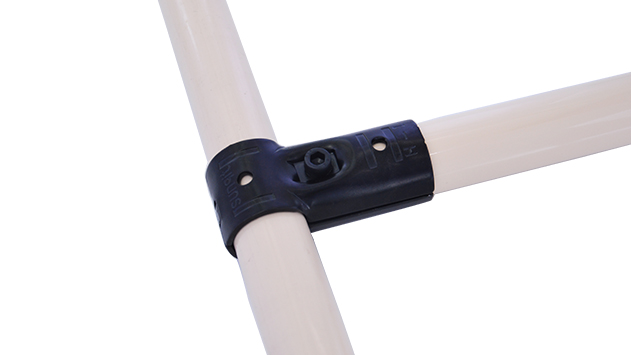
Two way lean pipe joint for 2 pcs 28MM lean pipe connection in straight angle, which used widely in workbench, flow rack, hand trolley frame connection.
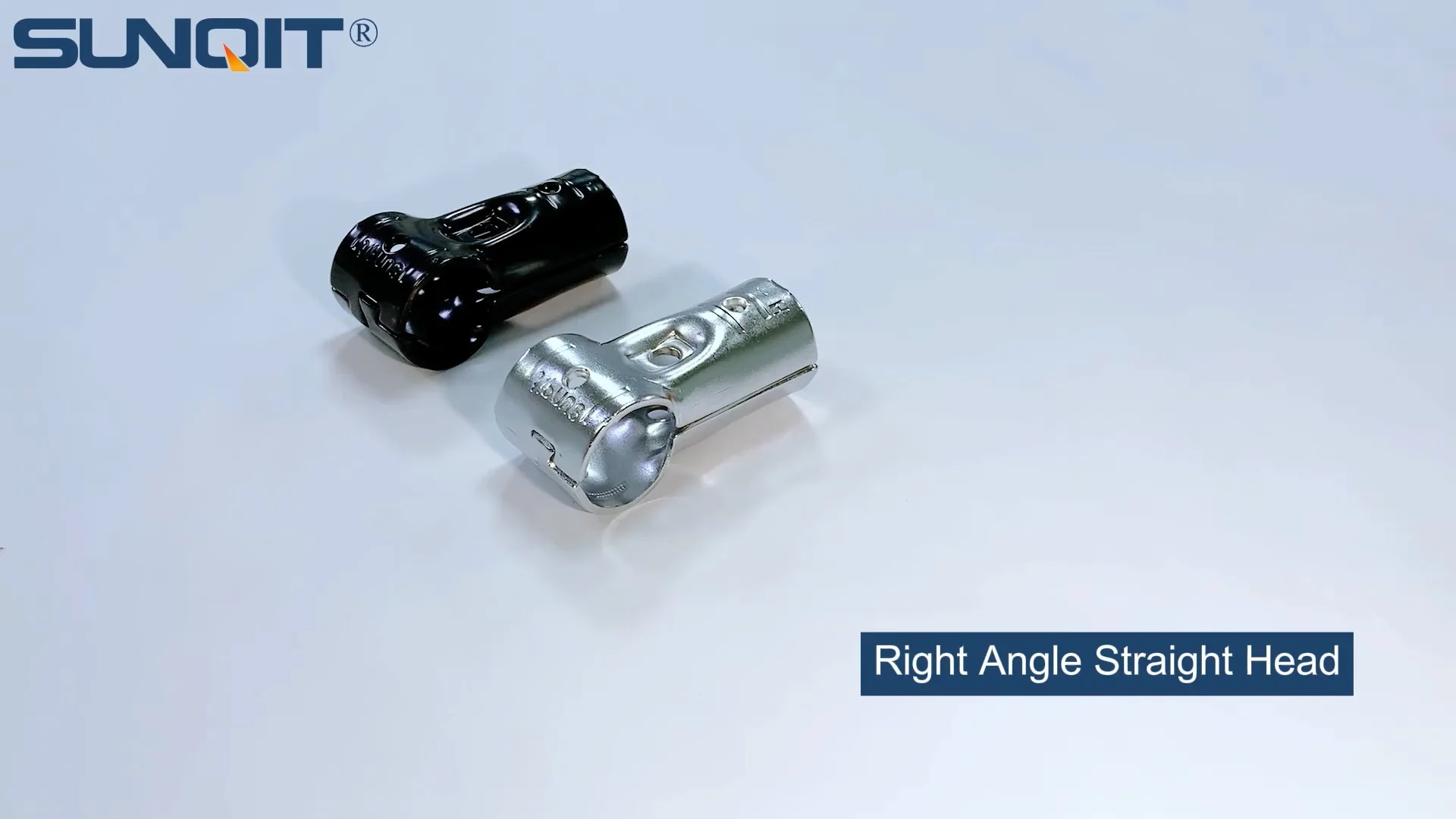
Outdoor industrial environments are unforgiving. From scorching sun and heavy rain to freezing temperatures and coastal salt spray, the elements wage a constant battle against the structures that keep operations running—material racks, workbenches, assembly lines, and temporary storage setups. For years, managers and engineers have grappled with a common frustration: traditional metal joints rust, loosen, or degrade, leading to frequent replacements, downtime, and safety risks. But what if there was a component designed to stand up to these challenges while keeping lean principles—efficiency, flexibility, and durability—at its core? Enter chrome-plated two way lean pipe joints. These unassuming yet robust connectors are redefining how we build and maintain outdoor industrial structures, offering a blend of weather resistance, adaptability, and cost-effectiveness that's hard to match. In this article, we'll dive deep into why these joints are becoming a staple in outdoor lean systems, how their design combats the elements, and how they integrate seamlessly with the tools and goals of modern manufacturing and warehousing.
The Hidden Cost of Weak Joints in Outdoor Setups
Walk through any outdoor industrial site, and you'll likely spot the telltale signs of joint failure: a rusted material rack listing to one side, a workbench with wobbly legs, or a flow rack where rollers jam because the supporting frame has warped. These aren't just cosmetic issues—they're productivity killers. Loose or corroded joints force teams to slow down, redirect labor to repairs, or even halt operations entirely to replace compromised structures. Over time, the cumulative cost of replacements, downtime, and lost efficiency can add up to tens of thousands of dollars annually for a mid-sized facility.
Consider a warehouse in a coastal city, where salt-laden air accelerates metal corrosion. A standard steel lean pipe joint might last six months outdoors before showing signs of rust; within a year, it could be too weak to support heavy loads. Replacing these joints every few months isn't just expensive—it disrupts the flow of work. Employees who could be focused on picking orders or assembling products are instead tasked with disassembling and rebuilding racks, wasting valuable time. Worse, a sudden joint failure could lead to damaged inventory or, worse, workplace injuries.
This is where the chrome-plated two way lean pipe joint shines. Unlike generic metal connectors, these joints are engineered with outdoor resilience in mind. Their design addresses the specific challenges of open-air environments, from moisture and UV radiation to temperature swings and chemical exposure. But to truly appreciate their value, let's first break down what makes a lean pipe joint essential to begin with—and why the "chrome-plated two way" variant is a game-changer.
What Are Chrome-Plated Two Way Lean Pipe Joints?
At their core, lean pipe joints are the "building blocks" of modular industrial structures. They connect lean pipes (hollow metal tubes) at various angles, allowing teams to construct everything from simple workbenches to complex material handling systems without welding or specialized tools. The "two way" designation means these joints are designed to connect two pipes—typically at 90-degree angles, though some models offer adjustable rotation for custom configurations. This simplicity is key to their popularity: they're easy to assemble, disassemble, and reconfigure, aligning perfectly with lean manufacturing principles that prioritize flexibility and waste reduction.
But what sets chrome-plated variants apart is their protective coating. Chrome plating involves electroplating a thin layer of chromium onto the surface of a steel or iron joint. This process isn't just for aesthetics (though the shiny, silver finish is a nice bonus). Chromium is naturally resistant to corrosion, and when bonded to the base metal, it forms a hard, impermeable barrier that repels moisture, oxygen, and other corrosive agents. For outdoor use, this barrier is nothing short of critical.
Let's break down the anatomy of a typical chrome-plated two way lean pipe joint:
•
Core Material:
Usually low-carbon steel, chosen for its strength and affordability.
•
Chrome Plating:
A 5-10 micrometer thick layer of chromium, applied via electroplating to ensure uniform coverage, even in crevices where moisture might collect.
•
Threaded insert:
A reinforced, corrosion-resistant nut or bolt mechanism that tightens around the lean pipe, creating a secure grip without damaging the tube.
•
Smooth Edges:
Deburred and polished to prevent snags, cuts, or paint chipping during handling and assembly.
The result? A joint that's not only strong enough to support heavy loads (up to 500kg in some configurations) but also tough enough to withstand the harshest outdoor conditions. Now, let's explore how this design holds up against nature's worst.
Weather Resistance: How Chrome Plating Defeats the Elements
Outdoor structures face a "quadruple threat" of environmental stressors: moisture, UV radiation, temperature extremes, and chemical exposure. Chrome-plated two way lean pipe joints are engineered to counter each of these, ensuring long-term performance where unplated steel or even some stainless steel components might fail.
1. Moisture and Corrosion: The Silent Enemy
Rust—caused by the reaction of iron, oxygen, and moisture—is the arch-nemesis of metal joints. In outdoor settings, rain, dew, and high humidity create the perfect storm for corrosion. Unplated steel joints start showing rust within weeks in damp climates, weakening their structural integrity and making them prone to seizing up (a nightmare when you need to reconfigure a rack or disassemble a setup).
Chrome plating stops this process in its tracks. The chromium layer acts as a sacrificial barrier: even if the surface is scratched, the chromium oxidizes first, forming a thin, protective film (chromium oxide) that prevents oxygen and moisture from reaching the underlying steel. This is why chrome-plated joints can withstand years of exposure to rain, snow, and coastal salt spray without significant rust. In fact, accelerated aging tests show that quality chrome-plated joints retain over 90% of their tensile strength after 500 hours of salt spray exposure—far outperforming unplated steel, which typically fails within 100 hours.
2. UV Radiation: Fading and Degradation
Sunlight's ultraviolet (UV) rays don't just fade paint—they can break down the molecular structure of some metals and coatings, leading to brittleness or discoloration. For example, painted steel joints often chip or fade after prolonged sun exposure, exposing the metal underneath to corrosion.
Chrome plating is UV-stable by nature. Its smooth, non-porous surface doesn't absorb UV radiation, so it won't fade, crack, or become brittle over time. This means your outdoor structures will maintain their structural and visual integrity, even in regions with intense sunlight (think Arizona or the Middle East). Unlike plastic-coated joints, which can warp or melt in high heat, chrome-plated steel remains stable in temperatures up to 200°C—well above what's typical in outdoor industrial settings.
3. Temperature Swings: Expansion and Contraction
From freezing winters to sweltering summers, outdoor temperatures can swing by 50°C or more in a single day. Metal expands when heated and contracts when cooled, and repeated cycles can loosen joints over time. This is especially problematic for rigid, welded structures, but even modular joints can suffer if they're not designed to handle thermal stress.
Chrome-plated two way lean pipe joints address this with their flexible, clamp-style design. The threaded insert allows for slight movement as the metal expands or contracts, preventing the joint from becoming too tight (which can cause cracking) or too loose (which compromises stability). The chrome layer itself also has a similar thermal expansion rate to steel, so it won't peel or crack under temperature stress—a common issue with mismatched coatings.
4. Chemical Exposure: Oils, Solvents, and Industrial Runoff
Outdoor industrial areas often see spills of oils, solvents, or cleaning agents, not to mention industrial runoff containing chemicals like ammonia or acids. These substances can eat away at unprotected metal, causing pitting or weakening the joint's grip on the pipe.
Chrome plating is highly resistant to most industrial chemicals. Its non-porous surface prevents liquids from seeping into the base metal, and it's inert to common substances like motor oil, degreasers, and mild acids. This makes chrome-plated joints ideal for outdoor workshops, loading docks, or construction sites where chemical exposure is part of daily operations.
| Joint Type | Salt Spray Resistance (Hours) | UV Stability (Years) | Temperature Range | Best For |
|---|---|---|---|---|
| Chrome-Plated Two Way Lean Pipe Joint | 500+ | 5–7 | -40°C to 200°C | Outdoor industrial, coastal areas, high-moisture environments |
| Unplated Steel Joint | 50–100 | 1–2 (fades/corrodes) | -20°C to 150°C | Indoor, dry environments only |
| Stainless Steel Pipe Series Joint (304 Grade) | 1000+ | 10+ | -270°C to 900°C | High-corrosion areas (chemical plants), extreme temperatures |

Why Lean Systems Need Weather-Resistant Joints
Lean manufacturing isn't just about cutting costs—it's about building systems that adapt, endure, and eliminate waste. At the heart of any lean system is modularity: the ability to reconfigure tools and structures to meet changing needs. But modularity means nothing if the components fall apart when exposed to the elements. This is where chrome-plated two way lean pipe joints become more than just a "durable part"—they're a foundational element of outdoor lean success.
Consider a typical scenario: a food processing plant needs temporary outdoor flow racks during peak harvest season to store crates of fresh produce. The racks must be assembled quickly, adjusted to fit different crate sizes, and disassembled once the season ends. Using unplated steel joints would mean replacing rusted components every year, wasting time and money. With chrome-plated joints, the racks can be stored outdoors (or even left assembled year-round) without degradation, ready to be reused season after season. This reduces waste (fewer replacements), saves labor (no annual rebuilds), and aligns with lean's "reduce, reuse, recycle" ethos.
Another example: a construction site using lean pipe workbenches and material carts to organize tools and supplies. These setups are often exposed to rain, mud, and temperature extremes. Chrome-plated joints ensure the workbenches remain stable and the carts (fitted with caster and accessories for mobility) don't seize up, keeping crews productive even in less-than-ideal weather.

Installation and Maintenance: Keeping It Simple
One of the biggest advantages of lean pipe joints—chrome-plated or otherwise—is their simplicity. Unlike welded structures, which require skilled labor and specialized equipment, these joints can be assembled with just a hex key or wrench. The two way design makes it easy to align pipes, and the threaded insert tightens securely, creating a rigid connection that won't loosen under vibration (a common issue with cheap plastic joints).
Maintenance is equally straightforward. To keep chrome-plated joints in top shape:
•
Clean regularly:
Wipe down with a damp cloth and mild detergent to remove dirt, salt, or chemical residues. Avoid abrasive sponges, which can scratch the chrome.
•
Inspect for damage:
Check for cracks, deep scratches, or loose threads monthly (more often in harsh environments). A small scratch can be touched up with chrome polish to prevent corrosion.
•
Lubricate threads:
If joints become hard to tighten/loosen, apply a thin layer of silicone-based lubricant to the threads (avoid oil-based lubricants, which attract dirt).
With minimal care, chrome-plated two way lean pipe joints can last 5–7 years outdoors—far longer than unplated alternatives. This longevity translates to lower total cost of ownership, even if the initial price tag is slightly higher than generic joints.
Real-World Results: From Warehouses to Construction Sites
To put this in perspective, let's look at a case study from a large logistics company operating a coastal warehouse in Florida. Prior to switching to chrome-plated two way lean pipe joints, the facility used unplated steel joints for their outdoor flow racks. Every six months, the racks showed significant rust, requiring full disassembly and replacement of corroded joints—a process that took two workers three days, costing ~$3,000 in labor and materials each cycle.
After switching to chrome-plated joints, the company saw immediate results. Three years later, the racks still show no signs of significant rust, and maintenance time has dropped to a monthly 30-minute inspection. The initial investment in chrome-plated joints paid for itself within the first year, and the facility has since expanded their use to outdoor workbenches and temporary assembly lines.
Another example comes from a construction firm in the Pacific Northwest, where heavy rain and high humidity are constant. The company uses lean pipe and accessories to build temporary tool storage racks on job sites. With unplated joints, the racks would warp and rust within months, becoming unsafe to use. Now, with chrome-plated two way joints, the racks are reused across multiple projects, reducing waste and cutting down on the need to purchase new materials for each site.
Choosing the Right Joint: Beyond Chrome Plating
While chrome-plated two way lean pipe joints excel in most outdoor environments, it's important to match the joint to your specific needs. For example, if your site deals with extreme chemicals (like in a fertilizer plant), a stainless steel pipe series joint might be a better fit, despite the higher cost. For lightweight, indoor applications, aluminum pipe joints could offer better corrosion resistance at a lower weight. But for the majority of outdoor industrial settings—warehouses, construction sites, loading docks, and manufacturing yards—chrome-plated two way joints strike the perfect balance of durability, cost, and flexibility.
When shopping for joints, look for:
•
Plating thickness:
Aim for 5–10 micrometers of chrome (thicker isn't always better—too thick can crack under thermal stress).
•
Base metal quality:
Low-carbon steel is standard, but ensure it's free of impurities that can weaken the joint.
•
Certifications:
Look for ISO 9001 certification, which ensures consistent quality control during manufacturing.
Conclusion: Building Lean Systems That Stand the Test of Time
Outdoor industrial structures don't have to be disposable. With chrome-plated two way lean pipe joints, teams can build modular, efficient systems that withstand rain, sun, salt, and temperature swings—all while staying true to lean principles of flexibility and waste reduction. These joints aren't just a "part"; they're an investment in reliability, safety, and long-term productivity.
Whether you're running a coastal warehouse, a construction site, or an outdoor manufacturing facility, the message is clear: don't let the elements dictate your efficiency. Choose joints that work as hard as your team does—chrome-plated two way lean pipe joints are built to last, so you can focus on what matters most: keeping operations running smoothly, come rain or shine.