- Company Articles
- Products and Technology
- Product knowledge
- Chrome-Plated Two Way Lean Pipe Joints vs. Aluminum Rotating Joints: A Comparison

Chrome-Plated Two Way Lean Pipe Joints vs. Aluminum Rotating Joints: A Comparison
Related Product
Two Way Lean Pipe Joint
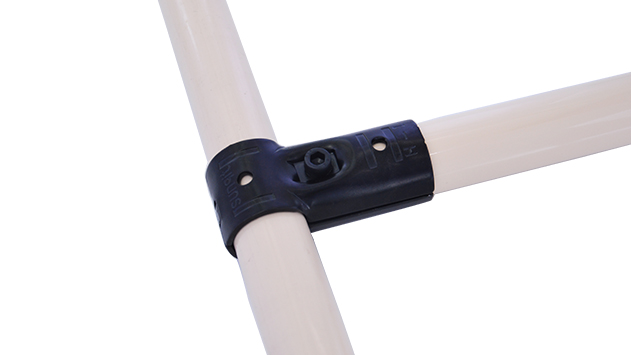
Two way lean pipe joint for 2 pcs 28MM lean pipe connection in straight angle, which used widely in workbench, flow rack, hand trolley frame connection.
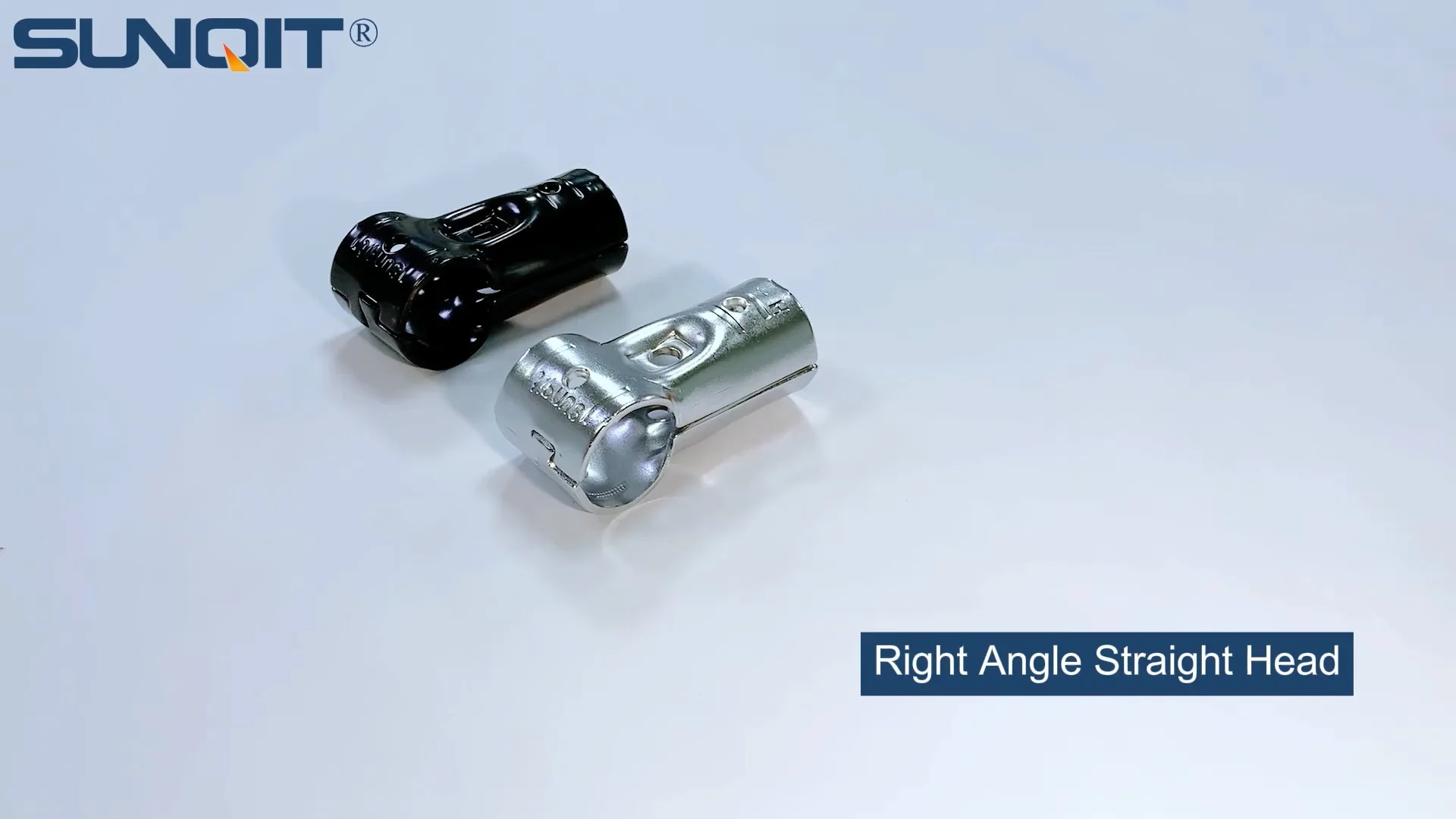
In the world of manufacturing and production, where every second counts and efficiency is the name of the game, lean system have become the backbone of operational success. From the assembly lines of automotive plants to the bustling workbenches of electronics factories, these systems streamline workflows, reduce waste, and keep operations running like well-oiled machines. But behind every sturdy lean pipe workbench, every smoothly rolling turnover trolley, and every precisely organized material rack lies a small but critical component: the joints. These unassuming connectors are the glue that holds lean systems together, determining everything from structural stability to flexibility. Today, we're diving deep into two of the most widely used joint types in modern lean setups: chrome-plated two way lean pipe joint and aluminum rotating joints. By the end, you'll understand how each works, where they shine, and how to choose the right one for your unique needs.
Understanding the Basics: What Are Lean Pipe Joints, Anyway?
Before we jump into the specifics of chrome-plated and aluminum joints, let's take a step back. Lean pipe joints are mechanical connectors designed to link lean pipe (hollow tubes, often made of steel, aluminum, or stainless steel) into structures like workbenches, material racks, conveyors, and trolleys. Think of them as the "building blocks" of lean systems—without reliable joints, even the strongest pipes would fail to form stable, functional structures. The right joint can turn a collection of pipes into a custom workstation that adapts to your team's needs; the wrong one? It might lead to wobbly racks, frequent breakdowns, or wasted time reconfiguring unstable setups.
Joints come in all shapes, sizes, and materials, each tailored to specific use cases. Some prioritize raw strength, others flexibility; some excel in harsh environments, others in lightweight, mobile setups. Today, we're focusing on two popular options: the tried-and-true chrome-plated two way lean pipe joint and the innovative aluminum rotating joint. Let's start with the former.
Chrome-Plated Two Way Lean Pipe Joints: The Sturdy Workhorses
If lean systems had a "veteran" component, it might well be the chrome-plated two way lean pipe joint. These joints have been a staple in factories and warehouses for decades, prized for their durability and no-nonsense reliability. Let's break down what makes them tick.
Material and Construction: Built to Last
Chrome-plated two way joints are typically made from solid steel, then coated with a layer of chrome via electroplating. This process involves submerging the steel joint in a chromic acid solution and passing an electric current through it, causing chromium ions to bond to the steel surface. The result? A hard, shiny finish that does more than just look good. Chrome plating adds a protective barrier against corrosion, scratches, and wear—critical in busy industrial environments where joints are often bumped, scraped, or exposed to oils, coolants, and dust.
The "two way" in their name refers to their design: these joints connect two pipes at a fixed angle, usually 90 degrees (though some variants allow for 45-degree connections). Imagine a simple "T" or "L" shape, with threaded holes or clamping mechanisms to secure the pipes in place. Early versions required tools like wrenches to tighten, but modern iterations often feature captive screws or knurled nuts for faster installation—though they're still far from "tool-free."
Performance: Strength in Simplicity
When it comes to raw strength, chrome-plated two way joints are hard to beat. Steel's inherent rigidity, combined with the chrome coating's resistance to deformation, gives these joints impressive load capacities. A standard chrome-plated two way joint can typically support 200–300 kg of weight per connection, making them ideal for heavy-duty applications like supporting steel shelves loaded with cast iron parts or anchoring fixed workbenches in automotive repair shops.
Their fixed-angle design is another double-edged sword. On one hand, it ensures structural stability: once installed, the joint holds the pipes firmly in place, minimizing wobble or shifting—even under vibration from nearby machinery. On the other hand, this rigidity means reconfiguration is a hassle. If you need to adjust the angle of a shelf or repurpose a workbench for a new task, you'll likely need to disassemble the joint, which can take time and require tools. For permanent or rarely changed setups, this is a non-issue. But for dynamic environments where workflows evolve monthly (or weekly), it can be a bottleneck.
Common Applications: Where Chrome-Plated Joints Rule
Chrome-plated two way joints thrive in environments where stability and durability are non-negotiable. Here are a few places you'll commonly find them:
- Fixed Lean Pipe Workbenches: In factories where assembly lines stay consistent for years (think appliance manufacturing), these joints anchor workbenches that hold heavy tools, jigs, and fixtures. Their rigidity ensures the bench doesn't shift during repetitive tasks like drilling or tightening bolts.
- Material Racks and Storage Systems: Warehouses storing bulk items—like metal sheets, engine components, or large plastic molds—rely on chrome-plated joints to build sturdy, multi-tiered racks. The joints' high load capacity prevents shelves from sagging under weight.
- Heavy-Duty Conveyors: Conveyors transporting heavy goods (e.g., automotive axles, large shipping boxes) use these joints to support roller tracks and frame structures. The chrome coating resists wear from constant vibration and contact with metal rollers.
Pros and Cons: Weighing the Tradeoffs
Pros:
- Exceptional Durability: Steel core + chrome plating = resistance to rust, scratches, and impact. Many users report these joints lasting 10+ years in dry, indoor environments.
- High Load Capacity: Ideal for heavy tools, machinery, or bulk materials.
- Cost-Effective Upfront: Steel is cheaper than aluminum, making these joints budget-friendly for large-scale installations.
- Low Maintenance: No need for lubrication or special cleaning—just an occasional wipe-down to remove dust.
Cons:
- Heavy: Steel adds weight to structures, making them harder to move (if mobility is needed) and increasing installation labor.
- Limited Flexibility: Fixed angles mean reconfiguring requires disassembly and new joints.
- Corrosion Risk (If Damaged): While chrome resists corrosion, scratches can expose the steel underneath, leading to rust in humid or wet environments (e.g., food processing plants with frequent washdowns).
Aluminum Rotating Joints: The Flexible Innovators
Now, let's turn to the newer kid on the block: aluminum rotating joints. As manufacturing has shifted toward agility—with shorter product cycles and frequent workflow changes—these joints have emerged as a go-to for teams that need structures to adapt as quickly as their operations do. Lightweight, versatile, and designed for dynamic use, aluminum rotating joints are redefining what lean systems can do.
Material and Construction: Lightweight, Yet Tough
Aluminum rotating joints are crafted from high-grade aluminum alloy (often 6061 or 6063, known for strength and corrosion resistance). Unlike steel, aluminum is naturally lightweight—about 1/3 the weight of steel—making it easier to handle during installation and ideal for mobile structures. But don't let the weight fool you: aluminum alloys are surprisingly strong, and when paired with precision engineering, these joints can hold their own in many applications.
The "rotating" feature is where these joints truly stand out. Instead of fixed angles, they use a pivot mechanism—often a ball-and-socket joint, a geared hinge, or a friction-based swivel—that allows connected pipes to rotate 360 degrees or lock into multiple angles (e.g., 30°, 45°, 90°). Some models even feature quick-release levers or thumb screws, letting users adjust angles by hand, no tools required. This flexibility is a game-changer for teams that need to reconfigure workstations or trolleys on the fly.
Many aluminum rotating joints also undergo surface treatments like anodizing (an electrolytic process that thickens the natural oxide layer on aluminum) to boost corrosion resistance. Anodized aluminum is highly resistant to moisture, chemicals, and UV rays, making it suitable for both indoor and outdoor use—think loading docks, greenhouses, or pharmaceutical clean rooms where hygiene and corrosion resistance are critical.
Chrome-Plated Two Way vs. Aluminum Rotating: A Head-to-Head Comparison
To help you visualize how these joints stack up, let's put them side by side in a detailed comparison:
| Feature | Chrome-Plated Two Way Lean Pipe Joint | Aluminum Rotating Joint |
|---|---|---|
| Core Material | Steel (chrome-plated) | Aluminum alloy (often anodized) |
| Weight (Per Joint) | 150–250 grams (heavier) | 50–100 grams (30–50% lighter) |
| Max Load Capacity (Per Joint) | 200–300 kg (heavy-duty) | 80–150 kg (medium to heavy-duty) |
| Adjustability | Fixed angles (e.g., 90°, 45°); no rotation | 360° rotation; multi-angle locking (tool-free on most models) |
| Corrosion Resistance | Good (chrome plating); risk of rust if scratched | Excellent (anodized aluminum); oxide layer self-heals minor scratches |
| Installation Difficulty | Moderate (requires tools for tightening) | Easy (many models tool-free; lightweight = easier handling) |
| Typical Applications | Fixed workbenches, heavy material racks, permanent conveyor frames | Mobile trolleys, reconfigurable workstations, dynamic assembly lines |
| Upfront Cost | Lower ($2–$5 per joint, depending on size) | Higher ($5–$10 per joint, depending on features) |
| Long-Term Value | Good for permanent setups; poor if reconfiguration is needed | Excellent for dynamic environments; reduces costs of reconfiguration |

Real-World Scenarios: When to Choose Which Joint
Numbers and specs tell part of the story, but real-world use cases bring it to life. Let's look at two hypothetical (but realistic) scenarios to see how these joints perform in action.
Scenario 1: Automotive Parts Manufacturing Plant
A mid-sized automotive parts manufacturer produces brake calipers, which are heavy (1–2 kg each) and require precise assembly. The company's assembly line has remained unchanged for 5 years, with fixed workbenches where workers install pistons, seals, and bolts. The workbenches need to support clamps, torque wrenches, and bins of small parts—adding up to 150 kg per bench.
Why Chrome-Plated Two Way Joints Work Here: The setup is permanent, so flexibility isn't needed. The high load capacity of chrome-plated joints ensures the workbenches stay stable during repetitive tasks. Steel's rigidity prevents the benches from wobbling, which is critical for precision assembly. Plus, the upfront cost is lower, allowing the company to outfit 20 workbenches without breaking the budget. Even better, the dry, indoor environment means rust isn't a concern—these joints could last another 10 years with minimal maintenance.
Scenario 2: Consumer Electronics Assembly Line
A tech company assembles smartwatches and fitness trackers, with new models launching every 6–8 months. Each new model requires reconfiguring workstations to accommodate different component sizes (e.g., smaller batteries, larger screens). Workers also use mobile trolleys to transport parts between stations, and the company prioritizes ergonomics to reduce worker fatigue.
Why Aluminum Rotating Joints Work Here: Reconfiguration is key. With aluminum rotating joints, the team can adjust workstation angles in minutes (no tools needed) to fit new smartwatch designs. The lightweight joints make trolleys easier to push, cutting down on worker strain. Anodized aluminum also holds up well in the clean, climate-controlled facility, and the higher upfront cost is offset by not needing to buy new joints every time the line changes. Plus, the sleek, modern look of aluminum aligns with the company's brand image—important for client tours.

Choosing the Right Joint: Key Factors to Consider
So, how do you decide between chrome-plated two way joints and aluminum rotating joints for your own setup? Here are the critical questions to ask:
1. What's the Maximum Load You Need to Support?
If your structure will hold heavy items (e.g., engine blocks, metal sheets over 50 kg), chrome-plated joints are the safer bet. For lighter loads (e.g., electronics components, small tools under 30 kg), aluminum rotating joints will work just fine—and save you weight.
2. How Often Will You Reconfigure the Structure?
If your setup is permanent (e.g., a warehouse rack that's been in the same spot for 5 years), chrome-plated joints are economical. If you reconfigure monthly (or even quarterly), aluminum rotating joints will save time, labor, and money in the long run—no more buying new joints or wrestling with tools during setup.
3. What's Your Environment Like?
Humid, wet, or corrosive environments (e.g., coastal warehouses, food processing plants with washdowns) favor aluminum rotating joints—anodized aluminum resists rust far better than chrome-plated steel. Dry, indoor environments (e.g., automotive factories, offices) can use either, but chrome may be cheaper.
4. Is Mobility Important?
If you need to move structures (e.g., trolleys, mobile workbenches), aluminum's lightweight design is a lifesaver. Chrome-plated joints add significant weight, making even small trolleys hard to maneuver—especially over time, as workers tire from pushing heavy loads.
5. What's Your Budget—Short-Term vs. Long-Term?
Chrome-plated joints are cheaper upfront, but if you ever need to reconfigure, you'll pay for new joints, tools, and labor. Aluminum rotating joints cost more initially, but their flexibility reduces long-term costs. For example, a company that reconfigures a workstation twice a year could save $500+ annually by avoiding new chrome joints and installation time.
The Future of Lean Joints: Aluminum on the Rise
As manufacturing trends shift toward agility, sustainability, and worker ergonomics, aluminum rotating joints are gaining ground. Their lightweight design aligns with efforts to reduce manual handling injuries, and their adjustability supports the "just-in-time" production models favored by modern industries. Plus, aluminum is highly recyclable, making it a hit with companies prioritizing sustainability—a growing concern for consumers and regulators alike.
That said, chrome-plated two way joints aren't going anywhere. They remain the gold standard for heavy-duty, permanent setups, and their low cost makes them ideal for small businesses or startups with tight budgets. In many cases, the best solution is a hybrid: using chrome-plated joints for fixed, heavy structures and aluminum rotating joints for mobile or reconfigurable components.
Final Thoughts: It's All About Your Workflow
At the end of the day, there's no "better" joint—only the right joint for your workflow. Chrome-plated two way lean pipe joints are the reliable, no-frills workhorses that excel in stable, heavy-duty environments. Aluminum rotating joints are the flexible innovators, built for teams that need to adapt, grow, and reconfigure on the fly.
So, take a step back and evaluate your needs: Are you building something permanent, or something that will evolve? Is weight a concern, or is raw strength your top priority? By answering these questions, you'll not only choose the right joint—you'll build a lean system that works with your team, not against them. After all, that's the whole point of lean manufacturing: to create systems that empower people to do their best work.