- Company Articles
- Products and Technology
- Product knowledge
- Chrome-Plated vs Galvanized Lean Pipe Clamps: Performance Analysis

Chrome-Plated vs Galvanized Lean Pipe Clamps: Performance Analysis
Related Product
Lean Pipe Clamp
Lean pipe clamp is used for rack system hang monitor or other panel for workbenck, flowrack in production daily use.
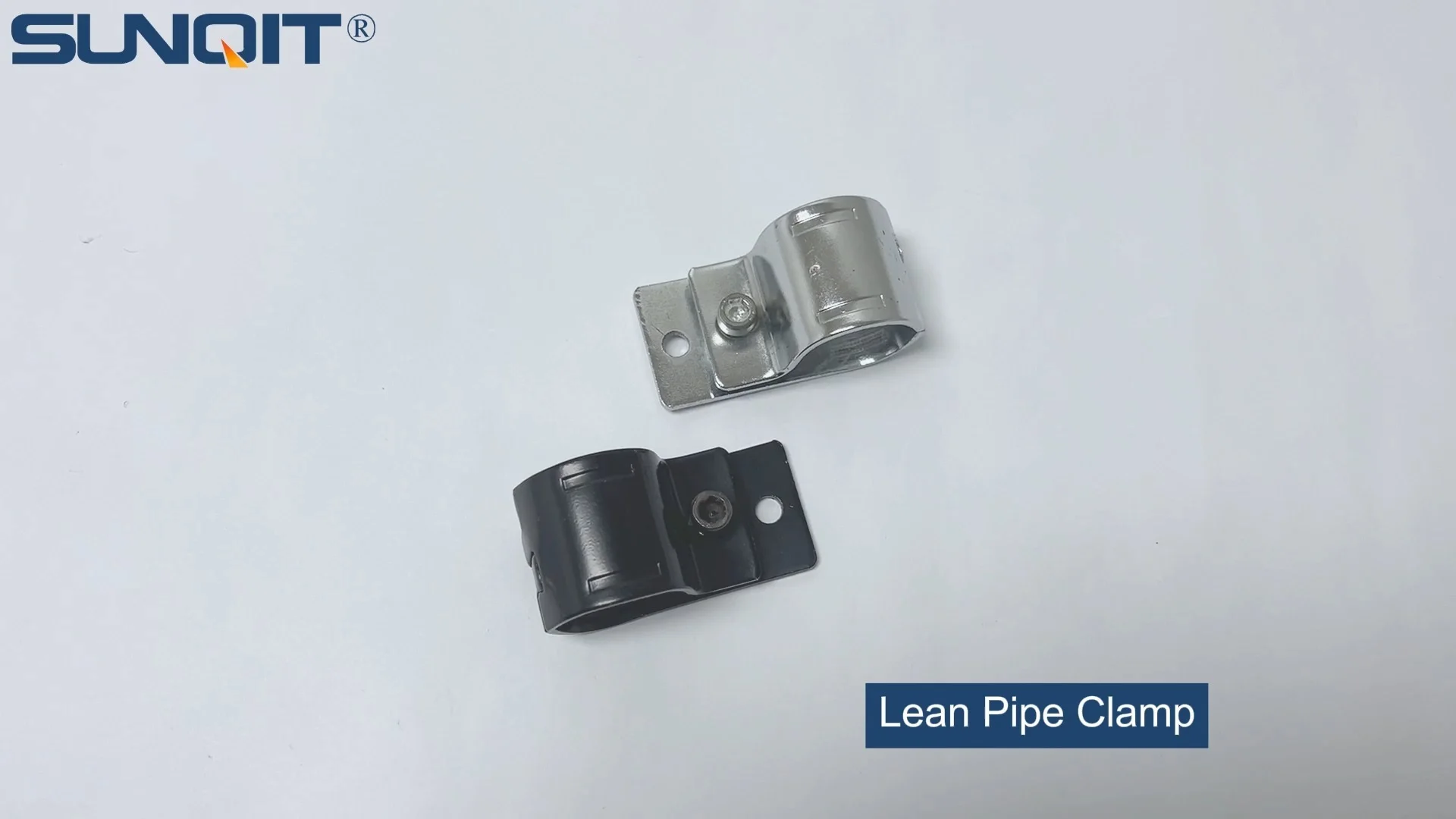
In the world of lean manufacturing, where efficiency, flexibility, and durability are the cornerstones of success, even the smallest components play a pivotal role. Among these unsung heroes are lean pipe clamps—simple yet critical tools that hold together the modular systems powering modern production lines. From assembling workbenches and flow racks to building conveyors and turnover trolleys, these clamps (a type of lean pipe joint ) ensure stability, adjustability, and longevity. But not all clamps are created equal. When it comes to choosing between chrome-plated and galvanized lean pipe clamps, the decision ripples through operational costs, maintenance demands, and even workplace aesthetics. This article dives deep into the nuances of both options, comparing their manufacturing, performance, and real-world applications to help you make an informed choice for your lean system.
Understanding Lean Pipe Clamps: The Backbone of Modular Systems
Before delving into the specifics of chrome-plated and galvanized clamps, it's essential to grasp their role in lean manufacturing. Lean pipe systems, often built with aluminum, steel, or stainless steel pipes, rely on clamps to connect pipes into custom structures. Whether it's a lean pipe workbench on an assembly line, a flow rack in a warehouse, or a material trolley in a distribution center, the clamp acts as the "joint" that balances rigidity with adaptability. A poorly chosen clamp can lead to wobbly structures, frequent breakdowns, and costly downtime—making the selection process far more critical than it may seem.
Lean pipe clamps come in various designs, including fixed-angle joints, swivel joints, and parallel connectors, but their core function remains consistent: to secure pipes while allowing for disassembly and reconfiguration. The coating—chrome-plated or galvanized—directly impacts how well they perform this function over time, especially in challenging environments.
Chrome-Plated Lean Pipe Clamps: Sleek Protection for Precision Environments
What Are Chrome-Plated Clamps?
Chrome-plated lean pipe clamps are steel clamps coated with a thin layer of chromium via electroplating. The process involves submerging the steel clamp in a chromium-rich electrolyte solution and passing an electric current through it, causing chromium ions to bond to the surface. This results in a hard, smooth, and reflective finish that serves both protective and aesthetic purposes.
There are two primary types of chrome plating used in industrial clamps: decorative chrome and hard chrome. Decorative chrome, which is thinner (0.2–0.5 microns), offers a mirror-like shine and moderate corrosion resistance. Hard chrome, thicker (2–25 microns), is engineered for durability, with high hardness (up to 1000 HV) and wear resistance—ideal for clamps subjected to frequent adjustments or heavy loads.
Key Advantages of Chrome-Plated Clamps
Corrosion Resistance: Chromium oxide, formed when chromium reacts with oxygen, creates a passive layer that resists moisture and mild chemicals. This makes chrome-plated clamps suitable for indoor environments with low humidity, such as electronics assembly plants or cleanrooms.
Aesthetic Appeal: The reflective finish of chrome-plated clamps adds a professional, polished look to lean systems. This is particularly valuable in customer-facing areas or industries like medical device manufacturing, where visual standards are strict.
Hardness and Wear Resistance: Hard chrome plating enhances the clamp's surface hardness, reducing wear from repeated tightening, loosening, or contact with other metal components. This longevity is a boon for systems that require frequent reconfiguration.
Cleanability: The smooth, non-porous surface of chrome plating resists dirt and grime buildup, making it easy to sanitize—a critical feature in environments like pharmaceutical labs or ESD workstations , where dust and contaminants can compromise product quality.

Galvanized Lean Pipe Clamps: Rugged Durability for Harsh Conditions
What Are Galvanized Clamps?
Galvanized lean pipe clamps are steel clamps coated with zinc to prevent corrosion. The most common method is hot-dip galvanization, where the steel clamp is dipped in molten zinc (at ~450°C), forming a metallurgical bond between zinc and steel. Electro-galvanization, a less common alternative, uses electroplating to deposit a thinner zinc layer. The result is a dull, matte gray finish with a distinctive crystalline texture.
Zinc acts as a sacrificial anode: instead of the steel corroding, the zinc layer oxidizes first, forming a protective zinc carbonate layer that self-heals minor scratches. This "sacrificial protection" makes galvanized clamps highly resilient in wet or corrosive environments.
Key Advantages of Galvanized Clamps
Superior Corrosion Resistance in Harsh Environments: Hot-dip galvanization provides a thick zinc coating (50–150 microns), making these clamps ideal for outdoor use, warehouses with high humidity, or facilities handling chemicals. They withstand rain, snow, and even salt spray better than chrome-plated alternatives.
Cost-Effectiveness: Galvanization is generally cheaper than chrome plating, especially for large-volume orders. This makes galvanized clamps a favorite among budget-conscious operations or those prioritizing long-term durability over aesthetics.
Impact Resistance: The zinc coating adheres tightly to steel, even under impact or bending. Unlike chrome plating, which can crack or peel when bent, galvanized coatings flex with the base metal, reducing the risk of exposure to underlying steel.
Low Maintenance: Galvanized clamps require minimal upkeep. Unlike chrome, which may need polishing to retain its shine, galvanized coatings develop a natural patina over time that further enhances corrosion resistance.

Head-to-Head Performance Analysis
To truly understand which clamp is right for your needs, let's compare their performance across critical metrics:
| Performance Metric | Chrome-Plated Clamps | Galvanized Clamps |
|---|---|---|
| Corrosion Resistance | Good for indoor, low-humidity environments; vulnerable to saltwater and heavy chemicals. Scratches expose steel, risking rust. | Excellent for outdoor/high-moisture areas; zinc sacrificially protects steel. Minor scratches self-heal via zinc oxide formation. |
| Durability | High surface hardness (hard chrome) resists wear from adjustments; decorative chrome may peel under heavy impact. | Zinc coating flexes with steel, withstands impacts and bending; ideal for heavy-duty, high-traffic systems. |
| Load Capacity | Similar to galvanized (depends on steel thickness); hard chrome adds minimal weight but enhances wear resistance under load. | Identical to chrome-plated for same steel base; zinc coating adds slight weight but no reduction in load capacity. |
| Cost | Higher initial cost (30–50% more than galvanized) due to electroplating process. | Lower initial cost; cost-effective for large-scale projects or budget constraints. |
| Aesthetics | Shiny, reflective finish; enhances visual appeal in cleanrooms or customer-facing areas. | Matte gray finish; functional but less visually striking; patina develops over time. |
| Maintenance | Requires occasional polishing to retain shine; scratches need touch-up paint to prevent rust. | Low maintenance; patina formation reduces need for cleaning or repairs. |
| Environmental Impact | Chrome plating uses hexavalent chromium (toxic); regulated by RoHS/REACH in EU. | Zinc is recyclable and less toxic; hot-dip galvanization has lower carbon footprint than electroplating. |

Real-World Applications: When to Choose Which?
Chrome-Plated Clamps: Best for Precision and Cleanliness
Chrome-plated clamps shine in environments where aesthetics, cleanability, and precision matter most. For example:
- Electronics Manufacturing: ESD workstations require surfaces that minimize static buildup and are easy to sanitize. Chrome's smooth finish resists dust accumulation, while its corrosion resistance protects against the mild cleaning agents used in these facilities.
- Medical Device Assembly: Regulatory standards (e.g., ISO 13485) demand visual consistency and cleanliness. Chrome-plated clamps on workbenches and trolleys align with these standards, projecting a sterile, professional image.
- Retail/Showroom Displays: Lean pipe structures in retail settings (e.g., product displays) benefit from chrome's reflective finish, enhancing brand perception and customer appeal.
Galvanized Clamps: Best for Durability and Cost
Galvanized clamps are the workhorses of rugged, high-demand environments:
- Warehousing and Logistics: Flow racks, turnover trolleys, and outdoor storage racks exposed to humidity, rain, or temperature fluctuations rely on galvanized clamps for long-term corrosion resistance.
- Automotive Manufacturing: Heavy-duty lean pipe workbench setups in automotive plants, where clamps endure constant adjustments and exposure to lubricants, benefit from galvanized durability and low maintenance.
- Agricultural and Food Processing: Galvanized clamps are food-safe (zinc is non-toxic) and resistant to the moisture and cleaning chemicals used in these industries, making them ideal for material handling systems.
Case Study: A Lean Pipe Supplier 's Perspective
A leading U.S.-based lean pipe supplier shared insights into client preferences: "We recommend chrome-plated clamps to electronics clients—they're willing to pay more for the sleek look and cleanability. For warehouses in the Midwest, where winters bring salt and humidity, galvanized is a no-brainer. One client switched from chrome to galvanized on their outdoor flow racks and reduced replacement costs by 40% over three years."
Long-Term Cost Considerations: Beyond the Initial Price Tag
While galvanized clamps have a lower upfront cost, chrome-plated clamps may offer better value in specific scenarios. For example, in a pharmaceutical lab with strict cleanliness standards, the cost of replacing rusted galvanized clamps (and potential product contamination) could outweigh chrome's higher initial price. Conversely, a warehouse with 500+ flow racks would save significantly by choosing galvanized, even if they replace 10% of clamps every five years.
To calculate total cost of ownership (TCO), factor in: initial cost, expected lifespan, maintenance expenses, and downtime from replacements. A chrome-plated clamp might cost $5 vs. $3 for galvanized, but if it lasts 10 years vs. 5 for galvanized, the TCO favors chrome in low-maintenance environments.
Environmental and Safety Considerations
Chrome plating involves hexavalent chromium, a carcinogen regulated by agencies like the EPA and EU's REACH. Many manufacturers now offer trivalent chrome plating as a safer alternative, though it's less durable than hexavalent chrome. Galvanization, by contrast, uses zinc—recyclable and low-toxicity—making it a more eco-friendly choice.
Safety-wise, galvanized clamps are preferred in high-impact areas: their flexibility reduces the risk of sharp, broken pieces if damaged. Chrome-plated clamps with decorative plating may crack into sharp shards under extreme force, posing a hazard.
Making the Right Choice: A Decision Framework
To choose between chrome-plated and galvanized clamps, ask yourself:
- Environment: Is the system indoors (chrome) or outdoors/high-moisture (galvanized)?
- Aesthetics: Does the system need to look polished (chrome) or purely functional (galvanized)?
- Maintenance Budget: Can you afford occasional polishing (chrome) or prefer "set-it-and-forget-it" (galvanized)?
- Regulatory Requirements: Do you need to avoid hexavalent chromium (galvanized or trivalent chrome)?
- Long-Term Goals: Prioritize upfront savings (galvanized) or extended lifespan (chrome in suitable environments)?
Conclusion: No One-Size-Fits-All, but Informed Choices Drive Success
Chrome-plated and galvanized lean pipe clamps each excel in specific scenarios. Chrome offers sleekness and precision for indoor, clean environments, while galvanized delivers rugged durability and cost savings for harsh or high-volume settings. By aligning the clamp's coating with your operational needs—whether it's a shiny ESD workstation or a weather-beaten warehouse rack—you'll build lean systems that are not just functional, but resilient and cost-effective over time.
Ultimately, the best choice depends on balancing your environment, budget, and long-term goals. And when in doubt? Consult a trusted lean pipe supplier —their expertise can help you avoid costly mismatches and ensure your lean system performs at its best for years to come.