- Company Articles
- Products and Technology
- Product knowledge
- Chrome-Plated vs. Painted Two Way Lean Pipe Joints: Aesthetic & Functional Differences

Chrome-Plated vs. Painted Two Way Lean Pipe Joints: Aesthetic & Functional Differences
Related Product
Two Way Lean Pipe Joint
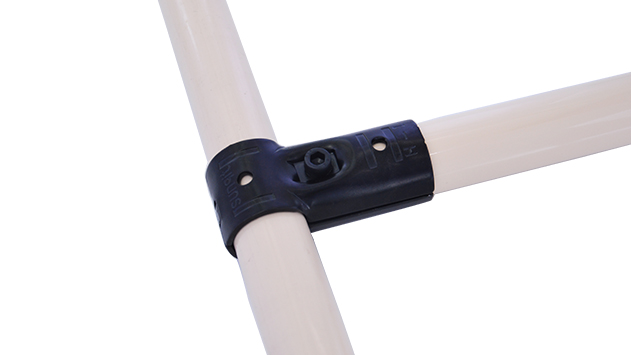
Two way lean pipe joint for 2 pcs 28MM lean pipe connection in straight angle, which used widely in workbench, flow rack, hand trolley frame connection.
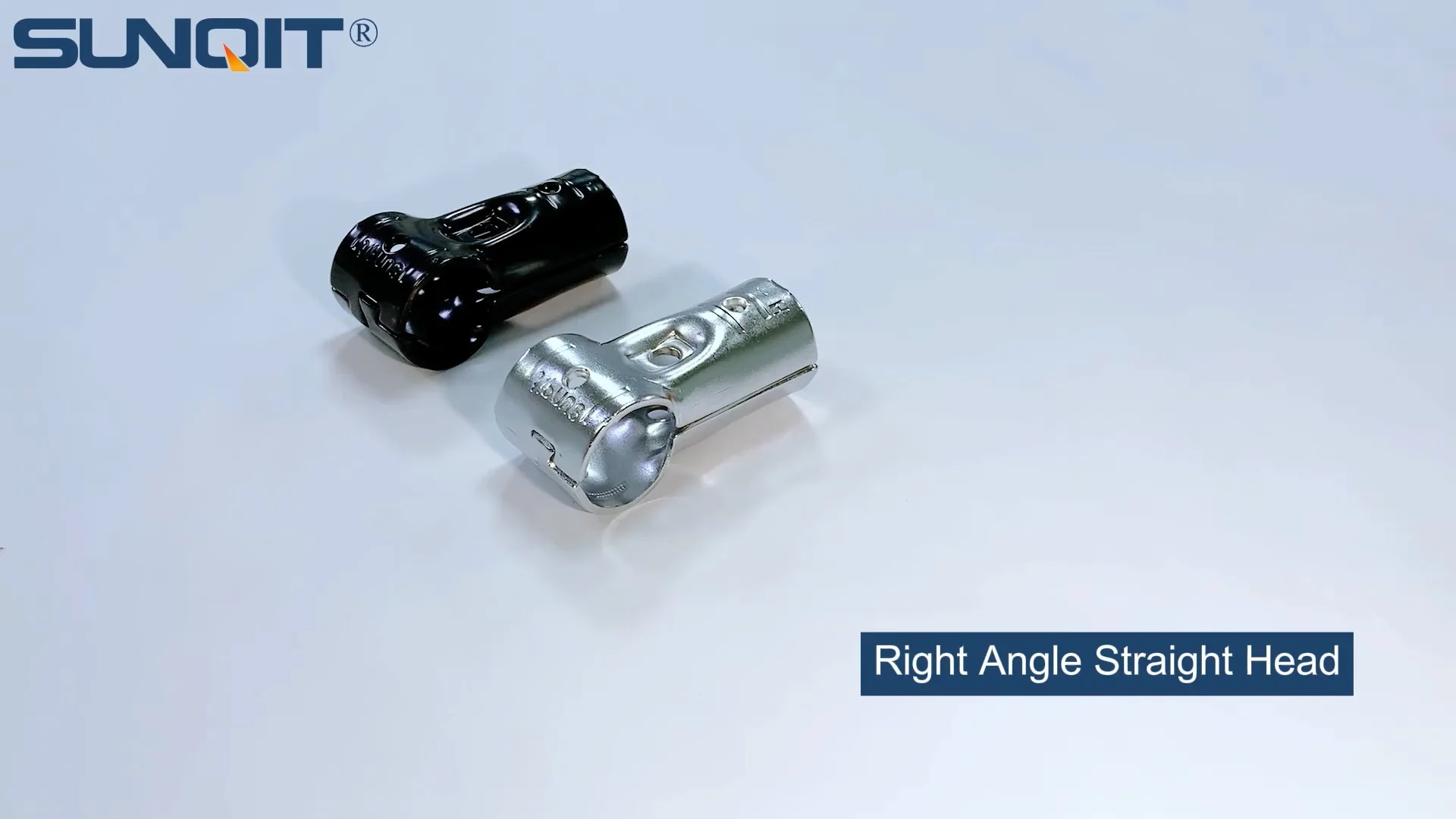
In the world of lean manufacturing and warehouse optimization, every component plays a silent but critical role in keeping operations running smoothly. From the sturdy aluminum pipes that form the backbone of workstations to the casters that make trolleys glide, each part contributes to the efficiency of a lean system. Today, we're zooming in on a small but mighty component: the two way lean pipe joint. Specifically, we'll explore the differences between chrome-plated and painted versions—how they look, how they perform, and which one might be the better fit for your unique setup.
Understanding Lean Pipe Systems and the Role of Joints
Before diving into the details of chrome-plated and painted joints, let's take a step back and appreciate the bigger picture: lean pipe systems. These systems, often made from aluminum or steel pipes and a variety of connectors, are the unsung heroes of modern manufacturing and logistics. They're designed to be flexible, modular, and easy to assemble, allowing teams to build everything from workbenches and material racks to conveyor systems and turnover trolleys—all tailored to their specific workflow needs.
At the heart of these systems are the joints. Think of them as the "glue" that holds the structure together, but with the added benefit of adjustability. Joints connect pipes at different angles, enabling the creation of complex, custom configurations without the need for welding or specialized tools. Among the many types of joints available—three-way, four-way, swivel—two way lean pipe joints are some of the most commonly used. As the name suggests, they connect two pipes, typically at a 90-degree angle, forming the basic framework for shelves, tables, and other structures.
But not all two way joints are created equal. The finish—whether chrome-plated or painted—can drastically impact both how the joint looks and how it performs in real-world conditions. Let's break down what makes each type unique.
Chrome-Plated Two Way Lean Pipe Joints: The Shiny Workhorses
If you've ever walked into a well-maintained factory or warehouse, you've probably noticed them: those sleek, silver connectors that catch the light as you pass by. Chances are, those are chrome-plated two way lean pipe joints. Chrome plating is a process where a thin layer of chromium is electroplated onto the surface of the joint (usually made of steel or aluminum), creating a hard, reflective finish. But there's more to these joints than just good looks.
Aesthetics: More Than Just Shine
Let's start with the obvious: chrome-plated joints are eye-catching. The high-gloss, mirror-like finish adds a touch of professionalism and cleanliness to any lean system. In environments where presentation matters—like customer-facing workstations or facilities that host tours—this can be a big plus. The shine also has a practical side: it makes dust and grime more visible, which can encourage teams to keep the area cleaner (after all, a smudge on a chrome surface is hard to ignore!).
But chrome's aesthetic appeal isn't just about brightness. The uniform finish tends to hide minor scratches better than some painted surfaces, at least initially. A small scuff might show up as a dull spot, but it's less noticeable than a chip in paint that reveals the underlying metal. This makes chrome joints a popular choice for high-traffic areas where the structure might get bumped or brushed against regularly.
Functionality: Durability Meets Grip
Beyond looks, chrome-plated two way joints are prized for their durability. Chromium is a hard metal, and the plating process creates a surface that's resistant to corrosion, tarnishing, and wear. This is especially valuable in environments with high humidity, occasional spills, or exposure to chemicals—think food processing plants, automotive workshops, or warehouses near the coast. Unlike some painted finishes, chrome doesn't fade when exposed to sunlight, so joints near windows or in outdoor storage areas will maintain their shine longer.
Another functional benefit is grip. While the surface is smooth, chrome has a slight texture that helps keep pipes securely in place once tightened. This is crucial for maintaining the stability of the lean system, whether it's holding heavy equipment on a workbench or supporting a rack of materials. The plating also reduces friction when adjusting the joint, making it easier to reposition pipes during system reconfigurations— a key advantage in lean environments where flexibility is king.
Cost Consideration: Investing in Longevity
Chrome plating isn't cheap. The process involves multiple steps—cleaning, electroplating, polishing—and requires specialized equipment, which drives up the cost compared to painted joints. But many lean system suppliers and operators view this as a long-term investment. Because chrome-plated joints are more resistant to wear and corrosion, they tend to last longer, reducing the need for frequent replacements. In high-stress environments, this can translate to lower maintenance costs over time.
Painted Two Way Lean Pipe Joints: Customizable and Practical
If chrome-plated joints are the "shiny professionals" of the lean world, painted two way lean pipe joints are the "versatile chameleons." Instead of a metallic finish, these joints are coated with paint—usually epoxy, powder, or enamel—offering a range of colors and textures. But don't let the word "painted" make you think they're less durable; modern paint technologies have come a long way, and these joints hold their own in many applications.
Aesthetics: Color, Personality, and Branding
The biggest draw of painted joints is customization. Unlike chrome, which is limited to silver, painted joints come in almost any color you can imagine: bright yellows for high-visibility areas, muted grays for a sleek, modern look, or even company-specific hues to align with branding. This makes them ideal for facilities that use color-coding to organize workflows—for example, red joints for safety zones, blue for assembly lines, or green for eco-friendly initiatives.
Painted finishes also offer texture options. Some are matte, which reduces glare in brightly lit spaces (a godsend for workers staring at screens or detailed assembly tasks). Others are glossy, mimicking the shine of chrome but with a pop of color. And because the paint is applied after the joint is manufactured, it can cover imperfections in the base metal, resulting in a smooth, uniform look that's consistent across all joints in a system.
Functionality: Scratch Resistance and Chemical Compatibility
Modern paint coatings—especially powder coatings—are surprisingly tough. Powder coating, in particular, involves applying a dry powder to the joint and curing it in an oven, creating a thick, durable layer that's resistant to scratches, chips, and fading. This makes painted joints a solid choice for environments where the system is moved frequently (like turnover trolleys) or where tools might accidentally scrape against the joints.
Painted joints also offer better chemical resistance in some cases. While chrome is great for water and rust, certain paints (like epoxy-based ones) can stand up to oils, solvents, and acids that might corrode chrome over time. For example, in a mechanic's workshop where oil spills are common, a painted joint with a chemical-resistant coating might outlast a chrome one. Additionally, the paint acts as an extra layer of insulation, which can be useful in environments where electrical conductivity is a concern (though, for ESD-sensitive areas, you'll still want to pair this with ESD workbench accessories).
Cost Consideration: Budget-Friendly and Replaceable
On the flip side, painted two way joints are generally more affordable upfront than chrome-plated ones. The painting process is simpler and less labor-intensive, which lowers production costs. This makes them a popular choice for lean system suppliers working with tight budgets or for facilities that need to build temporary structures (like seasonal storage racks) that won't be in use long-term.
That said, painted joints may require more frequent replacement in harsh environments. A deep scratch or chip can expose the underlying metal to corrosion, which can spread if not addressed. So while they're cheaper to buy initially, the total cost of ownership might be higher if you're replacing joints every few years instead of every decade.

Head-to-Head: Chrome-Plated vs. Painted Two Way Joints
To help you visualize the differences, let's put chrome-plated and painted two way lean pipe joints side by side in a few key categories:
| Feature | Chrome-Plated Two Way Joints | Painted Two Way Joints |
|---|---|---|
| Appearance | High-gloss, silver finish; reflective and professional. | Wide range of colors (customizable); matte or glossy texture. |
| Corrosion Resistance | Excellent—resists rust, tarnish, and humidity. | Good, but depends on paint type (powder coating > enamel). Chips can lead to rust. |
| Scratch Resistance | High—hard chromium layer resists minor scratches. | Moderate to high (powder coating is tough, but paint can chip). |
| Maintenance | Easy—wipe with a damp cloth; minor scratches can be polished. | Requires touch-ups if chipped; avoid abrasive cleaners that strip paint. |
| Cost | Higher upfront, but longer lifespan reduces long-term costs. | Lower upfront, but may need replacement sooner in harsh environments. |
| Best For | High-humidity areas, customer-facing zones, long-term systems. | Color-coded workflows, budget projects, temporary setups. |

Real-World Applications: Where Each Shines
To make this more concrete, let's look at a few scenarios where one type of joint might be better suited than the other.
Scenario 1: Automotive Manufacturing Plant
In an auto shop, joints are exposed to oil, grease, and occasional water from cleaning. Chrome-plated two way joints would hold up well here—their corrosion resistance and easy-to-clean surface make them ideal. Plus, the bright finish helps highlight any leaks or spills that need attention.
Scenario 2: E-commerce Warehouse with Color-Coded Zones
A warehouse that uses color to separate inbound, outbound, and returns areas would benefit from painted joints. Red joints for returns, green for inbound, and blue for outbound—this visual cue helps workers quickly navigate the space. Painted joints are also more budget-friendly for large-scale setups with hundreds of joints.
Scenario 3: Pharmaceutical Clean Room
Clean rooms demand strict hygiene and resistance to chemicals. Chrome-plated joints are a no-brainer here. The non-porous surface is easy to sanitize, and the corrosion resistance ensures the joints won't degrade when exposed to disinfectants. Plus, the shiny finish aligns with the sterile, professional vibe of the environment.
Scenario 4: Startup Workshop with Limited Budget
A small startup building its first lean system might prioritize cost over long-term durability. Painted joints would allow them to build the necessary workbenches and racks without breaking the bank. As the business grows, they can upgrade to chrome-plated joints for high-use areas.
Maintenance Tips: Keeping Your Joints in Top Shape
No matter which type of joint you choose, proper maintenance will extend its lifespan. Here's how to care for chrome-plated and painted joints:
For Chrome-Plated Joints:
- Wipe down with a soft, damp cloth regularly to remove dust and grime. For stubborn spots, use a mild detergent (avoid abrasive cleaners, which can scratch the plating).
- If you notice minor scratches, apply a chrome polish and buff gently with a microfiber cloth to restore shine.
- In humid environments, check for signs of tarnish (a dull, purple-ish hue). A quick wipe with a chrome cleaner should remove it.
For Painted Joints:
- Clean with a mild soap and water—avoid harsh chemicals or scouring pads that can strip the paint.
- Address chips or scratches immediately: use touch-up paint (matching the color) to cover the exposed metal and prevent rust.
- If the joint is powder-coated, avoid using solvent-based cleaners, which can dissolve the coating over time.
Choosing the Right Joint for Your Lean System
At the end of the day, the choice between chrome-plated and painted two way lean pipe joints comes down to your specific needs. Here are a few questions to ask yourself:
- What's the environment like? High humidity, chemicals, or frequent spills? Go with chrome. Dry, low-impact areas? Painted could work.
- Does aesthetics matter? Need color-coding or branding? Painted is the way to go. Prefer a sleek, professional look? Chrome shines here.
- What's your budget? If you're building a temporary system, painted joints save money upfront. For a long-term setup, chrome's durability is worth the investment.
- How often will you reconfigure the system? Both types are adjustable, but chrome's smooth surface might make repositioning pipes slightly easier.
Conclusion: Small Joints, Big Impact
Two way lean pipe joints might seem like small components, but they play a huge role in the functionality and longevity of your lean system. Chrome-plated joints offer durability, shine, and corrosion resistance—perfect for harsh environments and long-term use. Painted joints bring customization, color, and affordability—ideal for color-coded workflows and budget-conscious projects.
The good news is that you don't have to choose one or the other. Many lean system suppliers offer a mix of both, allowing you to use chrome-plated joints in high-stress areas and painted joints where color or cost is a priority. After all, lean manufacturing is about flexibility—and that includes flexibility in the parts you choose.
So whether you're building a new workbench, revamping a material rack, or designing a custom conveyor system, take a moment to consider the joints. They might just be the unsung heroes that keep your lean system running smoothly for years to come.