- Company Articles
- Products and Technology
- Product knowledge
- Chrome-Plated vs. Powder-Coated One Way Rotatory Straight Lean Pipe Joints: Pros & Cons

Chrome-Plated vs. Powder-Coated One Way Rotatory Straight Lean Pipe Joints: Pros & Cons
Related Product
One Way Rotatory Straight Lean Pipe Joint
Two way lean pipe joint for 2 pcs 28MM lean pipe connection in straight angle with rotatory fucntion, which used widely in workbench, flow rack, hand trolley frame connection.
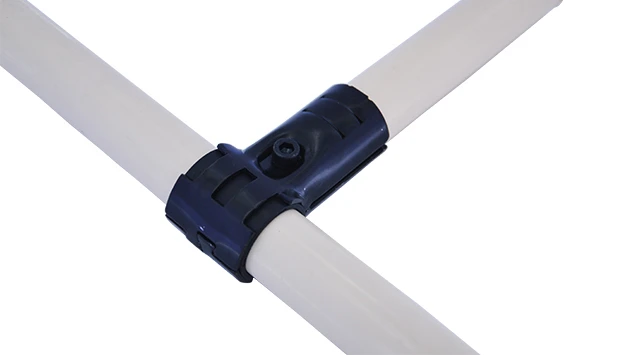
Walk through any bustling production floor, and you'll notice the unsung heroes holding everything together: the humble lean pipe joints. These small, unassuming components are the backbone of flexible workbenches, material racks, and turnover trolleys—quietly ensuring that workflows stay adaptable, efficient, and sturdy. Among the many types of lean pipe joints, the one way rotatory straight lean pipe joint stands out for its unique ability to balance rigidity with controlled movement. But here's the thing: not all joints are created equal. When it comes to choosing between chrome-plated and powder-coated variants, the decision can impact everything from durability to daily maintenance, and even the overall vibe of your workspace. Let's dive into the details, break down the pros and cons, and help you figure out which one deserves a spot in your lean system.
What Are One Way Rotatory Straight Lean Pipe Joints, Anyway?
Before we compare coatings, let's make sure we're all on the same page about the star of the show: the one way rotatory straight lean pipe joint . If you've ever assembled a modular workbench or a material rack using lean pipes (those lightweight, easy-to-cut tubes), you know that joints are the glue that turns pipes into functional structures. The "one way rotatory" part is what makes this joint special. Unlike fixed joints that lock pipes at a rigid angle, or fully swiveling joints that spin freely, this type allows rotation in one direction only—think of it like a door hinge that opens to 90 degrees but won't swing past that point. This controlled movement is a game-changer in assembly lines, where you might need a material shelf to tilt slightly for easy access but stay put when loaded with parts.
These joints are workhorses in lean manufacturing. They're used to build everything from single-deck workbenches (like the "Workbench E" you might see on a factory floor) to multi-tier material racks (hello, Material Rack B with 3 rows and 3 floors). Their magic lies in their simplicity: slide a pipe into the joint, tighten a bolt, and you've got a connection that's strong enough to hold tools, components, or even heavy machinery parts, yet adjustable enough to reconfigure when your production needs change. But here's where coatings come in: that metal joint, by itself, is just a piece of metal. Chrome plating or powder coating is what protects it from the wear and tear of daily use—and makes it look the part, too.
The Coating Conundrum: Why Does It Even Matter?
Imagine buying a new phone and skipping the screen protector. Sure, it works fine at first, but a few drops or scratches later, you're kicking yourself for not adding that extra layer of protection. Coatings on lean pipe joints work the same way—they're the "screen protector" for your joint, shielding the metal from rust, scratches, and corrosion. But they do more than just protect: they also influence how the joint looks, feels, and interacts with its environment. Chrome and powder coating are two of the most popular options, each with its own set of superpowers and quirks. Let's break down what each coating brings to the table.

Chrome-Plated One Way Rotatory Straight Lean Pipe Joints: Shine and Simplicity
Chrome-plated joints—like the one way rotatory straight lean pipe joint chrome —are the classic choice. Walk into a well-maintained factory from the 90s, and chances are you'll still see these shiny, reflective joints holding up workbenches. The process of chrome plating involves dipping the metal joint into a chromium solution and using electricity to bond a thin layer of chromium to the surface. The result? A mirror-like finish that catches the light and gives off a sleek, professional vibe.
Pros of Chrome-Plated Joints:
1. Aesthetic Appeal: Let's start with the obvious—chrome looks good. Its high shine makes joints stand out, which is why they're a favorite in settings where appearance matters. Think electronics manufacturing plants or clean rooms, where a polished look aligns with strict hygiene standards. A row of chrome-plated joints on a workbench doesn't just hold pipes together; it sends a message: "We care about details."
2. Easy to Clean: That smooth, non-porous chrome surface is a breeze to wipe down. Spills, oil, or dust? A quick wipe with a damp cloth, and they're back to their shiny selves. This is a big plus in environments where cleanliness is key—like pharmaceutical labs or food processing facilities, where even a small buildup of grime could cause issues.
3. Corrosion Resistance (In Dry Environments): In low-moisture settings, chrome holds up well against rust. If your production floor is climate-controlled and dry, a chrome-plated joint can last for years without showing signs of wear. They're also resistant to mild chemicals, so accidental spills of common cleaning agents won't eat through the coating.
Cons of Chrome-Plated Joints:
1. Prone to Chipping: The downside of that thin chrome layer? It's not the toughest. Bump a heavy tool against it, or drop a pipe during reconfiguration, and you might chip the chrome. Once that happens, the underlying metal is exposed, and rust can start to creep in—turning that shiny joint into an eyesore (and a liability) over time.
2. High Cost: Chrome plating is a labor-intensive process, and that cost gets passed down to you. If you're outfitting a large production floor with dozens of joints, the price tag can add up quickly. For small businesses on a tight budget, this might be a dealbreaker.
3. Environmental Concerns: Traditional chrome plating uses hexavalent chromium, a toxic chemical that's harmful to both workers and the environment. While some suppliers now use trivalent chromium (a safer alternative), not all do. If sustainability is a priority for your company, this is something to watch out for.

Powder-Coated One Way Rotatory Straight Lean Pipe Joints: Durability with a Modern Twist
Powder-coated joints are the new kid on the block, and they're quickly gaining popularity—for good reason. Instead of liquid chrome, powder coating uses dry powder (usually a mix of resin and pigment) that's electrostatically charged and sprayed onto the joint. The joint is then baked in an oven, melting the powder into a hard, even layer. The result? A tough, textured finish that comes in a rainbow of colors (though neutral tones like black, gray, and white are most common in industrial settings).
Pros of Powder-Coated Joints:
1. Unbeatable Durability: Powder coating is thick—thicker than chrome—and that thickness translates to strength. These joints can take a beating: bumps, scrapes, even the occasional dropped wrench. The coating is less likely to chip or scratch, which means the underlying metal stays protected longer. In high-traffic areas like automotive assembly lines, where joints are constantly bumped by workers or machinery, powder coating is a lifesaver.
2. Superior Corrosion Resistance: Unlike chrome, powder coating doesn't just sit on the surface—it bonds tightly to the metal, creating a barrier that's tough against moisture. If your production floor is humid, or if you wash down workbenches regularly (looking at you, food and beverage manufacturers), powder-coated joints will laugh in the face of rust. I once visited a brewery where powder-coated material racks had been in use for over a decade, and they still looked new—no rust, no peeling, just a few minor scratches that barely showed.
3. Cost-Effective: While the initial cost of powder coating is similar to chrome, the long-term savings are real. Since they're more durable, you'll replace powder-coated joints less often. Plus, powder coating is more efficient to apply—no toxic chemicals, no messy cleanup—so suppliers often offer them at a lower price than chrome-plated alternatives.
4. Eco-Friendly: Powder coating produces less waste than chrome plating, and most powders are free of harmful solvents. Overspray can even be collected and reused, making it a greener choice for companies looking to reduce their environmental footprint.
Cons of Powder-Coated Joints:
1. Less Glossy: If you're after that mirror-like shine, powder coating might leave you wanting. Most powder-coated finishes are matte or semi-gloss, which is great for hiding fingerprints but not so great if you want joints that sparkle. Some suppliers offer high-gloss powder coats, but they're not as reflective as chrome.
2. Color Fading Over Time: While modern powders are more UV-resistant than older formulas, bright colors can fade if exposed to direct sunlight for years. This is rarely an issue indoors, but if your joints are near windows or in outdoor covered areas, you might notice a slight dulling over time.
3. Harder to Repair: A small scratch on a chrome joint can sometimes be buffed out, but a scratch on a powder-coated joint? It's harder to fix. Touch-up paint exists, but it rarely matches the original texture or color perfectly. For most people, this is a minor annoyance, but if you're obsessed with a uniform look, it's something to consider.
Head-to-Head: How Do They Stack Up?
To make it easier to compare, let's put chrome-plated and powder-coated joints side by side. The table below breaks down key factors like durability, cost, and ideal environments.
| Factor | Chrome-Plated One Way Rotatory Straight Lean Pipe Joints | Powder-Coated One Way Rotatory Straight Lean Pipe Joints |
|---|---|---|
| Appearance | High-shine, reflective, mirror-like finish | Matte, semi-gloss, or textured; less reflective |
| Durability | Good in low-traffic areas; prone to chipping | Excellent in high-traffic areas; scratch and impact-resistant |
| Corrosion Resistance | Good in dry environments; vulnerable to moisture | Excellent in wet/humid environments; superior rust protection |
| Cost | Higher initial cost; more frequent replacements | Similar initial cost; lower long-term cost due to durability |
| Maintenance | Easy to clean; scratches may require polishing | Easy to clean; scratches hard to repair |
| Best For | Clean rooms, dry environments, aesthetic-focused settings | High-moisture areas, busy production floors, eco-conscious companies |
Real-World Stories: When the Right Coating Made All the Difference
Still on the fence? Let's look at two real-world examples of how choosing the right coating impacted day-to-day operations.
Case Study 1: Automotive Plant Switches to Powder Coating and Saves Big
A mid-sized automotive parts manufacturer in Michigan was using chrome-plated joints on their material racks. The racks were in a semi-enclosed area near a loading dock, where humidity levels spiked in the winter. Within a year, the chrome joints started chipping and rusting, especially around the bolts. The maintenance team was replacing joints every 6–8 months, which cost time and money. After consulting with their lean pipe supplier , they switched to powder-coated one way rotatory straight lean pipe joints. Two years later, the racks still look new, and joint replacements have dropped by 75%. "We used to have a guy dedicated to swapping out rusted joints," said the plant manager. "Now he's free to focus on more important tasks. It was a small change, but it made a huge difference."
Case Study 2: Electronics Clean Room Sticks with Chrome for Compliance
A California-based electronics company that manufactures medical devices has strict clean room standards. Their workbenches need to be easy to sanitize, and any scratches or crevices could trap bacteria. They tested both chrome and powder-coated joints and found that the smooth chrome surface was easier to wipe down with disinfectants, and its shine made it easier to spot dust or debris. "In our line of work, even a tiny flaw can compromise a product," explained the quality control manager. "Chrome gives us that extra layer of confidence that our workbenches are truly clean. We're willing to pay a bit more for that peace of mind."
Making the Call: How to Choose for Your Space
At the end of the day, the choice between chrome-plated and powder-coated one way rotatory straight lean pipe joints comes down to your specific needs. Here's a quick checklist to help you decide:
Choose Chrome-Plated If:
- You work in a dry, climate-controlled environment.
- Aesthetics and shine are important (e.g., customer-facing areas, clean rooms).
- You need easy-to-clean surfaces for strict hygiene standards.
Choose Powder-Coated If:
- Your space is humid, or you wash down equipment regularly.
- Joints will be exposed to heavy traffic or potential impacts.
- You're focused on durability, cost savings, or eco-friendliness.
And remember: there's no one-size-fits-all answer. Some companies mix and match—using chrome in clean rooms and powder coating on the factory floor. Your lean pipe supplier can also help you test samples in your environment to see which holds up better over time.
Caring for Your Joints: Tips for Longevity
Whichever coating you choose, a little maintenance goes a long way. Here's how to keep your joints in top shape:
For Chrome-Plated Joints:
- Wipe with a soft cloth and mild soap to remove dirt. Avoid abrasive cleaners, which can scratch the chrome.
- For minor scratches, use a chrome polish to buff them out.
- If you notice chipping, touch up with a chrome spray paint (available at hardware stores) to prevent rust.
For Powder-Coated Joints:
- Clean with a damp cloth and mild detergent. Avoid harsh chemicals that can strip the coating.
- For deep scratches, use touch-up paint designed for powder coats (ask your supplier for a matching color).
- If joints are outdoors, consider adding a clear sealant to protect against UV fading.
Final Thoughts: Small Parts, Big Impact
At first glance, choosing between chrome-plated and powder-coated one way rotatory straight lean pipe joints might seem like a minor detail. But in the world of lean manufacturing, where efficiency and durability are king, even small components can make a big difference. Whether you opt for the timeless shine of chrome or the rugged reliability of powder coating, the key is to align your choice with your workspace's unique needs. After all, a well-chosen joint doesn't just hold pipes together—it holds your workflow together, too.
So next time you're standing in front of a workbench or material rack, take a second to appreciate the little joint doing the heavy lifting. And when it's time to upgrade or expand your lean system, you'll know exactly which coating to pick.