- Company Articles
- Products and Technology
- Product knowledge
- Chrome Plating Benefits for Vertical Lean Pipe Joints: Corrosion Resistance Explained

Chrome Plating Benefits for Vertical Lean Pipe Joints: Corrosion Resistance Explained
Related Product
Vertical Lean Pipe Joint
Vertical lean pipe joint is used for 28mm lean pipe fixed on ground and keep it stable.
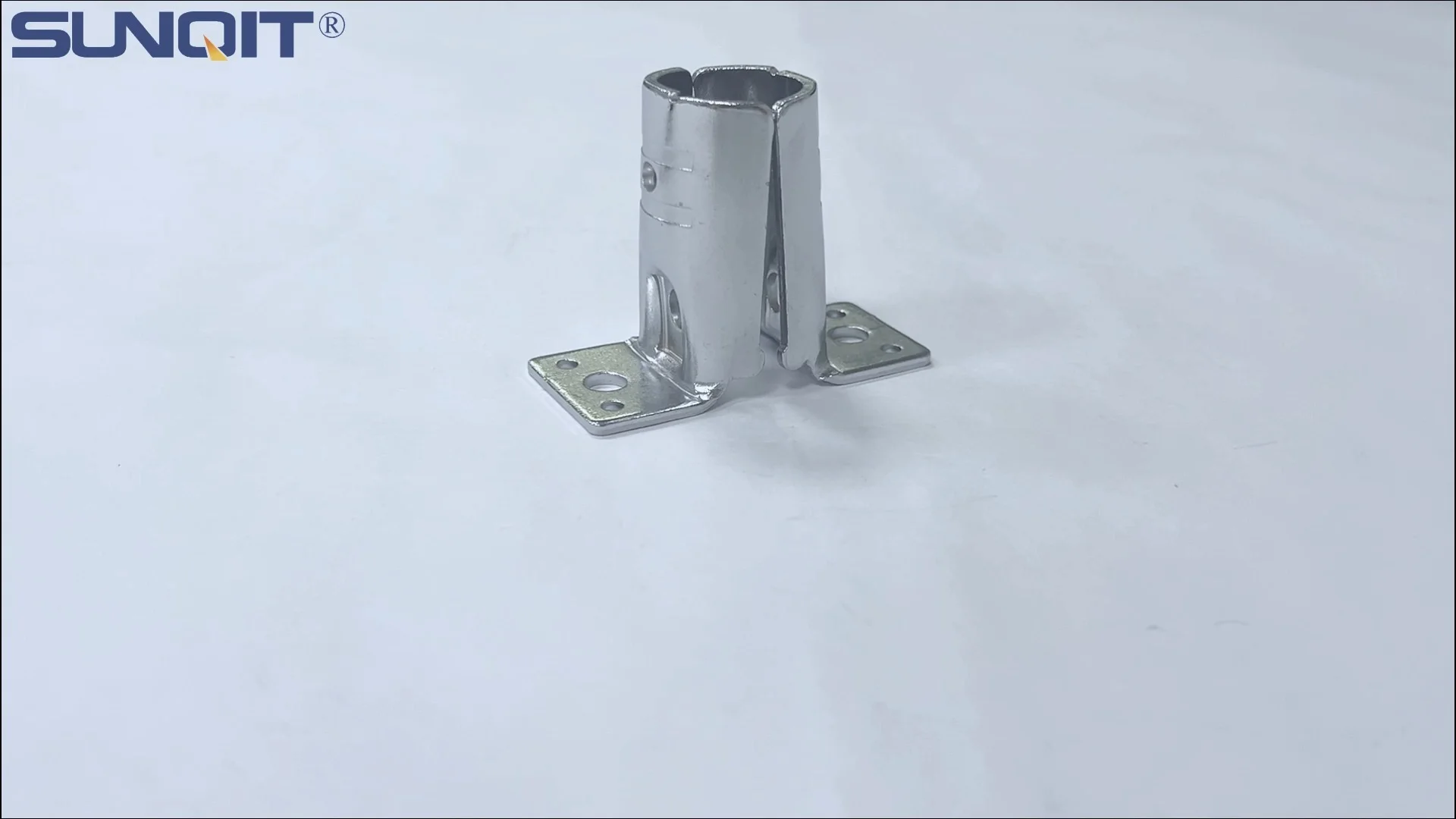
How a Thin Layer of Chromium Transforms Durability in Lean Manufacturing Systems
The Backbone of Lean Systems: Why Vertical Lean Pipe Joints Matter
Walk through any modern manufacturing facility, and you'll likely see the hallmarks of a well-optimized operation: streamlined assembly lines, organized workbenches, and material racks that seem to effortlessly guide components from one station to the next. Behind this efficiency lies a lean system —a philosophy built on minimizing waste, maximizing productivity, and creating workflows that adapt to changing demands. But for all the planning that goes into lean principles, the physical components that bring these systems to life often fly under the radar. Among these unsung heroes? The vertical lean pipe joint .
Vertical lean pipe joints are the quiet workhorses of lean manufacturing setups. They're the connectors that hold together the aluminum pipes, material racks, and workbenches that form the backbone of assembly lines, warehouses, and production floors. Whether supporting a heavy-duty material rack, stabilizing a workstation, or linking layers of a multi-tiered storage system, these joints bear constant weight, endure daily wear, and face off against the harsh conditions of industrial environments. And in a world where downtime costs manufacturers thousands of dollars per minute, the reliability of these small but critical components can make or break an operation.
But not all vertical lean pipe joints are created equal. In environments where moisture, chemicals, or even just humidity are present, unprotected metal joints can corrode, weaken, and eventually fail. That's where chrome plating comes in. Specifically, vertical lean pipe joint chrome —joints treated with a thin layer of chromium—offers a solution that goes beyond basic durability. In this article, we'll dive deep into why chrome plating is a game-changer for vertical lean pipe joints, with a focus on its most critical benefit: corrosion resistance. We'll explore how it works, why it matters in manufacturing, and how it stacks up against alternatives, so you can make informed choices for your own lean system.
What Is Chrome Plating, and Why Apply It to Vertical Lean Pipe Joints?
Before we can appreciate the benefits of chrome plating on vertical lean pipe joints, let's start with the basics: What exactly is chrome plating, and how does it transform a standard metal joint into a corrosion-resistant powerhouse?
Chrome plating, or chromium plating, is an electroplating process where a thin layer of chromium is deposited onto the surface of a metal object— in this case, a vertical lean pipe joint. The process typically involves submerging the joint in a chromic acid solution and passing an electric current through it, causing chromium ions to bond to the joint's surface. The result is a hard, smooth layer that adheres tightly to the base metal (often steel or aluminum), creating a barrier between the joint and the outside world.
There are two main types of chrome plating: decorative chrome and hard chrome. Decorative chrome is thin (usually 0.0002 to 0.0004 inches thick) and often used for aesthetic purposes, like on car bumpers or furniture hardware. Hard chrome, on the other hand, is much thicker (0.001 to 0.020 inches) and designed for durability. When we talk about vertical lean pipe joint chrome , we're almost always referring to hard chrome plating. This thicker layer is engineered to withstand abrasion, impact, and—most importantly for our discussion—corrosion.
So why apply this process to vertical lean pipe joints specifically? Vertical joints are uniquely vulnerable in lean systems. Unlike horizontal joints, which may primarily bear weight from above, vertical joints often support lateral forces (like when a worker leans on a rack), experience more movement (as materials are loaded and unloaded), and are more likely to come into contact with floor-level moisture, cleaning chemicals, or spilled oils. In short, they're on the front lines of industrial wear and tear. Chrome plating transforms these vulnerable points into fortified connections, ensuring that the joints don't just hold up—they thrive—even in the toughest conditions.

The Hidden Enemy: Why Corrosion Is a Silent Threat to Lean Systems
Corrosion is the manufacturing world's silent saboteur. It doesn't happen overnight, and its early stages are often invisible to the naked eye. But over time, it eats away at metal, weakens structural integrity, and turns reliable components into ticking time bombs. For vertical lean pipe joints, which are critical to the stability of entire lean systems, corrosion isn't just a maintenance issue—it's a threat to safety, productivity, and profitability.
Let's break down why corrosion is such a problem in industrial settings. Manufacturing facilities are harsh environments. Think about it: floors are regularly hosed down with cleaning solutions, humidity levels can spike in poorly ventilated areas, and chemicals like coolants, lubricants, or even simple salt from workers' boots can find their way onto metal surfaces. In food processing or pharmaceutical plants, sanitizing agents are even more aggressive. All of these factors create the perfect storm for corrosion, which occurs when metal reacts with oxygen and moisture to form rust (iron oxide) or other corrosive byproducts.
For vertical lean pipe joints, the consequences of corrosion are dire. A corroded joint loses its grip on the pipes it's supposed to connect, leading to wobbly racks, unstable workbenches, or even collapsed material storage systems. This isn't just about replacing a joint; it's about the downtime required to fix the issue, the risk of injury to workers, and the potential damage to expensive equipment or products. In one case study from a mid-sized automotive parts manufacturer, a single corroded vertical joint in a material rack caused a shelf to collapse, damaging $15,000 worth of components and halting production for three hours. The joint itself cost less than $20—but the indirect costs were astronomical.
Even minor corrosion can be problematic. As rust forms, it creates a rough, uneven surface that traps dirt, grime, and more moisture, accelerating further decay. This not only shortens the joint's lifespan but also makes cleaning harder—a critical issue in industries like food processing or electronics manufacturing, where hygiene and contamination control are non-negotiable. In cleanrooms, for example, a corroded joint could shed particles that compromise sensitive products like semiconductors or medical devices.
The bottom line? Corrosion isn't just a cosmetic concern for vertical lean pipe joints. It's a threat to the very foundation of a lean system, which relies on consistency, reliability, and efficiency. And that's where chrome plating steps in as a powerful defense.

How Chrome Plating Shields Vertical Lean Pipe Joints from Corrosion
So, how exactly does a thin layer of chromium protect vertical lean pipe joints from the corrosive forces of industrial environments? The answer lies in two key properties of chrome plating: its ability to act as a physical barrier and its chemical resistance. Let's break it down.
The Barrier Effect: Keeping Corrosives Out
At its most basic level, chrome plating acts like a suit of armor for the underlying metal of the vertical lean pipe joint. The chromium layer is dense, continuous, and tightly bonded to the base metal (usually steel or aluminum), creating an impenetrable shield that blocks moisture, oxygen, and chemicals from reaching the metal underneath. Unlike paint or powder coating, which can chip or peel over time, chrome plating adheres so strongly that it moves with the metal as it expands or contracts with temperature changes—meaning no cracks, gaps, or weak points for corrosion to exploit.
This barrier effect is especially critical for vertical joints, which are often in contact with the ground or lower parts of a rack where moisture tends to pool. Imagine a material rack in a warehouse: after a floor cleaning, water might seep into the base of the rack, where the vertical joints connect to the floor or lower horizontal pipes. An unplated joint would absorb that moisture, leading to rust. But a chrome-plated joint? The water beads up and runs off, unable to reach the metal beneath. It's a simple but effective defense mechanism.
Chemical Resistance: Chromium vs. Corrosive Agents
Beyond acting as a physical barrier, chromium itself is highly resistant to many of the chemicals found in manufacturing environments. Chromium oxide, the thin layer that forms naturally on the surface of chrome plating (thanks to exposure to oxygen), is inert and stable, meaning it doesn't react with acids, alkalis, or salts—common culprits in industrial corrosion. This makes vertical lean pipe joint chrome ideal for use in settings where cleaning agents, coolants, or even saltwater (in coastal manufacturing facilities) are present.
For example, in a seafood processing plant, where saltwater mist is in the air and cleaning solutions are strong, unplated steel joints would rust within months. Chrome-plated joints, however, remain unaffected because the chromium oxide layer repels both the salt and the chemicals, preventing them from interacting with the base metal. This chemical resistance isn't just about longevity; it's about maintaining performance. A joint that resists chemical attack stays strong, ensuring the stability of the entire lean system.
Self-Healing Properties: Minor Scratches, No Problem
Even the toughest plating can get scratched—after all, vertical lean pipe joints are subject to regular bumps from forklifts, pallet jacks, or heavy tools. But chrome plating has a hidden advantage: minor scratches can actually "self-heal" to some degree. When the chromium layer is scratched, the exposed chromium reacts quickly with oxygen in the air to form a new layer of chromium oxide, sealing the scratch and preventing further corrosion. This isn't a perfect fix for deep gouges, but for the small nicks and scrapes that come with daily use, it's enough to keep the joint protected.
Compare this to an unplated steel joint: a scratch exposes the bare metal, which immediately starts rusting. That rust then spreads, weakening the joint from the inside out. Chrome plating, by contrast, turns a potential weakness into a non-issue, ensuring that even well-used joints stay corrosion-free for years.

Beyond Corrosion: Other Perks of Chrome Plated Vertical Lean Pipe Joints
While corrosion resistance is the star benefit of vertical lean pipe joint chrome , it's far from the only advantage. Chrome plating transforms these joints into all-around performers, offering benefits that enhance everything from durability to ease of use. Let's explore a few of these additional perks.
Unmatched Wear Resistance: Standing Up to Daily Abuse
Manufacturing floors are rough places for equipment. Vertical lean pipe joints are constantly under stress: pipes are adjusted, racks are loaded and unloaded, and workers lean or bump into them. Hard chrome plating is one of the hardest surface treatments available, with a hardness rating of 65-70 HRC (Rockwell Hardness Scale)—harder than most steels and even some ceramics. This means chrome-plated joints can withstand friction, impact, and abrasion that would wear down unplated or even stainless steel joints.
Take, for example, a vertical joint in a high-traffic assembly line where workers regularly slide bins or tools along a rack. An unplated joint would develop scratches and dents over time, weakening its grip. A chrome-plated joint, however, maintains its smooth surface and structural integrity, even after years of use. This wear resistance translates to longer lifespans, fewer replacements, and lower maintenance costs over time.
Smooth, Low-Friction Surface: Easier Adjustments and Cleaning
Chrome plating leaves behind a smooth, glossy surface that's a joy to work with. Unlike rough, unplated metal or even painted joints, chrome-plated vertical lean pipe joints glide when adjusted, making it easier to reconfigure lean systems as production needs change. This is a huge plus for lean manufacturing, where flexibility is key—if you need to raise a shelf, add a new layer to a rack, or reposition a workstation, chrome-plated joints make the process quick and hassle-free.
The smooth surface also makes cleaning a breeze. Dirt, oil, and grime don't stick to chrome like they do to porous or corroded metal. A quick wipe with a damp cloth is often enough to keep joints clean, which is critical in environments where hygiene is important (like pharmaceutical manufacturing) or where dust could damage sensitive equipment (like electronics assembly). In one electronics plant we spoke with, switching to chrome-plated joints reduced cleaning time for workbenches by 30%, freeing up workers to focus on more value-added tasks.
Aesthetic Appeal: Looking Professional in Any Setting
While functionality is king in manufacturing, appearance still matters—especially in facilities that host clients, auditors, or tours. Chrome-plated vertical lean pipe joints have a sleek, modern look that elevates the overall appearance of lean systems. They add a touch of professionalism that unplated, rust-prone joints simply can't match. This might seem like a minor point, but in industries where quality is a selling point, a clean, well-maintained facility sends a powerful message to customers and stakeholders.
Compatibility with Lean Pipe and Accessories
Chrome-plated vertical lean pipe joints play well with others. They're designed to work seamlessly with standard lean pipes, aluminum profiles, casters, and other accessories, making them easy to integrate into existing lean systems. Whether you're building a new workstation from scratch or upgrading an old material rack, chrome-plated joints won't require special tools or custom parts—they fit right into the modular ecosystem of lean manufacturing components.
Chrome vs. the Alternatives: How Vertical Lean Pipe Joint Chrome Stacks Up
Chrome plating isn't the only option for protecting vertical lean pipe joints from corrosion. Manufacturers can also choose unplated steel, stainless steel (from the stainless steel pipe series ), or even aluminum joints. But how do these alternatives compare? Let's take a closer look with a side-by-side comparison.
| Feature | Chrome Plated Vertical Lean Pipe Joints | Unplated Steel Joints | Stainless Steel Joints (Stainless Steel Pipe Series) | Aluminum Joints |
|---|---|---|---|---|
| Corrosion Resistance | Excellent (barrier + chemical resistance) | Poor (rusts quickly in moist environments) | Very Good (contains chromium, but less hard than chrome plating) | Good (forms oxide layer, but softer than chrome) |
| Wear Resistance | Excellent (65-70 HRC hardness) | Fair (soft steel prone to scratches) | Good (50-55 HRC) | Poor (soft, prone to dents) |
| Cost | Moderate (higher than unplated, lower than stainless steel) | Lowest (cheap upfront, but high replacement costs) | Highest (premium material cost) | Moderate-High (aluminum is pricier than steel) |
| Maintenance | Low (wipe clean, no rust removal) | High (regular rust removal, frequent replacement) | Low (resistant to corrosion, but can still scratch) | Low (oxide layer self-heals, but soft surface needs care) |
| Flexibility/Adjustability | High (smooth surface for easy reconfiguration) | Low (rough, corroded surface makes adjustments hard) | High (smooth, but heavier than chrome-plated steel) | High (lightweight, but softness can make tightening tricky) |
| Best For | High-moisture, high-wear environments (manufacturing, food processing, automotive) | Dry, low-use settings (temporary setups, non-critical storage) | Extreme corrosion environments (marine, chemical processing) | Lightweight, low-corrosion settings (electronics, cleanrooms) |
As the table shows, chrome plated vertical lean pipe joints strike a perfect balance between performance and cost. They outperform unplated steel in every category and offer better wear resistance than aluminum or even stainless steel, all at a lower price point than stainless steel. For most manufacturing, warehousing, and assembly applications, chrome plating is the clear winner—providing the corrosion resistance, durability, and flexibility needed to keep lean systems running smoothly.
Stainless steel joints, while corrosion-resistant, are significantly more expensive and heavier, making them overkill for many standard lean setups. Aluminum joints are lightweight but soft, making them a poor choice for heavy-duty applications. Unplated steel is cheap upfront, but the cost of frequent replacements and downtime quickly erodes any savings. When you factor in the total cost of ownership—initial price, maintenance, and lifespan—chrome plated vertical lean pipe joints come out on top.
Real-World Success: How Chrome Plated Joints Transformed These Operations
To truly understand the impact of vertical lean pipe joint chrome , let's look at a few real-world examples of manufacturers that made the switch—and never looked back.
Case Study 1: Automotive Parts Manufacturer Cuts Downtime by 75%
A large automotive parts manufacturer in the Midwest was struggling with frequent joint failures in its material handling racks. The plant produced suspension components, and the racks that stored these heavy parts relied on vertical lean pipe joints to support multiple tiers of shelving. The problem? The plant's washdown process—used to clean floors of oil and grease—left joints damp, leading to rust and corrosion. Every 3-4 months, maintenance crews had to replace dozens of joints, costing $2,000 per replacement cycle and requiring 8 hours of downtime each time.
In 2022, the plant switched to chrome-plated vertical lean pipe joints. The results were dramatic. After 18 months, only 2 out of 200 joints needed replacement—a 99% reduction in failures. Downtime for joint replacements dropped to just 1 hour per year, and maintenance costs plummeted to $150 annually. "It was a no-brainer," said the plant manager. "The chrome joints just laugh at our washdowns. We haven't had a single rust-related failure since the switch."
Case Study 2: Food Processing Plant Improves Hygiene and Compliance
A regional food processing plant that produces frozen vegetables faced a different challenge: meeting strict FDA hygiene standards. The plant's existing unplated steel joints in its packaging line workbenches were prone to rust, creating crevices where bacteria could hide. During audits, inspectors repeatedly flagged these joints as a contamination risk, threatening the plant's certification.
The solution? Replacing all unplated joints with vertical lean pipe joint chrome . The smooth, non-porous surface of the chrome plating made cleaning easier, and the corrosion resistance ensured joints stayed rust-free even in the high-humidity environment of the frozen food facility. In the next FDA audit, the plant received a perfect score for hygiene, with inspectors noting the "exemplary condition" of the workbench joints. "Chrome plating turned a compliance headache into a selling point," said the plant's quality control manager. "Our customers love knowing we're using the cleanest equipment possible."
Case Study 3: Electronics Assembler Boosts Flexibility and Longevity
A contract electronics manufacturer in California needed a lean system that could adapt quickly to changing client demands. The company's assembly lines were reconfigured every 4-6 weeks to produce different circuit boards, and the unplated steel joints in their workstations were making adjustments slow and frustrating. The rough, corroded surfaces of the joints made it hard to loosen or tighten pipes, leading to delays and worker frustration.
After switching to chrome-plated vertical lean pipe joints, the company saw immediate improvements. The smooth, low-friction surface of the joints made reconfiguring workstations 50% faster, cutting changeover time from 6 hours to 3 hours. Additionally, the joints' wear resistance meant they maintained their performance even after dozens of adjustments. "Our workers used to dread reconfiguring lines," said the operations director. "Now, they can't believe how easy it is. Chrome plating didn't just make the joints last longer—it made our entire team more efficient."
Choosing the Right Chrome Plated Vertical Lean Pipe Joints: What to Look For
Now that you're convinced of the benefits of vertical lean pipe joint chrome , how do you choose the right ones for your operation? Not all chrome-plated joints are created equal, and selecting the wrong product can lead to disappointment. Here are the key factors to consider when shopping for chrome plated vertical lean pipe joints.
Plating Thickness: Thicker Isn't Always Better—But It's Important
Chrome plating thickness is measured in microns (1 micron = 0.001 mm). For vertical lean pipe joints, look for a plating thickness of 20-30 microns for most industrial applications. Thinner plating (less than 15 microns) may not provide adequate corrosion or wear resistance, while thicker plating (over 40 microns) can be brittle and prone to chipping. Ask suppliers for documentation on plating thickness—reputable manufacturers will be happy to provide it.
Base Metal Quality: A Strong Foundation Matters
Chrome plating is only as good as the metal underneath it. Cheap, low-quality steel joints may have impurities or inconsistencies that lead to plating failure (like peeling or bubbling). Look for joints made from high-grade steel (mild steel or low-carbon steel) that's been properly cleaned and prepared before plating. A smooth, well-prepared base metal ensures the chrome adheres tightly and evenly.
Adhesion Testing: Ensuring the Plating Stays Put
Even with the right thickness and base metal, poor adhesion can ruin a chrome-plated joint. Ask suppliers about adhesion testing—common tests include the bend test (bending the joint to see if plating cracks or peels) and the scratch test (using a tool to see if plating lifts). A joint that passes these tests is more likely to hold up in real-world conditions.
Certifications and Standards: Trust the Experts
Look for joints that meet industry standards for plating quality and safety. ISO 4527 (specifications for decorative and functional chromium plating) is a good benchmark, as it ensures the plating is free from defects like pits, cracks, or blisters. Additionally, if you're in a regulated industry (like food processing or aerospace), look for joints that meet specific certifications (e.g., FDA compliance for food contact, RoHS compliance for electronics).
Supplier Reputation: Work with a Trusted Partner
Finally, choose a reputable lean pipe supplier with experience in chrome-plated components. A good supplier will offer technical support, help you select the right joint for your application, and stand behind their products with warranties. Avoid fly-by-night vendors offering suspiciously low prices—chances are, their plating quality is subpar.
By focusing on these factors, you can ensure you're getting chrome plated vertical lean pipe joints that deliver on their promise of corrosion resistance, durability, and performance.
Conclusion: Chrome Plating—The Secret to Stronger, Smarter Lean Systems
In the world of lean manufacturing, success lies in the details. It's about optimizing every workflow, eliminating waste, and building systems that are as resilient as they are efficient. And at the heart of these systems are the small, often overlooked components that hold everything together—like the vertical lean pipe joint .
Chrome plating transforms these humble joints from potential weak points into pillars of strength. By providing unmatched corrosion resistance, it shields joints from the moisture, chemicals, and wear of industrial environments, ensuring they last longer, perform better, and require less maintenance. But the benefits don't stop there: chrome plating also offers superior wear resistance, a smooth surface for easy adjustments, and even aesthetic appeal—all at a price point that makes it accessible for manufacturers of all sizes.
Whether you're running an automotive plant, a food processing facility, or an electronics assembly line, vertical lean pipe joint chrome is an investment that pays dividends. It reduces downtime, cuts maintenance costs, improves safety, and helps you meet the strict standards of your industry. As the case studies show, the switch to chrome-plated joints isn't just about upgrading components—it's about transforming your operation into a more efficient, reliable, and profitable business.
So the next time you walk through your manufacturing facility, take a moment to appreciate the vertical lean pipe joints holding everything together. And if they're not chrome plated? Maybe it's time to make the switch. Your lean system—and your bottom line—will thank you.