- Company Articles
- Products and Technology
- Product knowledge
- Chrome Plating Process for Parallel Lean Pipe Joints: From Raw Material to Finished Product

Chrome Plating Process for Parallel Lean Pipe Joints: From Raw Material to Finished Product
Related Product
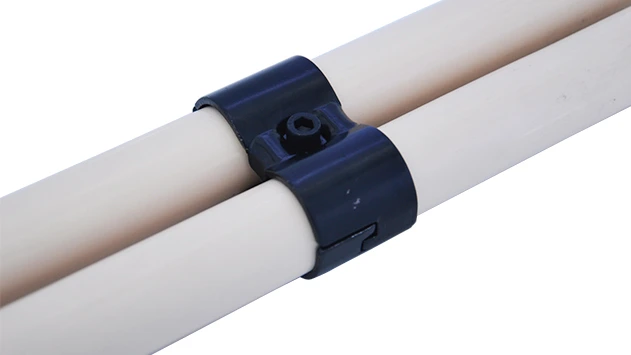
Parallel Lean Pipe Joint
Parallel lean pipe joint used for 2 pcs 28MM lean pipe connection in parallel direction to enhance frame structure, usually for heavy payload requirement for workbench. flow rack, hand trolley.
Introduction: The Unsung Heroes of Lean Systems
Walk into any modern manufacturing facility, and you'll likely see a network of workbenches, flow racks, and conveyors working in harmony to keep production moving. Behind this seamless flow lies a critical component that often goes unnoticed: the parallel lean pipe joint. These unassuming connectors are the backbone of lean systems, holding together the structures that streamline workflows, reduce waste, and boost efficiency. But what makes a parallel lean pipe joint truly reliable? More often than not, it's the chrome plating that coats its surface—adding durability, corrosion resistance, and a professional finish that stands up to the rigors of daily use.
In this article, we'll take a deep dive into the chrome plating process for parallel lean pipe joints, tracing the journey from raw material selection to the final, ready-to-install product. Whether you're a production manager looking to understand your supply chain better or a curious enthusiast eager to learn about industrial craftsmanship, this guide will demystify the steps that transform a simple metal part into a long-lasting, high-performance component of lean systems worldwide.
Raw Material Selection: The Foundation of Quality
Before any plating can begin, the right raw materials must be chosen. Parallel lean pipe joints are typically made from metals that balance strength, cost, and machinability. While aluminum lean pipe and stainless steel pipe series are common in lean systems, parallel joints often start as steel or stainless steel blanks. Why? Steel offers excellent structural integrity, making it ideal for supporting the weight of materials and equipment on the factory floor. Stainless steel, on the other hand, brings inherent corrosion resistance—a bonus that, when combined with chrome plating, creates a joint that can withstand humid environments, chemical exposure, and frequent cleaning.
The selection process isn't just about picking a metal type, though. Suppliers also pay close attention to material purity. Even small impurities in the base metal can weaken the plating adhesion later, leading to flaking or premature wear. For example, high-carbon steel might be strong, but if it contains excess sulfur or phosphorus, it can create weak points in the surface. That's why reputable lean pipe and accessories suppliers source materials from certified mills, ensuring each batch meets strict quality standards before it ever reaches the plating facility.
Once the base material is selected, it's shaped into the familiar form of a parallel lean pipe joint. This involves machining—cutting, drilling, and forming the metal into a connector that can attach two or more lean pipes at precise angles. At this stage, the joint is rough around the edges, with sharp corners and a matte finish. But this is just the beginning; the real transformation starts with pre-plating preparation.

Pre-Plating Preparation: Getting the Surface Ready
Imagine trying to paint a dirty wall—the paint would peel, bubble, and look uneven. The same principle applies to chrome plating: a clean, properly prepared surface is essential for the chromium to bond effectively. Pre-plating preparation is a multi-step process that removes contaminants, smooths imperfections, and primes the metal for plating. Let's break down the key steps:
Degreasing: Removing Oils and Grime
After machining, parallel lean pipe joints are covered in oils, coolants, and fingerprints—leftovers from the manufacturing process. These contaminants act as barriers, preventing the plating solution from adhering to the metal. To remove them, joints undergo a degreasing bath. Depending on the level of contamination, this might involve immersion in a hot alkaline solution, ultrasonic cleaning (where high-frequency sound waves dislodge tiny particles), or vapor degreasing with solvents. The goal? A surface so clean that water sheets off it evenly—a telltale sign that oils are gone.
Pickling: Etching Away Oxides
Even after degreasing, metals like steel develop a thin oxide layer when exposed to air. This layer, often invisible to the naked eye, can interfere with plating adhesion. Enter pickling: a chemical bath (usually nitric or hydrochloric acid) that etches away oxides and prepares the surface for plating. For stainless steel pipe series, pickling is especially critical, as it removes heat tint from welding or machining, ensuring the chromium in the alloy can react properly with the plating solution later.
Polishing: Smoothing the Surface
Next, the joints are polished to remove scratches, tool marks, and other imperfections. This step isn't just about aesthetics—though a smooth surface does result in a shinier finish. Polishing also creates a uniform texture that helps the chromium deposit evenly. Depending on the desired finish, joints might be buffed with abrasive wheels, sandblasted for a matte look, or even electropolished for a mirror-like shine. For parallel lean pipe joints used in visible areas (like customer-facing workbenches), a high-gloss polish is often preferred to enhance the overall appearance of the lean system.

The Chrome Plating Process: Electroplating in Action
With the surface prepped, it's time for the star of the show: chrome plating. This isn't just a coat of paint; it's an electrochemical process that bonds a layer of chromium atoms to the surface of the parallel lean pipe joint. Here's how it works:
Setting Up the Plating Bath
Chrome plating is typically done using a solution called chromic acid, mixed with sulfuric acid to act as a catalyst. The bath is heated to around 45–55°C (113–131°F) and maintained at a specific pH level to ensure the chromium ions (Cr³⁺) are free to move and bond with the metal. The tank also contains lead anodes—electrodes that supply the positive charge needed for the reaction.
Electroplating: The Dance of Ions
The cleaned and polished parallel lean pipe joints are hung from racks and submerged in the plating bath, acting as the cathode (negative electrode). When an electric current is applied, the chromic acid solution splits, releasing chromium ions that are attracted to the negatively charged joint. As the ions reach the surface, they gain electrons and deposit as metallic chromium, layer by layer. The process is carefully controlled: the current density (measured in amps per square foot), plating time, and bath temperature all determine the thickness and quality of the chrome layer. Most parallel lean pipe joints receive a plating thickness of 0.0005–0.001 inches—thick enough to protect against wear but thin enough to avoid altering the joint's precise dimensions.
Hard Chrome vs. Decorative Chrome: What's the Difference?
You might hear the terms "hard chrome" and "decorative chrome" thrown around, and they're not interchangeable. Decorative chrome is thin (often under 0.0002 inches) and layered over nickel to create a bright, reflective finish—think car bumpers or faucets. Hard chrome, on the other hand, is thicker, harder, and designed for durability. Parallel lean pipe joints almost always use hard chrome plating, as it resists scratches, corrosion, and impact better than its decorative counterpart. This hardness is measured using the Rockwell scale, with hard chrome typically rating between 65–70 HRC—harder than most steels and even some tool metals.
Post-Plating Treatment: Ensuring Longevity
Once the plating is complete, the work isn't over. The newly chromed parallel lean pipe joints need post-treatment to remove excess solution, prevent staining, and enhance their performance. Here's what happens next:
Rinsing and Drying
First, the joints are removed from the plating bath and rinsed thoroughly in deionized water to wash away any remaining chromic acid. Even tiny traces of acid can cause pitting or discoloration over time, so rinsing is done in multiple stages—sometimes with agitation or spray nozzles to ensure every crevice is clean. After rinsing, the joints are dried, often with hot air or centrifugal dryers, to prevent water spots and corrosion.
Passivation: Sealing the Surface
For extra protection, some joints undergo passivation—a chemical treatment that forms a protective oxide layer on the chrome surface. This layer acts as a barrier against moisture and chemicals, further enhancing corrosion resistance. Passivation is especially common for parallel lean pipe joints used in humid environments or industries like food processing, where cleanliness and durability are non-negotiable.
Final Inspection: The Quality Check
Before the joints are deemed ready, they undergo a rigorous inspection. Technicians check for plating thickness using X-ray fluorescence (XRF) meters, ensuring it meets specifications. They also test adhesion by bending the joint (gently!) to see if the chrome cracks or peels—a sign of poor bonding. Visual inspections look for pits, blisters, or uneven coverage, and dimensional checks ensure the plating hasn't altered the joint's fit (critical for compatibility with lean pipe and accessories). Only joints that pass all these tests move on to the next stage.
Quality Control: From Start to Finish
Quality control isn't a one-time step—it's woven into every stage of the chrome plating process. Let's take a closer look at how suppliers ensure each parallel lean pipe joint meets the highest standards:
| Stage | Quality Check | Why It Matters |
|---|---|---|
| Raw Material | Material certification review; chemical composition testing | Ensures the base metal has the right strength and corrosion resistance. |
| Pre-Plating | Water break test (for degreasing); surface roughness measurement | Confirms the surface is clean and smooth enough for plating adhesion. |
| Plating | Current density monitoring; bath chemistry analysis | Maintains consistent plating thickness and quality. |
| Post-Plating | Adhesion testing; corrosion resistance (salt spray test) | Verifies the chrome layer will hold up under real-world conditions. |
| Final Product | Dimensional inspection; visual defect check | Ensures the joint fits with other lean pipe and accessories. |
One of the most rigorous tests is the salt spray test, where joints are exposed to a mist of saltwater for hundreds of hours to simulate years of outdoor or humid exposure. A well-chromed joint should show no signs of rust or corrosion after this test—proof that it's ready to withstand the demands of a busy factory floor.
Applications: Where Chrome-Plated Parallel Lean Pipe Joints Shine
Now that we understand how they're made, let's explore where these chrome-plated joints are used. Their durability and corrosion resistance make them indispensable in a variety of lean system applications:
Workbenches and Assembly Stations
In assembly lines, workbenches take a beating—tools are dropped, parts are dragged across surfaces, and spills are common. Chrome-plated parallel lean pipe joints ensure the bench frame stays sturdy and rust-free, even with daily use. They also resist chemicals like lubricants and cleaning agents, keeping the workbench looking professional for years.
Flow Racks and Material Handling
Flow racks rely on gravity to move materials from one station to the next, and their frames must support heavy loads without bending. The strength of chrome-plated joints, combined with their smooth surface (which resists snags), ensures materials flow freely and the rack remains stable over time.
Conveyors and Automated Systems
Conveyors operate 24/7 in many facilities, exposing their components to constant vibration and wear. Chrome-plated parallel lean pipe joints stand up to this stress, maintaining alignment and reducing the need for frequent repairs. Their corrosion resistance is also a boon in food or pharmaceutical plants, where strict hygiene standards require regular cleaning with harsh chemicals.
Conclusion: The Art and Science of Chrome Plating
From the selection of raw materials to the final inspection, the chrome plating process for parallel lean pipe joints is a blend of science, skill, and attention to detail. It's a process that transforms a simple metal part into a component that not only holds structures together but also enhances the efficiency, durability, and safety of lean systems worldwide. The next time you walk through a factory and see those sleek workbenches or smoothly flowing racks, take a moment to appreciate the parallel lean pipe joint—and the chrome plating that makes it all possible.
For manufacturers and suppliers, investing in high-quality chrome plating isn't just about producing a better product; it's about building trust. When a customer chooses a lean pipe supplier, they're not just buying a joint—they're buying reliability, longevity, and peace of mind. And in the world of lean manufacturing, where every second and every cent counts, that's a value that can't be overstated.