- Company Articles
- Products and Technology
- Product knowledge
- Chrome Plating Process for Two Way Lean Pipe Joints: Eco-Friendly Practices

Chrome Plating Process for Two Way Lean Pipe Joints: Eco-Friendly Practices
Related Product
Two Way Lean Pipe Joint
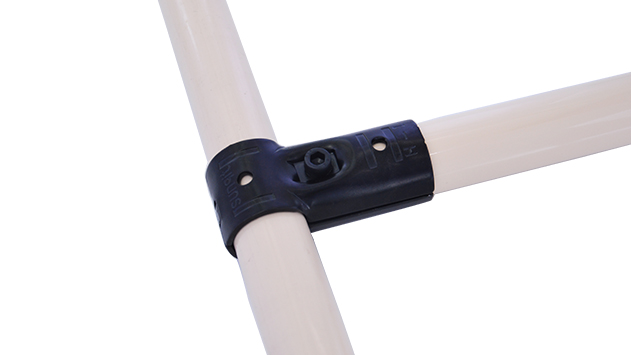
Two way lean pipe joint for 2 pcs 28MM lean pipe connection in straight angle, which used widely in workbench, flow rack, hand trolley frame connection.
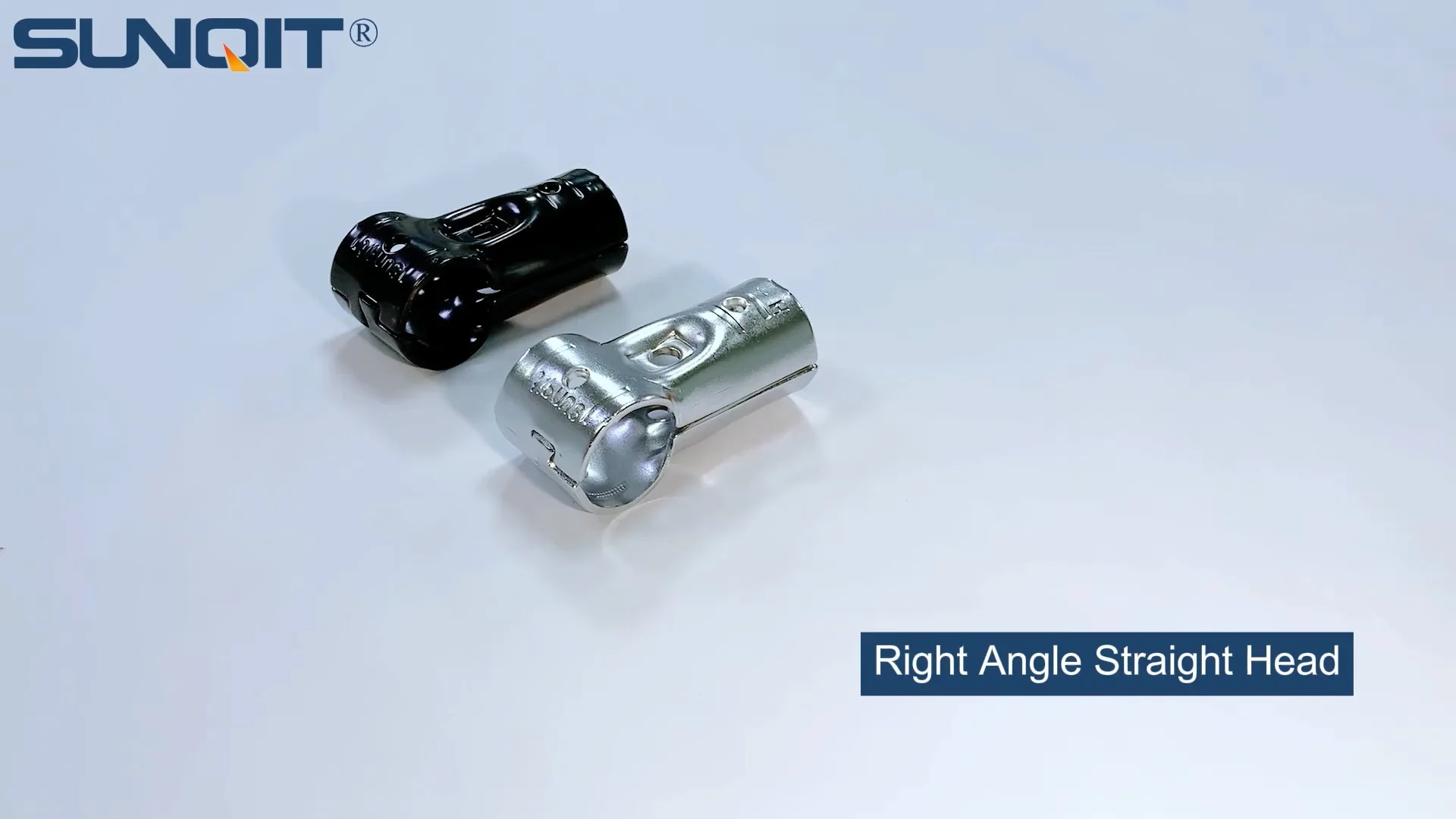
In the bustling world of manufacturing, where efficiency and adaptability reign supreme, there's a quiet workhorse that keeps operations running smoothly: the lean pipe joint. These unassuming components are the backbone of lean systems, holding together everything from workbenches and flow racks to conveyor systems and assembly lines. Among them, the two way lean pipe joint stands out as a versatile linchpin, allowing for flexible, two-directional connections that make reconfiguring workspaces a breeze. But what makes these joints truly reliable? Often, it's the protective layer of chrome plating that shields them from wear, corrosion, and the daily grind of factory life. Yet, as industries worldwide pivot toward sustainability, the way we plate these critical components is undergoing a transformation. Today, we're diving into the eco-friendly practices reshaping the chrome plating process for two way lean pipe joints—proving that even the smallest parts can drive big change in green manufacturing.
Understanding Two Way Lean Pipe Joints: The Unsung Heroes of Lean Systems
Before we delve into plating, let's take a moment to appreciate the two way lean pipe joint itself. In the realm of lean manufacturing, flexibility is key. Factories need to adapt quickly to new production demands, reconfigure workstations for different tasks, and minimize waste in every process. That's where lean pipe joints come in, acting as the "building blocks" that connect lean pipes (often made from materials like aluminum or stainless steel pipe series) into custom structures. A two way joint, as the name suggests, allows pipes to connect in two directions—think of it as a T-junction or an L-shape that lets you branch out your setup without complicated tools or permanent fixtures.
These joints are designed to be strong yet simple. Made from durable materials like steel or aluminum, they're engineered to withstand the weight of tools, materials, and daily use. But even the toughest metals need protection. In a factory environment, joints are exposed to moisture, oils, chemicals, and constant friction as pipes are adjusted or moved. Over time, this can lead to rust, corrosion, or wear, weakening the joint and compromising the stability of the entire structure. That's where chrome plating steps in: a thin layer of chromium applied to the joint's surface that acts as a barrier, enhancing durability, reducing friction, and giving the joint a sleek, professional finish.
The Traditional Chrome Plating Problem: Toxicity in the Name of Durability
For decades, chrome plating relied on a chemical called hexavalent chromium (Cr⁶⁺), a compound known for its ability to create a hard, shiny, corrosion-resistant surface. The process was straightforward: immerse the joint in a bath of hexavalent chromium solution, apply an electric current, and watch as chromium ions bonded to the metal surface. The result? A joint that could stand up to years of use. But there was a dark side: hexavalent chromium is highly toxic. Even small amounts can contaminate water sources, harming aquatic life and disrupting ecosystems. For factory workers, prolonged exposure increases the risk of respiratory issues, skin diseases, and even certain cancers. Regulatory bodies like the EPA and EU's REACH have cracked down on its use, setting strict limits on emissions and waste disposal. For manufacturers, this meant rising compliance costs and a growing pressure to find greener alternatives.
The Shift to Eco-Friendly Chrome Plating: Trivalent Chromium and Beyond
Enter trivalent chromium (Cr³⁺), the safer, more sustainable cousin of hexavalent chromium. Trivalent chromium plating emerged as a game-changer, offering similar durability and corrosion resistance without the toxic downsides. Unlike its hexavalent counterpart, trivalent chromium is less harmful to humans and the environment; in fact, it's a naturally occurring element found in foods like broccoli and whole grains. But the benefits don't stop there. Eco-friendly plating processes also incorporate innovations like closed-loop systems, which recycle rinse water and recover unused chemicals, drastically reducing waste. Some manufacturers are even exploring chrome-free alternatives, such as zinc-nickel alloys or ceramic coatings, though these are still gaining traction for high-wear applications like lean pipe joints.
Why Go Eco-Friendly? It's About More Than Compliance
You might be wondering: if traditional plating works, why bother switching? The answer lies in the triple bottom line: people, planet, and profit. For starters, eco-friendly plating protects workers. By eliminating hexavalent chromium, factories reduce health risks, leading to fewer workplace injuries and lower healthcare costs. For the planet, it means less pollution—no more toxic runoff into rivers or harmful emissions into the air. And for businesses, the benefits are clear: meeting strict environmental regulations (like the EU's RoHS directive or California's Proposition 65) avoids costly fines, while adopting green practices appeals to eco-conscious customers and boosts brand reputation. In a market where sustainability is increasingly a differentiator, eco-friendly plated two way lean pipe joints aren't just a "nice-to-have"—they're a competitive advantage.

Step-by-Step: The Eco-Friendly Chrome Plating Process for Two Way Lean Pipe Joints
Now, let's walk through how modern manufacturers are plating two way lean pipe joints using eco-friendly methods. While the exact steps may vary by supplier, the core principles remain the same: minimize waste, reduce toxicity, and maximize efficiency.
1. Pre-Treatment: Cleaning the Surface for Optimal Adhesion
Before plating, the two way lean pipe joint must be squeaky clean. Any dirt, oil, or rust on the surface will prevent the chromium from bonding properly, leading to peeling or uneven plating. Eco-friendly pre-treatment skips harsh chemicals in favor of biodegradable degreasers and mild acids. The process typically starts with a hot water rinse to remove loose debris, followed by a soak in a biodegradable alkaline cleaner to break down oils and grease. Next, the joint is dipped in a weak acid solution (like citric acid, a plant-derived alternative to harsher acids) to etch the surface slightly, creating tiny pores that help the chromium adhere. Finally, a thorough rinse with deionized water removes any remaining cleaner or acid, ensuring the joint is ready for plating.
2. Plating Bath Preparation: Trivalent Chromium Solutions
The heart of eco-friendly plating is the trivalent chromium bath. Unlike traditional hexavalent baths, which are highly concentrated and toxic, trivalent solutions are more stable and less harmful. These baths are made by dissolving trivalent chromium sulfate or chloride in water, along with additives that improve the plating's brightness, uniformity, and adhesion. What's exciting is that modern formulations require lower operating temperatures than hexavalent baths, reducing energy use. Some suppliers even use "low-cobalt" or "cobalt-free" additives, further minimizing environmental impact.
3. Electroplating: Applying the Chromium Layer
With the bath prepared, the two way lean pipe joint is hung on a rack and submerged in the trivalent solution. An electric current is passed through the bath, causing the chromium ions to migrate to the joint's surface (now acting as a cathode) and bond to the metal. This process, called electroplating, is carefully controlled—factors like current density, temperature, and plating time are monitored to ensure the chromium layer is even and of the desired thickness (usually between 5-20 microns for lean pipe joints). Because trivalent chromium plates more slowly than hexavalent, the process takes a bit longer, but the trade-off is a safer workplace and a greener footprint.
4. Post-Treatment: Sealing and Protecting the Plated Surface
Once the chromium layer is applied, the joint needs a final seal to maximize corrosion resistance. Traditional methods sometimes used hexavalent chromium-based sealants, but eco-friendly processes opt for alternatives like silane coatings or trivalent chromium passivation. These sealants form a protective barrier over the chromium layer, preventing moisture and oxygen from reaching the underlying metal. After sealing, the joint is rinsed again with deionized water and dried in a low-temperature oven, reducing energy consumption compared to high-heat drying methods.
5. Waste Treatment: Closing the Loop on Resources
Perhaps the most critical part of eco-friendly plating is what happens to the waste. Traditional plating generates large amounts of toxic wastewater and sludge, which are expensive to treat and dispose of. Eco-friendly facilities, however, use closed-loop systems that recycle rinse water and recover unused chemicals. For example, rinse water from the plating process is filtered and treated to remove impurities, then reused in the pre-treatment or plating baths. Sludge from the process is sent to specialized recyclers, who extract valuable metals (like chromium) for reuse in new products. Some facilities even use reverse osmosis to purify water, ensuring that what little wastewater is discharged meets strict environmental standards.

Traditional vs. Eco-Friendly Plating: A Side-by-Side Comparison
To truly understand the impact of eco-friendly practices, let's compare traditional hexavalent chromium plating with modern trivalent methods for two way lean pipe joints:
| Aspect | Traditional Hexavalent Chromium Plating | Eco-Friendly Trivalent Chromium Plating |
|---|---|---|
| Toxicity | Highly toxic; classified as a carcinogen by the EPA. | Low toxicity; naturally occurring and less harmful to humans/ecosystems. |
| Regulatory Compliance | Requires strict permits for emissions and waste disposal; subject to heavy fines for non-compliance. | Meets global standards (RoHS, REACH) with fewer restrictions; easier to comply with environmental laws. |
| Waste Generation | Produces toxic sludge and wastewater; difficult and costly to treat. | Generates less waste; sludge is non-toxic and recyclable; water can be recycled via closed-loop systems. |
| Energy Use | Requires high temperatures (120-140°F) for plating baths. | Operates at lower temperatures (90-110°F), reducing energy consumption. |
| Durability | Excellent corrosion and wear resistance. | Comparable durability; modern formulations match or exceed hexavalent performance. |
| Cost (Short-Term) | Lower initial chemical costs; cheaper equipment. | Slightly higher upfront costs for eco-friendly chemicals and closed-loop systems. |
| Cost (Long-Term) | Higher costs for waste treatment, compliance, and potential fines. | Lower costs for waste disposal, energy, and compliance; improved brand value boosts customer loyalty. |
Beyond Plating: Sustainable Materials for Two Way Lean Pipe Joints
Eco-friendly practices don't stop at plating—they start with the materials themselves. Many manufacturers are now pairing green plating with sustainable base materials to maximize environmental benefits. For example, using stainless steel pipe series for lean pipes and joints reduces the need for heavy plating in the first place, as stainless steel is naturally resistant to corrosion. Aluminum pipe is another eco-friendly option; it's lightweight, recyclable, and requires less energy to produce than steel. When combined with trivalent chrome plating, these materials create joints that are both durable and sustainable.
Lean pipe and accessories are also getting a green makeover. Suppliers are developing recycled plastic end caps, biodegradable lubricants for moving parts, and even modular designs that reduce material waste. For instance, a two way joint made from recycled aluminum, plated with trivalent chromium, and paired with a recycled plastic pipe sleeve checks multiple sustainability boxes—proving that every component in the lean system can contribute to a greener factory.
The Future of Eco-Friendly Plating: Innovations on the Horizon
As technology advances, the eco-friendly chrome plating process for two way lean pipe joints is only getting better. One exciting development is the rise of "chrome-free" coatings, such as ceramic-polymer composites or zinc-nickel alloys, which offer similar protection without any chromium at all. These coatings are still in the early stages but show promise for applications where even trivalent chromium is a concern. Another innovation is the use of artificial intelligence (AI) to optimize plating processes: AI-powered sensors monitor bath chemistry, temperature, and current in real time, reducing waste by ensuring the bath is always at peak efficiency. Some facilities are also experimenting with "dry plating" techniques, which use vapor deposition to apply chromium layers without liquid baths, eliminating wastewater entirely.
Perhaps most importantly, the push for sustainability is fostering collaboration across the industry. Lean pipe suppliers, plating facilities, and manufacturers are sharing best practices, investing in joint research, and advocating for greener regulations. This collective effort is making eco-friendly plating more accessible and affordable, ensuring that even small and medium-sized factories can adopt these practices.
Conclusion: Small Joints, Big Impact
The two way lean pipe joint may be small, but its role in lean manufacturing is enormous. And as we've explored, the way we protect these joints—through chrome plating—is evolving to meet the demands of a more sustainable world. Eco-friendly practices like trivalent chromium plating, closed-loop waste systems, and sustainable base materials are proving that durability and green manufacturing can go hand in hand. For manufacturers, this means joints that last longer, reduce environmental impact, and align with the values of eco-conscious customers. For workers, it means safer factories and healthier communities. And for the planet, it's a step toward a future where every component, no matter how small, is designed with sustainability in mind.
So the next time you walk through a factory, take a moment to look at the lean pipe structures holding everything together. Chances are, those two way lean pipe joints are more than just metal—they're a testament to the industry's commitment to progress. And as eco-friendly plating practices continue to spread, they'll keep proving that in manufacturing, the smallest changes can lead to the biggest leaps forward.