- Company Articles
- Products and Technology
- Product knowledge
- Chrome Plating Thickness: How It Affects One Way Rotatory Straight Lean Pipe Joint Longevity

Chrome Plating Thickness: How It Affects One Way Rotatory Straight Lean Pipe Joint Longevity
Related Product
One Way Rotatory Straight Lean Pipe Joint
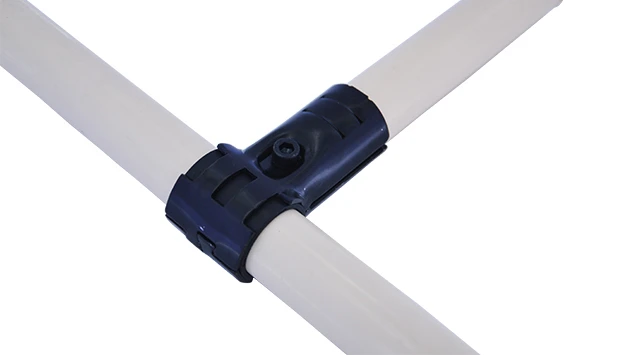
Two way lean pipe joint for 2 pcs 28MM lean pipe connection in straight angle with rotatory fucntion, which used widely in workbench, flow rack, hand trolley frame connection.
Walk into any manufacturing plant, and you'll see the rhythm of production humming along—conveyors moving parts, workbenches holding tools, and material racks keeping inventory organized. But if you zoom in, past the machines and the workers, you'll find the unsung heroes holding it all together: lean pipe joints. Specifically, the one way rotatory straight lean pipe joint. These small, unassuming components might not grab headlines, but they're the backbone of lean systems, ensuring everything from assembly lines to workstations stays sturdy and functional. And today, we're diving into one critical factor that determines how long these joints last: chrome plating thickness. Because when these joints fail, production stalls, costs rise, and frustration builds. Let's unpack why chrome plating thickness isn't just a technical detail—it's the difference between a joint that lasts months and one that lasts years.
First Things First: What Even Is a One Way Rotatory Straight Lean Pipe Joint?
Before we get into chrome plating, let's make sure we're all on the same page about the star of the show: the one way rotatory straight lean pipe joint. If you've ever assembled a lean pipe workbench or a flow rack, you've probably used one without even realizing it. These joints are the connectors that link lean pipes (think aluminum or steel tubes) together, allowing you to build custom structures. The "one way rotatory" part means they can rotate in a single direction, adding flexibility to your setup—perfect for adjusting workbench heights, angling material racks, or letting parts glide smoothly along a conveyor. They're like the hinges of your production line, but with a job to do: hold weight, withstand movement, and keep everything aligned.
Now, not all joints are created equal. A cheap, poorly made joint might work for a while, but under the daily grind of a factory—parts sliding, workers adjusting, tools being set down—it'll start to show wear. That's where chrome plating comes in. It's not just there to make the joint look shiny (though that's a nice bonus). Chrome plating is a protective layer that shields the underlying metal from rust, scratches, and friction. And the thickness of that layer? It's the armor that determines how well the joint can stand up to the chaos of industrial life.
Chrome Plating 101: More Than Just a Pretty Finish
Chrome plating is a process where a thin layer of chromium is electroplated onto a metal surface (in this case, the lean pipe joint). Why chromium? Because it's tough. It resists corrosion, repels moisture, and slides smoothly against other surfaces—all essential traits for a joint that's constantly rotating or supporting weight. But here's the catch: not all chrome plating is applied equally. Some joints get a thin "flash" of chrome, barely enough to cover the surface, while others get a thicker layer, built up to withstand heavy use. And that thickness directly impacts performance.
Let's break down what chrome plating actually does for a one way rotatory straight lean pipe joint: First, it prevents rust. Factories are messy places—oils, coolants, and humidity can eat away at unprotected metal. Chrome acts as a barrier, keeping moisture and chemicals from reaching the joint's base material (usually steel or aluminum). Second, it reduces friction. Since these joints rotate, a smooth, hard chrome surface means less wear and tear when parts move against each other. Third, it adds durability. Chrome is harder than the base metal, so it takes the brunt of scratches, impacts, and daily use, keeping the joint's structural integrity intact longer.

Why Thickness Matters: It's All About the Microns
Chrome plating thickness is measured in microns (one micron = 0.001 millimeters). To put that in perspective, a human hair is about 50-100 microns thick. So we're talking about layers that are often thinner than a strand of hair—but that doesn't make them any less critical. Let's say you have two identical one way rotatory straight lean pipe joints: one with 5 microns of chrome plating, and another with 20 microns. Which one do you think will last longer? Spoiler: It's not the 5-micron one.
Thinner plating (think 5-10 microns) might seem cost-effective upfront, but it's prone to chipping, peeling, and wearing off quickly. Imagine using a joint on a busy conveyor line, where parts slide over it hundreds of times a day. The friction alone will wear through thin chrome in months, exposing the base metal to rust and corrosion. Once the chrome is gone, the joint starts to seize up, rotate unevenly, or even snap under load. Suddenly, you're replacing joints every few weeks, disrupting production and blowing your maintenance budget.
Thicker plating (15-30 microns), on the other hand, acts like a suit of armor. It can handle the daily grind of rotation, resist scratches from tools or heavy parts, and keep rust at bay even in humid or chemical-heavy environments. But there's a sweet spot—plating that's too thick (over 30 microns) can become brittle, cracking under stress. That's why reputable lean pipe suppliers don't just "dip and ship"—they carefully control the plating process to hit that ideal thickness, ensuring longevity without sacrificing flexibility.
| Chrome Plating Thickness (Microns) | Wear Resistance | Corrosion Resistance | Expected Lifespan in Industrial Use | Best For |
|---|---|---|---|---|
| 5-10 microns (Thin) | Low: Wears quickly under friction | Poor: Prone to rust in humid environments | 3-6 months | Light-duty, low-use setups (e.g., temporary workbenches) |
| 15-20 microns (Medium) | Medium-High: Handles regular rotation and load | Good: Resists rust in most factory conditions | 2-3 years | Standard production lines, workbenches, material racks |
| 25-30 microns (Thick) | High: Withstands heavy friction and impacts | Excellent: Ideal for wet or chemical-exposed areas | 5+ years | Heavy-duty applications (e.g., automotive assembly, food processing plants) |

Real-World Impact: When Thickness (or Lack Thereof) Causes Headaches
Let's ground this in reality with a scenario we've heard from countless lean pipe suppliers: A small electronics manufacturer orders a batch of one way rotatory straight lean pipe joints to build new assembly workbenches. They opt for the cheapest option, not realizing the joints only have 8 microns of chrome plating. At first, everything works great—the workbenches are sturdy, and production flows. But six months in, the maintenance team starts noticing issues. The joints on the busiest workbenches are sticking; when they try to rotate them, they grind instead of glide. Upon closer inspection, the chrome has worn off, leaving the steel underneath exposed and rusting. Now, they're replacing joints every month, halting production each time, and spending more on replacements than they saved by buying cheap.
Compare that to a automotive plant that invested in 25-micron chrome-plated joints. Their assembly line runs 12 hours a day, with parts sliding over the joints thousands of times weekly. Five years later, those joints are still rotating smoothly, with minimal wear. The plant hasn't had a single unplanned shutdown due to joint failure, and their maintenance costs for lean pipe systems are a fraction of their competitors'. The difference? Those extra microns of chrome plating.
How to Choose: It's Not Just About the Joint—It's About the Supplier
So, how do you ensure you're getting one way rotatory straight lean pipe joints with the right chrome plating thickness? It starts with choosing the right lean pipe supplier. Here's the thing: Not all suppliers prioritize plating quality. Some cut corners to lower costs, using thinner plating or skipping quality checks. But a reputable supplier will be transparent about their plating process—they'll tell you the exact thickness (in microns), provide test reports (like salt spray tests for corrosion resistance), and even explain how they control the plating to avoid brittleness or uneven coverage.
When vetting a supplier, ask these questions: "What's the chrome plating thickness on your one way rotatory straight lean pipe joints?" "Do you test for adhesion (to prevent peeling) and corrosion resistance?" "Can you provide a certificate of compliance for plating thickness?" If they hesitate or can't answer, walk away. Your production line deserves better than guesswork.
It's also worth considering the environment where the joints will be used. If your factory is humid (like a food processing plant) or uses chemicals (like a pharmaceutical facility), you'll need thicker plating (20+ microns) to combat corrosion. If you're building a lightweight workstation that's rarely moved, medium thickness (15-20 microns) might be enough. A good supplier will help you tailor the thickness to your specific needs, ensuring you're not overpaying for plating you don't need—or underpaying for a joint that'll fail.
The Bottom Line: Invest in Thickness, Save in the Long Run
At the end of the day, chrome plating thickness is an investment. Yes, joints with thicker plating might cost a bit more upfront, but they'll save you money, time, and frustration down the line. Think about it: The cost of replacing a joint is more than just the part itself—it's the labor to take apart the workstation, the downtime while production stops, and the ripple effect of delayed orders. A joint that lasts 5 years instead of 6 months pays for itself many times over.
So the next time you're sourcing one way rotatory straight lean pipe joints, don't just look at the price tag. Ask about chrome plating thickness. Ask about testing. Ask about the supplier's reputation. Because these small, shiny layers of chrome are the difference between a lean system that runs like a well-oiled machine and one that's constantly breaking down. And in manufacturing, reliability isn't just a nice-to-have—it's everything.
In the world of lean manufacturing, every detail matters. And when it comes to the one way rotatory straight lean pipe joint, chrome plating thickness is one detail you can't afford to overlook. It's not just about making joints look good—it's about making them last. And in the end, a joint that lasts is a production line that thrives.