- Company Articles
- Products and Technology
- Product knowledge
- Chrome Three Way Lean Pipe Joint vs. Stainless Steel: Cost-Benefit Analysis

Chrome Three Way Lean Pipe Joint vs. Stainless Steel: Cost-Benefit Analysis
Related Product
Three Way Lean Pipe Joint
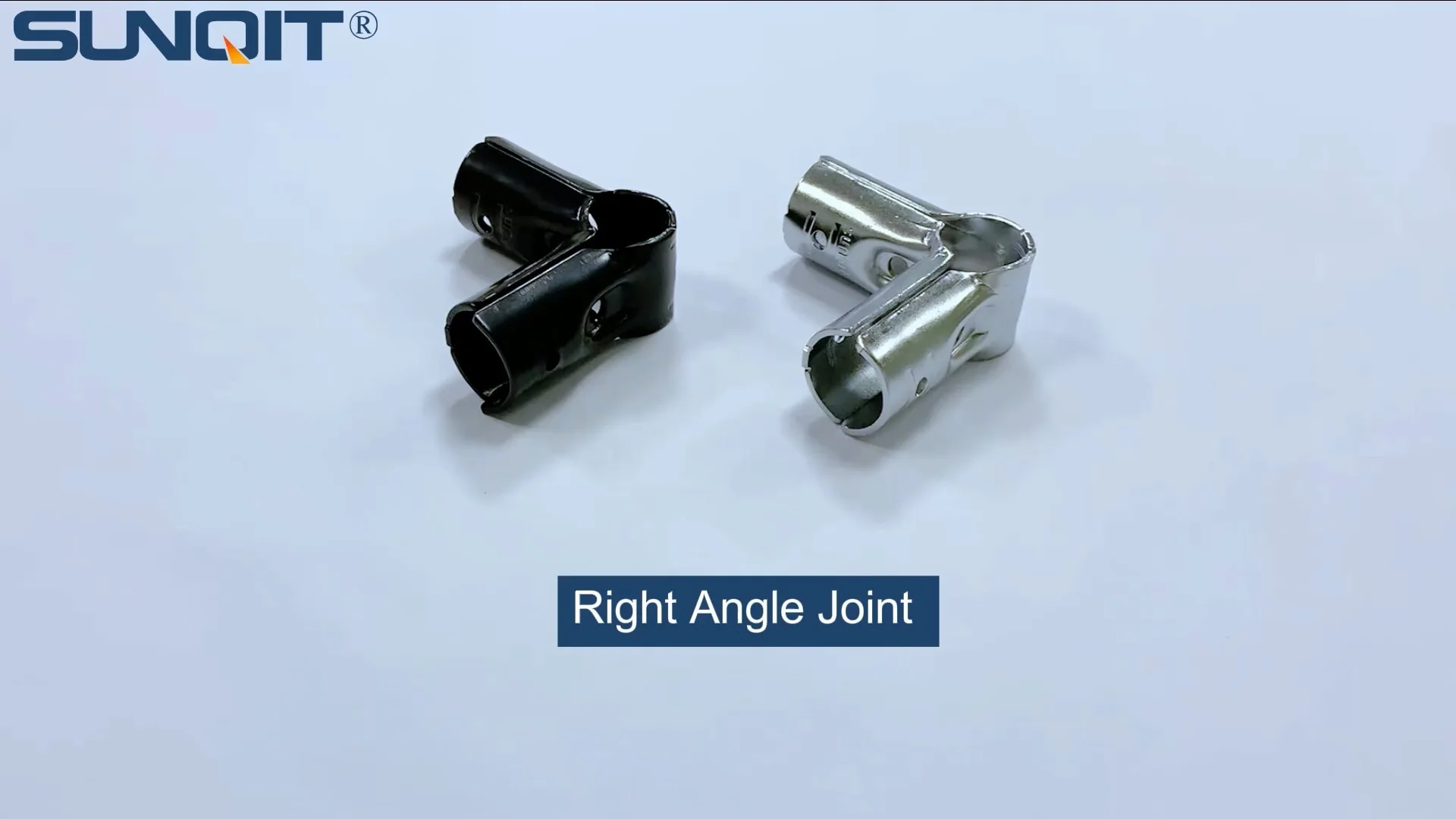
Three way lean pipe joint for 3 pcs 28MM lean pipe connection in straight angle, which used widely in workbench, flow rack, hand trolley frame connection.
In the fast-paced world of manufacturing and production, every component counts. From the workbench where assembly line workers spend their days to the flow racks that keep materials moving, the tools and structures we rely on shape efficiency, durability, and ultimately, the bottom line. At the heart of many of these setups lies a humble yet critical component: the lean pipe joint. These unassuming connectors are the backbone of lean systems, allowing teams to build, reconfigure, and adapt workspaces with ease. But not all joints are created equal. Today, we're diving into two popular options—the chrome three way lean pipe joint and stainless steel pipe series—to help you understand which one makes sense for your operation. Whether you're setting up a new production line, upgrading an existing workbench, or simply looking to optimize your lean system, this cost-benefit analysis will break down the key factors that matter most.
Understanding Lean Pipe Joints: The Unsung Heroes of Lean Systems
Before we jump into comparisons, let's take a moment to appreciate why lean pipe joints are so essential. In lean manufacturing, the goal is to eliminate waste, streamline processes, and maximize flexibility. Lean pipe joints, paired with lean pipes (often made of steel, aluminum, or stainless steel), make this possible by enabling modular construction. Need a new workbench? Connect a few pipes and joints. Want to adjust the height of a flow rack? Swap out a joint or add an extension. These components turn static workspaces into dynamic environments that can evolve with your needs.
Lean pipe joints come in various shapes and sizes—elbows, tees, crosses, and more—each designed for specific connections. The three way joint, as the name suggests, allows three pipes to meet at a single point, making it ideal for building stable structures like workbench frames or multi-tiered material racks. When choosing between chrome-plated and stainless steel options, the decision hinges on factors like cost, durability, environment, and intended use. Let's start by examining the chrome three way lean pipe joint, a staple in many workshops.
Chrome Three Way Lean Pipe Joint: Affordability Meets Practicality
Chrome three way lean pipe joints are typically made from carbon steel with a chrome plating. This plating serves two main purposes: it adds a layer of protection against rust and corrosion, and it gives the joint a smooth, shiny finish that's easy to clean. For many small to medium-sized businesses, these joints are a go-to choice, and it's not hard to see why.
Cost-Effectiveness
: One of the biggest draws of chrome three way joints is their affordability. Compared to stainless steel, chrome-plated steel is generally less expensive to produce, which translates to lower upfront costs for buyers. If you're working with a tight budget or need to outfit a large workspace with multiple joints, this can make a significant difference in total project costs. For example, a basic chrome three way joint might cost 30-50% less than its stainless steel counterpart, depending on the supplier and quantity ordered.
Ease of Assembly
: Chrome joints are known for their user-friendly design. Most feature a clamping mechanism that allows for quick, tool-free assembly—simply slide the pipe into the joint, tighten the bolt, and you're good to go. This speed is a boon for teams that need to set up or reconfigure workspaces quickly, reducing downtime and keeping production on track. Even workers with minimal training can assemble structures using chrome joints, which cuts down on labor costs and training time.
Suitable for Indoor, Dry Environments
: While chrome plating offers some corrosion resistance, it's not impervious. In dry, indoor settings—like a standard assembly line or warehouse—chrome joints hold up well. They resist minor spills and humidity, and regular wiping with a dry cloth is usually enough to keep them in good shape. For workbenches, light-duty material racks, or temporary structures, this level of protection is often sufficient.
However, chrome joints do have limitations. The plating can chip or scratch over time, especially in high-traffic areas or when exposed to heavy impacts. Once the plating is damaged, the underlying carbon steel is vulnerable to rust, which can weaken the joint and compromise the structure. Additionally, in environments with high moisture, chemicals, or salt (like food processing plants or outdoor workshops), chrome joints may not last as long as stainless steel alternatives.

Stainless Steel Pipe Series: Durability for the Long Haul
Now, let's turn to the stainless steel pipe series. Stainless steel is a material renowned for its strength and resistance to corrosion, thanks to its chromium content (usually at least 10.5%). When it comes to lean pipe joints, stainless steel options are often part of a broader stainless steel pipe series, which includes pipes, connectors, and accessories designed to work together seamlessly. These joints are built for durability, making them a favorite in demanding environments.
Superior Corrosion Resistance
: Unlike chrome plating, which is a thin layer, stainless steel's corrosion resistance is inherent to the material. This means even if the surface is scratched or dented, the underlying metal won't rust easily. This makes stainless steel joints ideal for wet environments (like commercial kitchens or pharmaceutical labs), areas with frequent chemical exposure (such as electronics manufacturing with cleaning agents), or outdoor use. In these settings, stainless steel can outlast chrome joints by years, if not decades.
Strength and Load Capacity
: Stainless steel is denser and stronger than carbon steel, giving stainless steel joints a higher load capacity. If you're building heavy-duty structures—like material racks that hold bulky parts or workbenches used for assembling large machinery—stainless steel joints provide added stability and peace of mind. They're less likely to bend or warp under stress, reducing the risk of structural failure and workplace accidents.
Low Maintenance, High Longevity
: While stainless steel joints have a higher upfront cost, their long-term maintenance needs are minimal. They don't require regular polishing or protective coatings, and a simple wipe with a damp cloth is usually enough to keep them clean. In industries where hygiene is critical—such as food processing or medical device manufacturing—stainless steel's non-porous surface also resists bacterial growth, making it easier to meet strict sanitation standards.
The main downside? Cost. Stainless steel is more expensive to source and manufacture than chrome-plated steel, so stainless steel joints can significantly increase project costs, especially for large-scale setups. They're also slightly heavier, which can make assembly more labor-intensive, though this is often a trade-off for the added durability.

Cost-Benefit Comparison: Chrome vs. Stainless Steel
To help visualize the trade-offs, let's break down the key factors in a side-by-side comparison. The table below compares chrome three way lean pipe joints and stainless steel pipe series joints across six critical categories:
| Factor | Chrome Three Way Lean Pipe Joint | Stainless Steel Pipe Series Joint | Best For |
|---|---|---|---|
| Initial Cost | Lower (30-50% less than stainless steel) | Higher (premium material cost) | Budget-sensitive projects; temporary setups |
| Corrosion Resistance | Moderate (good for dry, indoor use; plating can chip) | Excellent (inherent resistance to rust, chemicals, moisture) | Wet/chemical environments; outdoor use; hygiene-critical industries |
| Load Capacity | Medium (suitable for light to medium-duty structures) | High (ideal for heavy-duty racks, workbenches, and machinery) | Heavy loads; permanent, high-stress applications |
| Lifespan | 5-7 years (in optimal conditions; shorter in harsh environments) | 10+ years (even in demanding settings) | Long-term investments; minimal replacement needs |
| Maintenance | Moderate (occasional cleaning; risk of rust if plating is damaged) | Low (simple cleaning; no need for protective coatings) | Busy facilities with limited maintenance staff |
| Ease of Assembly | High (lightweight, tool-free clamping mechanisms) | Moderate (slightly heavier, but still user-friendly) | Quick reconfigurations; teams with limited training |
As the table shows, neither option is universally "better"—the right choice depends on your specific needs. Let's explore some real-world scenarios to see how these factors play out.

Practical Applications: When to Choose Chrome vs. Stainless Steel
Scenario 1: A Small Electronics Assembly Workshop
: Imagine a small business that assembles circuit boards. Their workspace is indoors, climate-controlled, and relatively dry. They need a few workbenches, a small flow rack for components, and they anticipate reconfiguring the layout once or twice a year as product lines change. For this setup, chrome three way lean pipe joints would likely be the best fit. The lower upfront cost helps keep initial investments manageable, and the joints' ease of assembly makes reconfiguration a breeze. Since the environment is dry and the loads are light (circuit boards and small tools), corrosion isn't a major concern, and the 5-7 year lifespan should be more than enough before the business might consider upgrading.
Scenario 2: A Food Processing Plant
: Now, consider a food processing facility where equipment is regularly hosed down with water and sanitizing agents. The workbenches here hold heavy mixing bowls and large batches of ingredients, and the material racks store canned goods and liquids. In this case, stainless steel pipe series joints are a no-brainer. The constant moisture and chemicals would quickly degrade chrome plating, leading to rust and potential contamination risks. Stainless steel's corrosion resistance ensures the joints hold up to daily cleaning, and the higher load capacity keeps heavy equipment stable. While the upfront cost is higher, the reduced maintenance and longer lifespan (10+ years) mean lower total cost of ownership over time.
Scenario 3: A Warehouse with Outdoor Loading Docks
: For a warehouse that uses lean system structures both indoors and outdoors (e.g., a covered loading dock area exposed to rain and humidity), a hybrid approach might work. Indoor workbenches and flow racks could use chrome joints to save costs, while outdoor structures (like temporary material staging racks) would benefit from stainless steel joints to withstand the elements. This way, the business balances affordability with durability where it matters most.
Maintenance and Longevity: Protecting Your Investment
No matter which joint you choose, proper maintenance can extend its lifespan and ensure your lean system remains safe and functional. For chrome three way joints, regular inspection is key. Check for chips in the plating, especially at connection points where pipes might rub against the joint. If you spot damage, consider applying a rust-inhibiting spray or replacing the joint if the damage is severe. Wiping joints with a dry cloth weekly can also prevent dust and moisture buildup, which can accelerate corrosion.
Stainless steel joints require less hands-on care, but they're not entirely maintenance-free. While they resist rust, they can still accumulate dirt and grime, especially in high-traffic areas. A monthly wipe-down with mild soap and water is usually sufficient to keep them clean. In environments with heavy chemical exposure, avoid abrasive cleaners that might scratch the surface—stick to soft cloths and non-corrosive detergents.
When it comes to longevity, it's also important to consider how often you reconfigure your lean system. Chrome joints, while affordable, may wear out faster with frequent disassembly and reassembly, as the clamping mechanisms can loosen over time. Stainless steel joints, with their sturdier construction, tend to hold up better to repeated use, making them a better choice if you anticipate frequent changes to your workspace layout.
Choosing the Right Joint for Your Lean System
So, how do you decide between chrome three way lean pipe joints and stainless steel pipe series joints? Start by asking yourself these four questions:
1.
What's my budget?
If upfront costs are a primary concern and you're working in a controlled environment, chrome is likely the way to go. If you can invest more now to save later, stainless steel may offer better long-term value.
2.
Where will the joint be used?
Indoor, dry settings favor chrome. Wet, humid, or chemical-exposed areas demand stainless steel.
3.
How much weight will it support?
Light to medium loads (e.g., a basic workbench) are fine with chrome. Heavy loads (e.g., industrial material racks) require stainless steel's strength.
4.
How long do I need it to last?
If you're planning a temporary setup or expect to upgrade in 5 years, chrome is sufficient. For a permanent structure that needs to last a decade or more, stainless steel is worth the investment.
It's also worth consulting with your lean pipe supplier. A reputable supplier can provide insights into which joints perform best in your specific industry and may even offer samples for testing. Don't hesitate to ask about warranty options, as some stainless steel suppliers offer longer warranties due to the material's durability.
Conclusion: Balancing Cost, Durability, and Purpose
At the end of the day, the choice between chrome three way lean pipe joints and stainless steel pipe series joints boils down to balancing your immediate needs with long-term goals. Chrome joints offer affordability and flexibility for budget-conscious, indoor applications, while stainless steel brings unmatched durability and corrosion resistance to harsh or heavy-duty environments. Neither is "better"—they're just better suited to different scenarios.
Remember, the goal of a lean system is to eliminate waste, and that includes wasteful spending on the wrong components. By carefully evaluating your environment, load requirements, and budget, you can choose joints that keep your workspace efficient, safe, and adaptable for years to come. Whether you're building a single workbench or overhauling an entire production line, the right lean pipe joint will quietly support your operations, making it easier to focus on what matters most: creating quality products and growing your business.